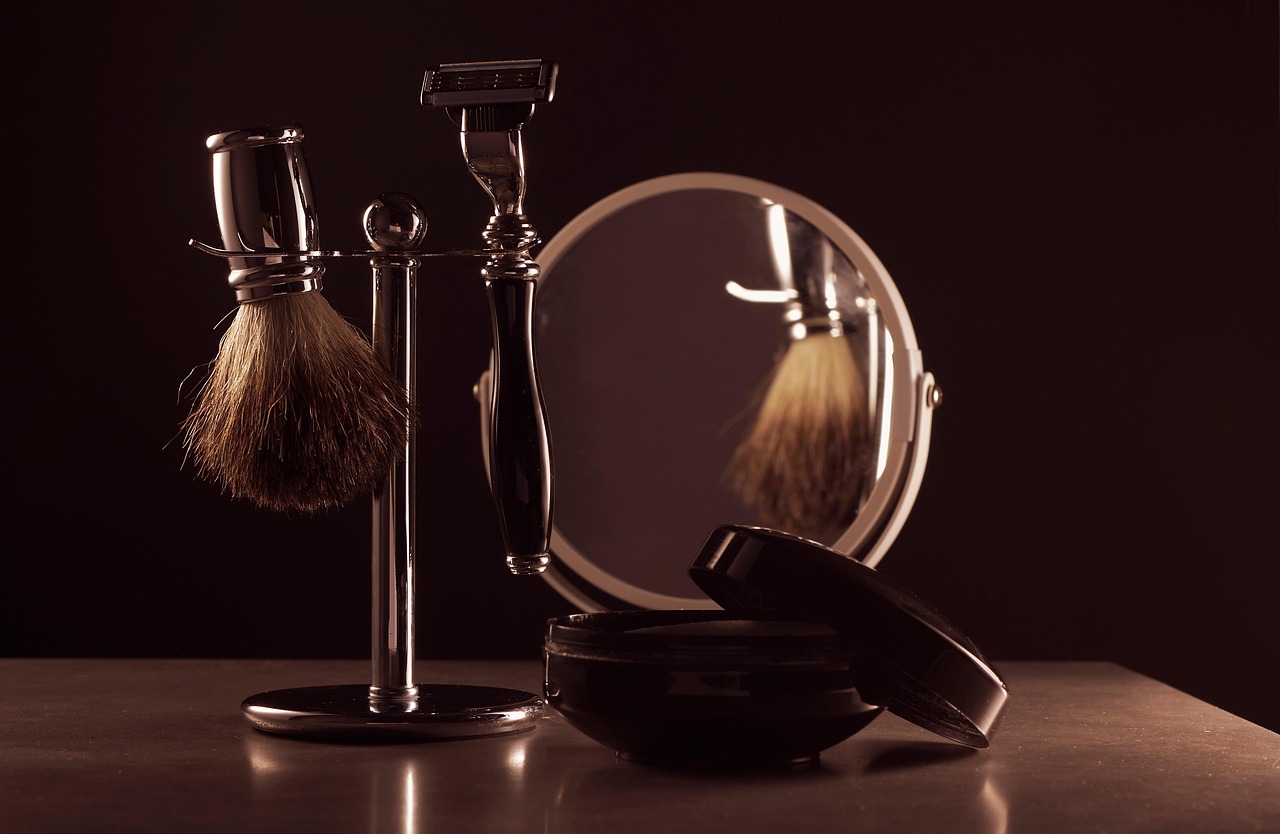
Are you tired of achieving a close shave only to be left with frustrating dark spots from shaving? You’re not alone. Many people experience this common skin concern, known scientifically as post-inflammatory hyperpigmentation (PIH), which can leave your skin looking uneven and dull. These stubborn marks can appear anywhere you shave, from the face and neck to the legs and bikini area, often diminishing confidence and making you feel self-conscious.
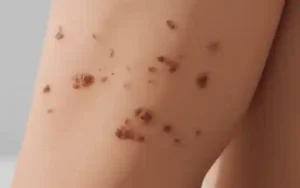
The good news is that understanding why these dark spots occur is the first step toward preventing and treating them effectively. This comprehensive guide will dive deep into the causes of dark spots from shaving, equip you with the best prevention strategies, and introduce you to proven treatments that can restore your skin’s natural radiance. Whether you’re struggling with existing marks or looking to avoid them altogether, prepare to unlock the secrets to achieving beautifully smooth, even-toned skin.
Understanding Dark Spots From Shaving: What Are They?
When we talk about dark spots from shaving, we’re primarily referring to a condition called post-inflammatory hyperpigmentation (PIH). This occurs when your skin reacts to inflammation or injury by overproducing melanin, the pigment that gives your skin its color. Shaving, despite being a routine grooming activity for many, can be a source of trauma to the skin, leading to this hyperpigmentation.
The Science Behind Post-Shave Hyperpigmentation
Every time you shave, you’re essentially dragging a sharp blade across your skin. This action, if not performed correctly, can cause micro-abrasions, irritation, razor burn, or even ingrown hairs. Your skin perceives these as injuries and triggers an inflammatory response. As part of the healing process, specialized cells called melanocytes rush to the site of inflammation and produce excess melanin, which then gets deposited in the epidermis (outer layer) or dermis (deeper layer) of the skin. The result? Those tell-tale dark marks after shaving that can range from light brown to black, depending on your skin tone.
Who is Most Affected?
While anyone can develop dark spots from shaving, certain individuals are more prone to them:
- Individuals with Medium to Dark Skin Tones: People with more melanin in their skin naturally have more active melanocytes. This means their skin is more likely to respond to inflammation by producing excess pigment, making PIH more common and often more pronounced.
- Those Prone to Ingrown Hairs: If you frequently experience ingrown hairs (pseudofolliculitis barbae), you’re at a higher risk. Ingrown hairs cause significant inflammation, which is a direct trigger for dark spots.
- People with Sensitive Skin: Skin that easily gets irritated, red, or inflamed from shaving is more susceptible to developing PIH.
Common Causes of Dark Spots After Shaving
Identifying the root causes of dark spots from shaving is crucial for effective prevention and treatment. Often, it’s a combination of factors at play.
Incorrect Shaving Techniques
This is arguably the most common culprit. Shaving against the grain, applying too much pressure, or making multiple passes over the same area can severely irritate the skin. This irritation leads to inflammation, which then triggers the melanin production that creates shaving dark spots.
Ingrown Hairs (Pseudofolliculitis Barbae)
Ingrown hairs occur when a shaved hair curls back into the skin and grows inward, causing a red, often painful bump. This trapped hair causes significant inflammation, and the skin’s natural response to this trauma is to produce extra melanin, resulting in a dark spot once the ingrown hair resolves.
Razor Burn and Irritation
The tell-tale redness, stinging, and bumps associated with razor burn are clear signs of skin irritation. This inflammation, whether acute or chronic, can easily lead to dark spots from shaving, especially if the skin isn’t properly soothed afterward.
Skin Type and Melanin Production
As mentioned, individuals with more melanin in their skin are inherently more prone to PIH. Their melanocytes are more reactive, meaning even minor irritation can result in noticeable dark spots. This isn’t a flaw, but a natural biological response that requires a more tailored shaving approach.
Lack of Proper Skin Preparation and Aftercare
Skipping essential steps like exfoliating before shaving, using a dull razor, or neglecting to moisturize and soothe the skin post-shave can all contribute to irritation and, consequently, dark spots from shaving. Your skin needs a protective barrier and gentle handling to stay healthy.
Prevention is Key: Stop Dark Spots Before They Start
The best way to deal with dark spots from shaving is to prevent them from appearing in the first place. Adopting a mindful shaving routine can make a world of difference.
Pre-Shave Rituals for Smoother Skin
Preparation is paramount. A few minutes spent before you shave can save you weeks of dealing with dark spots.
- Exfoliate Gently: 1-2 times a week (and ideally the day before you shave), use a mild physical or chemical exfoliant (like one containing salicylic acid or glycolic acid) to remove dead skin cells and free any trapped hairs. This helps prevent ingrown hairs and allows for a closer, smoother shave.
- Warm Water or Steam: Shave after a warm shower or bath. The warm water and steam soften the hair and open up pores, making hair easier to cut and reducing friction.
- Apply a Quality Shave Cream or Gel: Never dry shave! Use a rich, moisturizing shave cream or gel to create a protective barrier between the blade and your skin. Look for ingredients like aloe vera, glycerin, or shea butter. Allow it to sit on your skin for a minute or two before shaving.
Mastering Your Shaving Technique
Your technique is critical in preventing irritation and dark spots from shaving.
- Use a Sharp, Clean Razor: A dull blade tugs at hairs, leading to irritation and razor burn. Change your razor blade every 5-7 shaves, or sooner if you feel any pulling. Always rinse your blade thoroughly after each use.
- Shave With the Grain: This is crucial. Shaving in the direction your hair grows minimizes tugging and reduces the risk of irritation and ingrown hairs. If you need a closer shave, a second pass gently across the grain might be acceptable, but never against it, especially if you’re prone to PIH.
- Use Light Pressure: Let the razor do the work. Pressing too hard can cause nicks, cuts, and excessive irritation.
- Rinse Blade Frequently: Clogged blades are ineffective and can pull at hairs. Rinse your razor after every few strokes.
- Limit Passes: Try to minimize the number of times you go over the same area to reduce friction and irritation.
Post-Shave Care for Calmer Skin
What you do immediately after shaving is just as important as your preparation.
- Rinse with Cold Water: This helps to close pores and soothe the skin, reducing inflammation.
- Apply a Soothing Post-Shave Balm or Moisturizer: Look for products with calming ingredients like aloe vera, chamomile, niacinamide, or hyaluronic acid. These help hydrate the skin, reduce redness, and support the skin barrier. Avoid products with alcohol, which can be drying and irritating.
- Protect from Sun Exposure: Freshly shaved skin is more vulnerable to sun damage. Sun exposure can also darken existing PIH. Always apply a broad-spectrum SPF 30+ sunscreen to shaved areas, especially if they are exposed.
- Avoid Tight Clothing: Give your freshly shaved skin room to breathe. Tight clothing can cause friction and irritation, potentially leading to ingrown hairs and dark spots.
The Right Tools for the Job
Choosing the right razor can significantly impact your results:
- Single-Blade Razors: Often recommended for those prone to ingrown hairs and irritation, as they cut the hair cleanly without lifting and cutting below the skin’s surface.
- Electric Shavers/Trimmers: Can be a good option for sensitive skin as they provide less close contact with the skin, reducing irritation.
- Cleanliness: Regardless of your choice, ensure your razor is always clean and stored in a dry place to prevent bacterial growth.
Treating Existing Dark Spots From Shaving
If you already have dark spots from shaving, don’t despair! Consistent and targeted treatment can help fade them over time.
Topical Treatments: Over-the-Counter Solutions
Several active ingredients are highly effective in addressing PIH:
- Niacinamide (Vitamin B3): A powerful anti-inflammatory that helps reduce redness and improve skin barrier function. It also interferes with the transfer of melanin to skin cells, helping to fade existing dark spots.
- Vitamin C (Ascorbic Acid): A potent antioxidant that brightens the skin, inhibits melanin production, and promotes collagen synthesis.
- Alpha Hydroxy Acids (AHAs) like Glycolic Acid or Lactic Acid: These gently exfoliate the top layer of skin, helping to shed pigmented cells and reveal brighter skin underneath. Start with lower concentrations to avoid irritation.
- Beta Hydroxy Acids (BHAs) like Salicylic Acid: Excellent for exfoliating inside the pores, making them great for treating and preventing ingrown hairs, which are often precursors to dark spots.
- Kojic Acid: Derived from mushrooms, it inhibits tyrosinase, an enzyme necessary for melanin production.
- Azelaic Acid: Reduces inflammation and inhibits melanin production, making it effective for both acne and hyperpigmentation.
- Retinoids (e.g., Retinol, Adapalene): Speed up cell turnover, helping to bring new, unpigmented skin cells to the surface. Use sparingly and always with sunscreen, as they can increase sun sensitivity.
Crucial Tip: Sunscreen is Non-Negotiable! While treating dark spots, diligent daily use of broad-spectrum SPF 30 or higher is essential. Sun exposure will not only make existing dark spots darker but also hinder the effectiveness of any fading treatments.
Professional Treatments
For persistent or severe dark spots from shaving, a dermatologist might recommend:
- Chemical Peels: Stronger concentrations of AHAs, BHAs, or other acids can be applied under professional supervision to deeply exfoliate the skin.
- Laser Therapy: Certain lasers (e.g., fractional lasers, Q-switched lasers) can target pigment in the skin, breaking it down so the body can naturally remove it.
- Microdermabrasion: A physical exfoliation technique that buffs away the top layer of skin.
Natural Remedies (Use with Caution)
While some natural ingredients are touted for their skin-brightening properties, always patch test and consult with a dermatologist before relying solely on them.
- Aloe Vera: Known for its soothing and healing properties, it can help calm inflammation.
- Turmeric: Contains curcumin, which has anti-inflammatory and skin-brightening effects. Can stain skin.
- Lemon Juice: Contains natural alpha hydroxy acids, but can be highly irritating and photosensitizing. Not recommended for direct application due to its acidity and potential to worsen hyperpigmentation if exposed to sun.
Patience and Consistency are Virtues
Fading dark spots from shaving takes time. Melanin is deeply embedded in the skin, and it needs time to migrate out. Expect to see noticeable results after several weeks to months of consistent treatment. Stick with your routine, be patient, and protect your skin from the sun.
Recommended Products
To help you on your journey to clearer skin, here are some product suggestions that can aid in preventing and treating dark spots from shaving. Remember, what works for one person may not work for another, so consider your skin type and sensitivities.
CeraVe Renewing SA Cleanser
A gentle exfoliating cleanser with salicylic acid to help prevent ingrown hairs and rough skin, preparing it for a smoother shave.
Nivea Men Sensitive Shaving Gel
Formulated with chamomile and hamamelis, this gel provides a protective cushion for a close, comfortable shave, minimizing irritation.
The Ordinary Niacinamide 10% + Zinc 1%
A highly concentrated serum to reduce the appearance of skin blemishes and congestion, and brighten skin tone, making it great for dark spots.
Supergoop! Unseen Sunscreen SPF 40
An invisible, weightless, and scentless broad-spectrum sunscreen that’s crucial for preventing existing dark spots from worsening and new ones from forming.
First Aid Beauty KP Bump Eraser Body Scrub
A targeted body scrub with glycolic and lactic acids to physically and chemically exfoliate, great for rough skin and preventing ingrowns on larger areas.
Frequently Asked Questions About Dark Spots From Shaving
Q1: How long do dark spots from shaving last?
The duration of dark spots from shaving varies greatly depending on several factors, including your skin tone, the severity of the inflammation, and how diligently you treat them. Mild spots might fade in a few weeks to a couple of months, while deeper or more severe hyperpigmentation can take 6-12 months, or even longer, to completely disappear. Consistent treatment and sun protection are key to speeding up the process.
Q2: Can I shave over dark spots?
Yes, you can shave over existing dark spots from shaving, but you should do so with extreme care. Ensure your razor is sharp and clean, use ample shave cream, and shave gently with the grain. Aggressive shaving can re-irritate the area, potentially worsening the dark spot or causing new inflammation, which could lead to further hyperpigmentation. If the dark spot is accompanied by an active ingrown hair or inflamed bump, it’s best to avoid shaving that specific area until it has healed.
Q3: Is exfoliating good for dark spots?
Absolutely! Gentle exfoliation is highly beneficial for treating and preventing dark spots from shaving. Exfoliants, particularly chemical exfoliants like AHAs (glycolic, lactic acid) and BHAs (salicylic acid), help to shed the pigmented top layers of skin, revealing brighter, newer skin underneath. Regular exfoliation also prevents ingrown hairs, which are a common cause of dark spots. However, avoid harsh scrubbing or over-exfoliating, as this can cause further irritation.
Q4: What’s the best razor to prevent dark spots?
There isn’t a single “best” razor for everyone, as it depends on individual skin and hair type. However, for preventing dark spots from shaving, many find success with single-blade razors (like safety razors) or electric shavers/trimmers. Single blades reduce the chance of hair being cut below the skin’s surface, minimizing ingrown hairs. Electric shavers offer a less close shave, which can be less irritating for sensitive skin. The most important factor is using a sharp, clean blade, regardless of the type.
Q5: Do dark spots from shaving go away naturally?
Yes, in many cases, dark spots from shaving can fade naturally over time, especially if the source of irritation is removed (i.e., you improve your shaving technique). However, this process can be very slow, often taking many months or even years. Using targeted topical treatments and practicing consistent sun protection can significantly accelerate the fading process and ensure the spots don’t worsen or return.
Q6: Can sun exposure worsen dark spots?
Yes, sun exposure is one of the biggest culprits for worsening dark spots from shaving. UV radiation stimulates melanocytes to produce more melanin, which can make existing hyperpigmentation darker and more persistent. It can also trigger new dark spots. Therefore, applying a broad-spectrum sunscreen with SPF 30 or higher daily to all shaved and exposed areas is a critical step in both preventing and treating these marks.
Conclusion
Dealing with dark spots from shaving can be a frustrating experience, but it’s a completely manageable one. By understanding the causes—from incorrect shaving techniques and ingrown hairs to razor burn and your individual skin’s response—you’re already well on your way to clearer skin. The key lies in a multi-faceted approach that prioritizes prevention, gentle care, and consistent treatment.
Remember to prepare your skin with exfoliation and warm water, use a sharp razor with light pressure and shave with the grain, and always follow up with soothing post-shave care and vital sun protection. For existing dark spots after shaving, incorporating active ingredients like niacinamide, Vitamin C, and AHAs into your routine can make a significant difference. Patience and consistency are your best allies on this journey.
Embrace these practices, and you’ll not only banish those stubborn dark marks from shaving but also achieve a healthier, smoother, and more radiant complexion you’ll be proud to show off. Your skin deserves the best care, and with these tips, you’re empowered to give it just that.
“`