
There’s nothing quite like the inviting shimmer of a crystal-clear swimming pool on a hot day. It’s a backyard paradise, a refreshing escape, and a source of endless fun. But what happens when that perfect picture is marred by unsightly dark spots in pool? Suddenly, your pristine oasis feels a little less appealing, and a lot more concerning. Those mysterious dark blotches can range from minor aesthetic nuisances to indicators of more serious underlying issues. Whether they’re on the walls, floor, or even steps of your pool, these spots can be frustrating and confusing. Are they algae? Stains? Something worse? Knowing the cause is the first step toward reclaiming your pool’s sparkle.
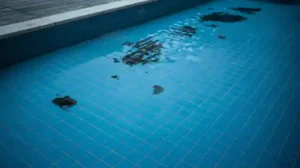
This comprehensive guide will walk you through everything you need to know about identifying, treating, and preventing dark spots in pool. We’ll explore the common culprits, provide practical solutions, and offer expert tips to ensure your swimming experience remains flawless. Get ready to transform your pool from spotty to spectacular!
Understanding the Mystery: What Are Those Dark Spots in Your Pool?
Before you can effectively treat them, you need to understand what’s causing the dark spots in pool. These blemishes aren’t always what they seem, and a wrong diagnosis can lead to wasted time, effort, and money. Let’s break down the most common types of dark spots you might encounter.
The Usual Suspects: Types of Dark Spots
Dark spots in pool can broadly be categorized into a few main types, each requiring a different approach for removal.
- Black Algae: The Stubborn Foe
Often mistaken for dirt or mold, black algae in pool is one of the most persistent and frustrating forms of algae. It forms in tiny, dark black or blue-green spots, typically on rough surfaces like plaster or grout. What makes it so tough is its protective outer layer, which makes it resistant to chlorine and brushing. It’s not just unsightly; it can harbor bacteria. - Metal Stains: The Chemical Culprits
If your dark spots in pool appear as brown, black, green, or even purple splotches, they could be metal stains. These occur when dissolved metals (like copper, iron, or manganese) in your pool water oxidize and precipitate out, attaching themselves to the pool surfaces.- Copper stains: Often appear blue-green, black, or dark brown.
- Iron stains: Typically reddish-brown or black.
- Manganese stains: Can look purple, black, or dark brown.
These metals can come from well water, corroding pool equipment, or even some algaecides.
- Organic Stains: Nature’s Imprints
These are usually brown, black, or yellowish dark spots in pool caused by natural debris like leaves, berries, acorns, or even dead insects left to sit on the pool surface for too long. As the organic material breaks down, it releases tannins and other compounds that can stain the pool’s plaster or liner. - Mold & Mildew: Less Common, Still Annoying
While less common than black algae, mold and mildew can sometimes appear as dark, slimy patches, especially in areas with poor circulation or on pool covers. They thrive in damp, dark environments and are often mistaken for organic stains or early-stage algae.
Identifying Your Dark Spot: A Detective’s Guide
Accurate identification is crucial for effective treatment. Here’s how to play detective with your dark spots in pool:
- The Brush Test: Grab a stiff-bristled pool brush and scrub a small section of the dark spot vigorously.
- If it comes off easily, it’s likely dirt or a superficial organic stain.
- If it’s extremely difficult to remove, or only the top layer comes off revealing more dark material underneath, it’s highly likely to be black algae.
- If it doesn’t budge at all, it’s probably a metal stain or a deeply set organic stain.
- The Vitamin C Test (for Metal Stains): Crush a few Vitamin C (ascorbic acid) tablets and place them directly on a small, isolated dark spot. Hold them there for a few minutes or gently rub them on the stain.
- If the spot lightens or disappears, you’ve got a metal stain on your hands, most likely iron or copper.
- If nothing happens, it’s not a metal stain.
- The Chlorine Test (for Organic Stains): Place a chlorine tablet or a small amount of granular chlorine directly on the stain for a short period (e.g., 30 seconds to a minute, being careful not to damage the surface).
- If the stain lightens or disappears, it’s an organic stain.
- Caution: This method should be used with extreme care, especially on vinyl liners, as direct contact with concentrated chlorine can bleach or damage the material.
Tackling the Problem: Solutions for Dark Spots in Your Pool
Once you’ve identified the type of dark spots in pool you’re dealing with, you can choose the most effective treatment. Remember to always test your pool water chemistry before and after treatment to ensure proper balance.
Eliminating Black Algae
Black algae requires a multi-pronged attack due to its resilient nature.
- Aggressive Brushing: Start by thoroughly scrubbing the affected areas with a stiff wire brush (for plaster/concrete pools) or a nylon brush (for vinyl/fiberglass). This breaks open the protective outer layer, allowing chemicals to penetrate.
- Targeted Shock Treatment: After brushing, super-chlorinate your pool. Use a strong granular shock treatment, aiming for 20-30 ppm free chlorine. For localized spots, you can carefully apply a small amount of granular shock directly to the brushed areas (again, with caution on vinyl). Run the pump continuously for 24-48 hours.
- Specialized Algaecides: Invest in a good quality black algaecide containing copper sulfate or a quaternary ammonium compound. Follow the product instructions carefully. These algaecides are specifically designed to penetrate and kill black algae.
- Filter Cleaning: Backwash or clean your filter frequently during treatment to remove dead algae spores. Consider using a filter cleaner if your filter is heavily soiled.
- Repeat as Necessary: Black algae is stubborn. You may need to repeat brushing, shocking, and algaecide applications until all visible spots are gone.
Removing Metal Stains
Metal stains require products that can chelate or sequester the metals.
- Chelating/Sequestering Agents: These products bind with metal ions, keeping them in solution and preventing them from staining surfaces. Add a metal sequestering agent to your pool as per product directions. This is often a good first step, especially after the Vitamin C test.
- Ascorbic Acid (Vitamin C) Treatment: If the Vitamin C test worked, you can use a larger quantity of ascorbic acid. There are commercial pool stain removers that are essentially concentrated ascorbic acid. Follow product instructions, which often involve lowering your chlorine level, adding the acid, and circulating the water.
- Professional Stain Removers: For very stubborn or widespread metal stains, commercial stain removers specifically designed for metals are available. These often contain strong acids and should be used with extreme care and according to manufacturer guidelines.
- Balance Water Chemistry: After removing metal stains, ensure your pH is balanced and use a good quality sequestering agent regularly, especially if you have well water or old plumbing.
Dealing with Organic Stains
Organic stains are generally easier to remove than algae or metal stains.
- Brushing and Vacuuming: Often, a good brushing and thorough vacuuming can lift fresh organic stains.
- Chlorine Shock: A regular chlorine shock treatment (10-15 ppm free chlorine) will usually oxidize and break down organic matter, removing the stains.
- Enzyme Treatments: Pool enzymes can help break down organic contaminants like oils, lotions, and decaying plant matter, preventing future organic stains and helping to clear existing ones.
Prevention is Key: Keeping Your Pool Spot-Free
The best way to deal with dark spots in pool is to prevent them from appearing in the first place. Good pool maintenance practices are your first line of defense.
- Consistent Water Chemistry: Regularly test and maintain balanced water chemistry, especially chlorine levels, pH, alkalinity, and calcium hardness. Proper sanitation prevents algae growth, and balanced pH helps prevent metal precipitation.
- Regular Cleaning and Filtration: Brush your pool surfaces weekly, vacuum regularly, and run your filter for 8-12 hours daily. This removes debris and circulates chemicals effectively.
- Using Pool Covers: A pool cover can prevent leaves and other organic debris from entering the pool, significantly reducing the risk of organic stains.
- Addressing Source Water Issues: If you have well water, have it tested for metals. Use a pre-filter when filling your pool and regularly add a metal sequestering agent to prevent metal stains.
- Shower Before Swimming: Encourage swimmers to shower before entering the pool to reduce the introduction of organic contaminants like oils and lotions.
Recommended Products
To help you effectively tackle and prevent dark spots in pool, here are some helpful products available on Amazon:
HTH Super Shock Treatment
A powerful granular chlorine shock ideal for killing stubborn algae and sanitizing your pool. Essential for tackling black algae outbreaks.
Robarb 300 Black Algaecide
Specifically formulated to penetrate and destroy black algae’s protective layer. A crucial step for persistent black algae spots.
Jack’s Magic Blue Stuff Stain Remover
An excellent choice for preventing and removing metal stains, particularly effective against copper. Helps keep metals in solution.
Pool Master Stainless Steel Algae Brush
A heavy-duty brush (for plaster pools only) designed to vigorously scrub away tough black algae and other clinging deposits. Essential for breaking algae’s protective layer.
JNW Direct Pool Test Strips
Easy-to-use test strips for quick and accurate readings of your pool’s chlorine, pH, alkalinity, and more. Crucial for maintaining balanced water chemistry and preventing future spots.
Frequently Asked Questions About Dark Spots in Pool
Q1: Are dark spots in my pool dangerous?
While most dark spots in pool are not immediately dangerous, they can indicate underlying issues. Black algae, for instance, can harbor bacteria and make your pool less sanitary. Metal stains are not harmful to swimmers but suggest imbalanced water chemistry that could corrode equipment over time. Organic stains are generally harmless but can attract pests if left untreated.
Q2: Can I remove dark spots without draining my pool?
Yes, in most cases, you can remove dark spots in pool without draining it. Black algae, metal stains, and organic stains can all be treated with specialized chemicals and vigorous brushing while the pool is full. Draining is usually only necessary for extreme cases, major renovations, or if you have severe scaling that requires acid washing.
Q3: How can I prevent dark spots from reappearing?
Prevention is key! Maintain consistent and balanced water chemistry (chlorine, pH, alkalinity). Brush your pool surfaces weekly, even if they look clean. Run your filter for 8-12 hours daily. Use a good quality algaecide as a preventative, especially during warmer months. If you have well water, regularly add a metal sequestering agent to prevent metal stains.
Q4: What’s the difference between black algae and mold?
Black algae (cyanobacteria) is a living organism that thrives in pool water, forming tough, raised black or dark blue-green spots with a protective layer. It’s notoriously difficult to brush off. Mold, while also dark, is less common in chlorinated pool water and typically appears as softer, slimy patches, often in damp, unchlorinated areas like under covers or on equipment. If it’s underwater on your pool surface, it’s almost certainly black algae.
Q5: Will shocking my pool always get rid of dark spots?
Shocking your pool is effective for killing most types of algae and breaking down organic stains. However, it is generally ineffective against metal stains and requires a more targeted approach for stubborn black algae (often needing a combination of brushing, shocking, and specialized algaecides). Always identify the stain first to ensure you’re using the correct treatment.
Conclusion: Embrace a Spotless Pool Experience
Discovering dark spots in pool can be disheartening, but with the right knowledge and tools, a pristine swimming environment is well within your reach. Remember, the first crucial step is accurate identification – knowing whether you’re battling black algae, metal deposits, or organic stains will dictate your successful treatment plan.
From aggressive brushing and targeted chemical treatments for algae to specialized sequestering agents for metal stains, there’s a solution for every type of blemish. More importantly, consistent pool maintenance, including regular water testing, proper filtration, and routine cleaning, is your best defense against future outbreaks. Don’t let those dark spots diminish your pool enjoyment. By staying proactive and addressing issues promptly, you can ensure your backyard oasis remains a sparkling, inviting haven for years to come. Dive into confidence, knowing your pool is truly clean!