
Avocado trees, whether grown indoors in a pot or outdoors in a sunny yard, bring a touch of tropical lushness and the promise of delicious fruit. However, the joy of nurturing these beautiful plants can quickly turn to concern when you notice unsightly dark spots on avocado leaves. These spots aren’t just cosmetic; they’re often a vital clue, a silent signal from your plant indicating that something isn’t quite right in its environment or health.
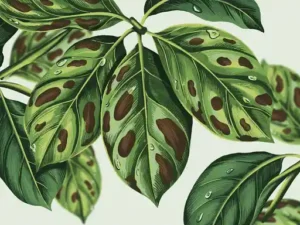
Understanding why your avocado leaves are developing dark spots is the first step toward restoring your plant’s vitality. From subtle discolorations to prominent black patches, these blemishes can stem from a variety of issues, ranging from common fungal infections and pesky insect infestations to environmental stressors and nutrient imbalances. Ignoring these signs can lead to further plant decline, impacting growth and fruit production.
This comprehensive guide will walk you through the most common causes of dark spots on avocado leaves, providing you with the knowledge to accurately diagnose the problem and implement effective solutions. We’ll cover everything from identifying specific diseases and pests to adjusting environmental factors and nutrient regimens. By the end, you’ll be equipped with the expertise to keep your avocado tree thriving and its foliage vibrant and spot-free.
Understanding Dark Spots On Avocado Leaves: The Basics
When you observe dark spots on avocado leaves, you’re looking at symptoms rather than a disease itself. These spots can vary significantly in appearance – they might be small, pinpoint dots, large blotches, or even appear as burnt edges that eventually darken. Their color can range from brown to black, and their texture might be dry and crispy, soft and mushy, or even powdery.
Why do these spots matter? Healthy leaves are crucial for a plant’s survival. They are the primary sites for photosynthesis, the process by which plants convert sunlight into energy. When a significant portion of the leaf tissue is damaged by dark spots, the plant’s ability to photosynthesize is reduced, leading to:
- Stunted Growth: Less energy means less new growth.
- Reduced Fruit Yield: A weakened plant may produce fewer or smaller avocados.
- Increased Susceptibility: A stressed plant is more vulnerable to other diseases and pests.
- Leaf Drop: Severely affected leaves may prematurely fall off, further weakening the tree.
Early detection and accurate diagnosis are key to effectively treating and preventing the spread of whatever is causing those dark spots on avocado leaves.
Common Causes of Dark Spots On Avocado Leaves
The array of factors that can lead to dark spots on avocado leaves can be overwhelming, but by categorizing them, we can systematically approach diagnosis.
Fungal Diseases
Fungal infections are among the most frequent culprits behind dark spots. They thrive in specific conditions, often involving high humidity and poor air circulation.
- Anthracnose (Colletotrichum gloeosporioides): This is perhaps the most common fungal disease affecting avocado trees.
- Symptoms: Starts as irregular, dark brown to black spots on leaves, often surrounded by a yellowish halo. These spots can enlarge and merge, leading to extensive leaf damage. In severe cases, the fungus can also affect fruit and twigs.
- Conditions: Favors warm, humid, and wet conditions. Poor air circulation exacerbates the problem.
- Treatment: Prune infected branches and leaves, improve air circulation, avoid overhead watering, and apply copper-based fungicides or neem oil.
- Cercospora Leaf Spot (Cercospora purpurea):
- Symptoms: Appears as small, angular, brown spots, often with indefinite margins, that eventually turn purplish-brown to black. The spots might be more noticeable on the underside of the leaves.
- Conditions: Also thrives in warm, humid weather.
- Treatment: Similar to anthracnose – sanitation, improved air circulation, and fungicides.
- Root Rot (Phytophthora cinnamomi): While primarily affecting roots, its symptoms manifest on leaves.
- Symptoms: Leaves wilt, turn pale green or yellow, and then develop dark, necrotic areas, particularly along the margins or tips. The entire tree might show signs of decline.
- Conditions: Caused by overly wet, poorly drained soil, which suffocates roots and creates an anaerobic environment where the fungus thrives.
- Treatment: Improve drainage, avoid overwatering, and in severe cases, fungicides specifically for Phytophthora. Prevention is key.
Pest Infestations
Tiny insects can cause significant damage, often leading to discoloration and dark spots on avocado leaves as they feed.
- Spider Mites:
- Symptoms: Tiny yellow or bronze stippling on the leaves, which can later turn into larger brown or dark necrotic spots. Fine webbing might be visible on the undersides of leaves or between branches.
- Conditions: Thrive in hot, dry conditions.
- Treatment: Rinse leaves with water, use insecticidal soap, neem oil, or introduce beneficial predatory mites.
- Thrips:
- Symptoms: Cause silvery or grayish patches on leaves, which can then darken as the damaged tissue dies. You might see tiny black specks (their droppings) on the leaves.
- Conditions: Common in warm, dry weather.
- Treatment: Insecticidal soap, neem oil, or sticky traps.
Environmental Stressors
Avocado trees are sensitive to their environment. Extreme conditions can easily lead to dark spots on avocado leaves.
- Sunburn/Heat Stress:
- Symptoms: Brown or black scorched patches, often on leaves directly exposed to intense sunlight, particularly on young trees or those moved from shade to full sun too quickly.
- Conditions: Prolonged exposure to intense sun and high temperatures.
- Prevention: Provide partial shade during extreme heat, gradually acclimate trees to full sun.
- Cold Damage:
- Symptoms: Leaves turn dark, water-soaked, and then shrivel and blacken, especially at the tips and edges.
- Conditions: Temperatures dropping below freezing, even for short periods.
- Prevention: Protect young trees with covers or move potted plants indoors during cold snaps. Choose cold-hardy varieties if planting outdoors in cooler zones.
- Water Stress (Under or Overwatering):
- Symptoms: Both extremes can cause leaf discoloration. Underwatering leads to crispy brown or black tips and edges that spread inward. Overwatering (often leading to root rot) causes leaves to yellow, wilt, and develop dark, mushy spots or overall browning.
- Conditions: Inconsistent watering, poorly draining soil, or soil that stays waterlogged.
- Prevention: Water deeply and infrequently, allowing the top few inches of soil to dry out between waterings. Ensure excellent drainage.
- Wind Burn:
- Symptoms: Leaves develop brown, crispy, or dark patches, particularly along the edges, mimicking sunburn or cold damage.
- Conditions: Exposure to strong, persistent winds.
- Prevention: Plant in a sheltered location or provide windbreaks for young trees.
Nutrient Deficiencies or Toxicity
An imbalance in essential nutrients can manifest as dark spots on avocado leaves.
- Salt Buildup/Toxicity:
- Symptoms: The most common cause of “tip burn” on avocado leaves, where leaf tips and margins turn brown, then black and crispy. This can spread inwards, creating dark spots.
- Conditions: Caused by excessive salts from fertilizers, irrigation water, or natural soil salinity. Avocado trees are particularly sensitive to chloride toxicity.
- Prevention: Flush soil regularly with plain water, use low-salt fertilizers, and ensure good drainage. Use filtered water if tap water is high in salts.
- Potassium Deficiency:
- Symptoms: Older leaves may develop yellowing along the margins, followed by necrotic (dark brown to black) spots and crisping of the edges.
- Conditions: Soil lacking sufficient potassium.
- Treatment: Apply a balanced fertilizer or one higher in potassium.
Diagnosing Dark Spots On Avocado Leaves: A Step-by-Step Approach
Effective treatment begins with accurate diagnosis. Here’s how to become a detective for your avocado tree:
- Observe the Pattern and Location:
- Are the spots on older or newer leaves? (e.g., nutrient deficiencies often show on older leaves first).
- Are they on the tips, margins, or scattered throughout the leaf? (e.g., tip burn for salt toxicity, scattered for fungal).
- Are they on leaves facing the sun or in the shade? (e.g., sunburn).
- Examine the Spots Closely:
- What color are they (brown, black, purplish-brown)?
- What is their texture (dry, crispy, mushy, powdery)?
- Do they have distinct margins or a yellow halo?
- Check for Pests: Use a magnifying glass to inspect the undersides of leaves and stems for tiny insects, eggs, or webbing.
- Review Your Watering Habits: Are you watering too much, too little, or inconsistently? Check the soil moisture several inches down.
- Assess Environmental Conditions:
- Has there been a recent heatwave, cold snap, or strong winds?
- Is the tree getting too much direct sun or not enough?
- Is humidity consistently high or low?
- Consider Soil and Nutrients:
- When was the last time you fertilized? With what?
- Is your soil well-draining?
- A soil test can reveal pH imbalances or nutrient deficiencies/toxicities.
Effective Treatments and Prevention for Dark Spots On Avocado Leaves
Once you’ve narrowed down the cause of the dark spots on avocado leaves, you can implement targeted solutions.
Cultural Practices
These are fundamental for overall plant health and preventing many issues.
- Proper Watering: Water deeply and thoroughly when the top 2-3 inches of soil are dry. Avoid frequent, shallow watering. For potted plants, ensure water drains out of the bottom.
- Excellent Drainage: Plant in well-draining soil, potentially amending heavy clay soils with organic matter. For pots, use a potting mix specifically designed for good drainage and always use pots with drainage holes.
- Adequate Light: Avocado trees prefer full sun (6-8 hours daily), but young trees may need protection from intense afternoon sun.
- Pruning for Air Circulation: Remove dead, diseased, or crossing branches to improve air flow within the canopy, which helps prevent fungal diseases. Always sterilize pruning tools between cuts.
- Balanced Fertilization: Use a fertilizer formulated for citrus or avocado trees, following package directions. Avoid over-fertilizing, which can lead to salt buildup.
- Soil pH Management: Avocado trees prefer slightly acidic soil (pH 6.0-6.5). A soil test can help determine if adjustments are needed.
- Salt Leaching: If salt buildup is suspected, periodically drench the soil with plain water (2-3 times the pot volume for potted plants) to flush out excess salts.
Organic and Chemical Solutions
- Fungicides: For confirmed fungal infections like anthracnose, copper-based fungicides can be effective. Neem oil is also a good organic option with fungicidal properties. Always follow product instructions carefully.
- Pesticides: For mites, thrips, and other pests, insecticidal soaps or horticultural oils are often sufficient and less harmful to beneficial insects. Neem oil also acts as an insecticide. For severe infestations, targeted chemical insecticides may be necessary, but use them cautiously and as a last resort.
- Biological Controls: Introducing beneficial insects (e.g., predatory mites for spider mites) can be an excellent long-term solution for pest management.
When to Call an Expert
While many issues causing dark spots on avocado leaves can be managed by home growers, there are times when professional help is advisable:
- If the problem persists or worsens despite your best efforts.
- If the entire tree shows rapid decline, suggesting a severe underlying issue like root rot.
- If you suspect a rare or highly destructive disease that you cannot identify.
- For large, established trees where extensive pruning or specialized treatment is required.
A certified arborist or local agricultural extension office can provide expert diagnosis and tailored advice for your specific situation.
Recommended Products
XLUX T3 Soil Moisture Meter
A simple yet effective tool to accurately measure soil moisture levels, helping you avoid both over and underwatering which are common causes of dark spots on avocado leaves.
Organic Cold-Pressed Neem Oil
A versatile organic solution for both preventing and treating a range of fungal diseases and common pests like spider mites and thrips, often responsible for dark spots on avocado leaves.
Avocado Tree Fertilizer
Specifically formulated to provide the essential nutrients avocado trees need, helping to prevent deficiencies that can lead to leaf discoloration and dark spots, promoting robust growth and fruit production.
FAQ Section
Q1: Are dark spots on avocado leaves always a bad sign?
While dark spots on avocado leaves are often an indication of a problem, they aren’t always a dire emergency. Minor spots, especially on older leaves, can sometimes be due to slight environmental fluctuations or the natural aging process. However, if the spots are spreading rapidly, affecting new growth, or accompanied by other symptoms like wilting or leaf drop, it’s crucial to investigate and act promptly.
Q2: Can I still eat avocados from a tree with spotted leaves?
In most cases, yes, you can still safely eat avocados from a tree that has dark spots on its leaves. The spots usually indicate a problem with the plant’s health or environment, not necessarily that the fruit itself is contaminated. However, if the spots are caused by a severe fungal infection like anthracnose that has spread to the fruit, or if the tree is generally unhealthy and stressed, the fruit quality might be reduced, or it might rot prematurely. Always inspect the fruit for signs of disease before consumption.
Q3: How often should I water my avocado tree to prevent dark spots?
The ideal watering frequency for an avocado tree depends on various factors including climate, soil type, pot size, and the tree’s age. Generally, it’s best to water deeply and infrequently. Allow the top 2-3 inches of soil to dry out completely before watering again. Overwatering is a common cause of root rot, which leads to dark spots and overall plant decline. A soil moisture meter can be a very helpful tool to accurately gauge when to water, preventing both underwatering and overwatering.
Q4: What’s the best way to prevent fungal dark spots on avocado leaves?
Prevention of fungal dark spots on avocado leaves primarily involves good cultural practices. Ensure excellent air circulation around and through the tree by proper spacing and pruning. Avoid overhead watering, which keeps leaves wet and promotes fungal growth; instead, water at the base of the plant. Maintaining optimal soil drainage and avoiding overly humid conditions also significantly reduce the risk of fungal infections. Organic options like regular applications of neem oil can also act as a preventative measure.
Q5: Is it normal for older avocado leaves to have some dark spots?
Yes, it’s somewhat normal for older avocado leaves to show some minor imperfections, including small dark spots or browning, as they age and prepare to drop. These leaves have been exposed to the elements longer and are less efficient at photosynthesis. However, if the dark spots are extensive, rapidly spreading, or appearing on newer leaves, it indicates an underlying problem that needs attention.
Q6: Can too much sun cause dark spots on avocado leaves?
Absolutely. Too much direct, intense sunlight, especially during hot afternoons or when a tree is not properly acclimatized, can cause sunburn. Sunburn manifests as brown or black scorched patches on the leaves, which can look like dark spots. Young avocado trees are particularly susceptible. Providing some partial shade during the hottest part of the day, or gradually moving potted plants into brighter light, can help prevent this.
Conclusion
Encountering dark spots on avocado leaves can be disheartening for any plant enthusiast, but it’s a common challenge that with the right knowledge, can be effectively managed. Remember, these spots are your plant’s way of communicating distress, whether it’s battling a fungal invader, struggling with environmental stress, or yearning for specific nutrients.
The key to a thriving avocado tree lies in careful observation and proactive care. By systematically diagnosing the problem – checking for pests, assessing your watering routine, analyzing environmental conditions, and considering nutrient needs – you can pinpoint the exact cause of those troublesome spots. Implementing appropriate solutions, from improving cultural practices like proper watering and air circulation to using targeted organic or chemical treatments, will help restore your tree’s health and vigor.
Don’t be discouraged by a few spots; view them as an opportunity to learn and grow as a plant parent. With patience, consistent care, and the insights from this guide, you’ll be well on your way to enjoying a beautiful, productive avocado tree with lush, vibrant foliage. Happy growing!