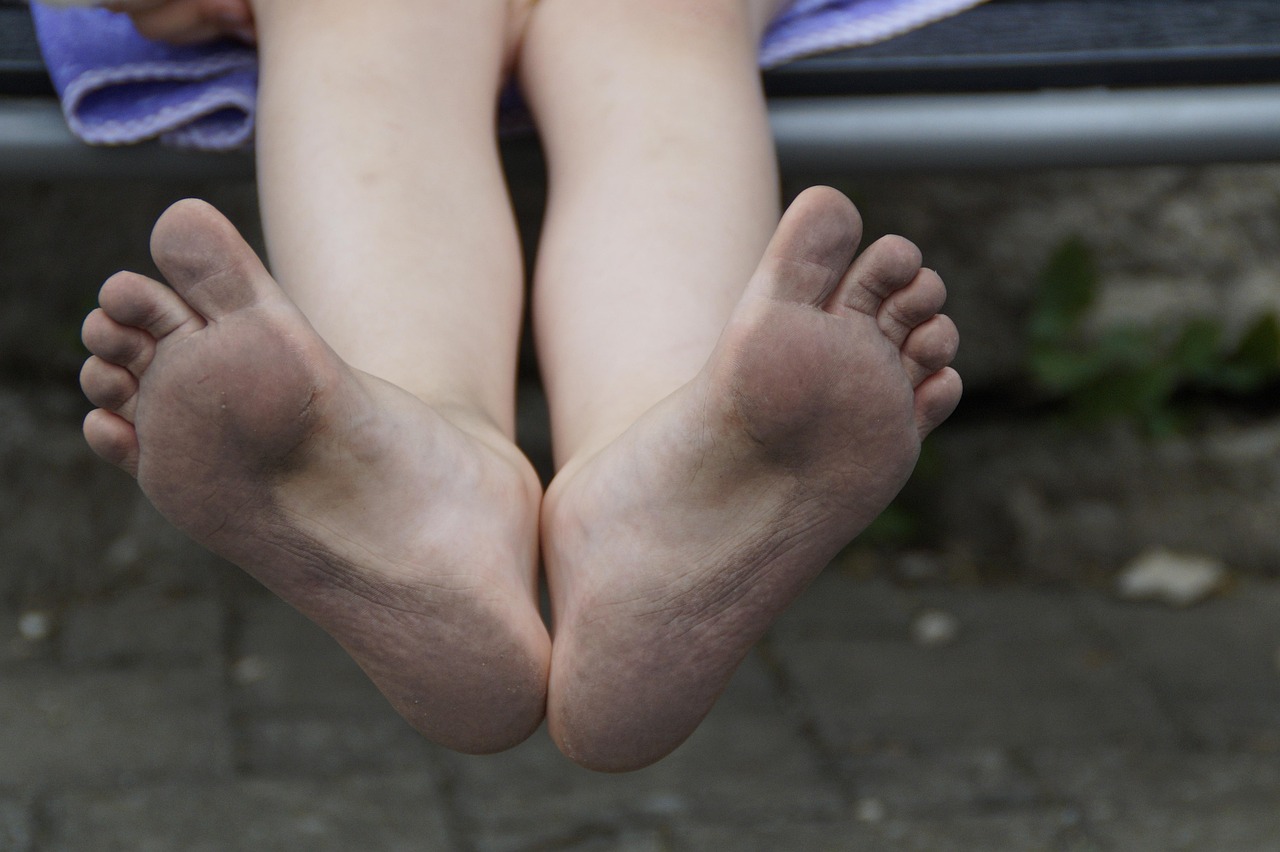
Discovering a dark spot on the bottom of your foot can be an unsettling experience. Our feet, often out of sight, bear the brunt of our daily activities, and any unusual change can spark concern. While many black spots on feet are harmless, some can signal underlying issues that warrant attention. The unique skin on the sole of your foot – thicker and exposed to constant pressure and friction – can react differently than skin elsewhere on your body.

This comprehensive guide will walk you through the various reasons you might develop pigmented lesions on the foot, from common everyday occurrences to more serious conditions. We’ll explore everything from simple bruises and warts to moles and, importantly, when a dark patch on the sole of your foot might require professional medical evaluation. Our aim is to provide you with clear, actionable information to help you understand what might be causing that discoloration on your foot and empower you to take appropriate steps for your foot health.
Understanding Dark Spots On Bottom Of Foot: A Common Concern
The skin on the bottom of your foot, known as the plantar surface, is distinct. It’s designed for durability and protection, making it thicker and less prone to sunburn than other areas, yet it’s constantly subjected to pressure, friction, and potential trauma. These factors can lead to a variety of changes, including the appearance of dark spots on the bottom of the foot. It’s crucial not to ignore these spots, as their cause can range from completely benign to potentially serious, requiring prompt medical evaluation.
Common Causes of Dark Spots On Bottom Of Foot
Let’s delve into the most frequent culprits behind those mysterious dark spots on the bottom of your foot.
Bruises and Trauma
One of the most common reasons for a black spot on the sole of your foot is a bruise. This can result from:
- Impact: Stepping on a hard object, dropping something on your foot.
- Repetitive Stress: High-impact sports, prolonged walking or running in ill-fitting shoes.
- New Footwear: Shoes that rub or press excessively on a particular area.
Bruises appear when small blood vessels under the skin rupture, leading to blood pooling. They typically start reddish-blue, then turn purple, green, and yellow as they heal. They are often tender to the touch. Most bruises resolve on their own within a couple of weeks.
Plantar Warts (with Hemorrhage)
Plantar warts, caused by the human papillomavirus (HPV), are common on the bottom of the foot. While typically flesh-colored, they can develop tiny black dots within them. These dots are actually thrombosed (clotted) capillaries, which are blood vessels that have grown into the wart. The pressure of walking can cause these capillaries to bleed, resulting in a dark, speckled appearance. Plantar warts can be painful, especially when pressure is applied.
Hyperpigmentation (Post-Inflammatory Hyperpigmentation – PIH)
Post-inflammatory hyperpigmentation (PIH) occurs when the skin produces excess melanin after inflammation or injury. On the bottom of the foot, this could be triggered by:
- Friction: Constant rubbing from shoes or socks.
- Eczema or Dermatitis: Inflammatory skin conditions.
- Fungal Infections: Certain infections can cause irritation and subsequent darkening.
- Healed Wounds: Even minor cuts or scrapes can leave a brown spot after the injury heals.
PIH typically appears as flat, brownish patches that correspond to the area of previous inflammation.
Moles (Nevi)
Moles, or nevi, are common growths on the skin that can appear anywhere on the body, including the bottom of your feet. They are typically small, round or oval, and uniform in color (brown, black, or tan). Most moles are benign and present from birth or develop during childhood and adolescence. However, it’s particularly important to monitor moles on the feet, as they can sometimes be difficult to distinguish from more serious conditions.
Fungal Infections (e.g., Tinea Nigra)
While less common, certain fungal infections can cause dark discoloration on the foot. Tinea nigra is a rare, superficial fungal infection that typically manifests as a solitary, irregular, non-scaly brown or black patch. It’s often mistaken for melanoma due to its appearance but is usually asymptomatic and harmless. Other fungal infections like athlete’s foot (tinea pedis) can also lead to inflammation and subsequent PIH, resulting in darker areas.
Blood Blisters
Similar to bruises, blood blisters form when friction or pressure causes the separation of skin layers, and blood vessels rupture, filling the space with blood. These are often caused by ill-fitting shoes, new intense activities, or prolonged standing/walking. They appear as raised, dark red to black fluid-filled sacs. It’s generally best not to pop them, as the intact skin provides a sterile protective barrier.
Foreign Objects
A small splinter, a piece of glass, or a tiny metal shard embedded in the skin can appear as a small dark speck on the foot. These can sometimes be mistaken for moles or other lesions. They are often painful, especially when pressure is applied, and may be surrounded by slight redness or inflammation.
When to Be Concerned: Red Flags and Medical Attention
While many dark spots on the bottom of the foot are benign, some can be a sign of something more serious. It’s crucial to be aware of the warning signs that warrant immediate medical attention.
Melanoma (Acral Lentiginous Melanoma – ALM)
The most serious concern for a dark spot on the sole of your foot is melanoma, particularly a type called Acral Lentiginous Melanoma (ALM). While rare, ALM is the most common type of melanoma found on the palms, soles, and under the nails, especially in individuals with darker skin tones. It often presents as a flat, irregular brown or black patch that slowly grows.
Use the ABCDE rule to help identify suspicious lesions:
- A – Asymmetry: One half of the spot doesn’t match the other.
- B – Border irregularity: The edges are ragged, notched, or blurred.
- C – Color variation: The color is not uniform and may include shades of brown, black, tan, red, white, or blue.
- D – Diameter: While melanomas can be smaller, they are often greater than 6 millimeters (about the size of a pencil eraser) when diagnosed.
- E – Evolving: The mole or spot is changing in size, shape, color, or elevation, or any new symptoms like bleeding, itching, or crusting appear.
If you notice any of these signs, especially if a new dark spot on your foot appears or an existing one changes, seek professional medical advice immediately.
The Importance of Professional Diagnosis
Self-diagnosis can be misleading and dangerous. Only a qualified healthcare professional, such as a podiatrist or dermatologist, can accurately diagnose the cause of a dark spot on the bottom of your foot. They can perform a thorough examination, which may include using a dermatoscope (a specialized magnifying tool) or taking a biopsy for laboratory analysis. Early detection is critical for treating serious conditions like melanoma effectively.
Practical Advice and Home Care for Dark Spots On Bottom Of Foot
For benign dark spots on the bottom of your foot, there are several steps you can take for care and prevention.
Observation and Monitoring
For any new or existing pigmented lesion on your foot, regular self-checks are vital. Take clear photos of the spot with a ruler next to it for scale. Note the date and any changes in a journal. This documentation can be incredibly helpful for your doctor if you need to seek professional advice.
Foot Hygiene and Protection
- Proper Footwear: Wear well-fitting shoes that don’t rub or cause excessive pressure. Choose breathable materials.
- Protective Socks: Opt for moisture-wicking socks that cushion your feet and reduce friction.
- Daily Foot Checks: Make it a habit to inspect your feet regularly, especially after activities.
- Cleanliness: Wash your feet daily with mild soap and water, and dry them thoroughly to prevent fungal infections.
Addressing Specific Benign Causes
- Bruises/Blood Blisters: Rest, elevate your foot, and apply a cold compress to reduce swelling. Protect blisters with a bandage; avoid popping them.
- Friction-Induced Darkening (PIH): Ensure proper footwear and socks. Gentle exfoliation with a pumice stone (on softened skin) can help, followed by moisturizing. Look for creams with ingredients like alpha hydroxy acids or niacinamide, but consult a professional for persistent PIH.
- Plantar Warts: Over-the-counter salicylic acid treatments can be effective. If persistent or painful, consult a podiatrist for removal.
When to Avoid Home Remedies
Never attempt to cut, scratch, or try to “burn off” a suspicious dark spot on your foot. This can cause infection, scarring, and, most importantly, delay a proper diagnosis for potentially serious conditions like melanoma, making treatment more difficult.
Recommended Products
Moisturizing Foot Cream for Sensitive Skin
Keeping the skin on your feet hydrated and supple can help prevent dryness and friction that lead to irritation and hyperpigmentation.
Cushioned, Moisture-Wicking Socks
High-quality socks reduce friction and absorb moisture, preventing blisters, irritation, and potential dark spots from trauma.
Long-Handled Inspection Mirror
A simple tool to help you regularly check the bottom of your feet, especially hard-to-see areas, for any changes or new spots.
Gentle Pumice Stone or Foot File
Used carefully on wet, softened skin, this can help gently remove dead skin cells and reduce thickening that might contribute to hyperpigmentation.
Frequently Asked Questions About Dark Spots On Bottom Of Foot
Q1: Can dark spots on the bottom of my foot be a sign of cancer?
Yes, potentially. While many dark spots on the bottom of the foot are benign, a rare but serious form of skin cancer called Acral Lentiginous Melanoma (ALM) can appear on the soles. It’s crucial to monitor any spot for changes in size, shape, color, or if it bleeds or itches, and to seek professional medical evaluation for suspicious lesions.
Q2: How do I tell a bruise from a mole on my foot?
A bruise typically appears after an injury, may be tender, and changes color (blue, purple, green, yellow) as it heals, usually disappearing within a few weeks. A mole, on the other hand, is a skin growth that remains stable over time (unless it’s changing, which warrants concern) and is generally not tender unless irritated. If unsure, especially if the spot doesn’t fade, consult a doctor.
Q3: Are dark spots on feet common?
Yes, to some extent. Small, benign moles can appear on the feet, and temporary dark spots from bruises, blood blisters, or post-inflammatory hyperpigmentation are quite common due to daily wear and tear. However, any new, rapidly changing, or symptomatic dark spot on the foot should always be checked by a professional.
Q4: What should I do if a dark spot on my foot changes?
If you notice any changes in size, shape, color, border, or elevation, or if a spot starts to itch, bleed, or become painful, you should schedule an appointment with a dermatologist or podiatrist immediately. These could be warning signs of melanoma or another serious condition requiring prompt diagnosis and treatment.
Q5: Can friction cause dark spots on the bottom of my foot?
Absolutely. Constant friction from ill-fitting shoes, strenuous activity, or even repetitive rubbing can lead to irritation and inflammation. This can trigger post-inflammatory hyperpigmentation (PIH), where the skin produces excess melanin, resulting in flat, brownish dark patches on the sole of your foot.
Q6: How can I prevent dark spots on my feet?
While not all dark spots are preventable, you can reduce your risk by wearing well-fitting, supportive shoes and moisture-wicking socks to minimize friction and trauma. Regularly inspect your feet for any changes, practice good foot hygiene, and protect your feet from injury. For conditions like plantar warts, avoid walking barefoot in public areas.
Conclusion
Discovering a dark spot on the bottom of your foot can certainly be alarming, but as we’ve explored, there’s a wide spectrum of possible causes. From common bruises and friction-induced discoloration to warts and moles, many of these spots are harmless. However, it’s equally important to recognize that some, albeit rarer, can signal a more serious underlying health issue, such as melanoma.
The key takeaway is to never ignore a suspicious dark spot on your foot. Regular self-examination, paying close attention to the ABCDEs of melanoma, and seeking professional medical advice for any new, changing, or concerning lesion are paramount. A podiatrist or dermatologist has the expertise to accurately diagnose the cause and recommend the appropriate course of action, providing you with peace of mind or timely intervention. Prioritize your foot health – it’s an essential part of your overall well-being!