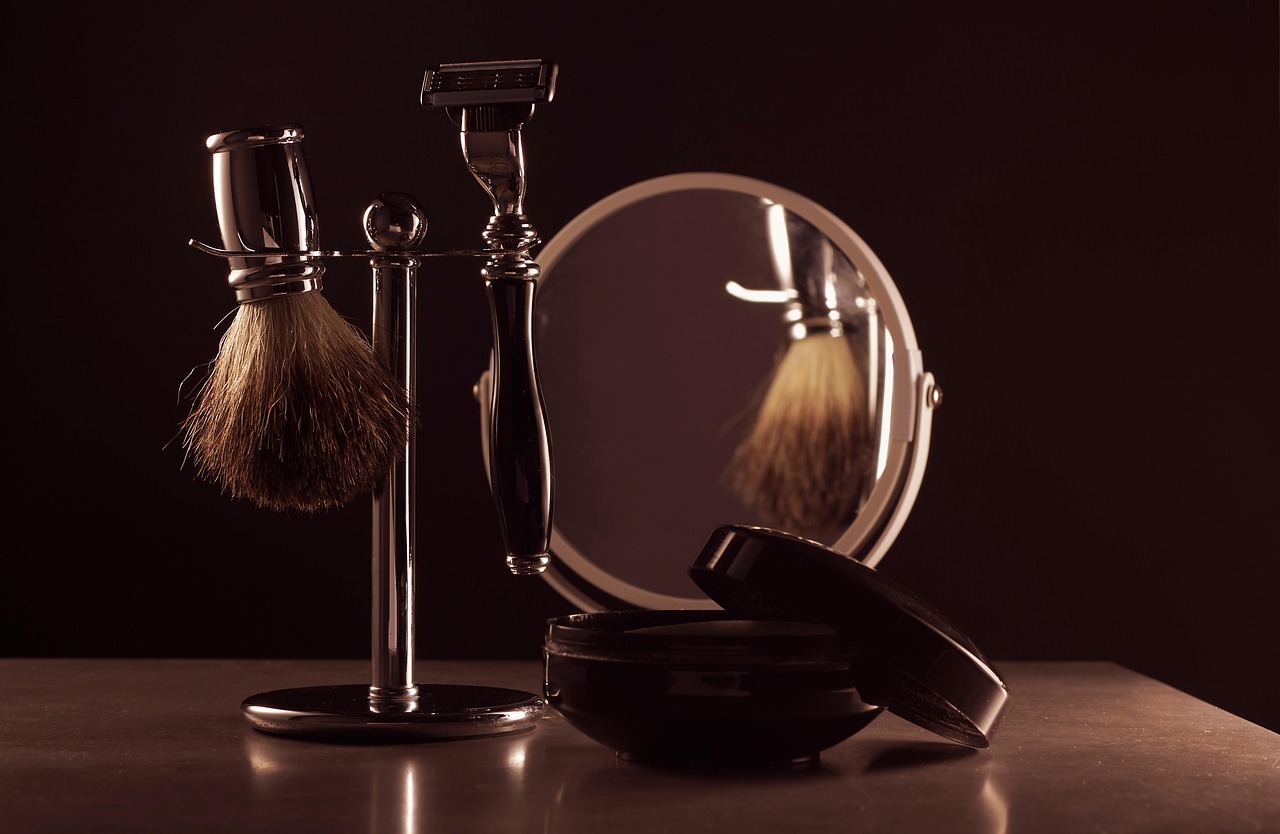
There’s nothing quite like the feeling of a fresh, clean shave. Your skin feels smooth, you look sharp, and you’re ready to take on the day. But that confidence can quickly fade when you look in the mirror a day or two later and see a constellation of dark spots marring your jawline, neck, or cheeks. It’s a frustrating and common problem that can make you feel like you’re trading one issue (stubble) for another (discoloration). If you’re tired of dealing with these stubborn marks, you’re in the right place.
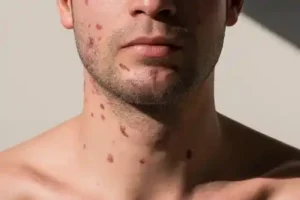
The appearance of dark spots on face after shaving is not just a random annoyance; it’s your skin’s reaction to the process of shaving itself. These spots, medically known as post-inflammatory hyperpigmentation (PIH), can affect anyone, regardless of skin type or gender. The good news is that they are both preventable and treatable. This comprehensive guide will walk you through exactly what causes these dark spots, provide a step-by-step plan to prevent them, and outline the best methods and ingredients to fade the ones you already have. Get ready to reclaim your smooth, even-toned skin.
What Causes Dark Spots On Face After Shaving?
Understanding the root cause of these dark spots is the first step toward defeating them. The marks you see are not scars or permanent damage; they are a direct result of skin inflammation. Let’s break down the science behind it.
The Main Culprit: Post-Inflammatory Hyperpigmentation (PIH)
At its core, the issue is Post-Inflammatory Hyperpigmentation, or PIH. This is a technical term for what happens when your skin produces extra melanin (the pigment that gives skin its color) in response to some form of irritation, inflammation, or injury. Think of it as your skin’s defense mechanism overreacting.
When you shave, you are essentially scraping a sharp blade across your skin. This action, even when done carefully, can cause micro-trauma and inflammation. In response, your skin’s pigment-producing cells, called melanocytes, go into overdrive and deposit excess melanin in the affected areas. This results in the dark spots or patches you see after the initial redness and irritation have subsided.
Common Triggers from Your Shaving Routine
Several specific aspects of shaving can trigger this inflammatory response and lead to PIH. Recognizing these triggers is crucial for prevention.
- Razor Bumps (Pseudofolliculitis Barbae): This is one of the most common causes, especially for individuals with curly or coarse hair. Razor bumps occur when a shaved hair curls back and grows into the skin instead of out of the follicle. The body perceives this ingrown hair as a foreign object, leading to inflammation, bumps, and, consequently, dark spots.
- Ingrown Hairs: Similar to razor bumps, an ingrown hair gets trapped beneath the skin’s surface. This can cause a painful, pimple-like bump that becomes inflamed and often leaves a dark mark behind long after the hair is gone.
- Aggressive Shaving Technique: Using too much pressure, making multiple passes over the same area, or stretching the skin too tightly can cause significant irritation. This “razor burn” is a form of inflammation that directly contributes to hyperpigmentation.
- Using a Dull Blade: A dull razor doesn’t cut the hair cleanly; it pulls and tugs at it. This yanking action irritates the hair follicle and the surrounding skin, creating the perfect environment for inflammation and dark spots.
- Dry Shaving: Shaving without proper lubrication from a quality cream or gel is a recipe for disaster. It maximizes friction and scrapes away the top layer of your skin, causing severe irritation and PIH.
The Ultimate Prevention Plan: How to Stop Shaving Dark Spots Before They Start
The best way to treat dark spots from shaving is to prevent them from ever forming. This requires adopting a mindful and deliberate shaving routine. It’s not about speed; it’s about technique and proper care. Follow these steps for a smoother, clearer shave.
Step 1: Prepare Your Skin (The Pre-Shave)
What you do before the razor even touches your face is just as important as the shave itself.
- Cleanse Your Face: Start by washing your face with a gentle, non-stripping cleanser and warm water. This removes dirt, oil, and bacteria that could cause infection or irritation in freshly shaved follicles.
- Exfoliate Regularly (But Not Right Before Shaving): Exfoliation is key to preventing ingrown hairs. It sloughs off dead skin cells that can trap hairs under the surface. Aim to exfoliate 2-3 times per week. Chemical exfoliants containing Alpha Hydroxy Acids (AHAs) like glycolic acid or Beta Hydroxy Acids (BHAs) like salicylic acid are often more effective and less abrasive than harsh physical scrubs.
- Soften the Hairs: Spend a few minutes in a warm shower or apply a warm, damp towel to your face before shaving. The warmth and moisture soften the hair and skin, allowing the razor to glide more easily and reducing the chance of pulling.
Step 2: Master the Shave Itself
Technique is everything. A few small adjustments can make a world of difference.
- Use a Sharp, Clean Blade: This is non-negotiable. A dull blade is a primary cause of irritation. Replace your blade or disposable razor every 5-7 shaves, or sooner if you feel any tugging.
- Apply a Quality Shaving Cream or Gel: Ditch the cheap foam. Invest in a lubricating shaving cream or gel that creates a protective barrier between the blade and your skin. Look for soothing ingredients like aloe vera or glycerin.
- Shave With the Grain: Determine the direction your hair grows and shave in that same direction. Shaving against the grain gives a closer shave but dramatically increases the risk of razor bumps, ingrown hairs, and irritation.
- Use Light, Gentle Strokes: Let the razor do the work. There’s no need to press down hard. Use short, light strokes to minimize friction and irritation.
- Rinse the Blade Often: Rinse your razor with hot water after every stroke. This keeps it free of hair and cream, ensuring a clean and efficient cut every time.
Step 3: Perfect Your Post-Shave Care
Your skin is vulnerable after shaving. The final steps of your routine are about calming, hydrating, and protecting it.
- Rinse with Cool Water: After you’re done shaving, rinse your face with cool water. This helps to soothe the skin and close up your pores.
- Pat, Don’t Rub: Gently pat your face dry with a clean, soft towel. Rubbing can cause unnecessary friction and irritation.
- Apply a Soothing Aftershave Balm: Avoid alcohol-based aftershaves that sting and dry out the skin. Instead, use a hydrating, alcohol-free balm or a lightweight moisturizer to calm inflammation and restore the skin’s moisture barrier.
- Use Sunscreen Daily: This is perhaps the most critical step for preventing and treating dark spots. Sun exposure makes PIH significantly darker and last longer. Apply a broad-spectrum sunscreen with at least SPF 30 every single morning, even on cloudy days.
How to Treat Existing Dark Spots from Shaving
If you already have dark spots, don’t worry. With a consistent skincare routine featuring the right ingredients, you can significantly fade them over time.
Key Ingredients to Look For in Skincare Products
Incorporate serums or treatments with these powerhouse ingredients into your daily routine (usually applied after cleansing and before moisturizing).
- Niacinamide (Vitamin B3): A fantastic all-rounder. It helps reduce inflammation, strengthens the skin barrier, and is known to inhibit the transfer of pigment within the skin, which helps lighten dark spots.
- Vitamin C: A potent antioxidant that protects the skin from environmental damage and works to brighten the overall complexion by inhibiting melanin production.
- Retinoids (Retinol, Tretinoin): These Vitamin A derivatives are champions of skin cell turnover. They speed up the process of shedding old, pigmented skin cells and bringing fresh, new cells to the surface. Start with a low-concentration over-the-counter retinol and use it only at night.
- Azelaic Acid: This gentle acid has anti-inflammatory properties and specifically targets hyperpigmentation by slowing down melanin production. It’s a great option for sensitive skin.
- Alpha Hydroxy Acids (AHAs): Ingredients like glycolic acid and lactic acid work by exfoliating the top layer of the skin, helping to fade surface-level dark spots and improve skin texture.
Patience is key. It can take anywhere from 3 to 6 months of consistent use to see significant improvement in hyperpigmentation.
Professional Treatments for Stubborn Spots
If over-the-counter products aren’t giving you the results you want, it may be time to consult a board-certified dermatologist. They can recommend professional treatments such as:
- Chemical Peels: A stronger concentration of acids is applied to the skin to deeply exfoliate and reduce pigmentation.
- Microneedling: Creates micro-injuries in the skin to stimulate collagen production and help break up pigment.
- Laser Therapy: Certain lasers can target and destroy excess melanin in the skin without harming the surrounding tissue.
Recommended Products to Combat Shaving Dark Spots
Building the right routine can feel overwhelming. Here are some highly-regarded products that contain the beneficial ingredients mentioned above and can help you on your journey to clearer skin.
CeraVe Hydrating Facial Cleanser
A gentle, non-foaming cleanser that effectively cleans without stripping the skin’s natural moisture barrier, crucial for preventing irritation.
Paula’s Choice 2% BHA Liquid Exfoliant
This cult-favorite salicylic acid exfoliant unclogs pores and smooths texture, helping to prevent the ingrown hairs that lead to dark spots.
The Ordinary Niacinamide 10% + Zinc 1%
An affordable and effective serum for tackling dark spots, reducing inflammation, and controlling excess oil.
Nivea Men Sensitive Post Shave Balm
A classic, alcohol-free balm that instantly soothes post-shave irritation with chamomile and Vitamin E, helping to prevent inflammation.
EltaMD UV Clear Broad-Spectrum SPF 46
A dermatologist-recommended sunscreen that’s lightweight, non-greasy, and contains niacinamide to help protect and treat hyperpigmentation.
Frequently Asked Questions (FAQ)
How long does it take for dark spots from shaving to fade?
The timeline varies depending on the darkness of the spot and your skin’s natural cell turnover rate. With a consistent treatment routine and daily sun protection, you can typically see noticeable fading in 3 to 6 months. Deeper or more stubborn spots might take up to a year to fade completely.
Can shaving with an electric razor prevent dark spots?
For some people, yes. Electric razors don’t cut as close to the skin as blade razors. This can be beneficial as it reduces the likelihood of hairs getting trapped beneath the skin and becoming ingrown. If you constantly struggle with razor bumps and PIH, switching to an electric razor or a trimmer is a great option to try.
Are dark spots from shaving permanent?
No, the dark spots caused by shaving (PIH) are generally not permanent. They exist in the upper layers of your skin (the epidermis). With proper care, preventative measures, and targeted treatments, they will fade over time as your skin naturally renews itself. However, continued irritation and sun exposure can make them persist for much longer.
Is it better to use a single-blade or multi-blade razor to avoid dark spots?
This is a topic of debate, but many dermatologists recommend a single-blade safety razor for those prone to irritation and ingrown hairs. Multi-blade razors can cut the hair below the skin’s surface (the “lift and cut” method), which increases the chance of it becoming ingrown. A single, sharp blade provides a clean cut at the surface level, reducing this risk.
Can I use lemon juice or other home remedies to treat these dark spots?
It’s best to avoid home remedies like pure lemon juice. While it contains citric acid (a type of AHA), its pH is very low, making it highly irritating to the skin. Applying it can cause more inflammation and even chemical burns, potentially worsening your hyperpigmentation, especially with sun exposure. Stick to professionally formulated skincare products designed for this purpose.
Conclusion: Your Path to Clearer Skin
Dealing with dark spots on your face after shaving can be incredibly disheartening, but it’s a battle you can win. The solution lies in a two-pronged approach: prevention and treatment. By transforming your shave from a rushed chore into a mindful ritual—focusing on proper preparation, gentle technique, and soothing aftercare you can stop these spots from ever appearing.
For existing marks, consistency with a targeted skincare routine is your greatest ally. Incorporating ingredients like niacinamide, retinoids, and Vitamin C, while diligently applying sunscreen every single day, will accelerate the fading process. Remember, achieving clear, even-toned skin is a marathon, not a sprint. Be patient with your skin, stick to your new routine, and you’ll soon be able to enjoy the confidence that comes with a truly smooth, irritation-free shave.