
Dark spots on the face, medically known as hyperpigmentation, are a common skin concern that can affect individuals of all ages and skin types. Whether they stem from sun exposure, acne scars, or hormonal changes, these unwelcome marks can be notoriously difficult to fade with topical creams alone. For many, the quest for a uniform complexion leads to exploring advanced solutions, and among the most effective is Dark Spots On Face Laser Treatment.
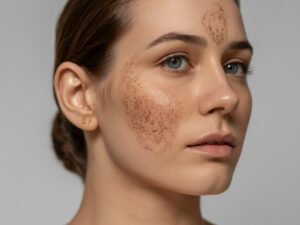
This powerful aesthetic procedure offers a targeted approach to diminish or even eliminate stubborn dark spots, revealing clearer, more radiant skin beneath. But what exactly does it entail? What types of lasers are used, what are the benefits, and what should you expect during and after the process? In this comprehensive guide, we’ll delve deep into everything you need to know about laser treatment for dark spots on face, helping you understand if this advanced solution is the right path for your skin concerns. Get ready to uncover the science, benefits, and practical advice to help you make an informed decision on achieving a more even-toned complexion.
Understanding Dark Spots on the Face
Before diving into treatments, it’s crucial to understand why dark spots appear in the first place. These areas of hyperpigmentation are essentially an overproduction of melanin, the pigment responsible for skin color.
What Causes Facial Dark Spots?
- Sun Exposure (Sun Spots/Age Spots): The most common culprit. UV radiation triggers melanocytes (melanin-producing cells) to create more pigment as a protective mechanism, leading to freckles, sun spots (lentigines), and age spots.
- Post-Inflammatory Hyperpigmentation (PIH): This occurs after an inflammatory skin condition, such as acne, eczema, or even a minor injury. As the skin heals, it can leave behind a darkened patch.
- Melasma: Often referred to as the “mask of pregnancy,” melasma is characterized by larger, blotchy patches of hyperpigmentation, usually on the cheeks, forehead, upper lip, and chin. Hormonal changes (pregnancy, birth control pills) and sun exposure are primary triggers.
- Hormonal Changes: Beyond melasma, other hormonal fluctuations can sometimes contribute to pigment changes.
- Medications: Certain medications can cause photosensitivity, making the skin more prone to dark spots when exposed to the sun.
Why Are Dark Spots So Stubborn?
Dark spots can be incredibly persistent because the excess melanin is often deeply embedded in the skin’s layers. Topical creams containing ingredients like hydroquinone, retinoids, or vitamin C can help, but they often require consistent, long-term use and may not fully resolve deeper or more severe pigmentation. This is where facial dark spot laser removal comes into play, offering a more powerful and precise solution.
Dark Spots On Face Laser Treatment: How It Works
Dark Spots On Face Laser Treatment utilizes concentrated beams of light to target and break down melanin in the skin. The specific type of laser and wavelength used depend on the nature, depth, and color of the dark spot, as well as your skin type.
The Science Behind Laser Therapy
Lasers work on the principle of selective photothermolysis. This means the laser emits light at a specific wavelength that is preferentially absorbed by a target chromophore – in this case, melanin. When the melanin absorbs this light energy, it heats up rapidly and shatters into tiny fragments. These microscopic fragments are then naturally cleared away by the body’s immune system over time, leading to a fading of the dark spot.
Types of Lasers for Dark Spot Removal
Several types of lasers and light-based therapies are effective for treating hyperpigmentation. A qualified dermatologist or aesthetician will determine the best option for your specific concerns:
- Picosecond Lasers (e.g., PicoSure, PicoWay): These are state-of-the-art lasers that deliver ultra-short pulses of energy (trillionths of a second). They are highly effective at shattering melanin into even finer particles, leading to faster clearance and often requiring fewer sessions. They are particularly excellent for stubborn pigmentation and safe for a wider range of skin tones.
- Q-Switched Lasers (e.g., Nd:YAG, Ruby): These lasers deliver high-intensity energy in very short pulses (nanoseconds). They are highly effective at targeting various types of dark spots, including sun spots, age spots, and some forms of melasma. The Nd:YAG laser, in particular, is versatile and can be used on darker skin types with caution.
- Intense Pulsed Light (IPL): While technically not a laser (it uses broad-spectrum light), IPL is often grouped with laser treatments for dark spots. It targets melanin and hemoglobin (redness), making it effective for sun spots, freckles, and general uneven skin tone, often with minimal downtime. It’s less precise than true lasers but can be very beneficial for diffuse pigmentation.
- Fractional Lasers (e.g., Fraxel, CO2 Fractional): These lasers create microscopic treatment zones, leaving surrounding tissue intact. While primarily used for skin texture, wrinkles, and scarring, certain fractional lasers can also improve pigmentation by promoting skin turnover. They are often used for melasma or deeper pigmentation, but usually involve more downtime.
Benefits of Laser Treatment for Dark Spots
Choosing laser removal of dark spots on face offers several distinct advantages over other treatment modalities:
Precision and Effectiveness
Lasers can precisely target the pigmented areas without damaging the surrounding healthy skin. This targeted approach ensures that the energy is concentrated exactly where it’s needed, leading to more effective and consistent results compared to broad-application topical treatments. Many patients see significant improvement after just a few sessions.
Improved Skin Tone and Texture
Beyond just fading dark spots, many laser treatments also stimulate collagen production. This can lead to an overall improvement in skin texture, firmness, and a more radiant, youthful complexion. The skin often appears smoother and more even-toned.
Long-Lasting Results
While new dark spots can form with continued sun exposure, the spots treated with lasers are often permanently removed. With proper sun protection and skincare, the results of dark spots on face laser treatment can be long-lasting, providing a significant boost in confidence and skin clarity.
What to Expect: The Laser Treatment Process
Understanding the journey from consultation to recovery can help ease any anxieties about laser treatment for dark spots.
Initial Consultation and Assessment
Your journey should always begin with a thorough consultation with a board-certified dermatologist or a highly experienced aesthetic practitioner. During this appointment, they will:
- Examine your skin and assess the type, depth, and cause of your dark spots.
- Discuss your medical history, including any medications, allergies, or prior skin treatments.
- Evaluate your skin type and tone to determine the most suitable laser and settings, minimizing risks like post-inflammatory hyperpigmentation.
- Explain the procedure, potential risks, expected results, and the number of sessions likely required.
- Provide pre-treatment instructions, which might include avoiding sun exposure, certain skincare products, or medications.
During the Procedure
On the day of your treatment, your skin will be thoroughly cleansed. A topical numbing cream may be applied to enhance comfort, though many patients find the sensation tolerable without it. You will be given protective eyewear. The practitioner will then use the laser device, moving it systematically over the targeted dark spots. The sensation is often described as a rubber band snap or a quick prickling feeling. The duration of the treatment depends on the size and number of areas being treated, typically ranging from a few minutes to half an hour for the entire face.
Post-Treatment Care and Recovery
Immediate aftercare is crucial for optimal results and to minimize side effects:
- Redness and Swelling: It’s normal to experience redness, mild swelling, and a sensation similar to a sunburn immediately after the procedure. This usually subsides within a few hours to a few days.
- Darkening of Spots: Treated dark spots will often appear darker, like coffee grounds, within a few days. This is a positive sign that the melanin has been targeted and is coming to the surface. Do not pick or scratch these areas.
- Scabbing/Flaking: Over the next 1-2 weeks, these darkened spots will gradually flake off or crust over, revealing lighter skin underneath. Gentle cleansing and moisturizing are key during this phase.
- Sun Protection: Rigorous sun protection is non-negotiable. Use a broad-spectrum sunscreen with an SPF of 30 or higher daily, and wear protective clothing and hats. Sun exposure can reverse the treatment results and even cause new hyperpigmentation.
- Gentle Skincare: Avoid harsh exfoliants, retinoids, or active ingredients for a period recommended by your practitioner. Stick to gentle cleansers and moisturizers.
Potential Risks and Side Effects
While Dark Spots On Face Laser Treatment is generally safe when performed by a qualified professional, it’s important to be aware of potential risks:
Common and Temporary Reactions
- Redness and Swelling: As mentioned, this is very common and resolves quickly.
- Mild Discomfort: A stinging or burning sensation during and immediately after the procedure.
- Crusting/Scabbing: The treated dark spots will form tiny scabs that fall off naturally.
Less Common Risks
- Post-Inflammatory Hyperpigmentation (PIH): This is a temporary darkening of the skin that can occur, especially in individuals with darker skin tones or if improper laser settings are used. It usually fades over several weeks or months.
- Hypopigmentation: A lightening of the treated skin compared to the surrounding areas, though rare, can be a more permanent side effect.
- Blistering or Scarring: Very rare, but possible if the treatment is too aggressive or if aftercare instructions are not followed.
- Infection: A rare risk, preventable with proper post-treatment care.
Is Dark Spots On Face Laser Treatment Right for You?
Deciding on dark spots on face laser treatment is a personal choice that should be made after careful consideration and professional advice.
Factors to Consider
- Type of Dark Spot: Lasers are highly effective for sun spots, freckles, and some types of PIH. Melasma can be more challenging and often requires a combination approach.
- Skin Type: While advancements have made lasers safer for darker skin tones, the risk of PIH is generally higher. A practitioner experienced with diverse skin types is crucial.
- Budget: Laser treatments can be an investment, with costs varying based on the type of laser, the area being treated, and the number of sessions required.
- Expectations: Realistic expectations are key. While lasers can dramatically improve dark spots, they may not achieve 100% perfection, and multiple sessions are often needed.
- Commitment to Aftercare: Strict adherence to sun protection and post-treatment care is vital for successful outcomes and preventing recurrence.
Finding a Qualified Practitioner
This is arguably the most important step. Look for a board-certified dermatologist or a licensed medical aesthetician working under the supervision of a physician. Ensure they have extensive experience with laser treatments for hyperpigmentation and can provide before-and-after photos of their work. Ask questions, read reviews, and feel comfortable with their expertise and approach.
Recommended Products
While laser treatment is highly effective, maintaining your results and protecting your skin requires a diligent skincare routine, especially focusing on sun protection and gentle care. Here are some product types that complement dark spots on face laser treatment:
EltaMD UV Clear Broad-Spectrum SPF 46
A highly recommended, lightweight, mineral-based sunscreen perfect for post-laser skin, especially for those prone to acne or rosacea. Provides excellent broad-spectrum protection without clogging pores.
CeraVe Hydrating Facial Cleanser
A gentle, non-foaming cleanser that effectively removes impurities without stripping the skin’s natural moisture barrier, ideal for sensitive and healing skin after laser treatments.
La Roche-Posay Cicaplast Baume B5
A soothing, multi-purpose balm that helps to repair and protect compromised skin. Excellent for calming irritation, reducing redness, and accelerating recovery after laser procedures.
SkinCeuticals C E Ferulic (or similar Vitamin C serum)
Once your skin has fully healed, incorporating a powerful antioxidant serum like Vitamin C can help prevent new dark spots and enhance overall skin radiance. Consult your practitioner before reintroducing active serums.
Frequently Asked Questions About Dark Spots On Face Laser Treatment
How many sessions are typically needed for dark spot removal?
The number of sessions varies greatly depending on the type, size, and depth of the dark spots, as well as the specific laser used and your skin’s response. Most patients require anywhere from 2 to 5 sessions, spaced 3-4 weeks apart, to achieve optimal results. Your practitioner will provide a personalized treatment plan during your consultation.
Is laser treatment painful?
Pain tolerance varies among individuals. Most describe the sensation as quick, mild snapping or tingling, similar to a rubber band flicking against the skin. A topical numbing cream is often applied prior to the procedure to minimize discomfort. Modern lasers are also equipped with cooling systems to enhance comfort during treatment.
How much does Dark Spots On Face Laser Treatment cost?
The cost of Dark Spots On Face Laser Treatment can range from $200 to $800 per session, or even more, depending on the type of laser, the size of the area being treated, the practitioner’s expertise, and your geographic location in the USA. Since it’s considered a cosmetic procedure, it’s typically not covered by insurance. It’s best to discuss pricing during your initial consultation.
Can dark spots come back after laser treatment?
While the treated dark spots are often permanently removed, new hyperpigmentation can develop if you don’t protect your skin. Sun exposure is the biggest factor in recurrence. Consistent use of broad-spectrum sunscreen, protective clothing, and a good skincare regimen are essential for maintaining your results and preventing new spots from forming.
What’s the best time of year to get laser treatment?
Many practitioners recommend undergoing laser treatments during the fall or winter months. This is because sun exposure is generally lower, making it easier to avoid UV rays during the critical healing period and reducing the risk of post-inflammatory hyperpigmentation. Regardless of the season, strict sun protection is paramount.
What should I avoid after laser treatment?
Immediately after treatment, you should avoid direct sun exposure, tanning beds, and strenuous exercise that can increase blood flow to the face for 24-48 hours. For several days to a week, avoid harsh exfoliants, retinoids, or any active skincare ingredients unless specifically approved by your practitioner. Do not pick at any scabs or crusts that form, as this can lead to scarring or infection.
Conclusion
Dark Spots On Face Laser Treatment represents a significant advancement in aesthetic dermatology, offering a highly effective solution for individuals seeking to achieve a clearer, more even-toned complexion. From frustrating sun spots to stubborn melasma, the precision and power of laser technology can target and diminish various forms of hyperpigmentation, often yielding results that topical treatments simply cannot match.
However, successful outcomes depend not just on the technology, but on a well-informed approach. This includes choosing a qualified and experienced practitioner, understanding the specific type of laser best suited for your skin, having realistic expectations, and committing diligently to post-treatment care and sun protection. By taking these steps, you can harness the full potential of laser treatment for dark spots on face and embark on a journey towards revitalized, radiant skin. Don’t let dark spots hold you back; explore your options and take the first step towards a brighter you.
“`