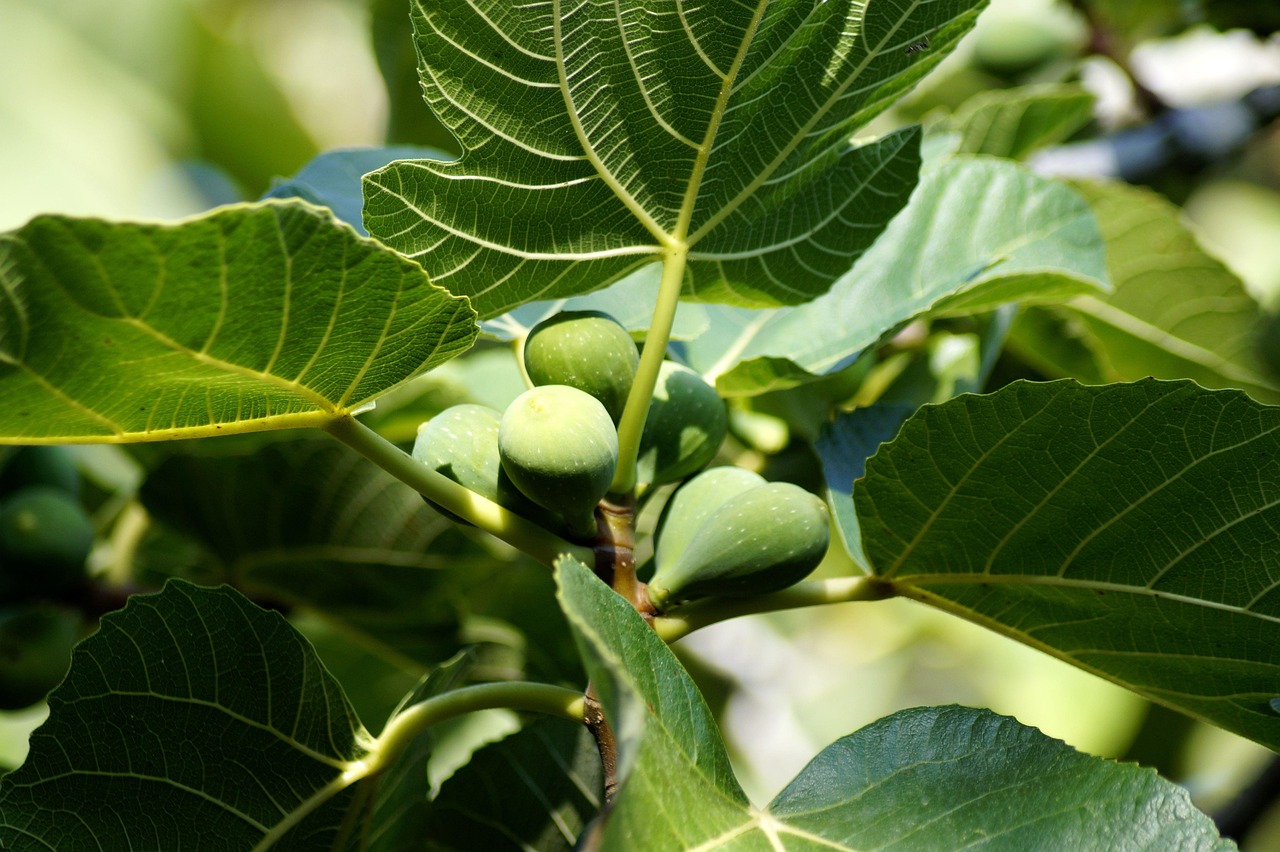
There are few things more disheartening for a plant parent than discovering unsightly blemishes on their prized Fiddle Leaf Fig. You’ve given it a name, found the perfect sunny spot, and mastered (or so you thought) its watering schedule. Then, one morning, you see them: mysterious dark spots on the Fiddle Leaf Fig’s iconic, violin-shaped leaves. Your heart sinks. Is it a disease? A pest? Is this the end for “Figgy”?
Take a deep breath. While alarming, dark spots on a Fiddle Leaf Fig (Ficus lyrata) are a very common issue, and in most cases, they are entirely fixable. These spots are your plant’s way of communicating that something in its environment isn’t quite right. Think of yourself as a plant detective—the size, color, and location of the spots are all clues. This comprehensive guide will walk you through every possible cause, from the most common watering woes to more serious infections, and provide you with clear, actionable steps to diagnose the problem and nurse your leafy friend back to perfect health.
First, Don’t Panic! Let’s Diagnose the Spots
Before you reach for the pruning shears or douse your plant in fungicide, the first step is to observe. The type of dark spot on your Fiddle Leaf Fig tells a specific story. Answering these questions will help you narrow down the culprit:
- Where are the spots located? Are they on new leaves, old leaves, or all over? Are they near the edge, center, or veins of the leaf?
- What do the spots look like? Are they dark brown or black? Are they soft and mushy or dry and crispy? Do they have a yellow halo around them?
- How is the rest of the plant? Are the leaves droopy? Is the soil soggy or bone-dry? Do you see any signs of pests?
Once you’ve gathered your clues, you can compare them to the common causes below. Let’s dive into the most frequent reasons for those frustrating spots.
The #1 Culprit: Watering and Root Issues
More often than not, dark spots on Fiddle Leaf Fig leaves are directly related to water. These plants are notoriously sensitive to both too much and too little moisture, and their roots will let you know quickly if they’re unhappy.
Overwatering and Root Rot (The Most Common Cause)
If there’s one mistake almost every Fiddle Leaf Fig owner makes at some point, it’s overwatering. When the soil stays soggy for too long, the roots can’t access oxygen. They begin to suffocate, die, and decay—a condition known as root rot. Diseased roots can no longer absorb water and nutrients, causing plant cells to die, which appears as dark spots on the leaves.
- The Symptoms: You’ll typically see dark brown to black spots, sometimes appearing soft. They often start on the lower leaves first and can spread outwards from the leaf’s veins or base. The soil will likely feel wet to the touch even days after watering, and you might notice a musty smell.
- The Solution:
- Stop Watering: Immediately cease watering and allow the soil to dry out thoroughly.
- Check the Soil: Stick your finger 2-3 inches deep into the soil. If you feel any moisture, do not water. A soil moisture meter can be a lifesaver for taking the guesswork out of this.
- Ensure Proper Drainage: Your pot must have drainage holes. If your plant is in a decorative pot without holes, remove it immediately. Let excess water drain completely after each watering session.
- Assess the Roots: For severe cases, you may need to repot. Gently slide the plant out of its pot and inspect the roots. Healthy roots are white and firm. Rotted roots will be brown, black, and mushy. Using sterile pruners, trim away all affected roots, and repot in fresh, well-draining soil.
Underwatering and Dryness
While less common, underwatering can also cause browning. When a plant is too thirsty, its cells dehydrate and die, leading to dry, crispy spots.
- The Symptoms: The spots will be light to medium brown, feel dry and crispy to the touch, and often appear along the edges of the leaves. The entire leaf may also look droopy and feel limp.
- The Solution: Give your plant a deep, thorough watering until water flows freely from the drainage holes. Discard the excess water. This ensures the entire root ball is hydrated. Then, establish a more consistent watering routine, checking the soil every week and watering only when the top few inches are dry.
Bacterial or Fungal Infections
If you’ve ruled out a watering issue, the next possibility is a disease. Both bacterial and fungal infections can create dark spots, and they often thrive in overly humid or wet conditions.
Bacterial Leaf Spot
Bacterial infections can take hold when water sits on the leaves for extended periods, creating a perfect breeding ground.
- The Symptoms: Look for dark brown or black spots that are often surrounded by a distinct yellow halo. These spots can appear anywhere on the leaf and may seem to spread rapidly, especially in humid conditions.
- The Solution:
- Isolate Your Plant: Move it away from other houseplants to prevent the infection from spreading.
- Remove Affected Leaves: Using clean, sharp scissors or pruning shears, carefully cut off all leaves showing signs of infection. Sterilize your tool with rubbing alcohol between each cut.
- Keep Leaves Dry: When you water, pour the water directly onto the soil, avoiding the foliage.
- Improve Air Circulation: Move the plant to an area with better airflow to help the leaves stay dry.
Fungal Issues
Fungal problems look very similar to bacterial ones and are treated in much the same way. They also thrive in damp, stagnant conditions.
- The Symptoms: Fungal spots can be brown or black and may sometimes have a target-like or ringed appearance.
- The Solution: Follow the same steps as for a bacterial infection: isolate the plant, remove damaged leaves with sterile tools, and keep the foliage dry. For a persistent infection, a copper-based fungicide can be an effective treatment.
Other Causes of Dark Spots On Your Fiddle Leaf Fig
Still haven’t found your culprit? Here are a few other common causes for those pesky spots.
Edema (Or Oedema)
This is an incredibly common condition, especially on new leaves, that often sends owners into a panic. The good news? It’s not a disease.
- The Symptoms: Tiny reddish-brown or dark specks that look like little blisters or bruises, primarily on new growth.
- The Cause: Edema happens when the roots take up water faster than the leaves can transpire it. This causes cells to burst, creating the small spots. It’s a sign of inconsistent watering.
- The Solution: Don’t do anything to the spots! They will often fade as the leaf matures and grows. Focus on creating a more consistent watering schedule to prevent it from happening on future leaves.
Pest Infestations
Tiny pests can cause big damage. Sap-sucking insects like spider mites, scale, and mealybugs injure the plant tissue, which can lead to small yellow or brown spots.
- The Symptoms: Look closely at the undersides of leaves and in the crevices where leaves meet the stem. You might see fine webbing (spider mites), tiny hard bumps (scale), or white, cotton-like masses (mealybugs).
- The Solution: Isolate your plant and treat it immediately. You can often start by wiping the leaves with a damp cloth or spraying the plant down in the shower. For persistent infestations, apply a natural pesticide like neem oil or insecticidal soap according to the package directions.
Sunburn
Fiddle Leaf Figs love bright light, but direct, scorching sun is too much for their leaves to handle.
- The Symptoms: You’ll see bleached, tan, or light brown patches on the parts of the leaves that get the most direct sun exposure. The spots will feel dry and won’t spread.
- The Solution: This is an easy fix! Move your plant to a location where it will receive plenty of bright, indirect light, like a few feet away from a sunny window or behind a sheer curtain. The burned spots won’t heal, but you’ll prevent any further damage.
Recommended Products to Help Your Fiddle Leaf Fig
Having the right tools can make diagnosing and treating dark spots on your Fiddle Leaf Fig much easier. Here are a few essentials we recommend keeping in your plant care kit.
3-in-1 Soil Moisture Meter
Takes the guesswork out of watering. This tool helps you know for sure when your plant’s soil is dry and ready for a drink, preventing both overwatering and underwatering.
Neem Oil Concentrate
A must-have for any houseplant owner. Neem oil is a natural and effective treatment for common pests like spider mites, mealybugs, and scale.
Copper Fungicide
For stubborn fungal or bacterial infections, a copper-based fungicide can help stop the spread of the disease and protect healthy foliage.
Frequently Asked Questions (FAQ)
Should I cut off Fiddle Leaf Fig leaves that have brown spots?
It depends on the cause. If you suspect a bacterial or fungal infection, it is crucial to remove the affected leaves to prevent the disease from spreading. Use sterile pruning shears. For minor issues like a small amount of sunburn, physical damage, or edema, you can leave the leaf on, as it can still photosynthesize and provide energy for the plant. If a leaf is more than 50% damaged, it’s usually best to remove it so the plant can focus its energy on new growth.
Can brown spots on my Fiddle Leaf Fig go away or heal?
Unfortunately, no. The damaged leaf tissue will not revert to being healthy and green. The brown or black spots are permanent scars on that leaf. The goal of any treatment is to stop the spots from spreading and to ensure that new leaves grow in healthy and spot-free.
Why do new leaves on my Fiddle Leaf Fig have tiny red spots?
This is almost always a classic case of edema. It’s very common on fresh, tender growth. It occurs when the plant’s roots absorb water more quickly than the new leaves can process it, causing cells to burst. While it looks alarming, it’s harmless and the red spots typically fade or disappear completely as the leaf matures and hardens. It’s a sign to be a bit more consistent with your watering.
How can I tell the difference between root rot spots and bacterial spots?
This is a great question. The biggest clues are location and soil condition. Root rot spots usually start on the lower leaves first and are directly linked to soggy, overly wet soil. The spots are often dark brown or black and can be large. Bacterial spots can appear on any leaf (new or old), are often surrounded by a yellow halo, and are caused by water sitting on the leaves, not necessarily water in the soil.
Conclusion: Your Fiddle Leaf Fig Can Recover!
Discovering dark spots on your Fiddle Leaf Fig is stressful, but it’s rarely a death sentence. By carefully observing the signs and methodically ruling out the causes, you can get to the root of the problem. In most cases, the solution lies in adjusting your care routine, particularly your watering habits. Remember that consistency is key for these beautiful but fussy plants.
Don’t be discouraged if you’ve made a mistake—every plant parent has! Learning to read your plant’s signals is part of the journey. By providing proper drainage, watering only when the soil is dry, giving it bright indirect light, and keeping an eye out for pests, you can prevent future spots and enjoy a healthy, thriving Fiddle Leaf Fig for years to come. Your plant is resilient, and with a little detective work and care, you’ll have it back on the road to recovery in no time.