Hardwood floors bring undeniable warmth and elegance to any home. Their natural beauty is a significant investment, one that homeowners cherish. However, like any cherished feature, they are susceptible to wear and tear, and few issues are as unsightly or concerning as the appearance of dark spots on hardwood floor. These unwelcome blemishes can mar the otherwise flawless surface, leaving you wondering about their origin and, more importantly, how to get rid of them.
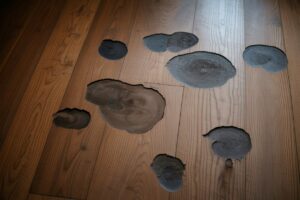
Whether it’s a mysterious black mark, a stubborn pet stain, or a water ring that has turned dark, these spots can feel like a blight on your beautiful flooring. The good news is that many dark spots on hardwood floor are treatable with the right knowledge and techniques. In this comprehensive guide, we’ll delve into the common causes of these dark areas, equip you with practical DIY removal methods, offer essential prevention tips, and help you determine when it’s time to call in the professionals. Get ready to restore your hardwood floors to their former glory!
Understanding the Culprits: Why Dark Spots Appear on Your Hardwood Floor
Before you can effectively treat dark spots on hardwood floor, it’s crucial to understand what caused them in the first place. Different culprits require different approaches. Identifying the source will save you time and potentially prevent further damage.
Water Damage: The Most Common Offender
Perhaps the most frequent cause of dark spots on hardwood floor is moisture. Whether it’s a spilled drink, a leaky potted plant, an overflowing sink, or even high humidity, water can penetrate the wood’s finish and cause discoloration. The tannins (natural compounds) in the wood react with the moisture, leading to grey or black spots. If left unaddressed, these dark water stains on hardwood floor can become deeply embedded and very difficult to remove.
Pet Stains: A Persistent Problem
For pet owners, urine stains are a common and frustrating issue. Pet urine, especially if not cleaned immediately, is highly acidic and contains ammonia. This potent combination chemically reacts with the wood and its finish, causing severe and often deep black discoloration. The ammonia also leaves a lingering odor. These black pet stains on hardwood can be particularly challenging because they often penetrate deep into the wood fibers, sometimes even reaching the subfloor.
Mold and Mildew: The Hidden Threat
In environments with high humidity or poor ventilation, such as basements or areas under rugs, mold and mildew can thrive. These fungi often manifest as fuzzy, greenish-black, or truly black spots on wood. Mold isn’t just an aesthetic problem; it can also pose health risks. If you suspect mold is causing the dark spots on your hardwood floor, addressing the moisture source is paramount.
Chemical Reactions and Heat Damage
Sometimes, dark spots on hardwood floor aren’t from water or pets but from other sources:
- Chemical Spills: Certain cleaning agents, furniture polishes, or even rubber mats (reacting with the finish over time) can cause discoloration. These chemical stains on wood floor might appear as specific patterns or general darkening.
- Heat Marks: Placing hot objects directly on the floor, such as an iron or a hot pot, can scorch the wood, leaving behind distinct dark, sometimes charred, marks.
Identifying the Type of Dark Spot on Your Hardwood Floor
A careful examination of the dark spots on your hardwood floor can provide clues about their origin:
- Water Stains: Often appear as rings, irregular shapes, or general darkening. They might be greyish-black and typically don’t have a strong odor.
- Pet Stains: Usually very dark, almost black, and often circular or irregular where the urine spread. A distinct, pungent ammonia odor is a strong indicator. The wood might also feel slightly raised or rough.
- Mold/Mildew: Look for fuzzy or dusty textures, often accompanied by a musty smell. They tend to appear in damp, hidden areas.
- Chemical Stains: The pattern might match the object left on the floor (e.g., a rubber mat outline) or appear as random splotches.
- Heat Marks: Will have a distinct scorched or burnt appearance, usually confined to the area where the hot object made contact.
DIY Solutions for Common Dark Spots on Hardwood Floor
Once you’ve identified the likely cause, you can explore various DIY remedies. Always remember to test any cleaning solution or method on an inconspicuous area first to ensure it doesn’t cause further damage or discoloration.
Addressing Dark Water Stains
For dark water stains on hardwood floor, you have a few options:
- The Ironing Method (for lighter, superficial stains):
- Place a clean, absorbent cloth (like a dish towel) over the stain.
- Set a clothes iron to its lowest heat setting with no steam.
- Briefly place the iron on the towel over the stain for a few seconds. Lift, check the stain, and repeat. The heat helps draw out the moisture. Be patient and avoid overheating, which can scorch the wood.
- Oxalic Acid (Wood Bleach) (for deeper stains):
- Safety First: Wear gloves and eye protection, and ensure good ventilation.
- Mix oxalic acid crystals with hot water according to product instructions.
- Apply the solution to the dark water stain on hardwood floor with a brush or cloth.
- Allow it to sit for several hours or overnight, keeping the area moist (e.g., cover with plastic wrap).
- Rinse thoroughly with clean water, then neutralize with a baking soda and water solution if recommended by the product.
- This method often requires sanding and refinishing the treated area afterwards, as it removes the finish and lightens the wood.
- Sanding and Refinishing (for severe spots): For very deep or extensive dark water stains, spot sanding with fine-grit sandpaper may be necessary. If the stain is large, you might need to sand and refinish an entire section or even the whole room for a uniform look.
Tackling Stubborn Pet Stains
Black pet stains on hardwood are notoriously difficult due to their deep penetration and chemical nature.
- Enzyme Cleaners: For fresher or less severe stains, an enzymatic pet stain cleaner can break down the urine compounds. Apply according to directions, often involving letting it soak. Multiple applications may be necessary.
- Hydrogen Peroxide (use with extreme caution): For very dark, stubborn pet stains, a diluted hydrogen peroxide solution (3% strength) can act as a mild bleach.
- Spot Test: Always, always test in an inconspicuous area first, as it can lighten the wood irreversibly.
- Apply a small amount to the stain with a cotton ball or cloth.
- Cover with plastic wrap to prevent evaporation and let it sit for a few hours (or even overnight for severe stains).
- Wipe clean. This method will likely require sanding and re-finishing the treated area.
- Oxalic Acid: Similar to water stains, oxalic acid can also be effective on pet stains, but it will strip the finish and lighten the wood, necessitating refinishing.
Dealing with Mold and Mildew
If mold is causing the dark spots on your hardwood floor, the first step is to address the moisture source. Once the area is dry:
- For superficial mold, clean the area with a solution of mild soap and water.
- For more persistent mold, a diluted solution of white vinegar (1:1 with water) or a commercial fungicidal cleaner can be used. Apply, let sit, then wipe clean.
- Avoid harsh bleach as it can damage wood and its finish. If mold is extensive or deeply embedded, professional help is recommended.
Minor Chemical Spots and Heat Marks
- Chemical Spots: For some residues, mineral spirits applied to a cloth can carefully remove the stain. Always test first. For deeper chemical damage, sanding and refinishing may be required.
- Minor Heat Marks (light scorching): For very light surface marks, fine steel wool (#0000 grade) gently rubbed with a small amount of paste wax can sometimes buff out the discoloration. For deeper scorch marks, sanding will be necessary.
Prevention is Key: Keeping Your Hardwood Floors Pristine
Preventing dark spots on hardwood floor is always easier than removing them. Implement these practices to protect your investment:
- Immediate Spill Cleanup: Wipe up spills, especially water and pet accidents, as soon as they happen. Don’t let moisture sit.
- Use Area Rugs and Mats: Place rugs in high-traffic areas, entryways, and under sinks where spills are common. Use drip trays under potted plants.
- Pet Training and Protection: Train pets to go outside, or use puppy pads. Consider waterproof mats under food and water bowls.
- Control Humidity: Use dehumidifiers in damp basements or humid climates to prevent mold growth.
- Protective Pads: Place felt pads under furniture legs to prevent scratches and chemical reactions from rubber feet.
- Proper Cleaning: Use only hardwood floor-specific cleaners (pH neutral) and avoid excessive water when mopping.
- Maintain Finish: Regularly inspect your floor’s finish. A well-maintained sealant acts as a protective barrier against moisture and stains. Reapply finish as needed.
When to Call a Professional for Dark Spots on Hardwood Floor
While many dark spots on hardwood floor can be tackled with DIY methods, there are times when professional intervention is the best course of action:
- Extensive Damage: If you have numerous or very large dark spots across a significant area of your flooring.
- Deep, Penetrating Stains: Especially with old pet urine stains that have gone deep into the wood and subfloor, requiring specialized techniques or even board replacement.
- Structural Damage: If the wood is warped, buckling, or has visible signs of rot alongside the discoloration.
- Lack of Confidence: If you’re unsure about the cause or the best removal method, a professional can offer expert assessment and solutions.
- Large Areas of Mold: For widespread mold, a professional can safely remove it and address the underlying moisture issues without spreading spores.
Recommended Products
Oxalic Acid Wood Bleach
Highly effective for removing stubborn deep water stains and pet urine stains by bleaching the wood fibers. Requires careful application and often subsequent refinishing.
Enzymatic Pet Stain & Odor Remover
Specifically formulated to break down pet urine at a molecular level, neutralizing odors and helping to lift recent or less severe pet stains from hardwood floors.
#0000 Fine Steel Wool
Excellent for gently buffing out minor surface scratches, light heat marks, or applying wax to specific areas without damaging the surrounding finish.
pH Neutral Hardwood Floor Cleaner
A gentle, everyday cleaner that won’t strip your floor’s finish or leave residues, perfect for regular maintenance and preventing new stains.
Polyurethane Wood Floor Finish
Essential for re-sealing and protecting your hardwood floors after spot treatments, sanding, or if the original finish is worn, providing a durable barrier against future stains.
Frequently Asked Questions About Dark Spots On Hardwood Floor
Can all dark spots on hardwood be removed?
While many dark spots on hardwood floor can be significantly lightened or removed, not all are completely reversible. Superficial water rings or minor chemical stains often respond well to DIY treatments. However, very deep, long-standing pet urine stains or extensive mold that has penetrated deep into the wood fibers or even the subfloor might require more drastic measures, such as sanding and refinishing, or even replacing the affected boards. Patience and realistic expectations are key.
Is bleach safe for dark spots on hardwood?
Standard household bleach (sodium hypochlorite) is generally not recommended for treating dark spots on hardwood floor. It can damage the wood’s integrity, strip the finish, and cause uneven discoloration. However, oxalic acid, often referred to as “wood bleach,” is specifically designed to lighten wood and can be effective on certain dark stains like watermarks and pet stains. Always spot test, follow instructions carefully, and be prepared to refinish the area.
How do I prevent dark spots from reappearing?
Prevention is crucial! The best way to prevent dark spots on hardwood floor from reappearing is to address the root cause. This includes immediately wiping up all spills, using rugs in high-traffic and moisture-prone areas, controlling indoor humidity levels, training pets, and maintaining a healthy finish on your floors. Regular cleaning with appropriate products also helps.
What’s the difference between a water stain and a pet stain?
While both can appear as dark spots on hardwood floor, their causes and characteristics differ. Water stains occur when moisture reacts with tannins in the wood, often appearing as grey or black rings or patches. Pet stains, on the other hand, are caused by the acidic and ammonia-rich compounds in urine, which chemically react with the wood and its finish. Pet stains are typically much darker, often black, penetrate deeper, and usually come with a distinct, pungent odor.
When should I consider refinishing my floor due to dark spots?
You should consider refinishing your entire floor or a large section if the dark spots on hardwood floor are numerous, extensive, or deeply embedded and cannot be effectively treated with spot methods without creating an uneven appearance. If your floor’s finish is generally worn and many areas require attention, a full refinish can restore uniform beauty and protection.
Are commercial products better than home remedies for dark spots?
Commercial products are often formulated with specific chemicals (like enzymes for pet stains or oxalic acid for bleaching wood) designed to tackle particular types of dark spots on hardwood floor more effectively and safely than general home remedies. While some home remedies can work for minor, superficial issues, commercial solutions often offer more targeted and powerful results. Always follow product instructions and safety guidelines.
Conclusion
Discovering dark spots on hardwood floor can be disheartening, but it’s important to remember that most of these blemishes are treatable. By understanding the common culprits – from water damage and pet accidents to mold and chemical reactions – you empower yourself to choose the most effective course of action. Whether you opt for a simple DIY remedy like the ironing method for water stains or tackle deeper issues with specialized products like oxalic acid, patience and attention to detail are your best allies.
Always prioritize prevention: quick cleanup, protective rugs, and maintaining your floor’s finish will go a long way in preserving its beauty. And remember, for extensive or particularly stubborn dark spots on hardwood floor, a professional flooring expert can provide invaluable assistance. With the right approach, you can banish those unsightly marks and enjoy the lasting elegance of your beautifully restored hardwood floors for years to come.
“`