Hardwood floors add timeless elegance and warmth to any home, but their beauty can be marred by unsightly dark spots on hardwood floors. These blemishes can range from minor discolorations to deep, ingrained stains that seem impossible to remove. Whether it’s a mysterious black mark, a pet accident, or water damage, seeing these spots can be incredibly frustrating and even diminish your home’s appeal and value.
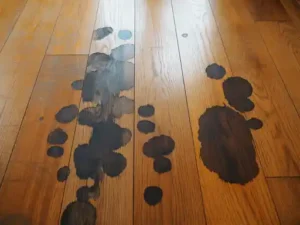
You’re not alone in facing this common household dilemma. Many homeowners struggle with how to effectively tackle these imperfections without damaging their precious flooring. This comprehensive guide is designed to empower you with the knowledge and practical steps needed to identify, treat, and prevent dark spots on hardwood floors. We’ll explore the various causes, outline effective DIY removal methods, and share essential prevention strategies to keep your floors looking pristine for years to come. Get ready to reclaim the beauty of your hardwood!
Understanding Dark Spots On Hardwood Floors: What Causes Them?
Before you can effectively treat dark spots on hardwood floors, it’s crucial to understand their origin. Different types of stains require different approaches. Misidentifying the cause can lead to ineffective treatment or even further damage.
Water Damage and Moisture Issues
This is perhaps the most common culprit behind dark spots. When water penetrates the wood’s finish and reaches the bare wood fibers, it reacts with the tannins in the wood, causing a chemical change that results in discoloration. This can happen from:
- Spills: Drinks, leaky plant pots, or overflowing sinks.
- Pet Accidents: Urine contains ammonia that can deeply stain and darken wood.
- High Humidity: Persistent moisture can lead to wood expansion and eventual staining.
- Leaking Appliances or Pipes: Slow, unnoticed leaks can cause severe, widespread dark areas.
Water stains often appear as gray, black, or very dark brown spots, indicating deep penetration and potential wood damage.
Pet Stains
Pet urine is particularly problematic for hardwood floors. The uric acid and ammonia in pet urine deeply penetrate the wood, causing a chemical reaction that results in stubborn dark spots on hardwood floors. If not cleaned immediately, these stains can become permanent and emit an unpleasant odor. They often appear as dark brown or black splotches, sometimes with a greenish tint.
Chemical Reactions and Spills
Certain chemicals can react with the wood or its finish, leading to discoloration. This includes:
- Household Cleaners: Using the wrong type of cleaner, especially harsh chemicals not formulated for hardwood, can strip the finish or cause dark patches.
- Food Stains: Wine, coffee, or dark sauces can leave behind deeply colored spots if not wiped up quickly.
- Ink or Dyes: Spills from pens, markers, or dyed fabrics can be very difficult to remove.
Mold and Mildew Growth
In areas with high humidity or where water damage has occurred and lingered, mold and mildew can take root. These fungi thrive on moisture and organic material (the wood itself), creating fuzzy or splotchy dark spots on hardwood floors, often black, green, or gray. They usually indicate a persistent moisture problem.
Heat Damage
Placing hot items directly on a hardwood floor without protection can cause localized heat damage. This might lead to scorching, blistering of the finish, and dark, charred-looking spots. Examples include hot pots, curling irons, or even direct sunlight magnified through a window.
Old Age and Wear
Over time, the finish on hardwood floors naturally wears down. This can make the wood more susceptible to staining from everyday spills and dirt. Minor scratches and abrasions can also accumulate dirt, creating a darker, dingy appearance that contributes to the perception of dark spots on hardwood floors, especially in high-traffic areas.
Preparing Your Floor for Treatment
Before you dive into stain removal, a little preparation goes a long way to ensure safety and effectiveness.
Safety First
Always wear appropriate personal protective equipment (PPE), including gloves and eye protection, especially when working with chemicals like oxalic acid or hydrogen peroxide. Ensure the area is well-ventilated by opening windows and using fans.
Identify the Spot Type
As discussed, knowing the cause of the dark spots on hardwood floors will guide your treatment choice. Is it a superficial spill, a deep water stain, or a pet stain? This assessment is key.
Test in an Inconspicuous Area
Before applying any cleaning solution or method to a visible stain, always test it on an inconspicuous area of your flooring (e.g., inside a closet, under a rug, or in a corner). This helps ensure the product won’t damage the finish or cause further discoloration.
Effective DIY Methods to Remove Dark Spots On Hardwood Floors
Once you’ve identified the type of dark spot, you can choose the most appropriate DIY treatment. Remember to start with the least aggressive method first and only escalate if necessary.
For Lighter Water Stains (White/Gray Spots)
These are often surface-level stains where moisture hasn’t fully penetrated the wood, but rather discolored the finish.
- Mayonnaise or Petroleum Jelly: Apply a thick layer of mayonnaise or petroleum jelly directly over the spot. Let it sit for several hours or overnight. The oil helps draw out the moisture. Wipe clean with a soft cloth.
- Ironing Method: Place a clean, dry cloth (like an old T-shirt) over the water spot. Set an iron to a low, no-steam setting. Briefly press the iron onto the cloth over the spot for 5-10 seconds, then lift and check. Repeat if necessary, moving the iron slightly to avoid overheating one area. The heat helps evaporate the trapped moisture.
For Deeper Water Stains & Pet Stains (Black/Dark Spots)
These typically indicate that the moisture or pet urine has penetrated deep into the wood fibers, reacting with the tannins. These are the classic dark spots on hardwood floors that cause the most concern.
- Oxalic Acid (Wood Bleach): This is often the most effective DIY solution for deeply embedded dark water stains and pet urine stains.
- Preparation: Mix oxalic acid crystals with warm water according to product instructions to create a paste or solution.
- Application: Apply the solution directly to the dark spot using a brush or cloth. Ensure it covers the entire affected area.
- Wait: Allow it to sit for several hours (often 1-6 hours) or until the stain visibly lightens. Keep the area moist by reapplying if it dries out.
- Neutralize & Rinse: Once the stain is gone or significantly lighter, neutralize the oxalic acid by wiping the area with a cloth dampened with a baking soda and water solution. Then, wipe thoroughly with clean water to remove all residue.
- Dry & Refinish: Let the area dry completely. The wood may look lighter than the surrounding area. You may need to lightly sand the area (220-grit sandpaper) and reapply a matching stain and finish to blend it in.
Caution: Oxalic acid is a strong chemical. Always wear gloves and eye protection, ensure good ventilation, and follow manufacturer instructions carefully.
- Hydrogen Peroxide: For pet urine stains, hydrogen peroxide can be effective due to its bleaching properties.
- Application: Soak a clean cloth or paper towel in 3% hydrogen peroxide. Wring out excess.
- Cover: Place the soaked cloth directly over the dark spot. Cover it with plastic wrap to prevent evaporation.
- Wait: Let it sit for several hours or overnight. Check periodically.
- Clean: Remove the cloth and wipe the area clean with a damp cloth. Let it dry thoroughly.
- Refinish: You may need to re-stain and re-seal the area as hydrogen peroxide can lighten the wood.
- Sanding and Refinishing (Last Resort for DIY): If the stain is very deep and other methods fail, you might need to sand down to the bare wood.
- Manual Sanding: For small, isolated spots, use fine-grit sandpaper (120-180 grit, then 220 grit) to carefully sand away the stained wood. Be cautious not to create a depression.
- Refinish: Once the stain is removed, clean the dust, apply a matching wood stain (if applicable), and then apply several coats of a compatible polyurethane finish to seal and protect the wood. This requires skill to blend seamlessly with the existing floor.
For Chemical Stains
These stains can be tricky. Often, gentle cleaning with a pH-neutral hardwood floor cleaner is the first step. If the stain persists, and it’s a deep discoloration rather than a surface mark, oxalic acid might be considered, but proceed with extreme caution and test first.
For Mold Stains
Mold indicates a persistent moisture issue that must be addressed first.
- Clean: Thoroughly clean the area with a solution of 1 part bleach to 10 parts water, or a specialized mold cleaner. Scrub gently with a soft brush or cloth.
- Dry: Ensure the area dries completely. Use fans or a dehumidifier.
- Address Moisture Source: Fix any leaks or excessive humidity to prevent recurrence.
- Refinish: After mold is gone and the wood is dry, you may need to sand and refinish the area if discoloration remains.
Prevention is Key: Keeping Dark Spots On Hardwood Floors at Bay
The best way to deal with dark spots on hardwood floors is to prevent them from happening in the first place. Proactive measures can save you time, effort, and money in the long run.
Immediate Spill Cleanup
This is paramount. Any liquid spilled on a hardwood floor, especially dark liquids like wine or coffee, should be wiped up immediately. For pet accidents, blot the urine with paper towels, then clean the area with an enzymatic pet stain remover designed for hardwood to neutralize odors and prevent deep stains.
Use Area Rugs and Mats
Strategically place area rugs in high-traffic areas, entryways, and under furniture where spills are likely (e.g., dining tables, pet feeding stations). Use mats under potted plants and appliances like refrigerators or dishwashers to catch potential leaks.
Regular Maintenance and Sealing
- Clean Regularly: Sweep or vacuum frequently to remove dirt and grit that can scratch the finish, making it more susceptible to staining.
- Use pH-Neutral Cleaners: Only use cleaning products specifically designed for hardwood floors. Harsh chemicals can damage the finish and lead to discoloration.
- Maintain Finish: Depending on the type of finish (polyurethane, oil-based, wax), regular maintenance may involve re-coating or re-waxing. A well-maintained finish acts as a barrier against moisture and spills.
Pet Training and Protection
Train pets to go outside or use designated potty areas. For older pets or those prone to accidents, consider washable pet pads or doggy diapers. Keep their water bowls on mats.
Control Humidity Levels
Hardwood floors perform best in a stable environment. Use a dehumidifier in humid climates or during summer months to keep indoor humidity between 35-55%. Excessive humidity can lead to wood expansion, cupping, and vulnerability to moisture-related stains and mold.
Recommended Products
Oxalic Acid Wood Bleach
Highly effective for removing deep water stains and pet urine dark spots on hardwood floors by reacting with tannins in the wood. Essential for tackling stubborn discoloration.
pH-Neutral Hardwood Floor Cleaner
A gentle yet effective cleaner specifically formulated for hardwood, maintaining the integrity of your floor’s finish without causing damage or discoloration.
Microfiber Mop for Hardwood Floors
Ideal for quick cleanups and applying cleaners without oversaturating your wood floors, helping to prevent future water-related dark spots.
Enzymatic Pet Stain & Odor Remover
Crucial for immediately neutralizing pet urine on hardwood, preventing deep penetration and the formation of stubborn dark spots and lingering odors.
Room Dehumidifier
Helps maintain optimal humidity levels in your home, protecting hardwood floors from moisture-related issues like warping, swelling, and mold growth that can lead to dark spots.
Frequently Asked Questions About Dark Spots On Hardwood Floors
Q1: Can all dark spots be removed from hardwood floors?
While many dark spots on hardwood floors can be significantly lightened or removed, especially if addressed promptly, some very deep or old stains might be permanent without professional intervention or complete sanding and refinishing of the area. The success rate largely depends on the type of stain, how long it has been present, and the depth of penetration into the wood fibers.
Q2: Is oxalic acid safe for all hardwood floors?
Oxalic acid (wood bleach) is generally safe for most unfinished or deeply stained hardwood floors. However, it can lighten the wood considerably, and its effects on pre-finished or engineered hardwood can vary. Always perform a patch test in an inconspicuous area first to ensure it doesn’t cause unwanted discoloration or damage to the finish. It’s not recommended for floors with a wax finish.
Q3: How do I prevent pet urine from causing dark spots?
Immediate cleanup is key. Blot up urine spills as soon as they occur. Then, use an enzymatic pet stain cleaner specifically designed for hardwood floors to neutralize the uric acid and eliminate odors. Training your pets, using puppy pads, and placing waterproof mats under food and water bowls are also excellent preventive measures against dark spots on hardwood floors caused by pets.
Q4: When should I call a professional for dark spots?
You should consider calling a professional if DIY methods have failed, if the spots are widespread, or if you suspect structural damage or a major moisture issue (like a plumbing leak). Professionals have access to stronger chemicals, specialized equipment, and expertise in matching stains and finishes, ensuring a seamless repair without further damaging your floor.
Q5: What’s the difference between a dark spot and a water mark?
A water mark typically refers to a lighter, often white or gray, discoloration caused by moisture trapped in the finish of the wood. A dark spot on hardwood floors, on the other hand, usually indicates that the moisture or staining agent has penetrated deep into the actual wood fibers, causing a chemical reaction with the wood’s tannins, resulting in a black, dark brown, or gray-black stain.
Q6: Can steam mops cause dark spots on hardwood floors?
Yes, steam mops are generally not recommended for hardwood floors. The high heat and moisture can penetrate the wood’s finish, leading to warping, swelling, and eventually causing permanent dark spots on hardwood floors due to moisture damage or even lifting of the finish. Always use a damp (not wet) microfiber mop with a pH-neutral hardwood floor cleaner instead.
Conclusion
Dealing with dark spots on hardwood floors can feel like a daunting task, but with the right knowledge and tools, it’s a battle you can win. By understanding the root cause of the discoloration, carefully preparing your floor, and employing the appropriate removal techniques, you can restore your hardwood to its former glory. Remember, prevention is always easier than cure. Prompt cleanup of spills, strategic use of rugs, regular maintenance, and humidity control are your best defenses against future blemishes.
Don’t let those unsightly dark spots diminish the beauty and value of your home. Approach each stain with patience, test your methods in an inconspicuous area, and don’t hesitate to call in a professional for particularly stubborn or extensive damage. With a little effort and consistency, your hardwood floors will continue to be a stunning feature in your home for years to come. Your beautiful floors are worth the investment in their care!
“`