
This comprehensive guide will delve deep into the world of leg hyperpigmentation.
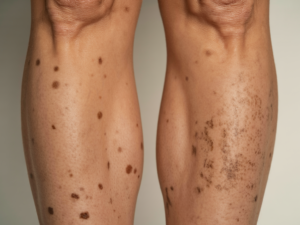
We’ll explore the various reasons you might be seeing dark spots on your legs, ranging from everyday occurrences like bug bites and sun exposure to less common underlying conditions. More importantly, we’ll equip you with practical advice on how to prevent new spots from forming and introduce you to a range of effective treatments – both at-home remedies and professional options – that can help fade existing discoloration. Get ready to uncover the secrets to smoother, more radiant legs!
What Are Dark Spots On My Legs? Understanding Leg Hyperpigmentation
When we talk about dark spots on my legs, we are generally referring to a condition called hyperpigmentation. This simply means that certain areas of your skin have produced an excess of melanin, the pigment responsible for skin, hair, and eye color, resulting in darker patches compared to the surrounding skin. These spots can vary greatly in size, shape, and color, appearing as light brown, dark brown, or even reddish-brown marks.
It’s important to recognize that not all dark spots are created equal. Different types of hyperpigmentation can manifest on the legs, each with its own set of characteristics and causes:
- Post-Inflammatory Hyperpigmentation (PIH): This is perhaps the most common cause of dark spots on the legs. PIH occurs after an injury or inflammation to the skin. Think about mosquito bites, cuts, scrapes, burns, ingrown hairs, or even aggressive shaving. Once the initial wound heals, it can leave behind a persistent dark mark.
- Sun Spots (Solar Lentigines): Often referred to as “age spots” or “liver spots,” these are flat, oval areas of increased pigmentation caused by prolonged exposure to ultraviolet (UV) radiation from the sun. They are more common on sun-exposed areas like the shins and tops of the feet.
- Melasma: While more commonly associated with the face, melasma can occasionally appear on other body parts, including the legs. It’s characterized by symmetrical, splotchy brown or gray-brown patches, often triggered by hormonal changes (e.g., pregnancy, birth control) combined with sun exposure.
- Venous Insufficiency (Stasis Dermatitis/Hemosiderin Staining): This is a specific type of discoloration often seen around the ankles and lower shins. When veins in the legs don’t properly return blood to the heart, blood can pool, leading to inflammation and leakage of red blood cells. The iron from these blood cells (hemosiderin) deposits in the skin, causing a reddish-brown or rust-colored staining.
- Friction Hyperpigmentation: Constant rubbing from tight clothing, footwear, or even skin-on-skin contact can lead to chronic inflammation and subsequent darkening of the skin in those areas.
Identifying the type of dark spot you have is crucial, as it often guides the most effective treatment approach.
The Root Causes: Why Do I Have Dark Spots On My Legs?
Understanding the “why” behind your dark spots on my legs is fundamental to both prevention and treatment. Let’s break down the primary culprits:
1. Inflammation and Injury
As mentioned, post-inflammatory hyperpigmentation (PIH) is a major contributor. Any event that causes inflammation or damage to the skin on your legs can trigger PIH. This includes:
- Insect Bites: Mosquito bites, spider bites, or any bug bite can leave behind dark marks long after the itch subsides, especially if scratched.
- Cuts, Scrapes, and Bruises: Everyday accidents, especially those that break the skin, are common causes of PIH. Even a deep bruise can sometimes leave a faint brownish stain as it resolves.
- Shaving Irritation & Ingrown Hairs: Improper shaving techniques (dull razors, dry shaving) can lead to razor burn, folliculitis (inflamed hair follicles), and ingrown hairs. These inflammatory responses often result in persistent dark spots.
- Acne on Legs: Though less common than on the face or back, body acne can appear on the legs, and just like facial acne, it can leave behind dark spots.
2. Sun Exposure
The sun’s powerful UV rays are a leading cause of hyperpigmentation everywhere on the body, including your legs. When skin is exposed to UV light, it produces more melanin as a protective mechanism, leading to:
- Sun Spots (Solar Lentigines): These flat, typically brown spots appear on areas frequently exposed to the sun, like the shins.
- Exacerbation of Existing Spots: Sun exposure can also worsen PIH and melasma, making existing dark spots even darker and more resistant to treatment.
3. Poor Circulation and Venous Issues
For some, particularly in older individuals or those with certain health conditions, circulatory problems can lead to significant discoloration:
- Chronic Venous Insufficiency: If the valves in your leg veins are weakened, blood can pool in the lower legs. This increased pressure can lead to inflammation and leakage of red blood cells, causing a rust-colored or brownish staining known as hemosiderin staining or stasis dermatitis, often accompanied by swelling or itching.
4. Hormonal Changes
While more prominent on the face, hormonal fluctuations can sometimes play a role in hyperpigmentation on the body:
- Melasma: As mentioned, pregnancy, birth control pills, or hormone replacement therapy can trigger melasma, which, while rare, can appear on the legs when combined with sun exposure.
5. Medications and Medical Conditions
Certain medications can make your skin more sensitive to the sun (photosensitivity), increasing the risk of dark spots. Additionally, some systemic medical conditions can manifest as skin discoloration on the legs, though these are less common and usually accompanied by other symptoms.
Preventing Dark Spots On My Legs: Your Best Defense
Prevention is always better than cure, especially when it comes to skin discoloration. Here are actionable steps you can take to minimize the appearance of new dark spots on my legs:
1. Embrace Sun Protection
This is arguably the most crucial step. Protecting your legs from UV radiation can prevent sun spots and keep existing spots from darkening.
- Use Broad-Spectrum Sunscreen: Apply a sunscreen with at least SPF 30 to your legs daily, especially when wearing shorts, skirts, or dresses. Reapply every two hours, or after swimming or sweating.
- Seek Shade: Limit direct sun exposure, especially during peak hours (10 AM to 4 PM).
- Wear Protective Clothing: Opt for long pants or UV-protective clothing when spending extended time outdoors.
2. Master Gentle Shaving Techniques
To avoid razor burn, nicks, and ingrown hairs that lead to PIH:
- Exfoliate Gently: Before shaving, gently exfoliate your legs to remove dead skin cells and lift hairs.
- Use a Sharp Razor: Replace your razor blade every 5-7 shaves to ensure a clean cut.
- Apply Shaving Cream/Gel: Always use a lubricating product to reduce friction.
- Shave with the Grain: For sensitive skin, shaving in the direction of hair growth can minimize irritation.
- Moisturize Post-Shave: Apply a soothing, fragrance-free moisturizer immediately after shaving.
3. Treat Wounds Promptly and Properly
Any cut, scrape, or bug bite should be handled with care to prevent PIH:
- Cleanse: Gently clean wounds with mild soap and water.
- Protect: Cover cuts and scrapes with a bandage to shield them from infection and irritation.
- Avoid Picking/Scratching: Resist the urge to pick at scabs or scratch bug bites, as this significantly increases the risk of dark spots.
4. Maintain Skin Hydration and Health
A healthy skin barrier is more resilient and less prone to inflammation.
- Moisturize Daily: Use a rich body lotion or cream to keep your skin hydrated and supple.
- Wear Loose-Fitting Clothing: Reduce friction on your legs, especially in areas prone to rubbing.
5. Address Underlying Medical Conditions
If you suspect venous insufficiency or another medical condition is causing your dark spots, consult a doctor for diagnosis and appropriate management.
Effective Treatments for Fading Dark Spots On My Legs
If you already have dark spots on my legs, don’t despair! A variety of treatments can help to lighten and even out your skin tone. Consistency and patience are key.
1. Over-the-Counter (OTC) Topical Treatments
Many effective ingredients can be found in lotions, creams, and serums. Look for products containing:
- Alpha Hydroxy Acids (AHAs): Glycolic acid and lactic acid gently exfoliate the skin, promoting cell turnover and helping to shed pigmented cells.
- Beta Hydroxy Acids (BHAs): Salicylic acid is excellent for exfoliating within pores, making it good for PIH from ingrown hairs or acne.
- Vitamin C: A powerful antioxidant that brightens skin and inhibits melanin production.
- Niacinamide (Vitamin B3): Reduces inflammation and prevents the transfer of melanin to skin cells.
- Kojic Acid: Derived from fungi, it inhibits melanin production.
- Azelaic Acid: Reduces inflammation and targets hyperactive melanin-producing cells.
- Alpha Arbutin & Licorice Root Extract: Natural skin brighteners that inhibit tyrosinase, the enzyme responsible for melanin production.
- Retinoids (Retinol): OTC retinoids increase cell turnover and can help fade dark spots over time. Start slowly to avoid irritation.
2. Prescription Topical Treatments
For more stubborn or widespread dark spots, a dermatologist may prescribe stronger options:
- Hydroquinone: A powerful bleaching agent that significantly reduces melanin production. It’s often prescribed for short periods due to potential side effects with long-term use.
- Tretinoin (Prescription Retinoid): Stronger than OTC retinol, it accelerates cell turnover and can be very effective for hyperpigmentation.
- Corticosteroids: May be prescribed for inflammatory conditions that lead to PIH, but generally not for hyperpigmentation itself.
3. Professional Procedures
For faster or more dramatic results, dermatological procedures can be highly effective:
- Chemical Peels: A dermatologist applies a chemical solution (e.g., glycolic, salicylic, trichloroacetic acid) to exfoliate the skin, promoting new, less pigmented skin cells to emerge.
- Laser Therapy: Various lasers (e.g., IPL, Q-switched, fractional lasers) can target and break down melanin pigments in the skin, allowing the body to clear them away. The type of laser used depends on the specific type and depth of the dark spot.
- Microdermabrasion: A minimally invasive procedure that uses a specialized device to gently exfoliate the outermost layer of skin, helping to fade superficial dark spots.
- Cryotherapy: For individual, well-defined sun spots, liquid nitrogen can be used to freeze and destroy the pigmented cells.
Always consult with a dermatologist to determine the best treatment plan for your specific type of dark spots on my legs and skin type.
Recommended Products for Managing Dark Spots On My Legs
Incorporating the right products into your daily routine can make a significant difference in treating and preventing dark spots on your legs. Here are some categories and examples of products that can help:
CeraVe SA Lotion for Rough & Bumpy Skin
This lotion contains salicylic acid (BHA) and lactic acid (AHA) to gently exfoliate and smooth the skin, helping to reduce the appearance of dark spots caused by ingrown hairs or rough texture.
Paula’s Choice 2% BHA Body Spot Exfoliant
A targeted treatment with salicylic acid to penetrate and exfoliate skin, effective for dark spots from breakouts, ingrowns, and general texture improvement.
Naturium Niacinamide Body Serum 12%
Packed with a high concentration of niacinamide, this serum helps to even skin tone, reduce hyperpigmentation, and strengthen the skin barrier.
EltaMD UV Clear Broad-Spectrum SPF 46
While often used for the face, this gentle, broad-spectrum sunscreen is excellent for sensitive skin on the legs. Crucial for preventing new dark spots and protecting existing ones.
AmLactin Daily Moisturizing Lotion
Contains lactic acid to provide both exfoliation and deep hydration, making it effective for improving skin texture and reducing discoloration.
FAQ About Dark Spots On My Legs
Q1: Are dark spots on my legs dangerous?
Generally, most dark spots on my legs are harmless and purely cosmetic. However, any new, rapidly changing, itching, bleeding, or unusually shaped dark spot should be examined by a dermatologist to rule out more serious conditions like melanoma or other skin cancers. It’s always best to be safe and get a professional opinion if you have any concerns.
Q2: How long does it take for dark spots on my legs to fade?
The fading process for dark spots on my legs can vary significantly depending on the cause, depth of the pigmentation, and the chosen treatment method. Superficial spots from PIH might fade within a few weeks to several months with consistent treatment. Deeper or older spots, like sun spots or those from venous insufficiency, can take many months or even over a year, and often require professional treatments for noticeable improvement. Patience and consistency are key.
Q3: Can shaving cause dark spots on my legs?
Yes, absolutely. Shaving is a very common cause of dark spots on my legs. Improper shaving techniques can lead to razor burn, nicks, folliculitis (inflammation of hair follicles), and ingrown hairs. These inflammatory responses are prime triggers for post-inflammatory hyperpigmentation (PIH), leaving behind persistent dark marks once the initial irritation subsides.
Q4: Is there a natural remedy for dark spots on my legs that actually works?
While many natural remedies are touted for skin lightening, scientific evidence for their effectiveness on dark spots on my legs is often limited. Ingredients like lemon juice (due to Vitamin C) or aloe vera are sometimes suggested, but they often lack the concentration or specific formulation needed to penetrate the skin effectively. Furthermore, some natural remedies, like pure lemon juice, can be irritating or increase photosensitivity, potentially worsening the problem. It’s generally safer and more effective to use products with scientifically proven ingredients.
Q5: When should I see a doctor for dark spots on my legs?
You should consult a dermatologist or healthcare professional if you notice any of the following concerning signs:
- A new dark spot that appears suddenly.
- Any existing dark spot that changes in size, shape, color, or texture.
- Spots that are itchy, painful, bleeding, or oozing.
- Dark spots that don’t respond to over-the-counter treatments after several months.
- If you suspect your dark spots are related to an underlying medical condition like venous insufficiency, especially if accompanied by swelling, pain, or skin changes.
Q6: Can diet affect dark spots on my legs?
While diet doesn’t directly cause or cure dark spots on my legs, a healthy, balanced diet rich in antioxidants can support overall skin health. Foods high in vitamins C and E, and other antioxidants (like berries, leafy greens, nuts, and fish) can help protect skin cells from oxidative stress and inflammation, which indirectly contributes to a healthier complexion and potentially faster healing of existing spots. Staying well-hydrated is also crucial for skin vitality.
Conclusion: Embrace Clearer, More Confident Legs
Dealing with dark spots on my legs can be a persistent challenge, but it’s one that can be successfully managed with the right knowledge and approach. We’ve explored the diverse causes, from common culprits like inflammation and sun exposure to specific medical conditions. More importantly, we’ve armed you with a comprehensive toolkit for both prevention and treatment.
Remember, consistency is your greatest ally. Whether it’s diligent sun protection, refining your shaving routine, or faithfully applying targeted topical treatments, sticking to a routine will yield the best results. Don’t hesitate to explore the recommended products or, for more stubborn or concerning spots, seek the expertise of a dermatologist. With patience and proactive care, you can significantly reduce the appearance of dark spots and confidently embrace the beautiful, even-toned legs you deserve.