There’s nothing quite like the pristine, smooth finish of newly poured concrete. The fresh, uniform color promises durability and a clean aesthetic for your driveway, patio, or foundation. However, this excitement can quickly turn to concern when unsightly dark spots on new concrete begin to appear. These discolorations can range from subtle damp patches to stark black stains, leaving many homeowners and contractors scratching their heads.
Are these spots a sign of poor workmanship, a defect in the concrete mix, or just a temporary phase? Understanding the root causes behind these mysterious dark patches is the first step toward effective remediation and prevention. Whether it’s a moisture imbalance, hidden impurities, or external contaminants, knowing what you’re dealing with can save you stress, time, and money. In this comprehensive guide, we’ll delve into why dark spots on new concrete emerge, how to diagnose them, and most importantly, how to tackle them to restore your concrete’s intended beauty. Prepare to demystify those frustrating discolorations and equip yourself with the knowledge to maintain flawless concrete surfaces.
Understanding Dark Spots On New Concrete: Common Causes
When you notice dark spots on new concrete, it’s natural to be concerned. However, these blemishes are often due to a range of factors, many of which are quite common. Let’s break down the primary culprits.
Moisture Imbalance and Uneven Curing
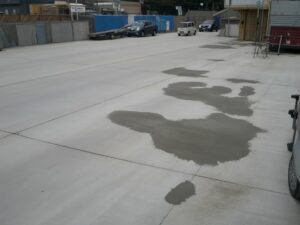
This is arguably the most frequent cause of temporary dark spots. Concrete needs a specific amount of water to properly hydrate and cure. If the water content is inconsistent throughout the slab, or if drying conditions vary, certain areas can retain more moisture for longer periods. These wetter areas will appear darker because the water fills the pores, making the surface less reflective and thus, darker. This phenomenon is often referred to as “wet spots on concrete” or “hydration stains.”
- Uneven Drying: Areas exposed to less air circulation or shaded spots will dry slower.
- Internal Moisture: Water trapped beneath the slab or within the concrete matrix due to poor drainage or high water table.
- Curing Compounds: Improper application of curing compounds can lead to uneven drying and color variations.
Often, these spots will fade as the concrete fully dries and cures over weeks or even months. Patience is key in these scenarios.
Aggregates and Impurities
The raw materials used in concrete mix—sand, gravel (aggregates), cement, and water—can sometimes be the source of discoloration. Impurities within these components can react or simply show through the surface.
- Organic Matter: Small pieces of wood, leaves, or other organic debris in the sand or gravel can leach tannins or other compounds, causing dark stains.
- Mineral Stains: Iron particles in aggregates can oxidize, leading to rust-like or dark gray/black spots. Certain minerals can react with the cement or water to create localized dark areas.
- Contaminated Water: Using water with high mineral content or organic impurities can also contribute to staining.
These types of mineral stains or organic discolorations are often more permanent if not treated early.
Chemical Reactions and Admixtures
Modern concrete often includes admixtures to enhance its properties, such as accelerators, retarders, or water reducers. While beneficial, improper mixing or over-concentration of these chemicals can lead to localized discoloration.
- Calcium Chloride Accelerators: These are commonly used in cold weather but can cause mottling or dark gray patches if not uniformly distributed throughout the mix.
- Other Admixtures: Certain dyes or pigments, if not thoroughly blended, can create streaks or darker areas.
These concrete admixtures need to be used precisely according to manufacturer specifications to avoid aesthetic issues.
Surface Contamination
Even the cleanest new concrete can fall victim to external contaminants during or shortly after placement. Its porous nature makes it susceptible to absorbing spills.
- Oil and Grease: Spills from machinery, vehicles, or even food can quickly create prominent oil stains on new concrete.
- Leaf and Organic Debris: Leaves, berries, or other plant matter left on damp new concrete can leach tannins, leaving dark brown or black stains.
- Mold and Mildew: In damp, shaded conditions, mold or mildew can grow on the surface, appearing as dark, often fuzzy, patches. This is a common form of mold on concrete.
- Tire Marks: Scuff marks from tires can sometimes leave dark streaks.
These surface contaminations are often easier to identify and treat, provided they haven’t deeply penetrated the concrete.
Efflorescence vs. Dark Spots
It’s important to distinguish between dark spots and efflorescence. While efflorescence also causes discoloration, it typically appears as white, powdery deposits on the surface. It’s caused by soluble salts migrating to the surface and crystallizing as water evaporates. Dark spots, on the other hand, are usually a result of retained moisture, organic growth, or embedded impurities, making the surface appear darker rather than lighter.
Diagnosing the Dark Spots On New Concrete
Before attempting any treatment, accurately diagnosing the cause of the dark spots is crucial. A wrong approach could worsen the problem or be ineffective.
Visual Inspection
- Pattern and Shape: Are the spots random, in a specific pattern (e.g., along edges, in the center), or under certain objects?
- Color and Texture: Are they truly black, dark gray, brownish, or greenish? Do they look damp, fuzzy, or embedded?
- Spread: Are they spreading over time or remaining static?
Timing of Appearance
When did the spots first appear?
- Immediately after pouring/curing: Suggests issues with moisture, aggregates, or admixtures.
- Weeks/Months later: Points more towards external contamination, mold growth, or delayed moisture issues.
Location
Where are the spots located?
- Shaded areas: Often indicative of prolonged moisture retention or mold/mildew.
- Near plants/trees: Could be organic leaching.
- Under vehicles/machinery: Likely oil or grease stains.
- Near water sources (leaks, downspouts): Points to moisture intrusion.
Effective Solutions for Removing Dark Spots On New Concrete
Once you’ve identified the likely cause, you can select the most appropriate removal method. Always test any cleaning solution on an inconspicuous area first.
Mild Cleaning Methods (for light stains/surface contaminants)
- Soap and Water: For general dirt, light organic stains, or minor scuffs, a stiff brush with warm water and a mild dish soap can be effective.
- Pressure Washing: A pressure washer can be very effective for surface dirt, grime, and light mold. Use a wide-angle tip (25-40 degrees) and keep the nozzle moving to avoid damaging the concrete surface. Start with lower pressure and increase as needed.
Specific Stain Removal Techniques
Organic Stains (Mold, Mildew, Leaves, Berries)
For greenish, brownish, or black spots caused by organic growth or decaying plant matter:
- Oxygen Bleach: Mix oxygen bleach (e.g., OxiClean) with water according to package directions. Apply to the stained area, let it sit for 15-30 minutes (do not let it dry), then scrub with a stiff brush and rinse thoroughly.
- Hydrogen Peroxide: A 3% hydrogen peroxide solution can also be effective. Apply, let sit, scrub, and rinse. For stubborn mold, a diluted bleach solution (1 part bleach to 3 parts water) can be used, but rinse extensively to avoid damaging surrounding plants or leaving residue.
Oil/Grease Stains
These stains require a degreasing agent to break down the oil.
- Commercial Concrete Degreasers: Follow product instructions carefully. Many involve applying the degreaser, allowing it to penetrate, scrubbing, and then rinsing.
- Poultice Method: For deeply set stains, create a paste (poultice) using an absorbent material (like cat litter, sawdust, or baking soda) mixed with a solvent (like mineral spirits or acetone for small, fresh stains; commercial degreaser for older stains). Apply a thick layer over the stain, cover with plastic wrap, and let it sit for 12-24 hours. The poultice will absorb the oil as it dries. Scrape off the dried paste and rinse.
Rust Stains
If the dark spots have a reddish-brown hue, they might be rust.
- Oxalic Acid: Found in many commercial rust removers for concrete. Always follow safety precautions, wear protective gear, and rinse thoroughly.
Mineral/Moisture-Related Dark Spots
These are often the trickiest. If the spots are due to uneven drying or trapped moisture:
- Patience: Often, these spots will naturally fade as the concrete fully dries out over time. Ensure proper ventilation and drainage around the concrete.
- Professional Help: For persistent moisture issues, a professional might need to assess underlying drainage problems or apply specialized treatments.
Addressing Curing-Related Issues
If the dark spots are due to improper curing compounds or admixtures, the options are more limited. Time may help them fade, but sometimes the discoloration can be permanent. In such cases, staining or coating the concrete after it has fully cured might be the best aesthetic solution.
Preventing Dark Spots On New Concrete: Best Practices
Prevention is always better than cure. By following best practices during and after concrete installation, you can significantly reduce the likelihood of developing dark spots on new concrete.
Quality Materials
- Clean Aggregates: Ensure the sand and gravel are free from organic matter and excessive iron particles.
- Reputable Cement: Use high-quality cement from trusted suppliers.
- Clean Water: Always use clean, potable water for the mix.
Proper Mixing and Placement
- Consistent Water-Cement Ratio: Adhere strictly to the recommended water-cement ratio to ensure uniform hydration and strength.
- Thorough Mixing: Ensure all components, especially admixtures, are thoroughly and evenly blended throughout the concrete mix.
- Even Spreading: Place and finish the concrete evenly to promote uniform drying.
Controlled Curing
Proper concrete curing is paramount for strength and appearance.
- Keep Concrete Moist: For the first 7-28 days, keep the concrete moist. This can be done by regular misting, using wet burlap, or applying plastic sheeting or specialized curing blankets.
- Curing Compounds: If using a curing compound, apply it evenly and according to manufacturer instructions.
- Avoid Rapid Drying: Protect newly placed concrete from direct sun, strong winds, and extreme temperatures, which can cause rapid, uneven drying.
Protection During and After Construction
- Cover During Construction: Protect the fresh concrete from spills, foot traffic, and falling debris (like leaves) during the initial curing phase.
- Prompt Cleanup: Immediately clean up any spills of oil, grease, or other contaminants.
- Drainage: Ensure proper site drainage to prevent water from pooling on or around the concrete.
- Apply a Concrete Sealer: Once the concrete is fully cured (typically 28 days), applying a high-quality concrete sealer is one of the best preventative measures. A good sealer will create a barrier that repels water, oil, and other stains, making future cleanup much easier and protecting against moisture intrusion.
Recommended Products
While many dark spots can be addressed with common household items, specific products can make the job easier and more effective, especially for stubborn stains or for long-term prevention. Here are some types of products that can be helpful:
Commercial Concrete Degreaser
Essential for effectively breaking down and lifting oil and grease stains from your new concrete surface. Look for formulas specifically designed for concrete.
Oxygen Bleach Powder (for Concrete)
A non-chlorine bleach alternative excellent for removing organic stains like mold, mildew, algae, and leaf tannins without harsh chemicals that can damage concrete or plants.
Concrete Mold and Mildew Remover
Specialized cleaners formulated to kill and remove stubborn mold and mildew growth, restoring the original look of your concrete.
High-Quality Penetrating Concrete Sealer
The ultimate preventative measure. A good sealer penetrates the concrete, protecting it from moisture, oil, salt, and other stain-causing agents, making it easier to clean.
Frequently Asked Questions about Dark Spots On New Concrete
1. Are dark spots on new concrete normal?
Yes, to a certain extent. Many dark spots on new concrete, especially those related to moisture or uneven drying, are quite common and often temporary. The concrete is still hydrating and drying out, which can cause variations in appearance. However, widespread or persistent dark spots, or those accompanied by other issues, might indicate a more significant problem.
2. How long do dark spots from moisture take to disappear?
Dark spots caused by moisture retention or uneven curing can take anywhere from a few weeks to several months to disappear completely. This depends on factors like ambient temperature, humidity, air circulation, and the thickness of the concrete slab. Patience is often the best approach for these types of spots, ensuring the concrete has ample time to fully dry and cure.
3. Can I paint or seal over dark spots?
It is generally not recommended to paint or seal over active dark spots on new concrete, especially if they are due to moisture. Sealing or painting can trap the moisture, potentially leading to future issues like delamination of the coating, efflorescence, or even exacerbating mold growth. It’s best to identify and resolve the cause of the dark spots first, ensure the concrete is fully dry, and then apply a sealer or coating for protection and aesthetic improvement.
4. When should I call a professional for dark spots on new concrete?
You should consider calling a professional if the dark spots are persistent, spreading, or resistant to your cleaning efforts. If you suspect structural issues, severe underlying moisture problems, or if the discoloration appears to be deep-seated and widespread, a concrete specialist or contractor can provide an expert diagnosis and recommend appropriate solutions.
5. Are dark spots a sign of weak concrete?
Not necessarily. While some dark spots can be related to issues in the concrete mix or curing, they don’t automatically mean the concrete is structurally weak. Many common causes, like surface contamination or temporary moisture variations, do not affect the concrete’s integrity. However, if the spots are accompanied by cracking, crumbling, or other signs of deterioration, then it might be indicative of a deeper problem.
6. What’s the difference between dark spots and efflorescence?
Dark spots typically refer to areas where the concrete appears darker due to retained moisture, organic growth (like mold), or embedded impurities. Efflorescence, on the other hand, is usually a white, powdery, or crystalline deposit on the surface of concrete. It occurs when water carrying soluble salts migrates to the surface and evaporates, leaving the salt behind. While both are aesthetic issues, their causes and remedies differ.
Conclusion
Witnessing dark spots on new concrete can undoubtedly be disheartening after investing in a fresh surface. However, as we’ve explored, these discolorations are often a common occurrence with identifiable causes, ranging from simple moisture imbalances and organic growth to more complex material impurities or curing issues. The key lies in accurate diagnosis and choosing the right treatment method, whether it’s a mild scrub, a specialized cleaner, or simply the patience to allow the concrete to fully dry and cure.
Remember that prevention is your best ally. By ensuring quality materials, proper mixing, meticulous curing practices, and promptly protecting your new concrete from contaminants, you can significantly minimize the chances of these spots appearing. And once your concrete has fully cured, applying a high-quality sealer offers a robust defense against future staining and moisture intrusion. Don’t let those initial dark patches diminish your enjoyment of your new concrete. With a little understanding and the right approach, you can maintain its pristine condition for years to come.
“`