Few plants evoke tropical paradise quite like the plumeria, with its fragrant, waxy blooms and lush foliage. These stunning plants are a favorite in gardens across the warmer regions of the USA, bringing a touch of exotic beauty to any landscape. However, the joy of growing plumerias can sometimes be overshadowed by a common and frustrating issue: the appearance of dark spots on plumeria leaves. If you’ve noticed your vibrant green leaves developing unsightly blemishes, you’re not alone. These spots can range from tiny specks to large, spreading blotches, often causing concern among even seasoned gardeners.
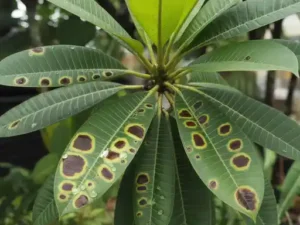
Understanding the root cause of these mysterious marks is the first step toward restoring your plumeria’s health and aesthetic appeal. Are they a sign of a serious disease, a minor pest problem, or perhaps just an environmental hiccup? This comprehensive guide will delve deep into the various reasons why your plumeria leaves might be showing dark spots, offering practical advice, effective treatments, and preventative measures. By the end of this article, you’ll be equipped with the knowledge to diagnose, treat, and prevent those unwelcome dark spots on plumeria leaves, ensuring your beloved plant thrives for years to come.
Understanding Dark Spots On Plumeria Leaves: A Gardener’s Guide
Plumerias (Frangipani), known for their iconic flowers and tropical allure, are generally robust plants. However, like all living organisms, they can encounter health issues. One of the most frequently observed problems is the development of dark spots on plumeria leaves. These spots are not merely a cosmetic issue; they are often indicators of underlying stress, disease, or pest activity that, if left unaddressed, can impact the plant’s overall vigor and bloom production.
The Allure of Plumeria and Common Leaf Issues
Plumerias are prized for their beautiful, fragrant flowers that come in a dazzling array of colors. Their large, leathery leaves provide a lush backdrop to these blooms. When these leaves start to develop blemishes, it can be quite disheartening for any gardener. Beyond just dark spots, plumeria leaves can also show signs like yellowing, wilting, or premature dropping. Focusing on dark spots on plumeria leaves specifically, it’s crucial to understand that their appearance can vary significantly, offering clues to their origin.
Why Do Plumeria Leaves Get Dark Spots? (Overview of Causes)
The reasons behind dark spots on plumeria leaves are diverse, ranging from biological threats to environmental stressors. Generally, they fall into three main categories:
- Fungal Infections: These are arguably the most common culprits, thriving in warm, humid conditions.
- Bacterial Infections & Environmental Stress: Less common but still significant, these can be triggered by improper care or adverse weather.
- Pest Infestations: Tiny invaders can cause damage that manifests as spots or leads to secondary infections.
Pinpointing the exact cause requires careful observation and an understanding of your plant’s growing conditions. Let’s explore these causes in detail.
Common Causes of Dark Spots On Plumeria Leaves
Identifying the precise reason for those unsightly dark spots on plumeria leaves is key to effective treatment. Here, we break down the most frequent offenders.
Fungal Infections: The Usual Suspects
Fungi love moisture and warmth, making many tropical and subtropical environments ideal breeding grounds. Several fungal diseases can cause dark spots on plumeria foliage.
- Rust Disease (Plumeria Rust): This is perhaps the most prevalent fungal issue for plumerias. It typically appears as small, orange-yellow powdery pustules on the underside of leaves, which can then cause corresponding dark, necrotic spots on the upper surface. As the disease progresses, leaves may turn yellow and drop prematurely. It’s caused by the fungus Coleosporium plumeriae.
- Anthracnose: Characterized by irregular brown or black spots, often with a yellow halo, anthracnose can affect leaves, stems, and flowers. The spots may merge to form larger blotches, leading to leaf distortion and drop. This fungus, often from the genus Colletotrichum, thrives in wet conditions.
- Sooty Mold: While not directly causing dark spots, sooty mold often appears as a black, powdery coating on leaves. It grows on the sticky honeydew excreted by sap-sucking pests like aphids, mealybugs, and scale insects. The mold itself doesn’t harm the plant directly but can block sunlight, hindering photosynthesis and making the underlying dark spots from pests or other issues more pronounced.
Bacterial Infections and Environmental Stress
Sometimes, the dark spots aren’t from fungi but from bacteria or non-biological factors.
- Bacterial Leaf Spot: These spots are typically small, angular, and water-soaked, eventually turning dark brown or black. They can be surrounded by a yellow halo and may cause leaves to become distorted or drop. Bacterial infections are often spread by splashing water.
- Sunburn or Heat Stress: Plumerias love sun, but intense, direct sun, especially after a period of cloudy weather or if the plant is moved without acclimatization, can cause leaf scorch. This manifests as large, irregular brown or black patches, particularly on the edges or tips of leaves exposed to the most sun.
- Nutrient Deficiencies: While less common for direct dark spots, severe deficiencies, particularly of potassium, can sometimes lead to necrotic (dead, dark) spots on leaf margins or between veins. A general yellowing usually accompanies this.
- Watering Issues (Overwatering/Underwatering): Both extremes can stress the plant and make it more susceptible to disease, or directly cause leaf damage. Overwatering can lead to root rot, which manifests as wilting and dark, mushy spots, while severe underwatering can cause brown, crispy spots and leaf drop.
Pest Infestations and Their Aftermath
Pests themselves might not cause dark spots directly, but their feeding habits can lead to secondary infections or visible damage that appears as spots.
- Spider Mites: Tiny and hard to see, spider mites suck sap from leaves, causing tiny yellow or white stippling. In severe infestations, the damaged areas can turn brown or black, resembling dark spots, and fine webbing may be visible.
- Mealybugs: These small, white, cottony insects also feed on plant sap. While they don’t cause dark spots directly, their honeydew excretion can lead to sooty mold, which then gives the appearance of black spots.
Diagnosing Dark Spots: A Step-by-Step Approach
Effective treatment begins with accurate diagnosis. When you see dark spots on plumeria leaves, take a moment to play detective.
Observe and Identify
Look closely at the spots:
- Location: Are they on the upper or lower surface? Edges or center?
- Color and Texture: Are they truly black, brown, or purplish? Are they powdery, sunken, raised, or water-soaked?
- Pattern: Are they scattered randomly, concentrated in certain areas, or following leaf veins?
- Progression: How quickly are they spreading? Are new leaves affected?
- Associated Symptoms: Is there yellowing, wilting, leaf drop, webbing, or sticky residue (honeydew)?
For example, orange pustules on the underside of a leaf strongly indicate rust. Black, sooty coating suggests sooty mold (and therefore pests). Irregular brown spots with a yellow halo might point to anthracnose or bacterial leaf spot.
Consider Environmental Factors
Think about recent changes or conditions:
- Weather: Has there been a lot of rain or high humidity recently?
- Sun Exposure: Has the plant moved to a sunnier spot, or has a heatwave occurred?
- Watering Schedule: Have you overwatered or underwatered?
- Fertilization: When was the last time you fertilized, and what type did you use?
When to Seek Professional Help
If you’ve tried common treatments without success, or if the problem is rapidly worsening and you can’t identify the cause, consider consulting a local nursery expert or your agricultural extension office. They can often provide more specific diagnoses and recommendations based on local conditions and available treatments.
Effective Treatments and Prevention Strategies for Dark Spots On Plumeria Leaves
Once you’ve identified the likely cause of the dark spots on plumeria leaves, you can implement targeted treatments and, more importantly, put preventative measures in place to keep your plumeria healthy.
Cultural Practices for Healthy Plumeria
Good gardening practices are your first line of defense against most plant ailments.
- Proper Watering: Plumerias prefer deep watering, allowing the soil to dry out between waterings. Avoid overhead watering, especially in the evening, as wet foliage provides ideal conditions for fungal growth. Use a drip irrigation system or water at the base of the plant.
- Adequate Sunlight and Air Circulation: Plumerias thrive in full sun (at least 6 hours daily). Good air circulation around the plant helps dry leaves quickly after rain or watering, reducing fungal pressure. Avoid overcrowding plants.
- Fertilization Schedule: Use a balanced fertilizer during the growing season (spring and summer). A fertilizer high in phosphorus can encourage blooms. Avoid excessive nitrogen, which can promote lush, soft growth more susceptible to disease.
- Pruning and Sanitation: Regularly inspect your plumeria. Promptly remove and destroy any leaves or branches showing severe dark spots on plumeria leaves or other signs of disease. Sterilize pruning tools between cuts and between plants to prevent disease spread. Always clean up fallen leaves and debris around the plant.
Organic and Chemical Treatment Options
Depending on the severity and cause, you might need to apply treatments.
- Neem Oil: An excellent organic option, neem oil acts as a fungicide and an insecticide. It’s effective against rust, anthracnose (to a degree), spider mites, and mealybugs. Mix according to package directions and apply thoroughly, ensuring coverage of both upper and lower leaf surfaces. Apply in the early morning or late evening to avoid leaf burn in direct sun.
- Fungicides: For persistent or severe fungal issues like rust or anthracnose, a targeted fungicide may be necessary.
- Copper-based Fungicides: These are effective against a broad range of fungal and bacterial diseases.
- Myclobutanil-based Fungicides: Often recommended specifically for rust diseases.
Always follow the manufacturer’s instructions for mixing and application rates, and consider the environmental impact.
- Insecticidal Soaps: For pest infestations like spider mites or mealybugs, insecticidal soaps can be very effective. They work by smothering the pests. Ensure thorough coverage, especially on the undersides of leaves where pests often hide.
Long-Term Prevention: Building Resilience
The best defense is a good offense. Focus on creating an environment where your plumeria can naturally resist diseases and pests.
- Choose Resistant Varieties: If you’re planting new plumerias, research varieties known for their disease resistance in your area.
- Quarantine New Plants: Before introducing new plumerias to your garden, keep them separate for a few weeks to ensure they are pest and disease-free.
- Monitor Regularly: Make it a habit to inspect your plumeria leaves weekly, paying close attention to both upper and lower surfaces. Early detection of dark spots on plumeria leaves or pests makes treatment much easier and more effective.
- Promote Soil Health: Healthy soil leads to healthy plants. Incorporate organic matter to improve drainage and provide essential nutrients.
Recommended Products
Bonide Neem Oil Concentrate
A natural, organic fungicide, insecticide, and miticide effective against many common plumeria pests and diseases causing dark spots.
Southern Ag Triple Action Neem Oil
Another versatile neem oil product for organic pest and disease control on plumeria and other ornamental plants.
Bonide Copper Fungicide
An OMRI-listed, broad-spectrum fungicide and bactericide, ideal for treating fungal and bacterial leaf spot issues.
Garden Safe Insecticidal Soap
An organic solution for tackling soft-bodied pests like spider mites and mealybugs that can contribute to dark spots and sooty mold.
Fiskars Pruning Shears
Essential for removing diseased leaves and branches, promoting good air circulation, and maintaining plant health. Ensure they are sterilized before use.
FAQ Section: Your Questions About Dark Spots On Plumeria Leaves Answered
Q1: Are all dark spots on plumeria leaves serious?
Not necessarily. While any dark spot warrants attention, their seriousness depends on the cause and extent. Small, isolated spots that don’t spread rapidly might be minor. However, widespread or rapidly spreading spots, especially if accompanied by yellowing or leaf drop, indicate a more serious issue that requires prompt action.
Q2: Can dark spots spread to other plants?
Yes, many causes of dark spots are highly contagious. Fungal diseases like rust and anthracnose, as well as bacterial infections, can easily spread to other plumerias and sometimes even to different plant species, especially under favorable conditions (high humidity, splashing water). Pests like spider mites and mealybugs can also migrate between plants. Always isolate affected plants if possible and practice good sanitation.
Q3: Will dark spots affect my plumeria blooms?
Yes, indirectly. While dark spots typically affect leaves first, severe infections or infestations can weaken the entire plant. A weakened plumeria may produce fewer blooms, smaller flowers, or even fail to bloom altogether. The plant’s energy is diverted to fighting the disease or pest rather than producing its beautiful flowers.
Q4: How often should I check my plumeria for dark spots?
Regular inspection is key. During the active growing season (spring and summer), aim to inspect your plumeria leaves at least once a week. Pay close attention to both the upper and lower surfaces of the leaves. Early detection of any issue, including dark spots on plumeria leaves, makes treatment much easier and more effective, preventing widespread problems.
Q5: When is the best time to treat dark spots?
As soon as you notice them. Timely intervention is crucial. For chemical or organic sprays like neem oil or fungicides, apply them in the early morning or late evening when temperatures are cooler and the sun is not intense. This prevents leaf burn and allows the product to be absorbed effectively before evaporation.
Q6: Can I prevent dark spots on plumeria leaves entirely?
While complete prevention isn’t always possible, you can significantly reduce the risk. By providing optimal growing conditions (full sun, good drainage, proper watering, adequate air circulation), practicing good sanitation (removing diseased leaves, sterilizing tools), and regular monitoring, you can create a strong, resilient plumeria that is much less susceptible to developing problematic dark spots on plumeria leaves.
Conclusion: Nurturing Your Plumeria Back to Health
Discovering dark spots on plumeria leaves can be disheartening, but it’s a common challenge that every plumeria enthusiast might face. From the pervasive plumeria rust to the insidious work of spider mites and the effects of environmental stress, understanding the diverse range of culprits is your first step toward effective management. We’ve explored how fungal diseases like anthracnose, bacterial infections, and even simple sunburn can manifest as these unwelcome blemishes, each requiring a slightly different approach for diagnosis and treatment.
Remember, the health of your plumeria often reflects the care it receives. Implementing sound cultural practices—such as proper watering, ensuring ample sunlight and air circulation, and vigilant sanitation—forms the bedrock of prevention. When issues arise, targeted treatments using organic options like neem oil or appropriate fungicides and insecticidal soaps can help restore your plant’s vitality. By staying observant, acting promptly, and consistently providing the best possible environment, you can minimize the occurrence of dark spots on plumeria leaves and ensure your beautiful plumeria continues to thrive, gracing your garden with its exquisite fragrance and stunning blooms for many seasons to come. Happy gardening!