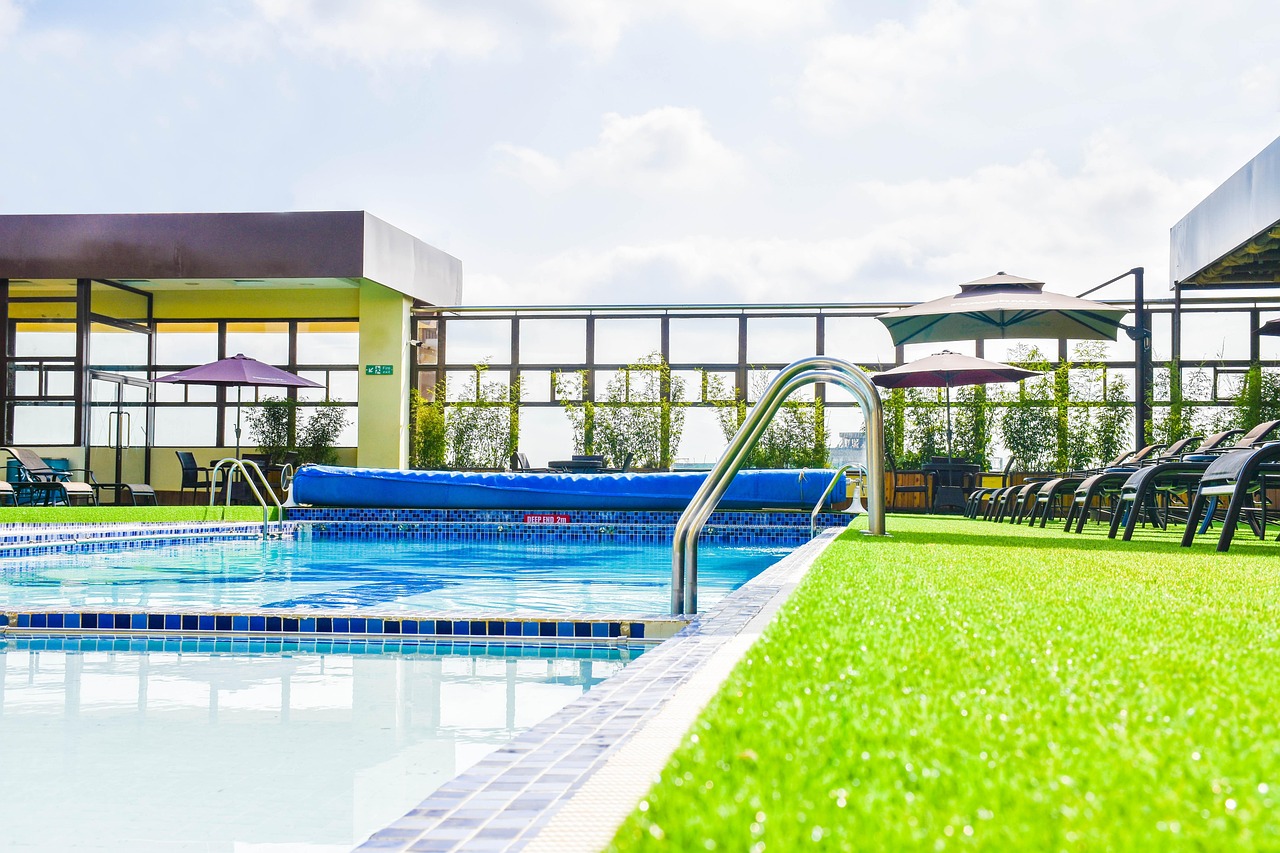
There’s nothing quite like the inviting sparkle of a clean, clear swimming pool on a hot day. But that pristine vision can quickly be marred by the unwelcome appearance of dark spots on pool liner. These unsightly blemishes can transform your backyard oasis into a source of frustration, leaving you wondering what they are and, more importantly, how to get rid of them. Whether they’re small, isolated specks or larger, more widespread discolorations, dark spots signal an underlying issue that needs attention.
Ignoring these dark spots won’t make them disappear; in fact, they often worsen over time, potentially leading to more significant problems and greater expense. From stubborn algae growths to metallic stains or even mold, identifying the exact cause is the first crucial step toward effective treatment. This comprehensive guide will walk you through everything you need to know about dark spots on pool liner from pinpointing their origin to applying proven removal techniques and, most importantly, implementing preventative measures to keep your liner looking flawless. Get ready to reclaim your sparkling pool and enjoy endless summer fun!
Understanding the Enemy: What Causes Dark Spots On Pool Liner?
Before you can effectively treat dark spots on pool liner, you need to understand what’s causing them. Various culprits can lead to these undesirable marks, each requiring a specific approach for removal.
The Menace of Black Algae
Often mistaken for dirt, black algae is perhaps the most notorious cause of dark spots. It’s not actually an algae in the traditional sense, but rather a stubborn form of cyanobacteria that forms a protective, multi-layered shield over its colonies. This makes it incredibly resistant to chlorine and brushing. Black algae typically appears as small, raised, black or dark blue-green spots, often found in rough areas of the liner, cracks, or shaded spots.
Fungal & Mold Growth
Similar to black algae, certain types of fungi and mold can manifest as dark spots, particularly in areas with poor circulation or where water sits for extended periods. These spots might appear fuzzy or slimy and can range from dark green to black or brown. They thrive in damp, warm environments and can be particularly persistent if not addressed promptly.
Metal Stains (Iron, Copper)
If you have well water, copper pipes, or even certain pool chemicals, metal particles can enter your pool water. When these metals oxidize, they can settle onto your liner, causing distinct discolorations. Iron stains often appear as dark brown, reddish-brown, or rust-colored spots, while copper stains typically present as blue-green, black, or even purple marks. These are not biological growths and require a different treatment strategy.
Organic Debris & Dirt Accumulation
Leaves, twigs, insects, and other organic matter that settle on the pool liner for extended periods can decompose and leave dark, murky stains. These spots are usually brown or yellowish-brown and tend to occur where debris has been allowed to sit undisturbed, often in corners or on steps. Even fine dirt particles can accumulate and stain the liner over time.
Chemical Imbalance & Staining
Sometimes, improper pool chemistry can lead to stains. For example, high pH levels can cause scaling and mineral deposits that appear dark. Certain concentrated chemicals, if not properly dissolved or applied, can also bleach or stain the liner in localized dark patches.
Diagnosing Your Dark Spots: Identifying the Culprit
Knowing the type of dark spots on your pool liner is crucial for choosing the correct removal method. Here’s how to play detective:
Color and Texture Clues
- Black/Dark Green, Raised Bumps: Likely black algae. It feels slimy but can be hard to scrub off.
- Brown/Reddish-Brown: Often iron stains, especially if you have well water.
- Blue-Green/Black/Purple: Points to copper stains.
- Brown/Yellowish-Brown, Flat, Irregular Shapes: Suggests organic debris stains.
- Dark, Fuzzy/Slimy Patches: Could be mold or fungus, often in low-circulation areas.
Location, Location, Location
Where the spots appear can offer hints:
- Rough surfaces, cracks, grout lines: Common for black algae and mold.
- Near metal fixtures (ladders, drains): Often metal stains.
- Bottom of the pool, corners, steps: Indicates organic debris accumulation.
- Along the waterline: Could be a combination of dirt, oils, or even certain types of algae.
The Rub Test
For biological stains (algae, mold), try scrubbing the spot vigorously with a stiff brush. If it smears or reduces in intensity but doesn’t disappear, it’s likely biological. Metal or chemical stains typically won’t budge with scrubbing alone.
Effective Strategies to Remove Dark Spots On Pool Liner
Once you’ve identified the type of dark spots on your pool liner, you can apply the appropriate treatment. Always test any new chemical on an inconspicuous area first.
Tackling Black Algae, Fungi & Mold
These biological invaders require persistence and a multi-pronged attack.
- Brushing: Use a heavy-duty pool brush (stainless steel for plaster pools, nylon for vinyl liners) to vigorously scrub the spots. This breaks open the protective layers of black algae, allowing chemicals to penetrate.
- Shock Treatment: “Shock” your pool with a high dose of chlorine. For severe black algae, you might need a triple or quadruple shock. Do this at dusk and run your pump overnight.
- For vinyl liners, pre-dissolve granular shock in a bucket of water before adding it to the pool to prevent bleaching.
- Specialized Algaecides: After shocking and brushing, apply a black algae algaecide. These often contain copper or quaternary ammonium compounds designed to penetrate and kill the stubborn cells. Follow product instructions carefully.
- Spot Treatment (Optional): For very tough spots, you can apply a small amount of granular chlorine directly onto the spot using a sock or a specialized applicator, but be extremely careful as this can bleach vinyl liners.
Eliminating Metal Stains
Metal stains are chemical, not biological, so chlorine and scrubbing won’t help and can even set the stain further.
- Metal Sequestrants: These chemicals bind to metal ions in the water, preventing them from oxidizing and staining. They can also help lift existing stains. Add a pool metal sequestrant according to package directions.
- Ascorbic Acid Treatment: For severe metal stains, ascorbic acid (Vitamin C) is often highly effective. You can buy specialized pool stain removers containing ascorbic acid, or in a pinch, use pure vitamin C powder.
- Lower your chlorine level to near zero.
- Apply the ascorbic acid directly to the stained area or broadcast it over the entire pool for widespread staining.
- Wait several hours (or overnight) for the stains to disappear.
- Once stains are gone, rebalance your water chemistry and raise chlorine levels.
Removing Organic & Dirt Stains
These are generally the easiest to remove.
- Spot Cleaning: Use a pool stain eraser or a soft brush with a mild pool surface cleaner.
- Enzyme Cleaners: For persistent organic stains, pool enzyme cleaners break down organic matter, helping to lift stains and reduce buildup.
- Vacuuming: Regular and thorough vacuuming prevents debris from settling and staining.
Addressing Chemical Stains
These are often a result of improper chemical application or prolonged imbalance.
- Balancing Pool Chemistry: Ensure your pH, alkalinity, and calcium hardness are all within ideal ranges. An imbalanced pool is more prone to staining.
- Proper Chemical Addition: Always pre-dissolve granular chemicals and add them slowly to the water, away from the liner, to prevent localized bleaching or staining.
Prevention is Key: Keeping Your Pool Liner Spot-Free
The best way to deal with dark spots on pool liner is to prevent them from appearing in the first place. Consistent maintenance is your strongest defense.
Regular Pool Maintenance
- Brush Your Pool Weekly: Even if you don’t see anything, regular brushing helps dislodge nascent algae and debris.
- Vacuum Regularly: Prevent organic material from settling and staining. Consider a robotic pool cleaner for convenience.
- Clean Skimmer Baskets and Pump Strainer: Ensure proper water circulation and filtration.
Maintain Proper Water Chemistry
Test your pool water 2-3 times per week using test strips or a liquid test kit and adjust as needed:
- pH: 7.4-7.6 (ideal), 7.2-7.8 (acceptable)
- Alkalinity: 80-120 ppm
- Calcium Hardness: 200-400 ppm (for vinyl liners, aiming for the lower end is fine)
- Free Chlorine: 1-3 ppm
- Cyanuric Acid (CYA): 30-50 ppm (for outdoor pools)
Algae Prevention
- Consistent Chlorination: Maintain adequate free chlorine levels at all times.
- Routine Shocking: Shock your pool weekly or bi-weekly, especially during heavy use or hot weather.
- Preventative Algaecide: Consider adding a maintenance dose of a broad-spectrum algaecide, particularly if algae has been a recurring problem.
Cover Your Pool
When not in use, a pool cover can prevent leaves and debris from entering the pool, reduce UV degradation of chemicals, and minimize evaporation.
Recommended Products
HTH Super Shock Treatment
A powerful granular chlorine shock to eliminate algae, bacteria, and other contaminants. Essential for clearing up cloudy water and tackling stubborn algae.
BioGuard Spot Kill Black Algae Eliminator
A specialized algaecide formulated to target and eradicate resistant black algae, often used in conjunction with shocking and brushing for best results.
Natural Chemistry Stain Free
An ascorbic acid-based stain remover effective for lifting metal and organic stains from pool surfaces without harsh scrubbing.
Essential for dislodging algae and dirt from vinyl pool liners. A good quality brush is crucial for effective mechanical cleaning before chemical treatments.
Frequently Asked Questions About Dark Spots On Pool Liner
Are dark spots on pool liners harmful?
While most dark spots on pool liners aren’t immediately harmful to swimmers, they indicate underlying issues that can be. Black algae, for example, can be a breeding ground for bacteria, and severe metal staining can impact water quality over time. Plus, they significantly detract from your pool’s aesthetic appeal, making it less inviting.
How long does it take to remove black algae?
Removing black algae can be a protracted battle. It typically takes several days to a week, sometimes longer for severe infestations. The process involves consistent brushing, multiple shock treatments, and specialized algaecides. Patience and persistence are key, as its protective layers are tough to penetrate.
Can I use household bleach to remove dark spots?
While household bleach (sodium hypochlorite) is a form of chlorine, it’s generally not recommended for direct application to pool liners. Its concentration is usually lower than pool shock, and direct application can cause uneven bleaching, damage the liner, or significantly alter local water chemistry. It’s safer and more effective to use pool-specific chemicals designed for the volume and conditions of pool water.
Will shocking my pool remove all dark spots?
Shocking your pool is very effective against most types of algae and bacteria. However, it will not remove metal stains, which require specific metal sequestering agents or ascorbic acid treatments. While it helps weaken black algae, it usually won’t completely eliminate it without vigorous brushing and a specialized algaecide due to its protective layers.
When should I call a professional for pool liner spots?
Consider calling a professional if you’ve tried multiple treatments without success, if the spots are widespread and severe, or if you’re unsure about the cause. Professionals have access to stronger chemicals, specialized equipment, and expertise to diagnose and treat complex staining issues safely and effectively. They can also advise if the liner damage is beyond simple cleaning.
Can sun exposure cause dark spots on a pool liner?
Direct sun exposure doesn’t typically cause dark spots directly, but it can contribute to liner degradation over time, making it more susceptible to staining. UV rays can weaken the liner material, cause fading, and make the surface more porous, allowing algae or minerals to penetrate and set more easily.
Conclusion
Dark spots on pool liner can be a frustrating challenge for any pool owner, but they are far from insurmountable. By understanding the common causes – from stubborn black algae and fungal growths to unsightly metal and organic stains – you equip yourself with the knowledge needed for effective action. Remember that accurate diagnosis is the cornerstone of successful treatment; a metal stain won’t disappear with an algaecide, and algae won’t yield to a metal sequestrant.
Ultimately, the key to maintaining a beautiful, spot-free pool liner lies in a proactive approach. Consistent attention to water chemistry, regular brushing and vacuuming, and timely shocking are your best defenses against these unwelcome blemishes. Don’t let a few spots diminish the joy of your swimming pool. With the right tools, techniques, and a commitment to routine care, you can ensure your pool liner remains pristine, inviting, and ready for endless hours of enjoyment. Dive into a crystal-clear pool, free from the worry of dark spots!
“`