
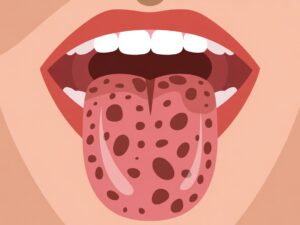
From subtle brown patches to more prominent black spots, dark spots on the tongue can manifest in various forms and colors. This phenomenon, often referred to as tongue hyperpigmentation or discoloration, can stem from a wide array of factors, ranging from dietary habits and oral hygiene to medication side effects and, in rare instances, more serious medical conditions. Understanding these potential causes is the first step toward addressing the issue and maintaining optimal oral health.
In this comprehensive guide, we’ll delve into the common reasons behind dark spots on the tongue, explore when these spots warrant a visit to a healthcare professional, and provide practical advice on prevention and care. Whether you’re dealing with a temporary stain or a persistent mark, this article aims to equip you with the knowledge needed to understand what’s happening and how to respond effectively. Let’s uncover the mysteries behind those intriguing spots!
What Causes Dark Spots On The Tongue? Exploring Common Reasons
The appearance of dark spots on the tongue can be unsettling, but it’s important to remember that many causes are benign and easily treatable. Let’s explore the most frequent culprits behind these discolorations, from temporary stains to more persistent conditions.
1. Black Hairy Tongue (Lingua Villosa Nigra)
Despite its alarming name, Black Hairy Tongue is a temporary, harmless condition. It occurs when the papillae (small, cone-shaped projections) on the tongue grow longer than usual and don’t shed properly. Food, bacteria, yeast, and tobacco can then get trapped in these elongated papillae, leading to a dark, often black or brown, furry appearance. Risk factors include:
- Poor oral hygiene
- Smoking or excessive tobacco use
- Certain medications (e.g., antibiotics, some antidepressants)
- Excessive coffee or tea consumption
- Dehydration
- Dry mouth
- Eating a soft diet that doesn’t adequately abrade the tongue
2. Food, Drink, and Tobacco Stains
Just like teeth, your tongue can become stained by what you consume. Highly pigmented foods and beverages are common causes of temporary dark spots on the tongue or overall discoloration. Consider these:
- Coffee and Tea: Regular consumption can lead to brown or black staining.
- Dark Berries: Blueberries, blackberries, and other dark-colored fruits can temporarily dye the tongue.
- Licorice and Candies: Artificial dyes, especially dark ones, can leave residues.
- Tobacco Products: Smoking or chewing tobacco is a significant cause of brown or black tongue discoloration due to nicotine and tar.
3. Oral Piercings
If you have a tongue piercing, you might notice a dark spot on the tongue directly around or under the jewelry. This can be due to a localized reaction to the metal, irritation, or even a minor tattoo effect from the jewelry constantly rubbing against the tissue, causing melanin to accumulate.
4. Medications
Certain medications can lead to tongue discoloration as a side effect. Bismuth-containing medications (like Pepto-Bismol) are a well-known example; they can react with sulfur in saliva to create a black stain on the tongue. Other drugs, particularly some antibiotics, can disrupt the oral microbiome, indirectly contributing to conditions like black hairy tongue.
5. Hyperpigmentation and Benign Lesions
Just like skin, the tongue can experience hyperpigmentation, leading to brown spots on the tongue. This can be a natural variation in some individuals, particularly those with darker skin tones, where melanin production is higher. Benign lesions such as:
- Melanotic macules: Flat, brown or black spots, similar to freckles, which are harmless and common.
- Oral nevi: Moles that can appear on the tongue, usually stable in size and color.
These are typically harmless but should be monitored for any changes.
6. Trauma or Injury
Sometimes, a small injury to the tongue – perhaps from biting it, a sharp tooth, or even vigorous brushing – can cause a localized bruise or irritation that appears as a dark spot. These usually resolve as the tissue heals.
7. Underlying Medical Conditions (Less Common)
While rarer, some systemic conditions can manifest as dark spots on the tongue:
- Addison’s Disease: A disorder where the adrenal glands don’t produce enough hormones, leading to generalized skin and mucous membrane darkening, including the tongue.
- Peutz-Jeghers Syndrome: A rare genetic disorder characterized by the development of benign polyps in the gastrointestinal tract and distinctive dark brown or black spots on the lips, oral mucosa (including the tongue), and fingers/toes.
- Vitamin Deficiencies: Deficiencies in certain B vitamins, particularly B12, can sometimes lead to changes in tongue appearance, though dark spots are less common than redness or a smooth texture.
- Oral Cancer: In very rare cases, a persistent, non-healing dark spot, especially one that is raised, firm, or accompanied by pain, numbness, or difficulty swallowing, could be a sign of oral cancer. This is why professional evaluation is crucial for any suspicious or persistent lesion.
When to Be Concerned: Red Flags and Medical Consultation
While many dark spots on the tongue are harmless, knowing when to seek professional medical advice is crucial. Pay close attention to the following signs that suggest a visit to your doctor or dentist is warranted:
- Persistence: If a dark spot doesn’t disappear after a few weeks, especially after improving oral hygiene and avoiding staining foods.
- Changes in Appearance: Any rapid increase in size, change in shape, color variation, or irregular borders of the spot.
- Pain or Discomfort: If the dark spot is accompanied by pain, burning, tenderness, or a constant irritating sensation.
- Bleeding: If the spot bleeds easily, especially without trauma.
- Associated Symptoms: If you experience other symptoms like difficulty swallowing, speaking, or moving your tongue; unexplained weight loss; swollen lymph nodes in the neck; or a persistent sore throat.
- Texture Changes: If the spot becomes raised, firm, or develops an ulceration.
Your healthcare provider can perform a thorough examination, take a detailed medical history, and, if necessary, conduct diagnostic tests like a biopsy to determine the exact cause of the tongue discoloration.
Diagnosis and Treatment Options for Tongue Discoloration
Diagnosing the cause of dark spots on the tongue typically begins with a comprehensive oral examination by a dentist or doctor. They will assess the color, size, texture, and location of the spots, as well as inquire about your diet, medications, oral hygiene habits, and any other symptoms.
Diagnostic steps may include:
- Visual Inspection: A careful look at your tongue and the rest of your mouth.
- Medical History: Questions about your health, medications, and lifestyle.
- Biopsy: If a suspicious lesion is found, a small tissue sample may be taken for laboratory analysis to rule out serious conditions like oral cancer.
- Blood Tests: To check for nutritional deficiencies (e.g., B12) or other systemic conditions.
Treatment approaches vary widely based on the underlying cause:
- For Black Hairy Tongue: Excellent oral hygiene is key. This includes regular brushing of the tongue, using a tongue scraper, and rinsing with an antimicrobial mouthwash. Avoiding tobacco and reducing consumption of coffee/tea can also help.
- For Stains from Food/Drink/Tobacco: Improved oral hygiene, including tongue scraping, and reducing or eliminating the causative agents will resolve the discoloration.
- For Medication-Induced Spots: If a medication is the culprit, your doctor might suggest an alternative if available. The spots often fade once the medication is stopped.
- For Benign Hyperpigmentation: These spots usually require no treatment, but regular monitoring for changes is advised.
- For Underlying Medical Conditions: Treatment will focus on managing the primary condition. For example, Addison’s disease would be treated with hormone replacement therapy.
- For Oral Cancer: Treatment typically involves surgery, radiation, chemotherapy, or a combination, depending on the stage and type of cancer. Early detection is vital for better outcomes.
Preventative Measures and Oral Hygiene Tips
Maintaining good oral hygiene is your best defense against many causes of dark spots on the tongue and other oral health issues. Here are some practical tips:
- Brush Your Tongue Regularly: Gently brush your tongue every time you brush your teeth. Many toothbrushes have a tongue cleaner on the back.
- Use a Tongue Scraper: This tool is highly effective at removing bacteria, dead cells, and food debris that can accumulate on the tongue’s surface, helping to prevent conditions like black hairy tongue.
- Stay Hydrated: Drinking plenty of water helps maintain saliva flow, which naturally cleanses the mouth and prevents dry mouth, a risk factor for tongue discoloration.
- Limit Staining Foods and Drinks: Reduce your intake of coffee, tea, dark sodas, and highly pigmented foods. If you do consume them, rinse your mouth with water afterward.
- Quit Smoking and Tobacco Use: Tobacco is a major contributor to tongue discoloration and numerous other oral health problems, including oral cancer.
- Maintain a Balanced Diet: A diet rich in fruits, vegetables, and whole grains supports overall health, including oral health. Ensure adequate intake of essential vitamins, especially B vitamins.
- Regular Dental Check-ups: Visit your dentist at least twice a year for professional cleaning and oral examinations. They can spot issues early and provide personalized advice.
Recommended Oral Hygiene Products
While there are no specific products to “cure” underlying medical causes of dark spots, maintaining excellent oral hygiene is crucial for preventing and managing many benign forms, such as black hairy tongue and general staining. Here are some supportive products that can help keep your tongue clean and healthy:
Stainless Steel Tongue Scraper
An essential tool for removing bacteria, food debris, and dead cells from the tongue’s surface, significantly reducing the risk of black hairy tongue and bad breath.
Soft Bristle Toothbrush with Tongue Cleaner
Choose a toothbrush with soft bristles to protect gums and enamel, and a built-in tongue cleaner on the back of the head for effective, gentle tongue cleaning.
Alcohol-Free Antimicrobial Mouthwash
Helps reduce bacteria in the mouth without the drying effects of alcohol, which can sometimes exacerbate dry mouth and contribute to tongue issues.
Oral Probiotic Supplements
While not a direct treatment, maintaining a healthy balance of good bacteria in your mouth can support overall oral health and potentially deter overgrowth of bacteria/yeast linked to some tongue conditions.
Frequently Asked Questions About Dark Spots On The Tongue
Q1: Are dark spots on the tongue always serious?
No, not always. Many dark spots on the tongue are benign and temporary, caused by factors like food stains, tobacco use, or a harmless condition called black hairy tongue. However, it’s crucial to monitor any spots and consult a professional if they persist, change, or are accompanied by other symptoms.
Q2: Can diet cause dark spots on the tongue?
Absolutely. Highly pigmented foods and drinks like coffee, tea, dark berries, and licorice can temporarily stain your tongue, leading to dark spots or overall discoloration. Reducing consumption and maintaining good oral hygiene can often resolve these stains.
Q3: How do I get rid of dark spots on my tongue?
The method to get rid of dark spots on your tongue depends on the cause. For stains or black hairy tongue, improved oral hygiene (brushing and scraping your tongue), reducing staining foods/drinks, and quitting tobacco are effective. For medication-induced spots, your doctor might suggest an alternative. For other causes, professional diagnosis and targeted treatment are necessary.
Q4: What role does oral hygiene play in tongue discoloration?
Oral hygiene plays a significant role. Poor oral hygiene allows bacteria, food debris, and dead skin cells to accumulate on the tongue, which can lead to conditions like black hairy tongue. Regular brushing and using a tongue scraper are vital for maintaining a clean tongue and preventing many forms of discoloration.
Q5: When should I see a doctor for dark spots on my tongue?
You should see a doctor or dentist if a dark spot on your tongue persists for more than a few weeks, changes in size, shape, or color, causes pain or discomfort, bleeds, becomes firm or raised, or is accompanied by other symptoms like difficulty swallowing or swollen lymph nodes. Early detection is key for any potentially serious conditions.
Conclusion: Prioritizing Your Oral Health
Discovering dark spots on the tongue can certainly be unsettling, but as we’ve explored, the majority of causes are benign and easily manageable with proper care. From the common black hairy tongue to dietary stains and medication side effects, understanding the potential reasons is the first step towards peace of mind and appropriate action. Remember that your tongue is a window into your overall health, and observing changes is a smart way to stay vigilant.
The most important takeaway is the power of good oral hygiene. Regular brushing, diligent tongue scraping, hydration, and a mindful approach to diet and lifestyle choices can prevent many forms of tongue discoloration. However, if you notice any persistent, changing, or concerning dark spots, especially those accompanied by pain or other symptoms, don’t hesitate to consult a healthcare professional. They can provide an accurate diagnosis and guide you toward the right treatment, ensuring your oral health remains in top condition.
By staying informed and proactive, you can address any concerns about dark spots on the tongue effectively and continue to enjoy a healthy, vibrant smile.