
Ever slipped off your shoes after a long day, only to notice unsightly dark spots on toes from shoes? You’re not alone. This common yet often perplexing issue can be a source of discomfort and self-consciousness for many. Whether it’s a subtle darkening or more pronounced marks, these spots can make you wonder what’s going on with your feet.
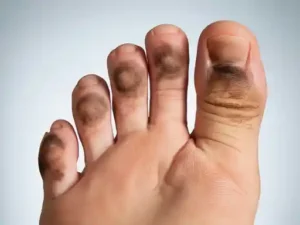
The good news is that these dark spots are typically benign and often preventable or treatable. They’re usually a direct result of the interaction between your feet and your footwear. Understanding the underlying causes is the first step toward achieving clear, healthy toes. From friction and pressure to material reactions, various factors can contribute to this unwelcome discoloration. In this comprehensive guide, we’ll delve deep into why you might be experiencing dark spots on toes from shoes. We’ll explore the common culprits, provide practical advice for prevention, and outline effective treatment strategies. By the end, you’ll have a clear roadmap to address and prevent these toe troubles, ensuring your feet look and feel their best.
Understanding Dark Spots On Toes From Shoes: The Root Causes
When it comes to identifying the reason behind dark spots on toes from shoes, several factors are usually at play. Most causes are related to how our feet interact with our footwear.
Friction and Pressure-Induced Hyperpigmentation
One of the most common reasons for toe discoloration is constant friction and pressure from ill-fitting shoes. When your shoes rub against your skin or exert excessive pressure on specific areas of your toes, it can lead to a condition known as post-inflammatory hyperpigmentation (PIH). This occurs as the skin’s natural response to trauma or irritation:
- Repeated Rubbing: The constant back-and-forth motion can stimulate melanocytes (the cells that produce melanin), leading to an overproduction of pigment in the affected area.
- Tight Footwear: Shoes that are too narrow, too short, or have a restrictive toe box can squeeze your toes, causing pressure points that result in darkening over time. This is a primary driver of dark spots on toes from shoes.
- Material Roughness: Even well-fitting shoes made from rough or unlined materials can cause enough micro-trauma to trigger PIH.
The skin attempts to protect itself by thickening and producing more melanin, resulting in noticeable dark spots or patches.
Shoe Material Reactions and Dyes
Sometimes, the problem isn’t just friction but also a reaction to the materials or dyes used in your shoes. This can manifest as:
- Contact Dermatitis: Certain chemicals, glues, or synthetic materials in shoes can trigger an allergic reaction or irritant contact dermatitis. This inflammation can then lead to PIH, leaving behind dark marks on your toes.
- Dye Transfer: Dark-colored shoes, especially new ones, can sometimes leach dye onto your skin. While often temporary and washable, prolonged exposure or sensitive skin can lead to more persistent staining or irritation that exacerbates hyperpigmentation.
It’s crucial to pay attention to any itching, redness, or blistering alongside the darkening, as these are signs of a potential allergic reaction.
Bruising and Trauma
Your shoes can also be responsible for minor trauma that results in dark spots. This isn’t always a dramatic injury but can be subtle and cumulative:
- Micro-Trauma: Repeated minor impacts or pressure can cause tiny blood vessels to break, leading to bruising under the skin or toenail. This can appear as a dark blue, purple, or black spot. This is particularly common if shoes are too tight in the toe box, causing toes to repeatedly hit the front of the shoe.
- Subungual Hematoma: A common form of bruising, this refers to blood trapped under the toenail, often caused by shoes that put too much pressure on the nail or repeated stubbing. This can look like a large dark spot under the toenail.
These spots are essentially bruises that will fade as the body clears the blood, but they can be alarming if you don’t know the cause.
Fungal Infections and Nail Discoloration
While not directly “dark spots on toes from shoes” in the sense of skin hyperpigmentation, fungal infections can cause significant discoloration that might be mistaken for such. Fungal infections (onychomycosis) often affect the toenails but can also spread to the surrounding skin:
- Nail Discoloration: Fungal nails can turn yellow, brown, or even black. The debris under the nail can also appear dark.
- Skin Involvement: Athlete’s foot, a fungal infection of the skin, can cause redness, scaling, and itching, and in some chronic cases, the inflammation can lead to post-inflammatory hyperpigmentation.
Shoes can create the warm, moist environment where fungi thrive, making them an indirect contributor to these types of dark spots.
Preventing Dark Spots On Toes From Shoes: Proactive Steps
The best approach to dealing with dark spots on toes from shoes is prevention. By making conscious choices about your footwear and foot care, you can significantly reduce the likelihood of these spots appearing.
Choosing the Right Footwear
This is arguably the most critical step. Proper shoe selection can prevent most cases of friction and pressure-induced hyperpigmentation.
- Prioritize Fit: Always ensure your shoes fit correctly. There should be about a thumb’s width of space between your longest toe and the end of the shoe. The width should also be comfortable, without squeezing your toes.
- Shop Smart: Buy shoes at the end of the day when your feet are slightly swollen. Always try on both shoes and walk around to ensure comfort.
- Adequate Toe Box: Look for shoes with a roomy, rounded, or square toe box that allows your toes to splay naturally without rubbing against each other or the shoe’s interior. Avoid pointed-toe shoes for everyday wear.
- Heel Height: High heels push your foot forward, increasing pressure on the toes. Opt for lower heels or wedges for prolonged wear.
Material Matters: Breathability and Hypoallergenic Options
The materials your shoes are made from play a significant role in foot health and preventing discoloration.
- Breathable Materials: Choose shoes made from natural, breathable materials like leather, canvas, or mesh. These allow air circulation, reducing moisture and heat buildup that can contribute to irritation and fungal growth.
- Soft Linings: Opt for shoes with soft, seamless linings to minimize friction.
- Avoid Harsh Dyes: If you have sensitive skin, be wary of shoes with intense interior dyes, especially those that might bleed.
The Role of Socks and Liners
Socks act as a protective barrier between your feet and shoes, and the right pair can make a big difference.
- Moisture-Wicking Socks: Choose socks made from materials like wool, bamboo, or synthetic blends that wick away moisture, keeping your feet dry and reducing friction. Avoid cotton, which retains moisture.
- Seamless Designs: Socks with seamless toes prevent irritation from stitching.
- Protective Barriers: For specific high-friction areas, consider using moleskin, silicone toe caps, or bandages as an extra layer of protection.
Foot Hygiene and Regular Care
Consistent foot care can help maintain healthy skin and prevent issues that lead to dark spots.
- Clean and Dry: Wash your feet daily with mild soap and water, and dry them thoroughly, especially between the toes.
- Moisturize Regularly: Apply a gentle, fragrance-free moisturizer to your feet to keep the skin supple and reduce dryness, which can make skin more prone to irritation.
- Gentle Exfoliation: Occasionally, gentle exfoliation (e.g., with a pumice stone or a mild exfoliating cream) can help remove dead skin cells and promote even skin tone, but don’t overdo it, especially if the skin is irritated.
Treating Existing Dark Spots On Toes From Shoes
If you already have dark spots on your toes from shoes, there are several approaches you can take to lighten them and improve skin appearance. Patience is key, as hyperpigmentation can take weeks or even months to fade.
Over-the-Counter (OTC) Solutions
Many topical products can help reduce hyperpigmentation. Look for ingredients known for their skin-lightening and exfoliating properties:
- Niacinamide (Vitamin B3): Helps reduce the transfer of pigment to skin cells.
- Vitamin C: A powerful antioxidant that brightens skin and inhibits melanin production.
- Alpha Hydroxy Acids (AHAs) – Glycolic Acid, Lactic Acid: Gently exfoliate the skin, promoting cell turnover and helping to shed pigmented cells.
- Kojic Acid: Derived from fungi, it helps inhibit an enzyme necessary for melanin production.
- Arbutin: A natural derivative of hydroquinone, it safely brightens skin.
- Retinoids (Retinol): Increase cell turnover, helping to fade hyperpigmentation. Start with a low concentration and use cautiously, as they can cause irritation.
Apply these products consistently to the affected areas as directed. Always follow up with a good moisturizer.
Home Remedies and Natural Approaches
While scientific evidence for some home remedies is limited, many people find them helpful for mild discoloration. Always perform a patch test first to check for sensitivity.
- Aloe Vera: Known for its soothing and healing properties, aloe vera may help reduce inflammation that contributes to PIH.
- Lemon Juice: Contains citric acid, a natural bleaching agent. Dilute it with water and apply with caution, as it can make skin more sensitive to the sun.
- Potato Slices: Potatoes contain catecholase, an enzyme believed to have mild bleaching properties.
Remember that natural remedies often take longer to show results, and consistency is crucial.
When to See a Dermatologist or Podiatrist
While most dark spots on toes from shoes are benign, it’s essential to know when to seek professional medical advice. Consult a doctor if:
- The spots are painful, itchy, or show signs of infection (redness, swelling, pus).
- The discoloration is rapidly changing in size, shape, or color.
- You suspect a fungal infection that isn’t responding to OTC treatments.
- The spots persist or worsen despite your best efforts with home care and OTC products.
- You are unsure about the cause of the dark spots.
A dermatologist or podiatrist can accurately diagnose the cause and recommend more potent treatments, such as prescription-strength creams (e.g., hydroquinone), chemical peels, microdermabrasion, or laser therapy for stubborn hyperpigmentation. For bruising under the nail, they can assess if drainage is needed.
Recommended Products
Niacinamide Serum for Hyperpigmentation
A gentle serum containing Vitamin B3 (Niacinamide) to help reduce the appearance of dark spots and even out skin tone without irritation.
Glycolic Acid Exfoliating Lotion
A mild exfoliating lotion formulated with Glycolic Acid (an AHA) to gently remove dead skin cells and promote cell turnover, aiding in the fading of dark marks.
Fragrance-Free Moisturizing Cream
A rich, non-irritating cream essential for keeping the skin on your feet hydrated and supple, reducing friction and supporting barrier health.
Moisture-Wicking Seamless Toe Socks
High-performance socks designed to keep feet dry and reduce friction with a seamless toe design, preventing irritation and blisters.
Anti-Friction Foot Balm
A protective balm that creates an invisible barrier on the skin, preventing rubbing and blistering in areas prone to friction from shoes.
Frequently Asked Questions About Dark Spots On Toes From Shoes
Are dark spots on toes from shoes permanent?
No, in most cases, dark spots on toes from shoes caused by friction or pressure-induced hyperpigmentation are not permanent. With proper care, prevention, and consistent treatment, they can significantly fade or disappear over time. However, very deep or long-standing hyperpigmentation might take longer to resolve.
How long does it take for dark spots on toes from shoes to fade?
The fading process varies greatly depending on the severity of the spot, your skin type, and the consistency of treatment. Mild spots might start to fade within a few weeks, while more prominent or older marks could take several months (3-6 months or even longer) to show significant improvement. Patience and consistent application of treatments are crucial.
Can tight shoes cause permanent damage to toes?
While most issues like dark spots are reversible, prolonged wearing of excessively tight or ill-fitting shoes can lead to more serious and potentially permanent damage. This includes deformities like bunions, hammertoes, ingrown toenails, nerve damage, and chronic pain. Consistent pressure and friction can also lead to thickened skin and calluses that are harder to remove.
Is it always hyperpigmentation, or could it be something else?
While friction-induced hyperpigmentation is a common cause of dark spots on toes from shoes, it’s not the only possibility. Other causes include bruising (subungual hematoma under the nail), fungal infections, contact dermatitis, or in rare cases, more serious medical conditions like melanoma. If you’re unsure, or if the spot is painful, growing, or changing, consult a doctor.
Can sun exposure worsen dark spots on toes?
Yes, sun exposure can absolutely worsen hyperpigmentation. UV radiation stimulates melanin production, which can make existing dark spots darker and more resistant to fading. It’s advisable to protect your feet from direct sun exposure, especially if you are actively treating dark spots, by wearing closed-toe shoes or applying sunscreen.
What type of shoes are best to prevent dark spots?
To prevent dark spots on toes from shoes, opt for shoes with a roomy toe box that allows your toes to move freely. Look for styles made from breathable materials like leather, canvas, or mesh. Ensure they fit properly in length and width, and consider styles with soft, seamless linings. Avoid overly pointed or tight shoes for everyday wear.
Conclusion
Discovering dark spots on toes from shoes can be frustrating, but armed with the right knowledge, you can effectively address and prevent them. The vast majority of these spots stem from friction, pressure, or minor irritation caused by ill-fitting footwear, leading to post-inflammatory hyperpigmentation. By understanding these root causes, you’re already on your way to clearer, healthier feet.
The key takeaways for prevention include prioritizing properly fitting shoes with adequate toe box space, choosing breathable materials, and utilizing moisture-wicking socks. For existing spots, consistency with over-the-counter brightening ingredients like Niacinamide and AHAs, coupled with good foot hygiene, can yield significant improvements. Remember that patience is a virtue when treating hyperpigmentation.
Ultimately, your feet work hard for you every day, and they deserve proper care and comfortable footwear. If your dark spots on toes from shoes persist, worsen, or cause concern, do not hesitate to consult a dermatologist or podiatrist. They can provide an accurate diagnosis and tailor a treatment plan to your specific needs. By taking these proactive steps, you can confidently step forward with comfortable, spot-free toes.
“`