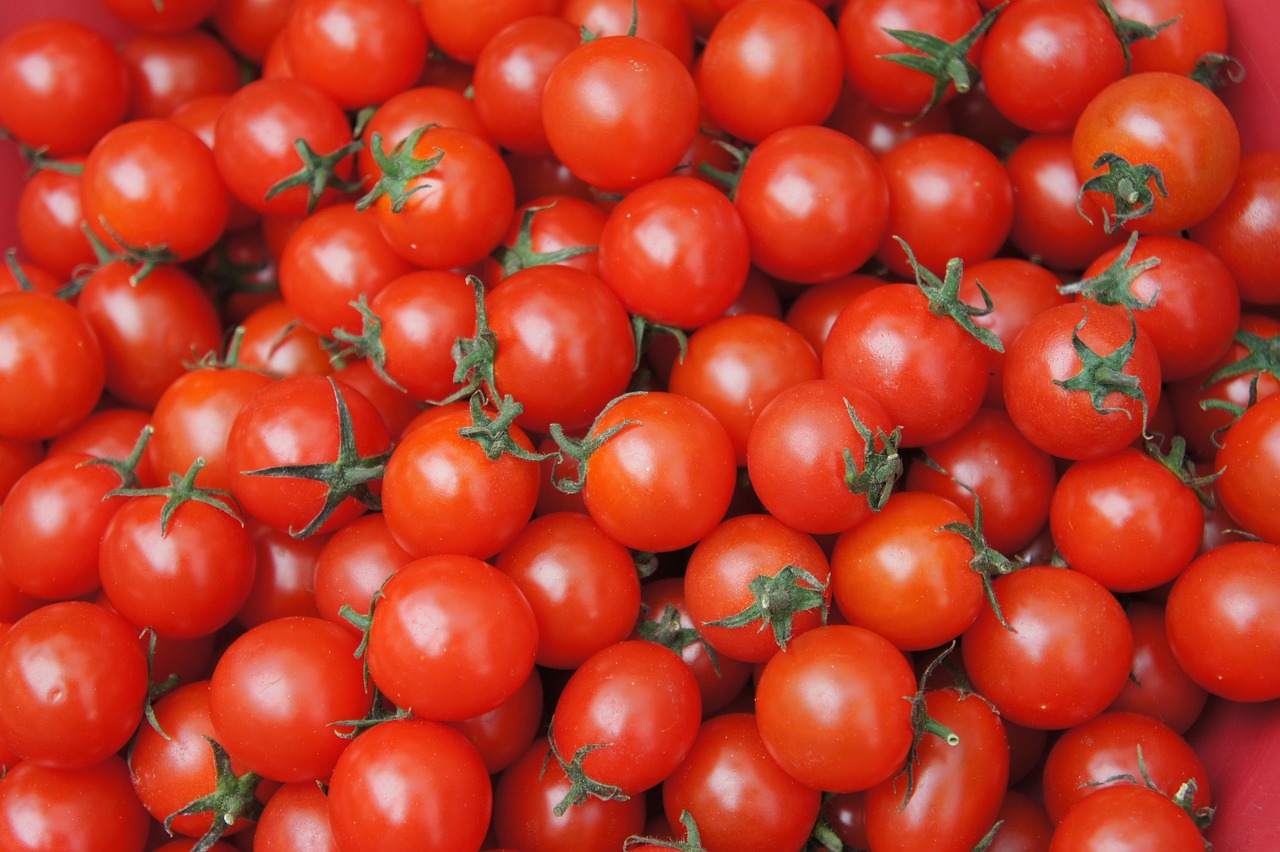
Few things are more rewarding for a gardener than watching plump, red tomatoes ripen on the vine. However, this joy can quickly turn to concern when you notice unsightly dark spots on tomato fruit. These blemishes can range from tiny specks to large, sunken lesions, often leaving gardeners wondering what went wrong and if their precious harvest is ruined. Understanding the root causes of these dark spots is the first step toward prevention and effective treatment, ensuring your tomato plants thrive.
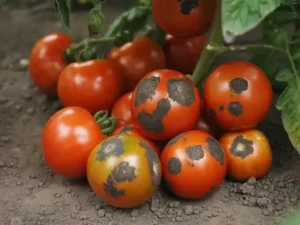
Whether you’re a seasoned green thumb or a beginner, encountering black spots on tomatoes or brown discoloration is a common challenge. This comprehensive guide will delve deep into the various culprits behind these imperfections, from common fungal diseases and bacterial infections to physiological disorders and pest damage. We’ll equip you with practical advice, identification tips, and actionable solutions to help you mitigate the problem and enjoy a healthier, more abundant tomato yield. Get ready to turn those spotted worries into successful harvests!
Understanding Dark Spots On Tomato Fruit: A Common Gardening Challenge
Dark spots on tomato fruit are a frequent sight in gardens across the USA, and they can be incredibly frustrating. These blemishes not only detract from the aesthetic appeal of your homegrown produce but can also signal underlying issues that could impact the health of your entire plant and future yields. While some spots might be merely cosmetic, others can indicate serious diseases that spread rapidly if not addressed.
The appearance of these dark areas can vary widely. You might observe small, pinpoint black spots on tomatoes, larger sunken brown lesions, or even leathery patches at the blossom end. Understanding these visual cues is crucial for accurate diagnosis. For instance, tiny raised black specks might point to a bacterial issue, while concentric rings often suggest a fungal infection. By learning to “read” your tomatoes, you can take targeted action rather than resorting to guesswork.
Why Do Dark Spots Appear on My Tomatoes?
The reasons for dark spots on tomato fruit are diverse, falling into several main categories:
- Fungal Diseases: These are some of the most common culprits, thriving in humid conditions.
- Bacterial Diseases: Often characterized by smaller, sometimes water-soaked spots.
- Physiological Disorders: Caused by environmental stresses or nutrient imbalances, not pathogens.
- Pest Damage: Insects can directly injure fruit, leading to secondary infections or visible blemishes.
- Environmental Stress: Factors like sun exposure or inconsistent watering can also play a role.
Each type of spot has specific characteristics and requires a different approach to prevention and treatment. Let’s dive deeper into identifying the common causes.
Identifying the Culprit: Common Causes of Dark Spots
Accurate identification is key to effectively managing dark spots on tomato fruit. Here’s a breakdown of the most common causes and how to spot them:
Fungal Diseases
Fungal infections are a leading cause of dark spots on tomato fruit, especially in warm, humid conditions.
- Early Blight (Alternaria solani):This common fungal disease causes dark, target-like spots with concentric rings on leaves, stems, and eventually fruit. On fruit, spots are usually near the stem end, dark brown to black, sunken, and can grow quite large, sometimes covering a significant portion of the tomato. The affected tissue often becomes firm and leathery.
- Late Blight (Phytophthora infestans):A devastating disease, late blight causes irregular, greasy-looking, water-soaked spots on leaves and stems that quickly turn dark brown or black. On fruit, it manifests as large, firm, dark brown to black blotches, often with a slightly greasy appearance. A white, fuzzy fungal growth might be visible on the underside of leaves or on fruit in humid conditions. This disease spreads rapidly and can wipe out a crop quickly.
- Anthracnose (Colletotrichum coccodes):Often appearing on ripening or ripe fruit, anthracnose causes small, circular, sunken spots that start off water-soaked and then turn dark brown or black. As the spots enlarge, they may merge, and in humid conditions, pinkish-orange spore masses can be seen in the center of the lesions. This disease is particularly prevalent when fruit touches the soil or when plants are overhead watered.
- Septoria Leaf Spot (Septoria lycopersici):While primarily affecting leaves, severe Septoria can sometimes indirectly impact fruit quality or lead to fruit sunscald due to defoliation. On leaves, it causes numerous small, circular spots with dark borders and tan or gray centers, often with tiny black dots (pycnidia) in the middle.
Bacterial Diseases
Bacterial infections can also cause various forms of dark spots on tomato fruit.
- Bacterial Spot (Xanthomonas campestris pv. vesicatoria):This disease causes small, dark, slightly raised spots on leaves, stems, and fruit. On fruit, the spots are typically small (1/8 inch), dark brown to black, slightly sunken, and may have a greasy or “scabby” appearance. They can create an entry point for secondary rots.
- Bacterial Speck (Pseudomonas syringae pv. tomato):Similar to bacterial spot but generally smaller, bacterial speck produces tiny, slightly raised, dark brown to black spots (less than 1/16 inch) on fruit, often surrounded by a faint green halo when young. The spots usually remain superficial.
Physiological Issues
Not all brown spots on tomato fruit are caused by pathogens. Environmental factors play a significant role.
- Blossom End Rot (BER):This is one of the most common non-pathogenic disorders. It appears as a dark, sunken, leathery patch on the blossom end (bottom) of the fruit. BER is caused by a localized calcium deficiency in the developing fruit, often triggered by inconsistent watering (periods of drought followed by heavy watering), extreme fluctuations in soil moisture, or very rapid growth. It’s not a disease but a disorder.
- Sunscald:When fruit that has been shaded suddenly gets exposed to intense sunlight (e.g., after pruning leaves or heavy defoliation by disease), the skin can be damaged. Sunscald initially appears as a whitish or yellowish blistered area, which then turns papery and develops a sunken, leathery dark spot on tomato fruit, often providing an entry point for secondary fungal or bacterial infections.
Pest Damage
Insects can cause direct damage that leads to blemishes on tomatoes or secondary infections.
- Stink Bugs and Leaf-Footed Bugs:These piercing-sucking insects feed on developing fruit, injecting digestive enzymes and leaving behind small, cloudy, yellow or white spots just beneath the skin. Over time, these spots can turn brownish or black, creating hard, corky areas inside the fruit. Sometimes a tiny pinprick mark is visible at the center of the spot.
- Tomato Fruitworms (Corn Earworms):These caterpillars bore into the fruit, creating entry holes that are often surrounded by dark, rotted tissue and sometimes frass (excrement). The holes provide an easy entry point for fungi and bacteria, leading to extensive internal decay and large dark spots on tomato fruit.
Practical Solutions: How to Prevent and Treat Dark Spots
Once you’ve identified the likely cause of the dark spots on tomato fruit, you can implement targeted prevention and treatment strategies. A proactive approach is always best.
Cultural Practices for Prevention
Good gardening habits are your first line of defense against most issues causing black spots on tomatoes.
- Crop Rotation: Never plant tomatoes (or related plants like peppers, eggplants, potatoes) in the same spot year after year. Rotate crops every 3-4 years to break disease cycles in the soil.
- Proper Spacing and Airflow: Ensure adequate spacing between plants (at least 2-3 feet) and prune lower leaves or suckers to improve air circulation. This helps dry foliage quickly, reducing fungal and bacterial disease pressure.
- Sanitation: Remove and destroy (do not compost) any diseased plant material promptly. At the end of the season, thoroughly clean up all plant debris from the garden bed. Sanitize tools with a 10% bleach solution or rubbing alcohol after working with diseased plants.
- Watering Techniques: Water deeply and consistently at the base of the plant, avoiding overhead watering, which wets foliage and fruit. Early morning watering is best, allowing leaves to dry before nightfall. Consistent moisture is crucial for preventing Blossom End Rot.
- Soil Health and Nutrition: Conduct a soil test to ensure balanced nutrients. Tomatoes need adequate calcium (but not excessive amounts) for healthy fruit development. Maintain good soil structure with organic matter. For BER, ensure consistent water and proper soil pH for calcium uptake, sometimes a foliar calcium spray can help for quick relief.
- Choose Resistant Varieties: Select tomato varieties bred for resistance to common diseases like Early Blight, Late Blight, or Fusarium Wilt. Look for “VFN” (Verticillium, Fusarium, Nematode) or other disease codes on seed packets.
- Mulching: Apply a 2-4 inch layer of organic mulch (straw, wood chips) around your tomato plants. Mulch conserves soil moisture, regulates soil temperature, suppresses weeds, and prevents soil-borne pathogens from splashing onto lower leaves and fruit during watering or rain. This is especially helpful for anthracnose prevention.
Organic and Chemical Treatments
When prevention isn’t enough, some treatments can help manage existing issues causing dark spots on tomato fruit.
- Fungicides:
- Organic Options: Copper or sulfur-based fungicides can be effective against many fungal diseases (e.g., Early Blight, Late Blight, Anthracnose). Apply according to label directions, often preventatively or at the first sign of disease.
- Synthetic Options: For severe or widespread fungal diseases, synthetic fungicides might be considered. Always follow label instructions carefully regarding application rates, frequency, and pre-harvest intervals.
- Pesticides:
- Organic Options: Neem oil or insecticidal soaps can help manage soft-bodied pests like stink bugs if applied thoroughly. Bacillus thuringiensis (Bt) is effective against caterpillars like tomato fruitworms.
- Chemical Options: If pest pressure is high and causing significant damage leading to dark spots on tomato fruit, specific insecticides might be needed. Always identify the pest correctly and choose the least toxic option.
- Pruning: Carefully remove any severely affected leaves or fruit. For sunscald, ensure adequate foliage remains to shade developing fruit.
- Shading: If sunscald is a recurring issue, consider providing temporary shade during the hottest parts of the day or using shade cloth.
When to Worry and When to Eat: Edibility and Safety
One of the biggest concerns when finding dark spots on tomato fruit is whether the fruit is still safe to eat. The answer often depends on the cause and severity of the spots.
Can I Still Eat Tomatoes with Dark Spots?
Generally, if the spots are small, superficial, and clearly localized, you can often simply cut away the affected portion and eat the rest of the tomato.
- Blossom End Rot: Tomatoes with BER are perfectly safe to eat once the affected leathery part is cut away. The rest of the fruit is healthy.
- Sunscald: Similar to BER, sunscalded areas can be cut off, and the remainder of the fruit is safe to consume, provided there’s no secondary rot.
- Superficial Fungal/Bacterial Spots: Small spots from Early Blight, Anthracnose, Bacterial Spot, or Speck that haven’t penetrated deeply or led to extensive rot can usually be trimmed off.
- Pest Damage (minor): If a stink bug caused a small corky spot, just cut it out. If a fruitworm created a small entry hole, check for internal damage and discard if extensive rot or the worm is present.
However, there are times when it’s best to discard the entire tomato:
- Extensive Rot: If the dark spots on tomato fruit are large, deep, mushy, or cover a significant portion of the fruit, it’s best to discard it, as it’s likely compromised by secondary bacterial or fungal rots that can affect flavor and safety.
- Late Blight: Tomatoes severely affected by Late Blight should be discarded, as the pathogen can continue to spread even after harvest.
- Foul Odor or Mold: Any tomato that smells off or shows fuzzy mold beyond simple surface spots should be thrown away.
When in doubt, it’s always safer to err on the side of caution and discard heavily affected fruit. Composting diseased fruit is generally not recommended unless you have a very hot compost pile that can kill pathogens. It’s often better to bag and dispose of them in the trash.
Recommended Products
Garden Safe Fungicide3
An organic option that acts as a fungicide, insecticide, and miticide, effective against many fungal diseases and pests causing dark spots on tomato fruit.
Bonide Copper Fungicide
A versatile copper-based fungicide, suitable for organic gardening, that helps control a wide range of fungal and bacterial diseases responsible for dark spots.
Espoma Garden-tone Organic Plant Food
A balanced organic fertilizer that promotes strong plant growth and fruit development, helping prevent nutrient deficiencies that can lead to disorders like Blossom End Rot.
Garden Netting
Can be used to provide shade for sun-sensitive varieties or to deter larger pests from damaging fruit, indirectly reducing the occurrence of dark spots on tomato fruit.
Frequently Asked Questions About Dark Spots On Tomato Fruit
Q1: Are dark spots on tomatoes always a sign of disease?
No, not always. While many dark spots on tomato fruit are indeed caused by fungal or bacterial diseases, some are physiological disorders like Blossom End Rot (calcium deficiency) or sunscald (environmental damage). Pest feeding can also cause blemishes. It’s crucial to observe the specific characteristics of the spots to determine the exact cause.
Q2: Can I prevent dark spots on tomatoes organically?
Absolutely! Many effective organic strategies exist. These include practicing good sanitation, ensuring proper plant spacing for airflow, consistent watering at the base, mulching, choosing disease-resistant varieties, and using organic fungicides like copper or sulfur sprays preventatively. Organic pest control methods like neem oil or hand-picking can also help.
Q3: What’s the difference between blossom end rot and fungal spots?
Blossom End Rot (BER) is a physiological disorder, not a disease. It appears as a dark, sunken, leathery patch exclusively on the bottom (blossom end) of the fruit, caused by inconsistent water or calcium deficiency. Fungal spots (like Early Blight or Anthracnose) can appear anywhere on the fruit, often have distinct patterns (e.g., concentric rings), and are caused by pathogens thriving in humidity. Fungal spots may also be accompanied by leaf symptoms.
Q4: When should I discard a tomato with dark spots?
You should discard a tomato if the dark spots on tomato fruit are extensive, deep, mushy, or accompanied by a foul odor or visible mold. While small, superficial spots (like those from BER or minor sunscald) can often be cut away, severely affected fruit should be removed to prevent further spread of potential pathogens and ensure food safety.
Q5: How can I improve airflow around my tomato plants?
Improve airflow by ensuring adequate spacing between plants when planting (at least 2-3 feet). Prune lower leaves that touch the soil and remove suckers (non-fruit-bearing shoots) in the plant’s interior. Using stakes, cages, or trellises to support plants also lifts them off the ground, promoting better air circulation and reducing humidity around the foliage and fruit.
Q6: Do certain tomato varieties get more dark spots?
Yes, some tomato varieties are more susceptible to certain diseases or disorders. For example, large-fruited varieties are often more prone to Blossom End Rot, and some heirloom varieties may lack resistance to common fungal diseases compared to modern hybrids. Choosing disease-resistant varieties is a proactive step to minimize issues with dark spots on tomato fruit.
Conclusion
Encountering dark spots on tomato fruit is a common challenge for gardeners, but it doesn’t have to spell disaster for your harvest. By understanding the diverse causes—from fungal diseases like Early Blight and Anthracnose to physiological issues such as Blossom End Rot and sunscald, and even pest damage—you are well-equipped to identify the specific problem affecting your plants. Remember, accurate diagnosis is the cornerstone of effective management.
Implementing proactive cultural practices, such as proper spacing, consistent watering, crop rotation, and good garden sanitation, will significantly reduce the likelihood of these blemishes appearing. When issues do arise, targeted organic or conventional treatments, combined with careful monitoring, can help save your crop. With a little knowledge and consistent effort, you can minimize those unsightly black spots on tomatoes and enjoy a bountiful yield of healthy, delicious fruit all season long. Happy gardening!
“`