
Strolling through your garden or backyard, you might occasionally notice an unwelcome sight unsightly dark spots on tree leaves. While a few spots might seem innocuous, they are often silent indicators of an underlying issue, signaling that your tree might be under stress or battling a disease. For many tree owners in the USA, these blemishes can spark concern, leaving them wondering about the cause and potential impact on their beloved arboreal companions.
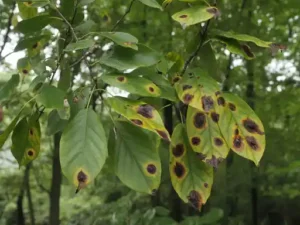
Understanding these dark marks is crucial for maintaining a vibrant and healthy landscape. Ignoring them can lead to more severe problems, weakening the tree and potentially making it susceptible to further damage. This comprehensive guide will demystify the various reasons behind dark spots on tree leaves, from common fungal infections to pesky insect infestations and environmental stressors. We’ll equip you with the knowledge to identify the culprits, offer practical advice for diagnosis and treatment, and provide strategies for prevention, ensuring your trees remain robust and beautiful for years to come. Let’s dive in and learn how to interpret what your trees are trying to tell you.
Understanding Dark Spots On Tree Leaves: Common Causes
When you observe dark spots on tree leaves, it’s essential to understand that these can stem from a variety of sources. Pinpointing the exact cause is the first step toward effective treatment and ensuring your tree’s long-term health. Here are the most common culprits:
1. Fungal Diseases
Fungi are a primary cause of dark spots on tree leaves, especially during periods of high humidity and moderate temperatures. They thrive in moist environments, spreading spores that infect leaf tissue.
- Tar Spot (Rhytisma acerinum): Commonly affects maple trees. These spots start as small, pale yellow areas in late spring, gradually developing into distinct, raised, shiny black spots resembling drops of tar. While unsightly, tar spot is rarely detrimental to the tree’s overall health, though severe infections can lead to premature leaf drop.
- Anthracnose: A group of fungal diseases affecting a wide range of trees, including oaks, sycamores, dogwoods, and maples. Symptoms vary but often include irregular dark brown or black spots on leaves, especially along veins or leaf margins. These spots can merge, causing large dead areas, distortion, and early defoliation. Twig dieback can also occur.
- Leaf Spot Fungi (General): Numerous other fungi cause various leaf spots. These typically appear as circular to irregular dark brown, black, or purplish spots on leaves, often with a yellow halo. Examples include Septoria leaf spot, Marssonina leaf spot, and various other species that target specific tree types. They can weaken the tree over time by reducing its photosynthetic capacity.
Practical Advice: For fungal issues, good sanitation (raking and disposing of fallen leaves) is paramount. Fungicides can be effective, especially when applied preventatively in early spring, but they often require multiple applications and are best used for severe or recurring problems. Always ensure proper air circulation around your trees.
2. Bacterial Infections
Bacteria can also cause various forms of dark spots on tree leaves, though they are generally less common than fungal diseases.
- Bacterial Leaf Scorch (Xylella fastidiosa): Affects oaks, elms, maples, and other shade trees. Symptoms typically appear in late summer or early fall, starting as a browning or scorching of leaf margins, which then progresses inward, often leaving a distinct yellow band between the healthy and diseased tissue. The affected areas can appear dark and necrotic. This disease is systemic and often fatal over several years.
- Bacterial Spot: Can cause small, angular, water-soaked dark spots on leaves that may eventually turn black and dry out. These spots can sometimes have a greasy appearance. Specific bacterial species target different hosts, such as various fruit trees.
Practical Advice: Bacterial diseases are notoriously difficult to treat once established. Prevention through selecting resistant varieties, managing insect vectors, and maintaining tree vigor is key. For bacterial leaf scorch, there is no cure, but managing tree stress can prolong its life.
3. Insect Pests
While insects might not directly cause dark spots on tree leaves through biting, their feeding habits or excretions can lead to secondary issues that manifest as dark discolorations.
- Aphids, Scale, and Mealybugs (Sooty Mold): These sap-sucking insects excrete a sticky substance called honeydew. This honeydew then becomes a substrate for sooty mold, a black, non-parasitic fungus that covers the leaves and branches, appearing as dark, powdery spots or coatings. Sooty mold blocks sunlight, reducing photosynthesis, but doesn’t directly infect the tree.
- Leaf Miners: Larvae of certain insects tunnel within the leaf tissue, creating visible tunnels or blotches. While often light-colored initially, these damaged areas can sometimes darken as the tissue dies, resembling irregular dark spots.
Practical Advice: Control the insect population to eliminate sooty mold. Insecticidal soaps, horticultural oils, or encouraging natural predators can be effective. For leaf miners, systemic insecticides might be used, but often, the damage is aesthetic and the tree recovers.
4. Environmental Stress and Nutritional Deficiencies
Sometimes, dark spots on tree leaves aren’t caused by living organisms but by external factors or internal imbalances.
- Water Stress (Too Much or Too Little): Both drought and waterlogging can lead to leaf necrosis, where parts of the leaf tissue die and turn brown or black. Edges or tips of leaves are often affected first.
- Sunburn/Heat Stress: Intense sun exposure, especially after a period of shade or on young, unacclimated trees, can scorch leaves, causing irregular dark patches on the foliage.
- Nutrient Deficiencies: While often causing yellowing (chlorosis), severe deficiencies of micronutrients like iron or manganese can sometimes lead to necrosis and dark spotting as tissues die.
- Chemical Burn: Accidental exposure to herbicides, pesticides, or even excessive fertilizer can cause irregular dark, burnt-looking spots on leaves where the chemicals made contact.
Practical Advice: Ensure proper watering practices, especially during dry spells. Use mulch to regulate soil moisture and temperature. Conduct a soil test to identify nutrient imbalances. Be cautious when applying chemicals near trees, and always follow label instructions.
Identifying and Diagnosing Dark Spots on Tree Leaves
Accurate diagnosis is key to effective treatment. Here’s how to become a tree detective:
Observation Techniques
Pay close attention to the characteristics of the dark spots on your tree leaves:
- When Did They Appear? Note the season. Fungal issues are common in spring/early summer, while bacterial scorch often appears in late summer.
- Where on the Leaf? Are the spots at the edges, tips, between veins, or randomly scattered? Anthracnose often follows veins, while sunburn might affect the entire exposed surface.
- What’s the Texture? Are the spots raised (tar spot), sunken (some cankers), powdery (sooty mold), or just discolored?
- Are Other Parts Affected? Check twigs, branches, and bark for cankers, oozing, or unusual growth.
- Pattern of Spread: Is it affecting individual leaves, entire branches, or the whole canopy? Is it spreading rapidly or slowly?
- Examine the Underside: Some fungi or insects (like mites) are more visible on the leaf’s underside.
When to Seek Professional Help
While many issues can be managed at home, there are times when calling a certified arborist is the best course of action. Consider professional help if:
- Large portions of the tree are affected, or the problem is spreading rapidly.
- The tree shows signs of significant decline (e.g., extensive leaf drop, branch dieback).
- You’ve tried various treatments without success.
- You suspect a serious disease like bacterial leaf scorch, which requires specific management.
- The tree is large, making DIY treatment difficult or dangerous.
Treatment and Prevention Strategies for Dark Spots
Once you’ve identified the likely cause of the dark spots on your tree leaves, you can implement targeted strategies to mitigate the problem and prevent future occurrences.
Cultural Practices (Your First Line of Defense)
These methods focus on creating a healthy environment where trees can naturally resist pests and diseases.
- Sanitation: Regularly rake and dispose of fallen leaves, especially those showing signs of disease. This removes fungal spores and bacteria that can reinfect the tree next season. Prune out dead or severely infected branches, sterilizing your tools between cuts.
- Proper Watering: Water deeply and infrequently to encourage deep root growth. Avoid overhead watering, which can keep foliage wet and promote fungal growth. Water at the base of the tree in the morning to allow leaves to dry during the day.
- Adequate Air Circulation: Prune trees to open up their canopy, allowing better air flow. This helps leaves dry faster, reducing the conditions favorable for fungal diseases.
- Mulching: Apply a 2-4 inch layer of organic mulch (like wood chips) around the tree’s base, keeping it a few inches away from the trunk. Mulch helps retain soil moisture, regulate temperature, and suppress weeds, reducing overall tree stress.
- Disease-Resistant Varieties: When planting new trees, choose species or cultivars known to be resistant to common local diseases. This is a long-term preventive measure.
Organic and Chemical Treatments
These options should be considered when cultural practices aren’t enough or for severe infestations.
- Fungicides: For persistent fungal diseases causing dark spots on tree leaves, fungicides can be applied. They are most effective when used preventatively in early spring as new leaves emerge, or at the first sign of disease. Look for products containing chlorothalonil, mancozeb, or copper-based fungicides. Always read and follow label directions carefully.
- Bactericides: These are less common and generally less effective than fungicides for established bacterial infections. Copper-based products can sometimes offer limited control, but prevention is usually the best approach for bacterial issues.
- Insecticidal Soaps/Horticultural Oils: For insect-related dark spots on tree leaves (like sooty mold from aphids), these products are excellent. They are low-toxicity and work by smothering soft-bodied insects. Apply thoroughly to all affected surfaces, including the undersides of leaves.
- Neem Oil: A natural, broad-spectrum organic pesticide and fungicide. It can deter various insects and has some fungicidal properties, making it a good choice for multiple issues.
- Soil Amendments: If nutritional deficiencies are suspected, a soil test can guide you on specific amendments. Applying compost or slow-release granular fertilizers can improve overall tree health and resilience.
Remember that chemical treatments should be a last resort and used judiciously to avoid harming beneficial insects or the environment. Always wear appropriate protective gear.
Recommended Products
To help you effectively address and prevent dark spots on tree leaves, here are a few highly-rated products that can be useful. Remember to always read product labels and instructions carefully before use.
Garden Fungicide for Trees
An essential tool for combating various fungal diseases that cause dark spots. Look for products effective against leaf spot, anthracnose, and powdery mildew.
Insecticidal Soap for Plants
Effective against soft-bodied pests like aphids and scale that produce honeydew, leading to sooty mold, a common cause of dark coatings on leaves.
Neem Oil for Plants
A versatile organic option that acts as both an insecticide and a fungicide, offering a natural solution for a range of pests and diseases.
Home Soil Test Kit
Diagnose potential nutrient deficiencies or imbalances that can contribute to tree stress and leaf discoloration, guiding appropriate soil amendments.
FAQ Section: Your Questions About Dark Spots on Tree Leaves Answered
Here are answers to some common questions regarding dark spots on tree leaves:
Q1: Are dark spots on tree leaves always serious?
A: Not always. Some causes, like minor tar spot on maples, are primarily cosmetic and rarely harm the tree. However, extensive or rapidly spreading dark spots on tree leaves, especially those accompanied by leaf distortion, defoliation, or twig dieback, can indicate more serious issues like severe anthracnose or bacterial leaf scorch, which require prompt attention to protect the tree’s health and longevity.
Q2: Can I prevent dark spots on my tree leaves altogether?
A: While complete prevention might be challenging due to environmental factors, you can significantly reduce the likelihood of dark spots on tree leaves. Good cultural practices are key: ensure proper watering, improve air circulation through strategic pruning, rake and dispose of fallen leaves, and choose disease-resistant tree varieties when planting. These proactive steps build a tree’s natural resilience.
Q3: What’s the main difference between fungal and bacterial spots?
A: Fungal spots often appear as distinct, sometimes raised or fuzzy, circular lesions, potentially with concentric rings or a yellow halo. They thrive in wet conditions. Bacterial spots, on the other hand, can be more angular, often appear water-soaked initially, and may spread along leaf veins, leading to scorching or blight. Fungal diseases are generally more common and often respond better to fungicides than bacterial infections.
Q4: Should I remove all affected leaves from the tree?
A: For a few affected leaves, gentle removal is fine. However, extensive removal of leaves from a large tree is usually impractical and can stress the tree further. The most effective removal strategy is to rake and dispose of all fallen leaves in the autumn, especially if fungal diseases were present. This reduces the inoculum for the following spring. Pruning severely diseased branches is also beneficial.
Q5: When is the best time to treat dark spots on tree leaves?
A: The best time for treatment often depends on the specific cause. For many fungal diseases, preventive fungicide applications in early spring as new leaves emerge are most effective. For insect-related issues like sooty mold, treating the insect population (e.g., aphids) when they are active is crucial. Environmental stressors require immediate correction of the underlying issue (e.g., watering during drought). Early detection and prompt action are always recommended.
Conclusion: Nurturing Your Trees Back to Health
Encountering dark spots on tree leaves can be concerning, but understanding the root cause is the most powerful tool you have for keeping your trees healthy. From the tell-tale signs of fungal infections like tar spot and anthracnose to the subtle indicators of bacterial issues, insect activity, or environmental stress, each dark mark tells a story about your tree’s well-being. By observing closely, asking the right questions, and applying the appropriate remedies, you can effectively diagnose and address these common issues.
Remember that prevention through good cultural practices—proper watering, adequate air circulation, diligent sanitation, and smart planting choices—is always more effective than attempting to cure a widespread problem. Be proactive, be observant, and don’t hesitate to consult a certified arborist if the problem seems beyond your expertise. With a little care and attention, you can ensure your trees remain vibrant, healthy, and a beautiful asset to your landscape, free from the worries of unsightly dark spots on tree leaves. Your trees are living organisms; listen to what they’re telling you, and they will reward you with years of shade, beauty, and ecological benefits.