In this comprehensive guide, we’ll delve deep into the world of cocoa butter, exploring its composition, its reported benefits for the skin, and critically assessing its ability to fade dark spots. We’ll uncover what the science says, provide practical advice on how to use it, and discuss its pros and cons. By the end of this article, you’ll have a clear understanding of whether cocoa butter should be a staple in your dark spot treatment regimen or if its role is better suited for general skin health and hydration.
Understanding Dark Spots: What Are They and Why Do They Appear?
Before we can determine if cocoa butter can help remove dark spots, it’s essential to understand what these spots are and their underlying causes. Dark spots are essentially areas of the skin where excess melanin (the pigment that gives skin its color) has been produced and deposited. This overproduction of melanin is typically a response to inflammation or injury.
Common Causes of Hyperpigmentation:
- Post-Inflammatory Hyperpigmentation (PIH): This is the most common type of dark spot, occurring after an inflammatory skin condition like acne, eczema, psoriasis, or even a scratch or bug bite. As the skin heals, it produces too much melanin, leaving a dark mark.
- Sun Exposure: Ultraviolet (UV) radiation triggers melanin production as a protective mechanism. Prolonged sun exposure can lead to sunspots, age spots, or liver spots, especially on areas frequently exposed to the sun like the face, hands, and décolletage.
- Melasma: Often referred to as the “mask of pregnancy,” melasma is characterized by larger patches of hyperpigmentation, usually on the face. It’s primarily triggered by hormonal fluctuations (pregnancy, birth control pills) combined with sun exposure.
- Certain Medications: Some drugs can cause hyperpigmentation as a side effect.
Understanding the cause of your dark spots is the first step towards finding an effective treatment. Now, let’s turn our attention to cocoa butter.
What is Cocoa Butter? A Skin-Loving Ingredient
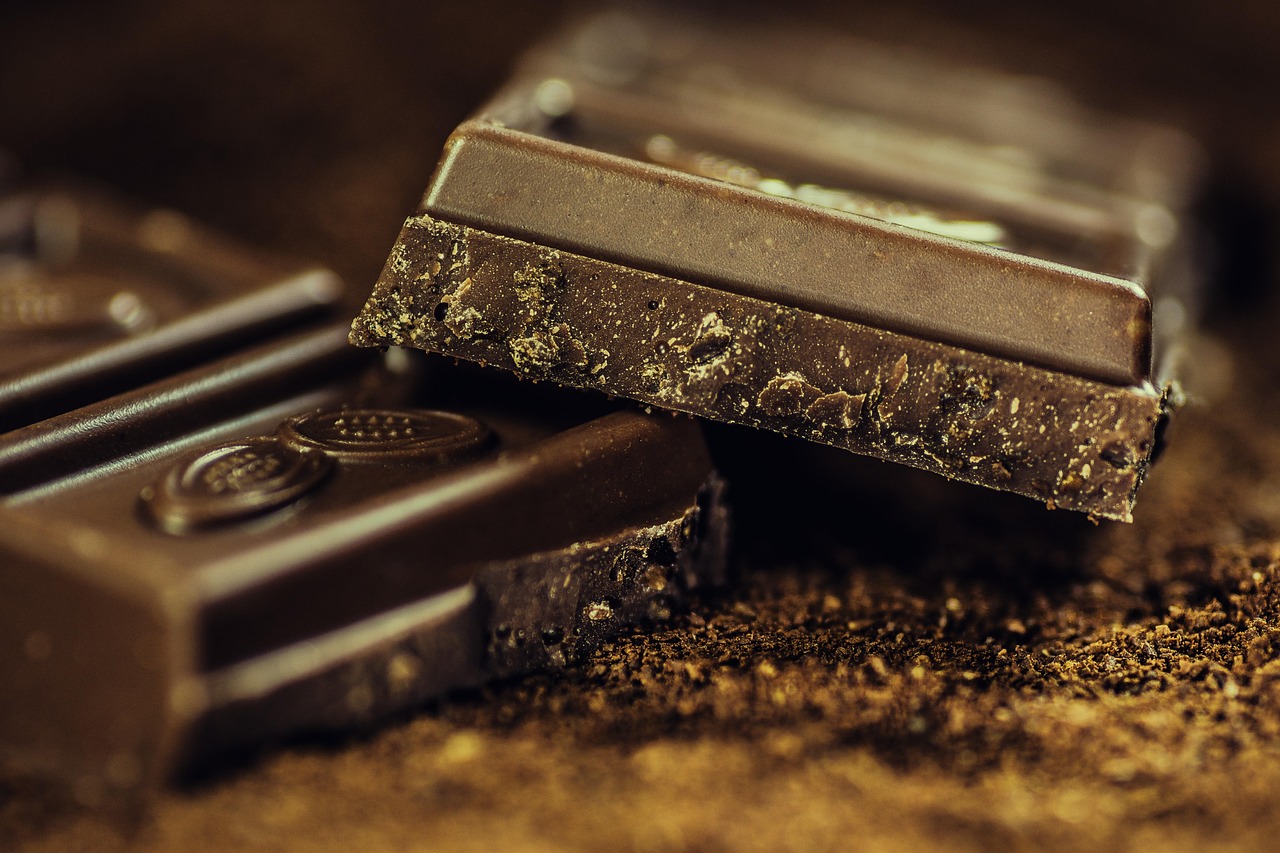
Cocoa butter is a natural fat extracted from the cocoa bean, the same bean used to make chocolate. It’s a pale-yellow, edible fat known for its rich, chocolatey aroma and smooth texture. For centuries, it has been a cherished ingredient in cosmetics, skincare, and even traditional medicine, particularly in regions where cocoa is cultivated.
Key Components of Cocoa Butter:
- Fatty Acids: Cocoa butter is rich in saturated and monounsaturated fatty acids, primarily oleic acid, stearic acid, and palmitic acid. These fatty acids are excellent emollients, meaning they create a protective barrier on the skin, sealing in moisture.
- Antioxidants: It contains a significant amount of antioxidants, including polyphenols and flavonoids. These compounds help to combat free radical damage, which can contribute to premature aging and skin damage.
- Vitamins and Minerals: While not a primary source, it contains trace amounts of vitamins like Vitamin E and certain minerals.
Its melting point is just below body temperature, which is why it readily melts upon contact with the skin, allowing for easy absorption. This unique property makes it a popular choice for deeply moisturizing dry, cracked, or irritated skin.
The Science Behind Cocoa Butter and Skin Health
The question remains: do cocoa butter get rid of dark spots? To answer this, we need to look at its known effects on skin health and whether these translate into a direct impact on hyperpigmentation.
Cocoa Butter’s Proven Skin Benefits:
- Intense Moisturization: Due to its high fatty acid content, cocoa butter is an exceptional moisturizer. It forms an occlusive barrier on the skin’s surface, preventing transepidermal water loss. Well-hydrated skin is healthier skin, which can better repair itself and maintain an even tone.
- Skin Barrier Support: By strengthening the skin’s natural barrier, cocoa butter helps protect against environmental aggressors and reduces irritation, which can be a precursor to PIH.
- Antioxidant Protection: The polyphenols and flavonoids in cocoa butter help neutralize free radicals caused by UV exposure and pollution. Free radical damage can contribute to skin aging and potentially exacerbate hyperpigmentation by damaging skin cells and triggering melanin production.
- Anti-inflammatory Properties: Some studies suggest that the compounds in cocoa butter may possess mild anti-inflammatory effects. Reducing inflammation can be beneficial in preventing or minimizing the severity of post-inflammatory hyperpigmentation.
- Improved Skin Elasticity and Smoothness: Regular use can improve the skin’s texture, making it feel softer and more supple. This overall improvement in skin quality can make existing imperfections, including dark spots, appear less prominent.
Do Cocoa Butter Get Rid Of Dark Spots? The Honest Verdict
Given its impressive list of skin benefits, it’s easy to see why many hope cocoa butter can get rid of dark spots. However, it’s crucial to set realistic expectations. Based on current scientific understanding, cocoa butter is not a direct skin lightening agent in the same way ingredients like hydroquinone, retinoids, or Vitamin C are. It does not contain compounds known to inhibit melanin production or directly break down existing melanin pigments.
What Cocoa Butter CAN Do (Indirectly):
- Support Healing of New Spots: For fresh post-inflammatory hyperpigmentation (like recent acne marks), cocoa butter’s moisturizing and anti-inflammatory properties can support the skin’s natural healing process. By keeping the skin hydrated and healthy, it *might* help new marks fade a bit faster or prevent them from becoming too dark in the first place.
- Prevent Worsening of Existing Spots: Its antioxidant content can help protect the skin from further free radical damage, which could otherwise darken existing spots.
- Improve Overall Skin Tone and Texture: By promoting healthy, hydrated skin, cocoa butter can improve the overall appearance and radiance of your complexion. This can make dark spots less noticeable by creating a more uniform background.
- Reduce Scarring: While not directly for dark spots, cocoa butter is often lauded for its ability to improve the appearance of scars and stretch marks. This is likely due to its deep moisturizing and skin-smoothing properties, which can help new scar tissue integrate more seamlessly with surrounding skin. Some dark spots are a form of scarring, so this benefit is relevant.
What Cocoa Butter CAN’T Do:
- Directly Lighten Deep-Set Dark Spots: For old, stubborn hyperpigmentation, melasma, or sunspots that have been present for a long time, cocoa butter alone is unlikely to provide significant lightening. It lacks the active ingredients needed to target melanin directly.
- Replace Targeted Treatments: If your primary goal is to aggressively treat dark spots, you’ll need ingredients with proven melanin-inhibiting properties or professional treatments.
So, while cocoa butter won’t magically erase dark spots overnight, it can be a valuable supporting player in a holistic skincare routine aimed at achieving an even skin tone. Its role is more about nurturing healthy skin that is less prone to new spots and better equipped to heal existing ones.
How to Incorporate Cocoa Butter into Your Routine for Dark Spots
If you’re still keen on using cocoa butter, here’s how to integrate it effectively, keeping its true capabilities in mind:
Practical Advice:
- Choose Quality Products: Opt for pure, unrefined cocoa butter or lotions that list cocoa butter high up in the ingredient list. Look for products free from parabens, phthalates, and harsh fragrances, especially if you have sensitive skin.
- Patch Test: Always perform a patch test on a small, inconspicuous area of your skin before applying it all over, especially if you have acne-prone or sensitive skin, as cocoa butter can be mildly comedogenic for some.
- Consistent Application: Apply cocoa butter daily, ideally twice a day, to the affected areas. Consistency is key for any skincare regimen, even for indirect benefits.
- Apply to Damp Skin: For maximum hydration, apply cocoa butter immediately after showering or washing your face, when your skin is still slightly damp. This helps to lock in moisture.
- Combine with Active Ingredients: To effectively target dark spots, pair cocoa butter with ingredients scientifically proven to lighten hyperpigmentation.
- Vitamin C: An antioxidant that brightens skin and inhibits melanin production.
- Niacinamide (Vitamin B3): Reduces inflammation and prevents melanin transfer to skin cells.
- Alpha Hydroxy Acids (AHAs) or Beta Hydroxy Acids (BHAs): Exfoliate the skin, helping to shed pigmented cells.
- Retinoids (Retinol, Tretinoin): Speed up cell turnover and reduce melanin production.
Apply your active treatment first, allow it to absorb, then follow with cocoa butter as a moisturizer.
- SUN PROTECTION IS NON-NEGOTIABLE: This cannot be stressed enough. Sun exposure is the primary trigger and worsening factor for dark spots. Even if cocoa butter offers some antioxidant protection, it is NOT a sunscreen. Always apply a broad-spectrum SPF 30+ sunscreen every morning, rain or shine, to prevent new spots and keep existing ones from darkening.
Pros and Cons of Using Cocoa Butter for Dark Spots
To help you make an informed decision, here’s a balanced view of the advantages and disadvantages:
Pros:
- Natural and Gentle: It’s a plant-derived ingredient, generally well-tolerated by many skin types.
- Excellent Moisturizer: Provides deep, long-lasting hydration, improving skin texture and suppleness.
- Affordable and Accessible: Widely available in various forms (pure, lotions, creams) and typically budget-friendly.
- Antioxidant Benefits: Helps protect skin from environmental damage.
- Soothing: Can help calm irritated skin due to its anti-inflammatory potential.
- Improves Overall Skin Health: Contributes to a healthier, more radiant complexion, which can indirectly make dark spots less noticeable.
Cons:
- Not a Direct Lightening Agent: Lacks specific compounds to directly inhibit melanin production or break down existing pigment.
- Slow or Minimal Results for Dark Spots: Any fading of dark spots will likely be very gradual and subtle, especially for older or deeper marks. It’s more of a supportive ingredient than a primary treatment.
- Potential Comedogenicity: For some individuals, particularly those with acne-prone skin, cocoa butter can be moderately comedogenic, meaning it might clog pores and potentially lead to breakouts.
- Scent: Its distinct chocolatey aroma might not appeal to everyone.
- Greasy Feel: Pure cocoa butter can feel quite thick and greasy upon application, which some people dislike.
When to See a Dermatologist
While natural remedies like cocoa butter have their place, it’s important to know when to seek professional help. If your dark spots are persistent, spreading rapidly, changing in size or color, or if they are accompanied by other symptoms, consult a dermatologist. They can accurately diagnose the type of hyperpigmentation and recommend more potent treatments, such as prescription retinoids, hydroquinone, chemical peels, microdermabrasion, or laser therapy, which are far more effective for significant dark spot reduction than cocoa butter.
Recommended Products
Palmer’s Cocoa Butter Formula Daily Skin Therapy
A classic and widely popular cocoa butter lotion, known for its deep moisturizing properties and signature scent. Great for overall skin hydration and improving texture.
NOW Foods Solutions Cocoa Butter, Organic
For those who prefer pure, unrefined cocoa butter, this organic option is excellent for DIY skincare formulations or direct application for intense moisturization.
CeraVe Resurfacing Retinol Serum
While cocoa butter provides hydration, this serum (containing encapsulated retinol and niacinamide) is an effective complement for actively targeting dark spots and improving skin texture. Use before cocoa butter.
Frequently Asked Questions (FAQs) About Cocoa Butter and Dark Spots
Q1: How long does it take for cocoa butter to fade dark spots?
A: If cocoa butter helps at all, the process will be very slow and gradual. You might see subtle improvements in overall skin tone and the fading of very new, minor marks over several weeks to months of consistent use. For older or deeper dark spots, results will likely be minimal or nonexistent, as cocoa butter is not a direct lightening agent.
Q2: Can cocoa butter make dark spots worse?
A: No, cocoa butter itself is not known to make dark spots worse. However, if you have acne-prone skin and cocoa butter clogs your pores, leading to new breakouts, the subsequent inflammation could potentially cause new post-inflammatory hyperpigmentation (dark spots). This is why a patch test is recommended.
Q3: Is pure cocoa butter better than cocoa butter lotions for dark spots?
A: Pure cocoa butter offers concentrated moisturizing and antioxidant benefits. Lotions often contain other ingredients, some of which might also be beneficial (like Vitamin E) or less effective. For deep hydration, pure cocoa butter is often preferred. However, for targeting dark spots specifically, neither pure cocoa butter nor a lotion is a primary solution. The best approach is to use pure cocoa butter as a moisturizer alongside active dark spot treatments.
Q4: What other ingredients pair well with cocoa butter for hyperpigmentation?
A: To effectively address dark spots, pair cocoa butter with proven active ingredients. Excellent choices include Vitamin C (for brightening), Niacinamide (for reducing inflammation and melanin transfer), AHAs/BHAs (for exfoliation), and Retinoids (for cell turnover and melanin inhibition). Apply these active ingredients first, then use cocoa butter as your hydrating layer.
Q5: Can cocoa butter prevent new dark spots?
A: Cocoa butter’s antioxidant properties can help protect skin from free radical damage, which contributes to skin aging and potentially hyperpigmentation. By keeping the skin healthy and hydrated, it also supports its natural barrier function, making it less prone to inflammation. However, the most crucial preventative measure against new dark spots, especially sunspots, is diligent use of broad-spectrum sunscreen.
Q6: Is cocoa butter good for all skin types, especially acne-prone?
A: Cocoa butter is generally well-tolerated by normal to dry skin types. However, because it is a rich, occlusive butter, it can be mildly comedogenic for some individuals, particularly those with oily or acne-prone skin. If you have a history of breakouts, perform a patch test or choose lighter, non-comedogenic moisturizers.
Conclusion: The Role of Cocoa Butter in Fading Dark Spots
To circle back to our central question: Do cocoa butter get rid of dark spots? The honest answer is that while cocoa butter is a fantastic natural moisturizer with notable antioxidant and anti-inflammatory properties, it is not a direct or potent treatment for fading existing dark spots. It lacks the specific active compounds found in professional-grade skin lighteners that directly target melanin production or accelerate its breakdown.
Instead, think of cocoa butter as a valuable ally in your overall skin health journey. By providing intense hydration, supporting the skin barrier, and offering antioxidant protection, it creates a healthier canvas. This healthier skin is better equipped to prevent new dark spots from forming and might even help existing, fresh marks fade a bit more efficiently by supporting the natural healing process. For significant or stubborn hyperpigmentation, however, you’ll need to combine cocoa butter with proven active ingredients like Vitamin C, retinoids, or AHAs, and, most importantly, diligent sun protection.
Embrace cocoa butter for its nourishing benefits, but maintain realistic expectations regarding its ability to single-handedly eradicate dark spots. For best results, consult with a dermatologist to develop a comprehensive skincare plan tailored to your specific needs.