
Dark spots, hyperpigmentation, and an uneven skin tone are common concerns that many individuals face. Whether they’re the lingering reminders of past breakouts, sun exposure, or hormonal shifts, these marks can be incredibly stubborn and frustrating to treat. In the vast world of skincare ingredients, one often-overlooked hero has been steadily gaining recognition for its remarkable abilities: azelaic acid. But does azelaic acid truly help with dark spots, and is it the solution you’ve been searching for?
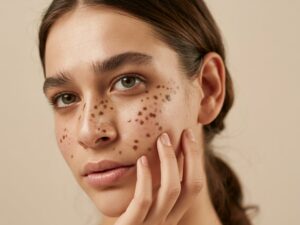
This comprehensive guide dives deep into the science behind azelaic acid, exploring its unique properties and how it targets various forms of hyperpigmentation. We’ll uncover its benefits, discuss how to effectively incorporate it into your routine, and set realistic expectations for achieving a clearer, more radiant complexion. If you’re tired of battling persistent dark spots, read on to discover if azelaic acid could be your new skincare staple.
Understanding Dark Spots: What Causes Hyperpigmentation?
Before we delve into how azelaic acid helps with dark spots, it’s essential to understand what causes these pesky marks in the first place. Dark spots, clinically known as hyperpigmentation, occur when there’s an overproduction of melanin, the pigment responsible for skin, hair, and eye color. This excess melanin deposits in specific areas, leading to darker patches.
Types of Dark Spots
- Post-Inflammatory Hyperpigmentation (PIH): These are dark spots that appear after an inflammatory skin condition, such as acne, eczema, or a scratch. When the skin heals, it sometimes leaves behind a darker mark, ranging from pink or red to brown or black.
- Melasma: Often referred to as the “mask of pregnancy,” melasma is characterized by larger patches of hyperpigmentation, typically on the face (cheeks, forehead, upper lip, chin). It’s primarily triggered by hormonal changes (pregnancy, birth control) combined with sun exposure.
- Sun Spots (Lentigines): Also known as age spots or liver spots, these are small, flat, dark areas on the skin that develop from prolonged exposure to ultraviolet (UV) radiation from the sun. They commonly appear on sun-exposed areas like the face, hands, and décolletage.
Regardless of the type, the underlying mechanism involves melanocytes (melanin-producing cells) going into overdrive. The goal of any effective dark spot treatment, including azelaic acid for hyperpigmentation, is to regulate this melanin production and help fade existing spots.
What is Azelaic Acid? A Skincare Powerhouse
Azelaic acid is a naturally occurring dicarboxylic acid found in grains like barley, wheat, and rye. In skincare, it’s synthesized for consistent purity and efficacy. It’s a multi-functional ingredient revered by dermatologists for its gentle yet powerful action, making it suitable for a wide range of skin concerns, including the treatment of dark spots.
How Azelaic Acid Works on Skin
Unlike some more aggressive acids, azelaic acid boasts a unique profile of benefits:
- Anti-inflammatory: It calms redness and irritation, which is particularly beneficial for conditions like rosacea and for preventing post-inflammatory hyperpigmentation.
- Antibacterial: It helps to kill acne-causing bacteria (P. acnes), reducing breakouts and subsequent dark spots.
- Keratolytic: It aids in shedding dead skin cells, preventing clogged pores and promoting smoother skin texture.
- Melanin Inhibitor: This is where its role in treating dark spots truly shines.
Does Azelaic Acid Help With Dark Spots? The Science Behind It
Yes, the answer is a resounding yes, azelaic acid helps with dark spots significantly! Its efficacy in fading hyperpigmentation stems primarily from its ability to interfere with melanin production. Let’s break down the scientific mechanisms:
Inhibiting Tyrosinase (Melanin Production)
The most crucial way azelaic acid treats dark spots is by inhibiting tyrosinase, a key enzyme involved in the synthesis of melanin. By reducing the activity of tyrosinase, azelaic acid effectively slows down the production of new pigment. What’s remarkable is that azelaic acid selectively targets overactive melanocytes (the cells that produce melanin), meaning it primarily affects areas of hyperpigmentation without lightening surrounding normal skin. This makes it a safer and often preferred alternative to ingredients like hydroquinone for long-term use, especially for those concerned about hypopigmentation (loss of pigment).
Reducing Inflammation and Redness
As mentioned, azelaic acid has potent anti-inflammatory properties. Inflammation is a major precursor to post-inflammatory hyperpigmentation (PIH). By calming irritated skin, reducing redness associated with acne and rosacea, azelaic acid helps prevent the initial trigger for dark spot formation. This dual action – treating existing spots and preventing new ones – makes it an excellent choice for those prone to breakouts and subsequent discoloration.
Promoting Cell Turnover
While not as potent as AHAs or retinoids in exfoliation, azelaic acid does contribute to increased cell turnover. This means it helps shed dead skin cells more efficiently, bringing newer, less pigmented skin cells to the surface. This gradual exfoliation helps to lighten existing dark spots and contributes to an overall brighter and more even complexion. Combining this with its tyrosinase-inhibiting effects creates a powerful approach to fading dark spots with azelaic acid.
Benefits of Azelaic Acid Beyond Dark Spots
While our focus is on answering “does azelaic acid help with dark spots,” it’s worth noting its additional benefits that contribute to overall skin health:
- Acne Treatment: Its antibacterial and anti-inflammatory properties make it highly effective against mild to moderate acne, reducing both inflammatory lesions and comedones.
- Rosacea Management: Azelaic acid is a first-line treatment for rosacea due to its ability to reduce redness, bumps, and visible blood vessels associated with the condition.
- Improved Skin Texture: By promoting cell turnover, it can help smooth rough skin, minimize the appearance of pores, and refine overall texture.
- Gentle on Sensitive Skin: Compared to other active ingredients like retinoids or strong acids, azelaic acid is generally well-tolerated, even by sensitive skin types.
How to Incorporate Azelaic Acid into Your Skincare Routine
To get the most out of azelaic acid for dark spots, proper application and consistency are key.
Choosing the Right Concentration
Azelaic acid is available in various concentrations:
- Over-the-Counter (OTC): Typically available in 10% concentrations. These are excellent starting points for addressing mild to moderate dark spots and overall skin brightening.
- Prescription Strength: Concentrations of 15% or 20% are available through a dermatologist. These are often prescribed for more severe hyperpigmentation, melasma, or rosacea.
Application Tips
- Cleanse: Start with a gentle cleanser to remove makeup and impurities.
- Tone (Optional): If you use a toner, apply it now.
- Azelaic Acid: Apply a pea-sized amount of azelaic acid product evenly over the affected areas or your entire face. It can be used once or twice daily, depending on your skin’s tolerance. If you’re new to it, start with once daily (evening) and gradually increase frequency.
- Moisturize: Follow with a hydrating moisturizer to combat any potential dryness.
- SPF (Morning): Always, always finish your morning routine with a broad-spectrum sunscreen with at least SPF 30. Sun protection is paramount when treating dark spots, as UV exposure can reverse any progress and cause new spots to form.
Potential Side Effects and Precautions
While generally well-tolerated, some individuals may experience mild side effects, especially when first starting:
- Mild stinging or tingling sensation (usually subsides after a few minutes).
- Itching or burning.
- Dryness or peeling.
- Redness.
These usually diminish as your skin adjusts. If irritation persists or is severe, reduce frequency or consult a dermatologist. Patch testing a new product is always recommended.
Combining with Other Actives
Azelaic acid plays well with many other skincare ingredients. It can be safely combined with niacinamide, hyaluronic acid, and gentle hydrating serums. It can also be layered with Vitamin C in the morning or retinoids in the evening (apply azelaic acid first if it’s a lighter texture, or layer on alternate nights if you have sensitive skin). Always introduce new actives gradually to avoid overwhelming your skin.
What to Expect: Timeline and Results
Patience and consistency are crucial when using azelaic acid for dark spots. While some might notice subtle improvements in texture and overall radiance within a few weeks, significant fading of dark spots typically takes longer.
- First 2-4 Weeks: You might notice a reduction in redness and inflammation, and perhaps a slight improvement in skin texture.
- 1-3 Months: Visible fading of dark spots, especially PIH, may start to become apparent. Melasma and older sun spots might take longer.
- 3-6 Months and Beyond: Continued and more significant improvement with consistent use. Many individuals use azelaic acid long-term for maintenance and prevention.
Remember, individual results vary based on the type, depth, and age of the dark spots, as well as adherence to a consistent routine and strict sun protection.
Pros and Cons of Using Azelaic Acid for Dark Spots
To help you decide if azelaic acid is the right dark spot treatment for you, here’s a quick summary of its advantages and potential drawbacks:
Pros:
- Effective on Various Dark Spots: Targets PIH, melasma, and sun spots.
- Gentle & Well-Tolerated: Suitable for most skin types, including sensitive and rosacea-prone skin.
- Multi-functional: Also treats acne and rosacea, and improves skin texture.
- Pregnancy-Safe: Often considered safe for use during pregnancy and breastfeeding (consult your doctor).
- Non-photosensitizing: Doesn’t make skin more sensitive to the sun (though SPF is still essential for dark spot treatment).
- Prevents Future Spots: Reduces inflammation and controls acne, minimizing new PIH.
Cons:
- Slower Results: Requires patience compared to some faster-acting ingredients like hydroquinone.
- Potential Mild Irritation: Initial stinging, itching, or dryness can occur, especially with higher concentrations.
- Availability: Higher concentrations (15-20%) require a prescription.
Recommended Products
Paula’s Choice 10% Azelaic Acid Booster
A popular and effective 10% azelaic acid treatment, often praised for its lightweight texture and ability to target dark spots, redness, and breakouts.
The Ordinary Azelaic Acid Suspension 10%
An affordable and widely available 10% azelaic acid option, known for its brightening and texturizing benefits. It has a silicone-based cream texture.
Naturium Azelaic Topical Acid 10%
Combines 10% azelaic acid with niacinamide and vitamin C for enhanced brightening and skin-tone evening benefits, in a comfortable serum texture.
EltaMD UV Clear Broad-Spectrum SPF 46
A beloved daily sunscreen, especially for acne-prone and sensitive skin, crucial for protecting treated dark spots from further sun damage.
FAQ Section: Your Questions About Azelaic Acid and Dark Spots Answered
Q: How long does azelaic acid take to work on dark spots?
A: Results vary, but generally, you can expect to see initial improvements in redness and minor dark spots within 4-8 weeks of consistent use. More significant fading of stubborn dark spots, like melasma or older sun spots, might take 3-6 months or even longer. Patience and daily application, coupled with strict sun protection, are key for the best outcomes.
Q: Can I use azelaic acid every day?
A: Yes, azelaic acid can typically be used daily, even twice a day, once your skin has acclimated. If you’re new to it, start with once a day (preferably in the evening) for a few weeks, and then gradually increase to twice daily if your skin tolerates it well. Always monitor your skin for any signs of excessive irritation.
Q: Is azelaic acid safe for all skin types, especially sensitive skin?
A: Azelaic acid is renowned for its gentle nature and is generally safe and effective for most skin types, including sensitive skin and those prone to rosacea. It’s often recommended as an alternative to harsher ingredients for individuals who experience irritation from retinoids or AHAs. However, initial mild stinging or itching can occur, which usually subsides with continued use.
Q: Can azelaic acid be used during pregnancy?
A: Yes, azelaic acid is often considered one of the safest topical treatments for acne and hyperpigmentation during pregnancy and breastfeeding, especially for conditions like melasma (“mask of pregnancy”). However, it’s always crucial to consult with your obstetrician or dermatologist before introducing any new skincare product during pregnancy.
Q: What’s the difference between azelaic acid and hydroquinone for dark spots?
A: Both are effective at treating dark spots, but they work differently. Hydroquinone is a powerful skin lightener that directly inhibits tyrosinase, but it can also lighten surrounding skin and is typically recommended for short-term use due to potential side effects like ochronosis (bluish-black discoloration) with prolonged use. Azelaic acid also inhibits tyrosinase but does so more selectively, primarily targeting overactive melanocytes, making it safer for long-term use and less likely to cause hypopigmentation. Azelaic acid also has anti-inflammatory and anti-acne benefits that hydroquinone lacks.
Conclusion: Your Path to Fading Dark Spots with Azelaic Acid
In conclusion, the answer to the question “does azelaic acid help with dark spots” is a definitive yes. This versatile ingredient stands out as an effective, well-tolerated, and multi-functional solution for various forms of hyperpigmentation, including post-inflammatory hyperpigmentation, melasma, and sun spots. Its ability to inhibit melanin production, reduce inflammation, and promote gentle cell turnover makes it a powerful ally in the quest for a more even and radiant complexion.
While it may require patience to see significant results, the consistent application of azelaic acid, combined with diligent sun protection, can lead to remarkable improvements. Whether you’re dealing with stubborn acne marks, hormonal discoloration, or age-related spots, azelaic acid offers a promising path forward. Consider incorporating an azelaic acid product into your daily routine, and if you have persistent concerns, always consult with a dermatologist to tailor a treatment plan best suited for your skin’s unique needs. Embrace the journey to clearer, brighter skin!
“`