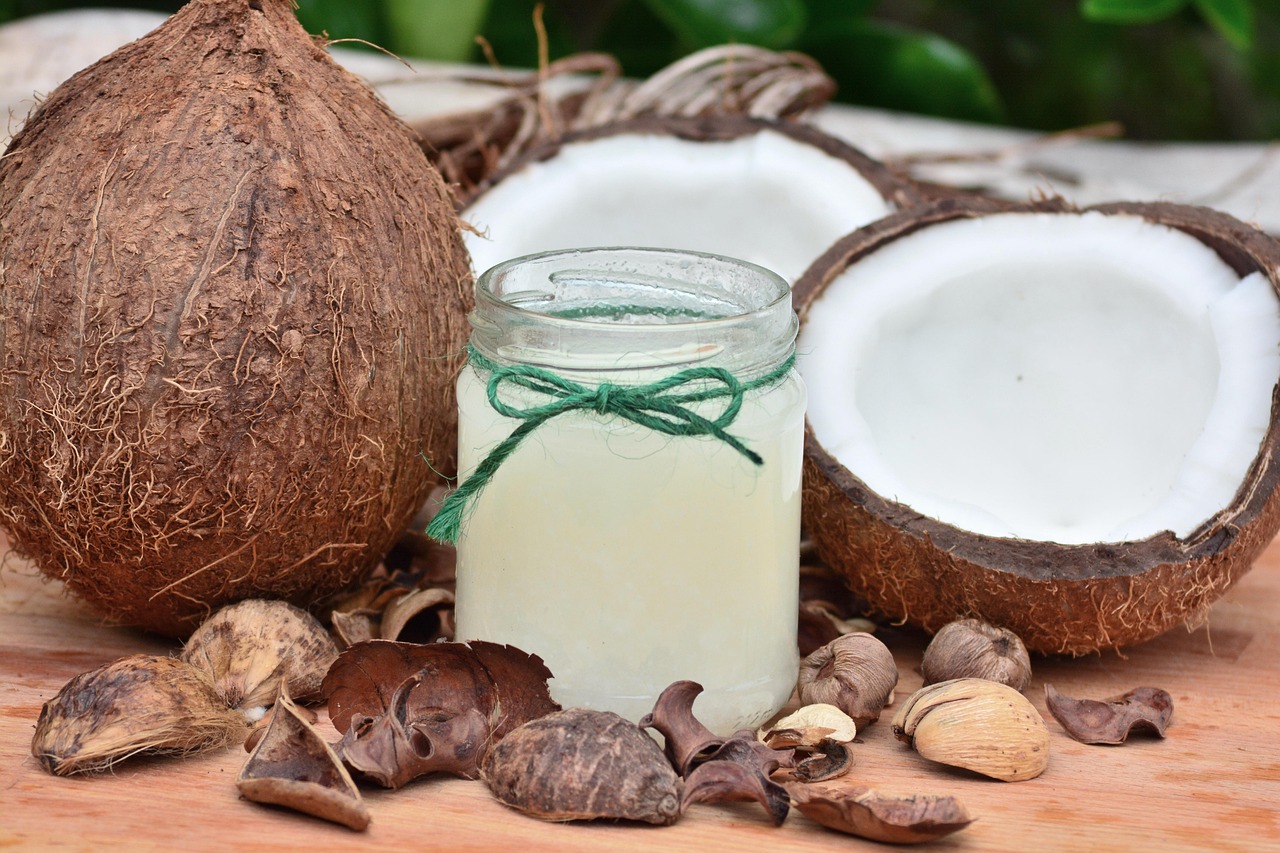
In the vast world of skincare, natural remedies often catch our attention, promising simple solutions to complex problems. Among these, coconut oil frequently emerges as a highly versatile ingredient, lauded for everything from hair conditioning to skin hydration. But when it comes to persistent skin concerns like dark spots, also known as hyperpigmentation, a crucial question arises does coconut oil help dark spots Many people turn to natural options hoping to find a gentle, effective way to achieve a more even skin tone.
Dark spots can be frustrating, affecting confidence and making skin look uneven. They are a common concern for countless individuals across the USA, prompting a search for remedies, both conventional and unconventional. This article aims to cut through the noise, exploring the science behind coconut oil’s properties and evaluating its true potential in addressing hyperpigmentation. We’ll dive deep into what dark spots are, what coconut oil actually does for the skin, and whether its widespread popularity translates into real results for fading those stubborn marks. Get ready to discover the facts, understand effective alternatives, and make informed choices for your skin’s health.
Understanding Dark Spots and Hyperpigmentation
Before we can assess whether coconut oil can tackle them, it’s essential to understand what dark spots are. Scientifically known as hyperpigmentation, these spots are areas of skin that become darker than the surrounding skin. This darkening occurs when there’s an overproduction of melanin, the pigment responsible for skin, hair, and eye color. Melanin is produced by special cells called melanocytes.
Several factors can trigger this overproduction, leading to various types of dark spots:
- Post-Inflammatory Hyperpigmentation (PIH): This is perhaps the most common type, occurring after skin inflammation or injury, such as acne, eczema, bug bites, or even aggressive exfoliation. As the skin heals, it can leave behind a dark mark.
- Sun Spots (Lentigines): Also known as age spots or liver spots, these appear due to prolonged exposure to ultraviolet (UV) light. They are most common on sun-exposed areas like the face, hands, and décolletage.
- Melasma: This type of hyperpigmentation appears as larger, often symmetrical patches of darkened skin, frequently on the face. Hormonal changes (e.g., pregnancy, birth control pills) combined with sun exposure are primary triggers.
Regardless of their cause, dark spots can be challenging to treat, often requiring patience and consistent effort. Many seek natural remedies like coconut oil for dark spots, hoping for a gentle solution.
The Allure of Coconut Oil for Skin
Coconut oil has earned a reputation as a natural powerhouse in the beauty industry. It’s rich in fatty acids, particularly lauric acid, and is celebrated for several potential benefits when applied topically:
- Moisturizing: Coconut oil is an excellent emollient, meaning it helps to hydrate and soften the skin by creating a protective barrier that locks in moisture. This can make the skin feel smoother and look plumper.
- Anti-inflammatory Properties: Studies suggest that coconut oil possesses anti-inflammatory qualities, which could help soothe irritated skin and reduce redness.
- Antioxidant Content: It contains antioxidants that can help combat free radical damage, which contributes to premature aging and skin damage.
- Antimicrobial: Lauric acid, a major component of coconut oil, has known antibacterial and antifungal properties, which might be beneficial for certain skin conditions.
Given these beneficial properties, it’s easy to see why many wonder if coconut oil can also extend its magic to fade dark spots with coconut oil or help to reduce dark spots with coconut oil.
Does Coconut Oil Help Dark Spots? The Scientific Perspective
This is where we address the core question directly. While coconut oil boasts impressive moisturizing and anti-inflammatory benefits, the scientific evidence supporting its ability to directly lighten dark spots naturally or reduce existing hyperpigmentation is largely lacking.
Why People Might Think It Helps (And Why It Doesn’t Directly)
- Improved Skin Texture: When skin is well-hydrated, it often looks healthier, smoother, and more radiant. This improved overall appearance might give the *impression* that dark spots are less noticeable, but it doesn’t mean the melanin content in the spots has actually decreased.
- Preventing Post-Inflammatory Hyperpigmentation: The anti-inflammatory properties of coconut oil *might* theoretically help to reduce the initial inflammation that can lead to PIH. However, this is preventive, not curative for existing spots, and there are far more effective anti-inflammatory ingredients for skin.
- Antioxidants: While antioxidants are crucial for skin health and can protect against future damage, there’s no strong evidence that coconut oil’s antioxidant content is potent enough to break down existing melanin or inhibit its production significantly to treat dark spots.
The Lack of Direct Melanin Inhibition
Effective dark spot treatments work by either:
- Inhibiting tyrosinase, an enzyme crucial for melanin production.
- Speeding up cell turnover to shed pigmented skin cells.
- Disrupting melanin transfer to skin cells.
Coconut oil does not contain active ingredients known to perform these functions. It doesn’t have tyrosinase inhibitors or strong exfoliating properties that would significantly impact existing melanin deposits. Therefore, relying on coconut oil on dark spots as a primary treatment is unlikely to yield the desired results for fading hyperpigmentation.
Potential Downsides of Using Coconut Oil on Facial Skin
While some people tolerate coconut oil well, it’s important to be aware of potential drawbacks, especially for facial use:
- Comedogenic: Coconut oil is highly comedogenic, meaning it can clog pores. For individuals prone to acne or breakouts, applying coconut oil to the face can exacerbate these issues, potentially leading to new post-inflammatory hyperpigmentation.
- Greasy Feel: Its thick, oily consistency can feel heavy on the skin and may not be suitable for all skin types, particularly those with oily or combination skin.
- Not a Targeted Treatment: For specific concerns like dark spots, a general moisturizer, even a good one, isn’t a substitute for targeted treatments designed to address pigmentation.
Effective Alternatives for Fading Dark Spots
If you’re serious about diminishing dark spots, shifting focus from natural oils to scientifically-backed ingredients and treatments is key. Here are some of the most effective options:
Topical Ingredients for Hyperpigmentation Treatment
- Vitamin C (Ascorbic Acid): A powerful antioxidant that inhibits tyrosinase activity and brightens the skin. It also protects against UV damage.
- Niacinamide (Vitamin B3): Reduces the transfer of melanin to skin cells and has anti-inflammatory properties, making it excellent for PIH.
- Alpha Hydroxy Acids (AHAs) & Beta Hydroxy Acids (BHAs): Glycolic acid (AHA) and salicylic acid (BHA) exfoliate the skin, helping to shed pigmented cells and reveal brighter skin underneath.
- Retinoids (Retinol, Tretinoin): These Vitamin A derivatives speed up cell turnover, pushing pigmented cells to the surface faster. They are highly effective but require careful introduction.
- Kojic Acid: Derived from fungi, it inhibits tyrosinase activity.
- Arbutin: A natural derivative of hydroquinone, it also inhibits tyrosinase.
- Hydroquinone: Considered the gold standard by many dermatologists for severe hyperpigmentation, it works by decreasing melanin production. It’s often available by prescription due to its potency.
Professional Treatments
For more stubborn dark spots, dermatologists offer in-office procedures:
- Chemical Peels: Controlled exfoliation using higher concentrations of acids to remove layers of pigmented skin.
- Laser Therapy: Various lasers (e.g., Q-switched, Fraxel) target melanin in the skin, breaking it down so the body can naturally clear it.
- Microneedling: Creates micro-injuries to stimulate collagen production and can be combined with brightening serums.
The Most Crucial Step: Sun Protection
Regardless of the treatment you choose, daily broad-spectrum sunscreen with an SPF of 30 or higher is non-negotiable. UV radiation is a primary trigger for hyperpigmentation and will undo any progress made by other treatments. Protecting your skin from the sun is the best way to prevent new dark spots and prevent existing ones from worsening.
Recommended Products
While coconut oil might not be the answer for dark spots, a comprehensive skincare routine featuring targeted ingredients and diligent sun protection is crucial. Here are some product suggestions that can genuinely help address hyperpigmentation and support overall skin health:
CeraVe Hydrating Facial Cleanser
A gentle, non-foaming cleanser that effectively removes dirt, oil, and makeup without disrupting the skin’s natural barrier. Essential for any good skincare routine.
Paula’s Choice 2% BHA Liquid Exfoliant
An excellent option for gentle exfoliation, helping to unclog pores and improve skin texture, which can indirectly aid in fading post-inflammatory hyperpigmentation.
Timeless 20% Vitamin C Plus E Ferulic Acid Serum
A potent antioxidant serum that helps brighten skin, reduce dark spots, and protect against environmental damage. A must-have for evening skin tone.
EltaMD UV Clear Broad-Spectrum SPF 46
A lightweight, oil-free sunscreen that provides broad-spectrum UV protection. Crucial for preventing new dark spots and worsening existing ones.
Frequently Asked Questions About Dark Spots and Coconut Oil
Q1: Is coconut oil good for all types of dark spots?
No. As discussed, coconut oil lacks the active ingredients necessary to directly treat or lighten any type of dark spot, whether it’s sun spots, post-inflammatory hyperpigmentation, or melasma. While it offers moisturizing benefits, it doesn’t inhibit melanin production or accelerate cell turnover in a way that significantly impacts pigmentation.
Q2: Can coconut oil lighten my overall skin tone?
There is no scientific evidence to suggest that coconut oil can lighten overall skin tone. Any perceived brightening effect is likely due to improved hydration and a healthier-looking skin barrier, which can make skin appear more radiant, but it does not reduce the actual melanin content in the skin.
Q3: How long does it take to see results with effective dark spot treatments?
Fading dark spots requires patience and consistency. With effective, science-backed ingredients like Vitamin C, retinoids, or AHAs, you can typically expect to see noticeable improvements in 4 to 12 weeks. Deeper or older spots may take several months. Professional treatments can offer faster results but often require multiple sessions.
Q4: What are the main risks of using coconut oil on facial dark spots?
The primary risk is that coconut oil is highly comedogenic, meaning it can clog pores and lead to breakouts, especially for those with acne-prone or oily skin. New breakouts can then lead to more post-inflammatory hyperpigmentation, worsening the very problem you’re trying to solve. It also doesn’t provide any actual treatment for the dark spots themselves, potentially delaying effective care.
Q5: Can I use coconut oil with other dark spot treatments?
While you could technically use coconut oil as a general moisturizer on your body, it’s generally not recommended for the face, especially when actively treating dark spots. Its comedogenic nature might interfere with other treatments or cause new breakouts. It’s best to stick to non-comedogenic moisturizers that complement your active dark spot treatments.
Conclusion
The quest for clear, even-toned skin often leads us down paths of popular natural remedies, and it’s understandable why many ask: does coconut oil help dark spots? While coconut oil is a fantastic moisturizer with anti-inflammatory and antioxidant properties, the scientific consensus is clear: it does not possess the active ingredients required to significantly fade or remove existing dark spots or hyperpigmentation. Its benefits for skin health do not directly translate to melanin reduction.
Instead of relying on natural oils for a concern as specific as dark spots, focusing on proven ingredients and practices will yield far more effective and satisfying results. Embrace a routine that includes targeted treatments like Vitamin C, retinoids, or AHAs, and above all, prioritize daily sun protection. Consistency and patience are your best allies in achieving a brighter, more even complexion. Consult with a dermatologist for personalized advice and the most effective treatment plan for your specific type of hyperpigmentation. Your skin deserves the best, science-backed care!
“`