
Dark spots, scientifically known as hyperpigmentation, are a common skin concern that can leave us feeling self-conscious. Whether they’re sun spots, post-inflammatory hyperpigmentation (PIH) from acne, or melasma, the quest for an even skin tone often leads us down a rabbit hole of ingredients and treatments. One ingredient that frequently pops up in skincare discussions is Hyaluronic Acid (HA). Known for its incredible hydrating properties, many wonder: does Hyaluronic Acid help dark spots.
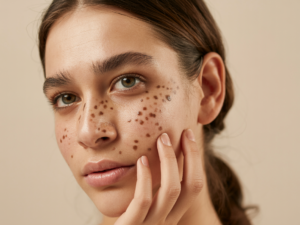
It’s a valid question, given HA’s widespread popularity and its reputation for improving overall skin health. While Hyaluronic Acid is a skincare superstar, its role in treating dark spots isn’t as straightforward as some might assume. This comprehensive guide will delve into the science behind Hyaluronic Acid, explore how it interacts with hyperpigmentation, and provide practical advice on how to leverage its benefits for a clearer, more radiant complexion. We’ll unpack its direct and indirect effects, discuss how to best incorporate it into your routine, and reveal what to realistically expect when using HA for dark spots.
Understanding Dark Spots: The Root of the Problem
Before we can truly answer “Does Hyaluronic Acid help dark spots?”, it’s essential to understand what dark spots are and why they appear. Dark spots are essentially areas of the skin where melanin (the pigment that gives skin its color) has been overproduced and deposited, leading to a darker patch. This overproduction can be triggered by several factors:
- Sun Exposure: UV radiation stimulates melanocytes (melanin-producing cells) to produce more pigment, leading to sun spots, age spots, or liver spots.
- Inflammation: Post-inflammatory hyperpigmentation (PIH) occurs after skin inflammation or injury, such as acne, eczema, or even aggressive exfoliation. The skin responds by producing excess melanin in the affected area.
- Hormonal Changes: Melasma is a type of hyperpigmentation often linked to hormonal fluctuations, commonly seen during pregnancy or with oral contraceptive use.
- Genetics: Some individuals are genetically predisposed to developing dark spots.
Regardless of the cause, the goal for fading dark spots is often to either reduce melanin production, accelerate cell turnover to shed pigmented cells, or protect the skin from further damage.
What is Hyaluronic Acid and How Does It Work?
Hyaluronic Acid is a naturally occurring humectant found in our skin, eyes, and connective tissues. Its primary function is to retain water, and it’s incredibly good at it—a single molecule of HA can hold up to 1,000 times its weight in water! In skincare, HA works by:
- Drawing Moisture: When applied topically, HA acts like a magnet, drawing moisture from the environment and deeper layers of the skin to the surface.
- Hydrating the Skin: This influx of moisture plumps up the skin, reducing the appearance of fine lines and wrinkles, and giving the skin a smoother, more supple feel.
- Strengthening the Skin Barrier: A well-hydrated skin barrier is a strong barrier. HA helps to reinforce this protective layer, making the skin more resilient against environmental aggressors and irritants.
Different molecular weights of HA exist, with lower molecular weight HA penetrating deeper into the skin, and higher molecular weight HA forming a hydrating film on the surface. Many effective HA serums contain a blend of these weights for comprehensive hydration.
Does Hyaluronic Acid Help Dark Spots Directly? The Verdict
Now, to the core question: does Hyaluronic Acid help dark spots directly? The honest answer is no, not directly. Hyaluronic Acid is not a melanin inhibitor, nor does it contain ingredients that actively break down existing pigment or stop its production. Unlike ingredients such as Vitamin C, Niacinamide, Alpha Arbutin, hydroquinone, or certain AHAs (Alpha Hydroxy Acids) and retinoids, HA does not directly target the cellular mechanisms responsible for hyperpigmentation.
However, this doesn’t mean it’s useless in your fight against dark spots. Its benefits are primarily indirect and supportive, creating an optimal environment for other spot-fading ingredients to work more effectively and improving overall skin health, which can make dark spots appear less noticeable.
How Hyaluronic Acid Indirectly Supports Dark Spot Treatment
While not a direct treatment, HA plays several crucial supportive roles that can significantly benefit those dealing with hyperpigmentation:
- Enhances Skin Barrier Function: A compromised skin barrier can lead to increased inflammation, which in turn can trigger or worsen post-inflammatory hyperpigmentation (PIH). By strengthening the skin barrier through superior hydration, HA helps to reduce inflammation and supports the skin’s natural healing process, potentially preventing new dark spots from forming due to irritation.
- Improves Skin Texture and Radiance: Well-hydrated skin appears plumper, smoother, and more radiant. While HA doesn’t bleach dark spots, by improving overall skin texture and light reflection, it can make the complexion appear more even and healthy, thereby making existing dark spots less prominent.
- Optimizes Absorption of Active Ingredients: When your skin is adequately hydrated, its barrier is more permeable, allowing other active ingredients designed to fade dark spots (like Vitamin C or Niacinamide) to penetrate more effectively and deliver their benefits deeper into the skin.
- Reduces Irritation from Potent Actives: Many ingredients effective for fading dark spots, such as retinoids or AHAs, can be quite potent and potentially irritating. Using Hyaluronic Acid alongside these ingredients can help to mitigate dryness, flakiness, and irritation, making your dark spot treatment regimen more tolerable and sustainable. This is crucial for consistent use, which is key to seeing results.
- Aids in Skin Recovery: For dark spots resulting from acne or injury (PIH), HA can assist in the skin’s healing process, ensuring a healthy recovery that is less likely to leave behind lasting discoloration.
Pros and Cons of Using Hyaluronic Acid for Dark Spots
Let’s weigh the advantages and disadvantages of including HA in your routine specifically for addressing dark spots.
Pros:
- Boosts Hydration: Fundamental for healthy skin, which indirectly helps with tone.
- Strengthens Skin Barrier: Prevents inflammation that can worsen or cause dark spots.
- Improves Overall Skin Health: A healthier canvas for other treatments.
- Enhances Active Ingredient Efficacy: Helps other spot-fading ingredients penetrate better.
- Minimizes Irritation: Allows you to use stronger actives more comfortably.
- Suitable for All Skin Types: Generally well-tolerated, even by sensitive skin.
- Plumping Effect: Visually reduces the appearance of uneven texture.
Cons:
- No Direct Fading Action: Does not directly reduce melanin or lighten dark spots on its own.
- Requires Pairing: Must be combined with other active ingredients to effectively target hyperpigmentation.
- Environmental Dependence: In very dry climates without proper sealing, HA can draw moisture from deeper skin layers, potentially leading to dryness.
Practical Advice: Incorporating Hyaluronic Acid for Dark Spots
To best utilize Hyaluronic Acid in your quest for an even skin tone, consider these practical tips:
1. Layering is Key
Apply your Hyaluronic Acid serum to damp skin after cleansing and toning. This allows the HA to bind to existing moisture. Follow up with your active dark spot treatment (e.g., Vitamin C, Niacinamide, Retinoid) and then a moisturizer to seal everything in. This layering technique ensures maximum efficacy for all your products.
2. Pair with Potent Actives
HA is a team player. For effective dark spot treatment, combine it with ingredients specifically designed to target melanin. Excellent partners include:
- Vitamin C: A powerful antioxidant that inhibits melanin production and brightens the complexion.
- Niacinamide (Vitamin B3): Reduces the transfer of melanin to skin cells and has anti-inflammatory properties.
- Alpha Arbutin/Kojic Acid: Directly inhibit tyrosinase, an enzyme crucial for melanin production.
- Retinoids (Retinol, Tretinoin): Accelerate cell turnover, helping to shed pigmented skin cells faster.
- AHAs (Glycolic Acid, Lactic Acid): Exfoliate the skin’s surface, promoting the removal of pigmented cells.
3. Consistency is Crucial
Like any skincare ingredient, consistent use is essential to see results. Incorporate HA into your daily morning and evening routines for optimal hydration and support.
4. Sun Protection is Non-Negotiable
Regardless of your skincare routine, daily broad-spectrum SPF 30+ sunscreen is the most critical step in preventing new dark spots and preventing existing ones from worsening. UV exposure is a primary trigger for hyperpigmentation, and without sun protection, even the most advanced dark spot treatments will be ineffective.
5. Listen to Your Skin
While HA is generally well-tolerated, always introduce new products gradually and observe how your skin reacts. If you’re using multiple strong actives, HA can help buffer their effects, but still proceed with caution.
Recommended Products
While Hyaluronic Acid doesn’t directly fade dark spots, it’s an excellent supportive ingredient. Below are product recommendations that either provide excellent hydration with HA or combine HA with proven dark spot-fading ingredients to offer a more comprehensive approach.
L’Oréal Paris Revitalift Derm Intensives 1.5% Pure Hyaluronic Acid Serum
A popular and accessible serum offering high concentrations of HA for intense hydration, making it an excellent base for any dark spot treatment routine.
Timeless Skin Care 20% Vitamin C Plus E Ferulic Acid Serum
This serum combines a powerful antioxidant (Vitamin C) known for fading dark spots with HA for hydration, offering a dual approach to brightening and evening skin tone.
The Ordinary Niacinamide 10% + Zinc 1%
A highly effective Niacinamide serum for improving skin texture and reducing hyperpigmentation. Pair it with a separate HA serum for complete benefits.
Paula’s Choice Clinical Discoloration Repair Serum
Formulated with tranexamic acid, bakuchiol, and niacinamide to specifically target stubborn dark spots, this serum often includes hydrating ingredients like HA to support its efficacy.
Frequently Asked Questions About Hyaluronic Acid and Dark Spots
Q1: Can Hyaluronic Acid remove dark spots completely on its own?
A: No, Hyaluronic Acid cannot remove dark spots completely on its own. It is a hydrating ingredient, not a pigment-reducing one. Its role is to improve overall skin hydration, strengthen the skin barrier, and support the efficacy of other active ingredients that are designed to fade hyperpigmentation. For direct dark spot reduction, you’ll need to pair HA with ingredients like Vitamin C, Niacinamide, retinoids, or AHAs.
Q2: How long does it take to see results with HA for skin tone improvement?
A: While the hydrating and plumping effects of Hyaluronic Acid can be seen almost immediately, any improvement in overall skin tone or the appearance of dark spots (due to its indirect benefits) will take time. When combined with active dark spot treatments, you might start noticing subtle improvements in 4-8 weeks, with more significant changes over 3-6 months. Consistency and daily sun protection are vital for any visible progress.
Q3: What ingredients pair best with Hyaluronic Acid for hyperpigmentation?
A: Hyaluronic Acid pairs exceptionally well with most active ingredients used for hyperpigmentation. Top recommendations include Vitamin C (for brightening and antioxidant protection), Niacinamide (for reducing melanin transfer and inflammation), retinoids (for cell turnover), Alpha Arbutin (for inhibiting melanin production), and AHAs like Glycolic or Lactic Acid (for exfoliation). HA helps to buffer the potential irritation from these powerful actives, making them more tolerable.
Q4: Is Hyaluronic Acid safe for all skin types, including sensitive skin, when treating dark spots?
A: Yes, Hyaluronic Acid is generally considered safe and well-tolerated by all skin types, including sensitive and acne-prone skin. Its non-comedogenic nature and hydrating properties make it an excellent choice for improving skin health without causing irritation or breakouts. In fact, for sensitive skin, HA can be particularly beneficial as it helps to soothe and strengthen the skin barrier, which is often compromised in sensitive individuals. When combining with other actives for dark spots, HA can actually reduce the likelihood of irritation.
Q5: Does HA prevent new dark spots from forming?
A: Hyaluronic Acid does not directly prevent new dark spots from forming in the way that sunscreen does. However, by strengthening the skin’s barrier and reducing inflammation, it can indirectly help to prevent post-inflammatory hyperpigmentation (PIH) that might arise from skin irritation or acne breakouts. The most effective way to prevent new dark spots, especially sun-induced ones, is through consistent and diligent use of broad-spectrum sunscreen.
Conclusion: The Supportive Role of Hyaluronic Acid for Dark Spots
So, does Hyaluronic Acid help dark spots? While it’s not a direct treatment for hyperpigmentation, Hyaluronic Acid is an invaluable asset in any skincare routine, especially when targeting dark spots. Think of HA not as the primary warrior against pigment, but as the essential support system that keeps your skin strong, hydrated, and ready to fight. It creates an optimal environment where other active ingredients—like Vitamin C, Niacinamide, and retinoids—can perform their melanin-reducing magic more effectively and with less irritation.
By consistently incorporating a good HA serum into your routine, you’ll not only enjoy plump, hydrated skin but also a more resilient skin barrier that can better withstand inflammation and support the healing process. Remember to always pair your HA with proven dark spot correctors and, most importantly, commit to daily broad-spectrum sun protection. This holistic approach, with Hyaluronic Acid playing its crucial supportive role, is your best bet for achieving a brighter, more even, and truly radiant complexion.
“`