
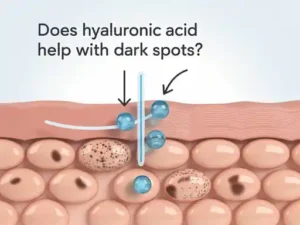
This powerful humectant is celebrated for its incredible ability to attract and retain moisture, making it a staple in hydration-focused routines. While its plumping and hydrating benefits are well-documented, its direct impact on hyperpigmentation is a topic that often sparks confusion. In this comprehensive guide, we’ll dive deep into the science behind dark spots, explore the multifaceted benefits of hyaluronic acid, and clarify whether hyaluronic acid helps with dark spots. We’ll also uncover how to effectively incorporate HA into your routine to support a brighter, more even-toned complexion, especially when combined with other targeted ingredients.
Understanding Dark Spots: What Are They and Why Do They Appear?
Before we can determine if hyaluronic acid helps with dark spots, it’s crucial to understand what dark spots are and their underlying causes. Dark spots are essentially areas of the skin where excess melanin – the pigment that gives skin its color – has been produced and deposited.
Types of Hyperpigmentation
- Post-inflammatory Hyperpigmentation (PIH): These are dark spots that appear after an inflammatory injury to the skin, such as acne, eczema, or a wound. As the skin heals, it can produce too much melanin, leaving behind a brown, black, or even purplish mark.
- Sunspots (Solar Lentigines): Often called age spots or liver spots, these are typically caused by prolonged exposure to ultraviolet (UV) radiation from the sun. They commonly appear on sun-exposed areas like the face, hands, and décolletage.
- Melasma: Characterized by larger, patchy areas of discoloration, melasma is often triggered by hormonal fluctuations (e.g., pregnancy, birth control) combined with sun exposure. It commonly appears on the face, particularly the cheeks, forehead, and upper lip.
The Role of Melanin
Melanin is produced by specialized cells called melanocytes. When these cells are overstimulated, either by UV radiation, inflammation, or hormonal changes, they produce an excess of melanin. This surplus pigment then accumulates in the skin’s outer layers, resulting in the visible dark spots we seek to diminish. Addressing dark spots effectively often involves inhibiting melanin production, promoting cell turnover, or protecting against triggers like UV light.
Hyaluronic Acid: A Skincare Powerhouse
Hyaluronic acid has earned its reputation as a skincare superstar for good reason. Let’s explore what it is and how it functions.
What is Hyaluronic Acid?
Hyaluronic acid is a naturally occurring sugar molecule (a glycosaminoglycan) found throughout our bodies, especially in the skin, connective tissue, and eyes. It’s unique in its ability to hold up to 1,000 times its weight in water, making it an unparalleled humectant – a substance that draws moisture from the environment into the skin.
How Hyaluronic Acid Works on Your Skin
When applied topically, HA forms a permeable layer on the skin’s surface, acting like a magnet for moisture. This hydration surge leads to several visible benefits:
- Intense Hydration: It quenches thirsty skin, making it feel soft and supple.
- Plumping Effect: By drawing water into the skin, HA temporarily plumps up fine lines and wrinkles, giving the skin a smoother appearance.
- Improved Skin Barrier: A well-hydrated skin barrier is a strong skin barrier. HA helps reinforce this protective layer, making it more resilient against environmental aggressors.
- Enhanced Elasticity: Hydrated skin is more flexible and resilient.
Different Forms of Hyaluronic Acid
You’ll often see HA products boasting different molecular weights:
- High Molecular Weight HA: Sits on the skin’s surface, providing immediate hydration and barrier support.
- Low Molecular Weight HA (Hydrolyzed HA, Sodium Hyaluronate): Can penetrate deeper into the epidermis, offering more profound hydration.
Does Hyaluronic Acid Directly Help With Dark Spots? The Verdict.
Now for the million-dollar question: Does hyaluronic acid help with dark spots directly? The straightforward answer is no, not directly. Hyaluronic acid is not a depigmenting agent. It does not inhibit melanin production, nor does it directly break down existing melanin clusters.
Its primary and most significant role in skincare is hydration. Ingredients that directly target dark spots typically work by:
- Inhibiting Tyrosinase: (e.g., Vitamin C, Kojic Acid, Arbutin) an enzyme crucial for melanin production.
- Blocking Melanin Transfer: (e.g., Niacinamide) preventing melanin from reaching surface skin cells.
- Accelerating Cell Turnover: (e.g., Retinoids, AHAs) shedding pigmented cells faster.
- Protecting from UV Damage: (e.g., Sunscreen) preventing new dark spots and worsening existing ones.
Hyaluronic acid does none of these things directly. However, its indirect benefits are incredibly valuable and play a crucial supporting role in a dark spot treatment regimen.
The Indirect Benefits of Hyaluronic Acid for Dark Spots
While HA isn’t a direct dark spot eraser, its contribution to overall skin health can significantly support the fading process and improve the skin’s appearance. So, in this sense, hyaluronic acid helps with dark spots indirectly.
Enhancing Skin Barrier Function
A compromised skin barrier can lead to increased inflammation and sensitivity, which can worsen existing dark spots, particularly post-inflammatory hyperpigmentation. By intensely hydrating the skin and strengthening its barrier, hyaluronic acid helps create a more resilient environment. A healthy barrier is less prone to irritation, which means less inflammation and a reduced chance of new dark spots forming or existing ones becoming more prominent.
Improving Skin Turnover and Healing
When the skin is optimally hydrated, its natural processes, including cell turnover, function more efficiently. While HA doesn’t directly exfoliate, by ensuring cells are plump and healthy, it can indirectly support the skin’s ability to shed old, pigmented cells more effectively. This can contribute to a faster fading of dark spots over time.
Boosting Efficacy of Other Active Ingredients
This is where hyaluronic acid truly shines in a dark spot treatment plan. Many powerful ingredients used to treat hyperpigmentation, such as retinoids, AHAs, and high concentrations of Vitamin C, can be drying or irritating. By providing a base layer of intense hydration, HA can:
- Reduce Irritation: It helps buffer the skin, making it more tolerant to potent actives, thereby reducing the likelihood of redness or flakiness that could lead to further PIH.
- Improve Absorption: Well-hydrated skin is generally more receptive to other ingredients, potentially allowing dark spot treatments to penetrate more effectively.
Reducing Inflammation
Inflammation is a key trigger for post-inflammatory hyperpigmentation. By keeping the skin calm and hydrated, hyaluronic acid can help reduce the inflammatory response, thus potentially preventing the formation of new dark spots after breakouts or other skin injuries.
Combining Hyaluronic Acid with Dark Spot Fighters
The smartest approach to tackling dark spots is to integrate hyaluronic acid into a routine that features other proven ingredients. Here’s how HA can complement your dark spot regimen:
Vitamin C
A potent antioxidant, Vitamin C directly inhibits tyrosinase, brightens the skin, and protects against free radical damage. Apply a Vitamin C serum, then follow with a hyaluronic acid serum to boost hydration and reduce potential irritation from the acidic Vitamin C.
Niacinamide (Vitamin B3)
Niacinamide helps reduce the transfer of melanin to the skin’s surface and boasts anti-inflammatory properties. It pairs beautifully with HA, as both are generally well-tolerated and work synergistically to improve skin health and tone. Apply a niacinamide serum, then your HA serum.
Alpha Hydroxy Acids (AHAs)
Ingredients like glycolic acid and lactic acid work by exfoliating the top layers of the skin, helping to shed pigmented cells. Since AHAs can be drying, applying hyaluronic acid afterwards can replenish moisture and soothe the skin, minimizing potential irritation.
Retinoids (Retinol, Tretinoin)
Retinoids are powerhouse ingredients for increasing cell turnover and improving hyperpigmentation. However, they can cause significant dryness and irritation. Layering a hyaluronic acid serum before or after your retinoid (depending on skin sensitivity and product instructions) can dramatically improve tolerance and reduce side effects, making your dark spot treatment more sustainable.
Sunscreen
This is non-negotiable! Sun exposure is the primary trigger for many dark spots and will worsen existing ones. Always apply a broad-spectrum SPF 30 or higher daily. Hyaluronic acid can be used underneath your sunscreen to ensure skin stays hydrated throughout the day.
Practical Advice: Layering for Success
Generally, apply products from thinnest to thickest consistency. For most people, this would look like:
- Cleanse
- Tone (optional)
- Targeted active serum (e.g., Vitamin C, Niacinamide, AHA, or Retinoid)
- Hyaluronic Acid Serum (if not already in your active serum)
- Moisturizer (often contains HA itself)
- Sunscreen (AM only)
Always listen to your skin and introduce new active ingredients gradually.
How to Incorporate Hyaluronic Acid into Your Routine
Getting the most out of your HA product is simple once you know the tricks.
Choosing the Right HA Product
Look for serums that contain various molecular weights of hyaluronic acid or sodium hyaluronate for multi-depth hydration. Many moisturizers also contain HA, which can be a great all-in-one option for less intense hydration needs.
Application Tips
- Apply to Damp Skin: This is crucial! Since HA is a humectant, it draws moisture from its surroundings. Applying it to damp skin (e.g., right after cleansing, before your skin fully dries, or after a hydrating mist) gives it readily available water to pull into your skin, maximizing its plumping effect.
- Seal with a Moisturizer: Especially in dry climates, applying HA without a subsequent occlusive moisturizer can sometimes draw moisture *out* of your skin. Always follow up with a good moisturizer to lock in the hydration HA has brought to the surface.
- Consistency is Key: Like any skincare ingredient, regular use (once or twice daily) will yield the best results for maintaining skin hydration and supporting your overall skin health.
Recommended Products
The Ordinary Hyaluronic Acid 2% + B5
A popular, affordable hyaluronic acid serum that delivers multi-depth hydration to the skin. Excellent for foundational hydration in any routine.
CeraVe Hydrating Hyaluronic Acid Serum
Formulated with hyaluronic acid and essential ceramides, this serum helps restore and maintain the skin’s natural barrier while providing hydration.
Paula’s Choice C25 Super Booster (for dark spots)
A highly concentrated Vitamin C treatment to target stubborn dark spots. Use this with a separate HA serum for best results and to minimize irritation.
EltaMD UV Clear Broad-Spectrum SPF 46
A daily broad-spectrum sunscreen that is crucial for preventing and treating dark spots. It’s gentle, oil-free, and suitable for sensitive skin.
FAQ Section: Your Questions About Hyaluronic Acid and Dark Spots Answered
Q1: Can hyaluronic acid make dark spots worse?
No, generally hyaluronic acid cannot make dark spots worse. As a hydrating ingredient, its primary role is to attract and retain moisture. It doesn’t contain any ingredients that would stimulate melanin production or increase hyperpigmentation. In fact, by supporting a healthy skin barrier and reducing irritation, it can indirectly help prevent worsening of inflammatory marks.
Q2: How long does it take for hyaluronic acid to show results on skin tone?
Since hyaluronic acid indirectly aids in improving skin tone by enhancing hydration and supporting other active ingredients, its impact on dark spots isn’t immediate or direct. You might see improved skin texture and plumpness within days or weeks. However, visible fading of dark spots, even with a comprehensive routine including direct depigmenting agents, typically takes several weeks to months (8-12 weeks or more) of consistent use. HA helps create the optimal environment for those other ingredients to work more effectively.
Q3: Is hyaluronic acid safe for all skin types with dark spots?
Yes, hyaluronic acid is generally considered safe and beneficial for all skin types, including sensitive, acne-prone, oily, and dry skin. Its non-irritating nature makes it an excellent choice for individuals who may experience sensitivity from other active dark spot treatments. If you have extremely sensitive skin, a patch test is always a good idea.
Q4: Should I use hyaluronic acid in the morning or at night for dark spots?
You can use hyaluronic acid both in the morning and at night. In the morning, it provides a hydrating base for your daily routine and helps your skin better tolerate sunscreen. At night, it supports skin repair and aids in the penetration of other nighttime treatments like retinoids. Consistency is more important than the specific time of day.
Q5: What’s the best way to combine hyaluronic acid with other ingredients for hyperpigmentation?
The best way is to layer it strategically. Apply your active dark spot treatment (e.g., Vitamin C, Niacinamide, Retinol) first on clean skin. Then, apply your hyaluronic acid serum to damp skin to boost hydration and soothe. Always follow with a moisturizer to seal everything in. Remember to introduce new active ingredients slowly to avoid overwhelming your skin.
Q6: Does hyaluronic acid prevent new dark spots?
Hyaluronic acid does not directly prevent new dark spots in the way sunscreen does by blocking UV radiation. However, by maintaining a strong, healthy skin barrier, reducing inflammation, and supporting overall skin resilience, it can indirectly help prevent certain types of hyperpigmentation, particularly post-inflammatory hyperpigmentation that arises from skin irritation or damage. Sunscreen remains your number one defense against new dark spots.
Conclusion
So, does hyaluronic acid help with dark spots? While it’s not a direct dark spot eraser like Vitamin C or retinoids, hyaluronic acid is an indispensable player in any effective skincare routine, especially one targeting hyperpigmentation. Its power lies in its unparalleled ability to deeply hydrate, strengthen the skin barrier, reduce inflammation, and enhance the efficacy of other potent ingredients. Think of HA as the ultimate supporting actor – it creates the perfect stage for your dark spot fighting heroes to perform at their best.
By incorporating hyaluronic acid into your regimen, you’re not just hydrating your skin; you’re building a foundation for healthier, more resilient skin that is better equipped to heal and respond to treatments. For optimal results, combine HA with proven depigmenting agents and, crucially, consistent daily sunscreen application. Patience and consistency are key on the journey to a brighter, more even-toned complexion. Consult with a dermatologist for personalized advice on stubborn dark spots or complex skin concerns.
“`