If you’re rocking blonde, silver, or platinum hair, you know the struggle is real when it comes to keeping brassiness at bay. That dreaded yellow or orange tint can quickly turn your cool, crisp color into something dull and undesirable. Enter purple shampoo the holy grail for maintaining vibrant, salon-fresh tones. But here’s a common question that often sparks debate among beauty enthusiasts and professional stylists alike: does purple shampoo work better on wet or dry hair. The truth is, there isn’t a one-size-fits-all answer. Both methods have their unique advantages and disadvantages, depending on your hair type, the level of brassiness you’re battling, and the intensity of toning you desire. Understanding the nuances of applying purple shampoo to either wet or dry strands can make all the difference in achieving your desired icy blonde or shimmering silver. In this comprehensive guide, we’ll dive deep into the science behind purple shampoo, explore the benefits and drawbacks of wet versus dry application, and help you determine which approach is best suited for your hair care routine. Get ready to banish brass and embrace brilliant, beautiful color!
Understanding Purple Shampoo: The Science Behind the Tone
Before we delve into application methods, let’s quickly recap what makes purple shampoo so effective. The magic lies in basic color theory. On the color wheel, purple is directly opposite yellow. This means that purple pigments effectively neutralize yellow tones. When applied to hair with unwanted yellow or brassy undertones, the purple pigment cancels them out, leaving behind a cooler, more natural blonde, silver, or platinum hue.
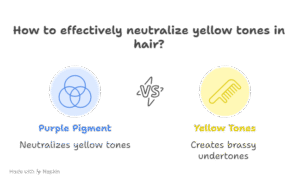
Purple shampoo is specifically formulated with violet pigments to counteract these warm tones. It’s not a dye, but rather a toner that deposits a subtle amount of color onto the hair shaft. This makes it an essential product for anyone with chemically lightened hair that is prone to brassiness, including:
- Blondes: Especially those with cool, ash, or platinum tones.
- Silver/Gray Hair: To keep it bright and prevent yellowing.
- Highlighted Hair: To maintain the cool tone of the lighter strands.
- Ombre/Balayage: For neutralizing brassy ends.
Purple Shampoo on Wet Hair: The Traditional Approach
Applying purple shampoo to wet hair is the most common and widely recommended method. It’s often used as part of your regular wash routine, replacing your usual shampoo once or twice a week.
Pros of Wet Application:
- Even Distribution: Water helps to emulsify the shampoo, allowing for easier and more uniform spread throughout your hair. This reduces the risk of patchy toning.
- Less Intense Toning: The water dilutes the pigment slightly, leading to a more subtle and gradual toning effect. This is ideal for regular maintenance and preventing over-toning.
- Reduced Staining Risk: Because the hair is wet and the pigment is diluted, there’s less chance of staining your hands, scalp, or bathroom surfaces purple.
- Gentler on Hair: Wet hair is more pliable, making the application process less strenuous on delicate strands.
- Easy to Rinse: The shampoo lathers well on wet hair, making it easy to rinse out thoroughly.
Cons of Wet Application:
- Dilution: The water can sometimes dilute the purple pigment too much, leading to less dramatic results, especially if your brassiness is severe.
- Less Potent for Stubborn Brass: For very yellow or orange tones, wet application might not provide enough neutralizing power in a single wash.
How to Apply to Wet Hair:
- Wet Hair Thoroughly: Ensure your hair is completely saturated with warm water.
- Apply and Lather: Dispense a generous amount of purple shampoo into your hands and work it into a rich lather.
- Distribute Evenly: Apply the lather from roots to ends, focusing on brassy areas.
- Leave On: Follow the product instructions, typically 2-5 minutes. For a more intense tone, you can leave it on slightly longer, but always perform a strand test first.
- Rinse: Rinse thoroughly until the water runs clear.
- Condition: Always follow with a hydrating conditioner or mask, as purple shampoos can sometimes be drying.
Purple Shampoo on Dry Hair: The Intensive Method
Applying purple shampoo to dry hair is a more advanced technique, often favored by those dealing with stubborn brassiness or aiming for a more dramatic toning effect. It requires careful application and a good understanding of your hair’s porosity.
Pros of Dry Application:
- Maximum Pigment Deposit: Without water to dilute it, the purple pigment is much more concentrated, leading to a significantly stronger toning effect.
- Faster Results: You’ll often see a more immediate and noticeable reduction in brassiness.
- Targeted Application: You can apply the shampoo precisely to the areas that need the most toning, such as specific brassy streaks or ends.
- Ideal for Stubborn Brass: If your hair is very yellow or has orange undertones that wet application can’t conquer, dry application might be your solution.
Cons of Dry Application:
- Risk of Over-Toning: The high concentration of pigment can easily lead to purple staining or an unwanted lavender tint, especially on porous or overly lightened hair.
- Uneven Application: It’s harder to spread the thick shampoo evenly on dry hair, which can result in patchy toning.
- Potential for Dryness: Purple shampoos can be drying, and applying them undiluted to dry hair can exacerbate this effect, leaving hair feeling stripped.
- Staining: Expect your hands, scalp, and possibly your bathroom to get stained if you’re not careful. Wear gloves!
- Harder to Rinse: The thick product can be more challenging to rinse out thoroughly.
How to Apply to Dry Hair:
- Protect Yourself: Wear gloves to prevent staining your hands. You might also want to protect your clothing and surrounding surfaces.
- Section Hair: Divide your dry hair into manageable sections.
- Pre-Condition (Optional but Recommended): If your hair is dry or damaged, apply a light leave-in conditioner or hair oil to the ends first. This can help prevent over-toning and dryness in porous areas.
- Apply Carefully: Squeeze a small amount of purple shampoo onto your gloved hands and apply it section by section, focusing only on the brassy areas. Avoid rubbing it into your scalp too much.
- Strand Test & Timing: This is crucial. Start with a very short leave-on time (e.g., 1-2 minutes) on a hidden strand to see how your hair reacts. For dry application, you typically leave it on for 5-15 minutes, but this varies wildly depending on your hair’s porosity and brassiness. Never leave it on for too long without testing.
- Emulsify & Rinse: Before rinsing, get your hair slightly damp and work the product into a lather for a minute or two to ensure even distribution. Then, rinse thoroughly with cool water.
- Deep Condition: Follow immediately with a hydrating deep conditioner or hair mask to replenish moisture.
The Hybrid Approach: Damp Hair Application
For those who want more intensity than wet application but are wary of the risks of dry application, applying purple shampoo to damp hair offers a fantastic middle ground. Damp hair means your hair is towel-dried after washing, but still noticeably moist.
Pros of Damp Application:
- Better Absorption: The hair cuticle is slightly open when damp, allowing the pigment to penetrate more effectively than on dry hair.
- Less Dilution: With less water than fully wet hair, the purple pigment remains more concentrated, offering a more potent toning effect.
- Improved Control: It’s easier to distribute the shampoo evenly on damp hair compared to dry, reducing the risk of patchiness.
- Reduced Staining: While still possible, the risk of severe staining is lower than on completely dry hair.
Cons of Damp Application:
- Still Requires Care: You still need to be mindful of even application and timing to avoid over-toning.
- Slightly More Effort: It requires an extra step of towel-drying your hair after an initial rinse.
How to Apply to Damp Hair:
- Wash Hair (Optional): You can either wash your hair with a regular shampoo first and then towel dry, or simply rinse with water and towel dry.
- Towel Dry Thoroughly: Squeeze out as much excess water as possible until your hair is damp, not dripping.
- Apply & Distribute: Follow the steps for wet application, ensuring even distribution.
- Leave On & Rinse: Monitor the toning closely. Leave on for 3-10 minutes, depending on desired results and product instructions. Rinse thoroughly and condition.
Factors to Consider When Deciding
To determine if purple shampoo works better on wet or dry hair for *your* specific needs, consider these factors:
- Hair Porosity: Highly porous hair (often damaged or chemically treated) will absorb pigment quickly and intensely. Low porosity hair might need a longer leave-on time or dry application for results.
- Level of Brassiness:
- Mild yellowing: Wet or damp application is usually sufficient for maintenance.
- Moderate brassiness: Damp application or a slightly longer leave-on time with wet application.
- Severe yellow/orange tones: Dry application (with extreme caution) or a highly pigmented purple mask might be needed.
- Desired Result:
- Subtle, everyday toning: Wet application.
- Dramatic, intense toning: Damp or dry application.
- Hair Health: If your hair is very dry, damaged, or brittle, stick to wet application to minimize further stripping or over-toning. Always follow with deep conditioning.
- Product Pigment Intensity: Some purple shampoos are much more pigmented than others. A highly pigmented product on dry hair can be very risky. Always read reviews and start with a short leave-on time.
Tips for Optimal Purple Shampoo Results (Regardless of Application Method)
To get the most out of your purple shampoo and keep your blonde or silver looking its best, remember these essential tips:
- Don’t Overdo It: Using purple shampoo too frequently or leaving it on for too long can lead to a dull, ashy, or even purple tint. Start with once a week and adjust as needed.
- Always Follow with Conditioner: Purple shampoos can be drying. Always follow with a hydrating conditioner or a deep conditioning mask to replenish moisture and seal the cuticle.
- Clarify Periodically: Product buildup can prevent purple shampoo from working effectively. Use a clarifying shampoo once a month to remove buildup.
- Protect from External Factors: Sun exposure, chlorine, and hard water can all contribute to brassiness. Use UV protectants, wear a swim cap, and consider a shower filter.
- Patch Test: Especially if you’re trying a new product or a new application method (like dry hair), always perform a patch test on a hidden strand first.
- Consistency is Key: Regular, appropriate use of purple shampoo is more effective than sporadic, intense treatments.
Recommended Products
Olaplex No. 4P Blonde Enhancer Toning Shampoo
A highly concentrated purple shampoo that cleanses, tones, and repairs, thanks to Olaplex’s patented bond-building technology. Great for damaged blonde hair.
Fanola No Yellow Shampoo
Known for its intense violet pigment, this powerful shampoo is a favorite among professionals for neutralizing stubborn yellow and brassy tones on very light blonde or silver hair.
Kérastase Blond Absolu Bain Ultra-Violet Shampoo
A luxurious option that intensely neutralizes brassiness while nourishing and protecting hair from oxidation and pollution. Leaves hair soft and shiny.
Moroccanoil Blonde Perfecting Purple Shampoo
Infused with ArganID™ technology and violet pigments, this shampoo helps to repair hair while neutralizing brassiness, making it a great choice for healthy, toned blonde hair.
Frequently Asked Questions About Purple Shampoo
How long should I leave purple shampoo on my hair?
The ideal leave-on time varies significantly by product and desired intensity. For most purple shampoos on wet hair, 2-5 minutes is a good starting point. For damp or dry hair, start with 1-2 minutes and check a strand, gradually increasing to 5-15 minutes if needed, but always with extreme caution and a strand test. Over-toning can occur quickly, especially on porous hair.
Can purple shampoo damage my hair?
Used correctly, purple shampoo is generally not damaging. However, many purple shampoos can be slightly drying due to their cleansing and toning properties. Always follow up with a good hydrating conditioner or hair mask. Excessive use or leaving it on for too long, especially on already dry or damaged hair, can lead to further dryness, dullness, or a rough texture.
How often should I use purple shampoo?
For most people, using purple shampoo 1-2 times a week is sufficient to maintain cool tones. If you have very brassy hair, you might use it slightly more frequently initially, then reduce frequency as your desired tone is achieved. Monitor your hair’s tone and adjust usage as needed. Some people with very light, easily toned hair only need it once every two weeks.
Will purple shampoo work on brown hair?
Purple shampoo is primarily designed to neutralize yellow tones. Brown hair typically has red or orange undertones. For these warmer tones, a blue shampoo would be more effective as blue neutralizes orange on the color wheel. Purple shampoo might offer a slight dulling effect on some brown shades but won’t effectively neutralize deep red or orange brassiness.
What if my hair turns purple?
If your hair takes on an unwanted purple tint, don’t panic! This usually happens from leaving the shampoo on too long, especially on very porous or light areas. To fix it, wash your hair immediately with a clarifying shampoo or a regular, non-toning shampoo. You might need to wash it a few times. For stubborn purple stains, a mix of baking soda and clarifying shampoo can sometimes help, but be gentle as this can be drying.
Is it better to use purple shampoo before or after regular shampoo?
Most stylists recommend using purple shampoo after a regular clarifying or hydrating shampoo. This ensures your hair is clean and free of product buildup, allowing the purple pigments to penetrate more effectively and evenly. If you apply purple shampoo first, it might not work as well on hair that isn’t fully clean.
Conclusion: The Right Choice for Your Tone
So, does purple shampoo work better on wet or dry hair? The ultimate answer truly depends on your specific hair needs and desired outcome. For daily maintenance, subtle toning, and a lower risk of over-toning, applying purple shampoo to wet hair is generally the safest and most recommended method. It offers even distribution and gentle brass neutralization, perfect for keeping your cool tones fresh between salon visits.
However, if you’re battling significant brassiness, seeking a more intense toning effect, or have specific areas that need extra attention, applying purple shampoo to damp or even dry hair can provide more potent and immediate results. Just remember that these methods come with a higher risk of uneven application, over-toning, and potential dryness, requiring careful execution and often a strand test.
The key takeaway is to listen to your hair, understand its porosity, and assess the level of brassiness you’re trying to correct. Start with the gentler wet application, and if you need more power, gradually experiment with damp or dry methods, always starting with minimal leave-on times and performing a test. By understanding these nuances, you can confidently wield your purple shampoo to banish brass and maintain beautifully vibrant blonde, silver, or platinum hair, ensuring your locks always look their absolute best!
“`