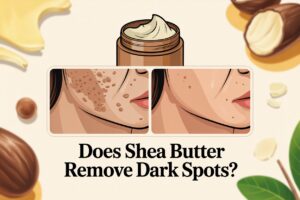
Achieving a clear, even skin tone is a common skincare goal for many. Among the myriad of natural remedies touted for various skin concerns, shea butter often stands out. This creamy, rich emollient has been celebrated for centuries for its moisturizing and healing properties. But when it comes to tackling stubborn hyperpigmentation, the burning question remains: does shea butter remove dark spots?
Dark spots, scientifically known as post-inflammatory hyperpigmentation (PIH), sun spots, or melasma, can be frustrating and challenging to treat. They result from an overproduction of melanin, the pigment that gives skin its color. While many turn to harsh chemical treatments, the appeal of a natural, gentle solution like shea butter is undeniable.
In this comprehensive guide, we’ll delve deep into the science behind shea butter and its potential impact on dark spots. We’ll explore its unique composition, understand its limitations, and provide practical advice on how to incorporate it into your skincare routine effectively. By the end, you’ll have a clear understanding of whether shea butter can truly help you achieve a more radiant, spot-free complexion.
Understanding Dark Spots and Hyperpigmentation
Before we explore shea butter’s role, it’s crucial to understand what dark spots are and why they appear. Dark spots are areas of the skin that have become darker than the surrounding skin, ranging in color from light brown to black.
What Causes Dark Spots?
- Sun Exposure: The most common cause. UV radiation triggers melanin production as a protective mechanism, leading to sun spots or age spots.
- Post-Inflammatory Hyperpigmentation (PIH): Occurs after skin inflammation or injury, such as acne breakouts, eczema, cuts, or burns. As the skin heals, it can leave behind a darker mark.
- Hormonal Changes: Conditions like melasma are often linked to hormonal fluctuations, particularly during pregnancy (often called “the mask of pregnancy”) or due to birth control pills.
- Medications: Certain drugs can cause hyperpigmentation as a side effect.
- Genetics: Some individuals are more prone to developing dark spots due to their genetic predisposition.
Types of Hyperpigmentation
While often grouped, dark spots manifest in different forms:
- Lentigines (Sun Spots/Age Spots): Small, flat, darkened patches that usually appear on sun-exposed areas like the face, hands, and arms.
- Post-Inflammatory Hyperpigmentation (PIH): Irregular patches of discoloration left after an inflammatory skin condition, like acne or dermatitis.
- Melasma: Larger patches of brown or grayish-brown discoloration, typically appearing symmetrically on the face (cheeks, forehead, upper lip), often linked to hormones.
Shea Butter: A Natural Skin Wonder
Shea butter is a fat extracted from the nuts of the shea tree (Vitellaria paradoxa), native to Africa. It’s a natural, versatile ingredient renowned for its extensive benefits for skin and hair.
What is Shea Butter?
Shea butter is solid at room temperature and melts upon contact with skin. It’s rich in a unique combination of fatty acids and vitamins, making it an exceptional moisturizer and skin conditioner. Traditional uses range from cooking to medicinal purposes, with its skincare applications being particularly prominent.
Key Components for Skin Health
The magic of shea butter lies in its rich composition:
- Fatty Acids: High concentrations of oleic acid, stearic acid, linoleic acid, and palmitic acid. These fatty acids are crucial for maintaining the skin’s barrier function, locking in moisture, and promoting elasticity.
- Vitamins A and E: These powerful antioxidants help protect the skin from environmental damage, promote cell regeneration, and contribute to overall skin health.
- Vitamin F (Linoleic Acid): Essential for maintaining skin hydration and integrity.
- Anti-inflammatory Compounds: Shea butter contains triterpenes and cinnamic acid esters, which possess anti-inflammatory properties that can soothe irritated skin.
Does Shea Butter Remove Dark Spots? The Honest Truth
Now, to the core question: does shea butter remove dark spots directly? The straightforward answer is: not in the way a strong depigmenting agent would. Shea butter is not a bleaching agent or a melanin inhibitor in the traditional sense. However, its multifaceted properties can support the skin’s natural healing process and potentially contribute to a more even skin tone over time.
How Shea Butter *Might* Help with Dark Spots
While it won’t erase spots overnight, shea butter can play a supportive role through several mechanisms:
- Anti-inflammatory Properties: By reducing inflammation, particularly in cases of PIH (post-inflammatory hyperpigmentation), shea butter can help minimize the initial trigger for excess melanin production. Calming irritated skin can prevent new dark spots from forming and may help existing ones fade more gracefully.
- Skin Cell Regeneration: The vitamins (especially A and E) and fatty acids in shea butter support healthy cell turnover. This means new, healthier skin cells can replace older, pigmented ones more efficiently, leading to a gradual fading effect.
- Moisture Barrier Support: A strong, healthy skin barrier is crucial for overall skin health and healing. Shea butter intensely moisturizes and strengthens this barrier, which can improve the skin’s resilience and its ability to recover from damage that might otherwise lead to hyperpigmentation.
- Protection from Environmental Stressors: Its antioxidant content helps neutralize free radicals caused by UV radiation and pollution. While not a substitute for sunscreen, this protective action can help prevent further darkening of existing spots and the formation of new ones.
Pros of Using Shea Butter for Dark Spots:
- Natural and Gentle: A less irritating alternative to harsh chemicals, suitable for sensitive skin.
- Intensely Moisturizing: Hydrates and soothes dry, compromised skin.
- Anti-inflammatory: Helps calm irritation that can lead to PIH.
- Rich in Antioxidants: Provides some protection against environmental damage.
- Improves Skin Texture: Promotes overall healthier, smoother skin.
Cons of Using Shea Butter for Dark Spots:
- Slow Results: Fading dark spots with shea butter requires significant patience and consistent use, often taking months to see subtle changes.
- Not a Primary Treatment: For severe or deeply embedded dark spots (like stubborn melasma), shea butter alone is unlikely to be sufficient and should be seen as a complementary treatment.
- Can be Comedogenic for Some: While generally well-tolerated, its richness might clog pores for individuals with very oily or acne-prone skin, potentially leading to more breakouts and subsequent PIH.
- Limited Direct Depigmenting Action: It lacks strong melanin-inhibiting compounds found in ingredients like hydroquinone or alpha arbutin.
What to Expect: Gradual Improvement, Not Instant Erasure
If you choose to use shea butter for dark spots, it’s vital to manage your expectations. Think of it as a marathon, not a sprint. You are more likely to experience a gradual lightening and improvement in overall skin tone and texture rather than a complete removal of dark spots. Its benefits are cumulative, and consistency is truly key.
How to Incorporate Shea Butter into Your Skincare Routine for Dark Spots
If you’re ready to explore the benefits of shea butter for hyperpigmentation, here’s how to integrate it effectively.
Choosing the Right Shea Butter
For the best results, always opt for unrefined, raw shea butter. Unrefined shea butter retains all its natural vitamins, minerals, and healing properties, which are often stripped away during the refining process. Look for products that are 100% pure, unadulterated shea butter.
Application Methods
- Direct Spot Treatment:
- Cleanse your face thoroughly.
- Take a small amount of unrefined shea butter and warm it between your fingertips until it melts.
- Gently massage a thin layer directly onto the dark spots.
- Apply once or twice daily, preferably at night.
- All-Over Moisturizer:
- After cleansing and toning, apply a pea-sized amount of melted shea butter to your entire face.
- This helps improve overall skin health and hydration, which indirectly supports an even tone.
- DIY Masks (with complementary ingredients):
- Shea Butter & Lemon (Use with caution!): Mix a tablespoon of shea butter with a few drops of freshly squeezed lemon juice (lemon can be photosensitizing, use only at night and always with sunscreen the next day). Apply to dark spots for 15-20 minutes, then rinse.
- Shea Butter & Turmeric: Combine a tablespoon of shea butter with a pinch of turmeric powder. Turmeric is known for its skin-brightening properties. Apply as a mask for 15-20 minutes, then rinse. Be aware turmeric can temporarily stain skin or fabric.
Important Considerations and Tips
- Patch Test: Always perform a patch test on a small, inconspicuous area of your skin before applying shea butter to your entire face, especially if you have sensitive or acne-prone skin.
- Sun Protection is Non-Negotiable: Regardless of what you use for dark spots, daily broad-spectrum sunscreen with an SPF of 30 or higher is paramount. UV exposure is the leading cause of dark spots and will undo any progress you make.
- Consistency is Key: Natural remedies take time. Be patient and consistent with your application for several weeks or months before expecting visible results.
- Combine with Other Actives: For more pronounced dark spots, consider layering shea butter with scientifically proven ingredients like Vitamin C serum, Niacinamide, Alpha Arbutin, or mild retinoids (under professional guidance). Apply the active serum first, then follow with shea butter as a moisturizer.
- Listen to Your Skin: If you experience any irritation or increased breakouts, discontinue use or reduce frequency.
Complementary Ingredients for Dark Spot Treatment
While shea butter offers supportive benefits, combining it with other proven ingredients can accelerate and enhance your results in treating dark spots.
Other Natural Allies (Use with Caution)
- Lemon Juice: Contains citric acid, a natural AHA, which can offer mild exfoliation. However, it’s highly acidic and can cause irritation or photosensitivity. Use diluted and only at night, followed by strong sunscreen.
- Turmeric: Contains curcumin, which has anti-inflammatory and antioxidant properties and has shown some potential in inhibiting melanin production. Use as a mask, but be mindful of temporary staining.
- Aloe Vera: Soothing and healing, aloe vera can help calm inflammation and support skin recovery, indirectly aiding in the fading of PIH.
Dermatologist-Recommended Actives
For more significant impact on dark spots, consider incorporating these ingredients, often recommended by dermatologists, and then follow with shea butter as a nourishing moisturizer:
- Vitamin C (L-Ascorbic Acid): A powerful antioxidant that brightens skin, inhibits melanin production, and boosts collagen.
- Niacinamide (Vitamin B3): Reduces inflammation, improves skin barrier function, and can interfere with melanin transfer to skin cells.
- Alpha Arbutin/Kojic Acid: These ingredients directly inhibit tyrosinase, an enzyme essential for melanin production, leading to noticeable lightening.
- Retinoids (Retinol, Tretinoin): Increase cell turnover, helping to shed pigmented cells and promote new, unpigmented ones. Can be irritating, start slowly.
- AHAs (Alpha Hydroxy Acids – Glycolic, Lactic Acid): Exfoliate the skin’s surface, helping to remove pigmented cells and reveal brighter skin underneath.
Recommended Products
Unrefined Organic Shea Butter
Pure, raw, and unrefined shea butter retains all its natural vitamins and fatty acids, essential for skin nourishment and support in fading dark spots.
Gentle Hydrating Facial Cleanser
A good skincare routine starts with a mild cleanser. This one helps remove impurities without stripping the skin, preparing it for treatment.
Vitamin C Serum for Face
A powerful antioxidant known to brighten skin tone, reduce hyperpigmentation, and protect against environmental damage. A great partner for shea butter.
Broad Spectrum SPF 50 Sunscreen
Non-negotiable for dark spot treatment! Protects your skin from harmful UV rays, preventing new spots and existing ones from darkening further.
Frequently Asked Questions About Shea Butter and Dark Spots
Q1: How long does it take for shea butter to work on dark spots?
Results vary significantly based on the individual, the type and depth of the dark spots, and consistency of use. Generally, you should expect to use shea butter consistently for several weeks to months (e.g., 2-3 months) before noticing subtle improvements. It’s not a quick fix, but rather a gradual process of supporting skin healing and regeneration.
Q2: Can shea butter make dark spots worse?
In most cases, no. Shea butter is generally well-tolerated and non-irritating. However, for individuals with very oily or acne-prone skin, its richness could potentially clog pores if used excessively, leading to breakouts. If these breakouts result in post-inflammatory hyperpigmentation, then indirectly, it could contribute to new dark spots. Always do a patch test and observe how your skin reacts.
Q3: Is unrefined or refined shea butter better for dark spots?
Unrefined shea butter is always superior for skincare, especially when targeting concerns like dark spots. The refining process can strip away many of the beneficial compounds, including vitamins, antioxidants, and anti-inflammatory agents, that contribute to shea butter’s skin-healing properties. Always choose 100% pure, raw, unrefined shea butter for maximum efficacy.
Q4: Can I use shea butter with other dark spot treatments?
Yes, absolutely! Shea butter can be an excellent complementary product. It provides intense moisture and soothes the skin, which can be beneficial when using more potent, potentially drying, or irritating dark spot treatments like retinoids, AHAs, or vitamin C serums. Apply your active treatment first, allow it to absorb, and then follow with shea butter as a protective and hydrating layer.
Q5: Is shea butter suitable for all skin types, especially acne-prone skin with dark spots?
Shea butter is generally considered suitable for most skin types, including sensitive and dry skin. However, for very oily or severely acne-prone skin, its rich, occlusive nature might be a concern for some. While it’s non-comedogenic for many, some individuals may find it too heavy. If you have acne-prone skin, start with a small amount, apply sparingly, and monitor your skin’s reaction closely. It’s often well-tolerated when used in moderation or as a targeted spot treatment for PIH.
Conclusion
So, does shea butter remove dark spots? The verdict is nuanced. While shea butter is not a miracle eraser for hyperpigmentation, it offers significant supportive benefits. Its rich blend of fatty acids, vitamins, and anti-inflammatory compounds makes it a powerful ally for overall skin health. By strengthening the skin barrier, reducing inflammation, promoting cell regeneration, and providing antioxidant protection, shea butter can contribute to a more even, radiant complexion.
Remember, tackling dark spots requires patience, consistency, and a multi-faceted approach. Shea butter can be a gentle, nourishing component of your routine, particularly beneficial for post-inflammatory hyperpigmentation. For more stubborn or severe dark spots, consider combining shea butter with proven active ingredients like Vitamin C, Niacinamide, or professional treatments, always prioritizing daily sun protection.
Embrace the journey to clearer skin with a holistic perspective. By understanding shea butter’s role and integrating it thoughtfully, you can harness its natural power to achieve healthier, more resilient skin that glows from within.
“`