Dark spots, scientifically known as hyperpigmentation, are a common concern, manifesting as pesky reminders of sun exposure, acne scars, hormonal fluctuations, or inflammation. They can be incredibly stubborn, leading many to seek effective solutions. This comprehensive guide will delve deep into the science behind snail mucin, explore its potential impact on dark spots, and provide practical advice on how to incorporate it into your routine for a brighter, more uniform complexion. Get ready to uncover whether this unique K-beauty staple truly holds the key to fading those unwelcome marks.
Understanding Dark Spots: A Common Skincare Challenge
Before we explore the role of snail mucin, it’s essential to understand what dark spots are and why they occur. Dark spots are essentially areas of the skin where melanin, the pigment responsible for skin color, is overproduced. This overproduction can be triggered by several factors:
- Sun Exposure: UV radiation stimulates melanocytes (melanin-producing cells) to produce more pigment, leading to sunspots or age spots.
- Post-Inflammatory Hyperpigmentation (PIH): This occurs after skin inflammation or injury, such as acne breakouts, eczema, or cuts. As the skin heals, it can leave behind a darker mark.
- Melasma: Often linked to hormonal changes (pregnancy, birth control pills), melasma appears as larger, blotchy patches, typically on the face.
- Medications: Certain drugs can increase photosensitivity or cause hyperpigmentation as a side effect.
Regardless of the cause, the goal for most is to reduce the appearance of these spots and achieve a more even skin tone. This is where the potential benefits of ingredients like snail mucin come into play.
What Exactly is Snail Mucin?
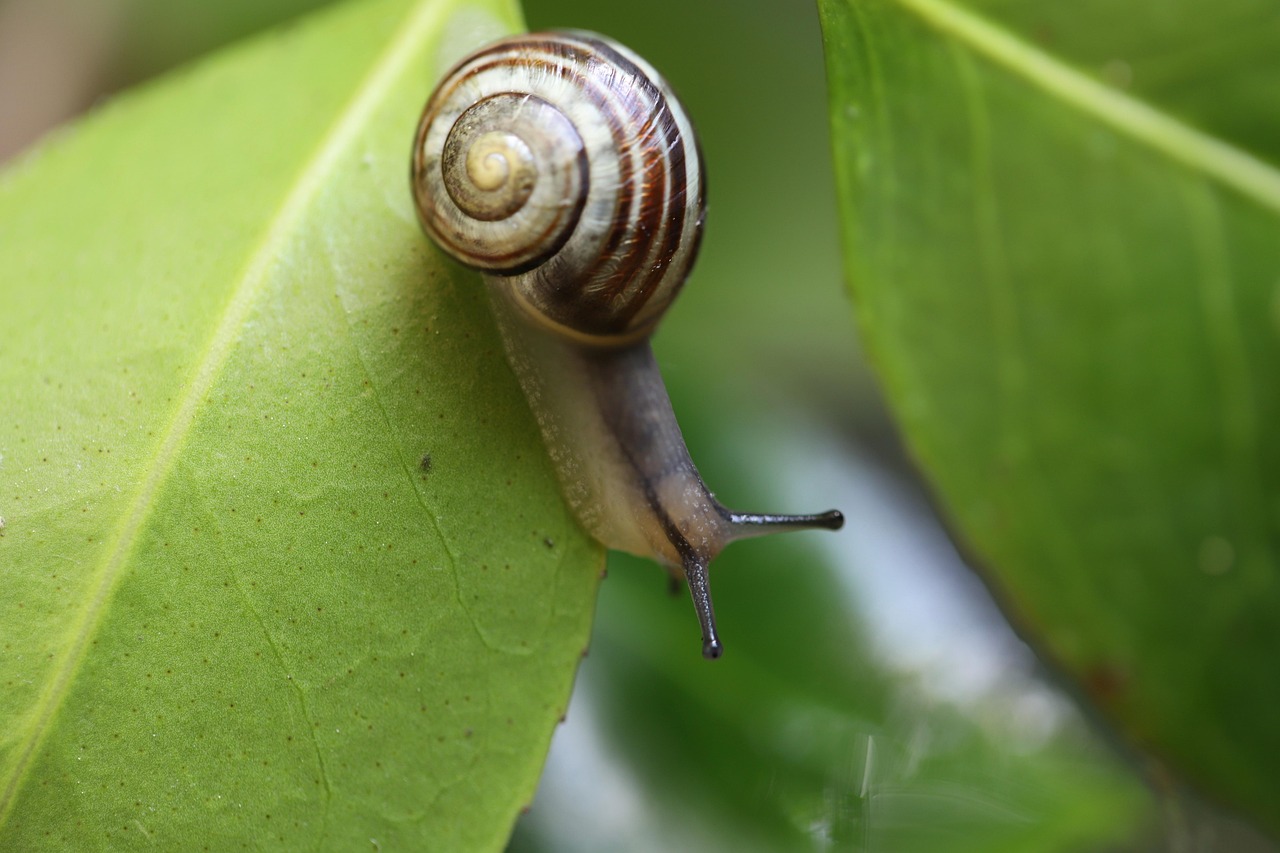
Snail mucin, also known as snail secretion filtrate (SSF), is a complex blend of glycoproteins, hyaluronic acid, proteoglycans, antimicrobial peptides, and enzymes. It’s the slime that snails produce to protect themselves from cuts, UV rays, and bacteria, and to help them repair their delicate tissues. In skincare, it’s harvested ethically and processed for cosmetic use.
Key Components and Their Benefits:
- Hyaluronic Acid: A powerful humectant that draws moisture into the skin, providing intense hydration and plumping effects.
- Glycoproteins: Proteins that aid in cell regeneration and communication, supporting skin repair.
- Proteoglycans: Contribute to skin’s structural integrity and hydration.
- Antimicrobial Peptides: Help protect the skin from harmful bacteria, reducing the risk of breakouts and inflammation.
- Growth Factors: Stimulate cell proliferation and regeneration, which can aid in wound healing and tissue repair.
- Antioxidants (e.g., Superoxide Dismutase): Combat free radical damage, protecting the skin from environmental stressors.
- Allantoin: Known for its soothing, healing, and anti-irritant properties.
These components collectively contribute to snail mucin’s renowned abilities to hydrate, repair, soothe, and regenerate the skin. But how do these properties translate to addressing dark spots?
Does Snail Mucin Help With Dark Spots? The Mechanisms Explained
While snail mucin doesn’t contain direct depigmenting agents like hydroquinone or strong retinoids, its multifaceted properties can indeed contribute to improving the appearance of dark spots, particularly those related to post-inflammatory hyperpigmentation (PIH) and overall skin health.
1. Enhanced Cell Turnover and Regeneration
One of the primary ways snail mucin helps with dark spots is by promoting faster cell turnover. The growth factors and glycoproteins present in snail mucin encourage the production of new, healthy skin cells and the shedding of old, damaged ones. This accelerated renewal process can gradually bring newer, less pigmented cells to the surface, helping to diminish the visibility of dark spots over time.
2. Anti-Inflammatory and Soothing Properties
Inflammation is a significant trigger for hyperpigmentation, especially PIH. Snail mucin’s allantoin and peptides possess powerful anti-inflammatory properties that can calm irritated skin. By reducing inflammation, snail mucin can help prevent new dark spots from forming and lessen the intensity of existing ones, particularly those left behind by acne or other skin injuries.
3. Deep Hydration and Skin Barrier Repair
A healthy skin barrier is crucial for overall skin health and its ability to heal effectively. Snail mucin’s rich hyaluronic acid content provides intense hydration, strengthening the skin’s moisture barrier. A strong barrier is better equipped to protect against environmental damage and retain moisture, creating an optimal environment for skin repair and regeneration. Well-hydrated skin also reflects light more evenly, making the complexion appear brighter and more uniform, subtly reducing the perception of dark spots.
4. Antioxidant Protection
Antioxidants in snail mucin help to neutralize free radicals, which are unstable molecules that can damage skin cells and contribute to premature aging and hyperpigmentation. By offering this protective shield, snail mucin indirectly supports the skin’s ability to heal and maintain an even tone.
Realistic Expectations: Snail Mucin as a Supportive Ingredient
It’s important to set realistic expectations. While snail mucin offers significant benefits that can improve the appearance of dark spots, especially post-inflammatory hyperpigmentation, it is generally considered a supportive ingredient rather than a standalone, powerhouse treatment for severe or deeply rooted hyperpigmentation like melasma or very old sunspots.
Think of snail mucin as an excellent enhancer and healer. It creates a healthier, more resilient canvas for other targeted treatments to work more effectively. For stubborn dark spots, combining snail mucin with other scientifically proven brightening ingredients is often the most effective strategy.
Combining Snail Mucin with Other Actives for Maximum Impact
To truly target dark spots and achieve a radiant complexion, integrating snail mucin into a routine that includes other active ingredients known for their brightening capabilities is highly recommended.
Powerful Partners for Fading Dark Spots:
- Vitamin C (Ascorbic Acid): A potent antioxidant and melanin inhibitor. It brightens the skin, fades existing dark spots, and prevents new ones. Apply Vitamin C in the morning, followed by snail mucin for added hydration and soothing.
- Niacinamide (Vitamin B3): Reduces inflammation, improves skin barrier function, and inhibits the transfer of melanin to skin cells, effectively reducing dark spots and evening out skin tone. Niacinamide and snail mucin work wonderfully together.
- Alpha Arbutin & Kojic Acid: These ingredients directly inhibit tyrosinase, the enzyme responsible for melanin production. They are excellent for targeting hyperpigmentation.
- AHAs (Alpha Hydroxy Acids) like Glycolic Acid & Lactic Acid: These exfoliants help shed pigmented surface cells, revealing brighter skin underneath. Use AHAs a few times a week, and follow with snail mucin to soothe and hydrate.
- Retinoids (Retinol, Tretinoin): Speed up cell turnover dramatically, pushing new, unpigmented cells to the surface. They are highly effective for dark spots but can be irritating. Snail mucin can help soothe and hydrate the skin, mitigating some of the retinoid-induced dryness and irritation.
How to Incorporate Snail Mucin into Your Routine:
Snail mucin is typically applied after cleansing and toning, but before heavier serums or moisturizers. Its lightweight texture makes it suitable for layering.
- Cleanse: Start with a gentle cleanser.
- Tone: Use a hydrating toner.
- Active Treatment (if applicable): Apply your targeted serum (e.g., Vitamin C, Niacinamide, AHA). Allow it to absorb.
- Snail Mucin: Gently pat a few pumps of snail mucin essence or serum onto your face.
- Moisturize: Follow with your regular moisturizer to seal everything in.
- Sunscreen (AM): Always finish your morning routine with a broad-spectrum SPF 30+ sunscreen, as sun protection is paramount for preventing and treating dark spots.
Pros and Cons of Using Snail Mucin for Dark Spots
Pros:
- Gentle & Well-Tolerated: Generally suitable for most skin types, including sensitive skin.
- Hydrating: Provides deep, long-lasting moisture, crucial for skin health.
- Soothing & Calming: Reduces inflammation and irritation, which can prevent new dark spots.
- Promotes Healing: Aids in skin repair and regeneration, beneficial for post-inflammatory hyperpigmentation.
- Improves Skin Texture: Leads to smoother, plumper skin.
- Enhances Other Actives: Creates a healthy skin barrier, allowing other treatments to work more effectively.
Cons:
- Not a Primary Depigmenting Agent: Its effects on dark spots are indirect and supportive, not a direct pigment inhibitor.
- Slower Results: Expect gradual improvement rather than rapid fading, especially for stubborn spots.
- Potential for Allergic Reactions: Though rare, some individuals may be sensitive to snail mucin, especially those with dust mite allergies. Always patch test.
- Ethical Concerns: While most reputable brands use ethical, cruelty-free harvesting methods, some consumers may still have reservations.
Recommended Products
COSRX Advanced Snail 96 Mucin Power Essence
A cult-favorite for its high concentration of snail secretion filtrate, delivering intense hydration and skin repair benefits. Perfect for integrating into any routine.
Peach Slices Snail Rescue Blemish Busting Toner
This toner combines snail mucin with salicylic acid and cica, making it an excellent choice for those dealing with both acne and the resulting dark spots (PIH).
Mizon Snail Repair Intensive Ampoule
A concentrated ampoule featuring 80% snail mucin, known for its ability to improve skin elasticity, reduce the appearance of fine lines, and support overall skin regeneration.
Frequently Asked Questions About Snail Mucin and Dark Spots
Q1: How long does snail mucin take to work on dark spots?
The timeline for seeing results from snail mucin on dark spots can vary widely depending on the severity and type of hyperpigmentation, individual skin cell turnover rates, and consistency of use. Generally, you can expect to see subtle improvements in overall skin tone and the fading of newer, milder dark spots within 4-8 weeks of consistent daily use. For more stubborn or older spots, it might take several months, especially when combined with other targeted active ingredients. Remember, snail mucin works gradually by supporting skin repair and regeneration.
Q2: Can snail mucin worsen dark spots or cause new ones?
No, snail mucin is not known to worsen dark spots or cause new ones. In fact, its anti-inflammatory and soothing properties can help prevent post-inflammatory hyperpigmentation, a common cause of new dark spots after breakouts or irritation. However, like any skincare product, if you experience an allergic reaction (redness, itching, irritation), discontinue use, as irritation can sometimes lead to PIH in sensitive individuals. Always do a patch test before incorporating a new product fully into your routine.
Q3: Is snail mucin safe for all skin types?
Snail mucin is generally considered safe and well-tolerated by most skin types, including sensitive and acne-prone skin. Its gentle, hydrating, and soothing properties make it a versatile ingredient. However, individuals with severe allergies to dust mites or shellfish may have a higher chance of reacting to snail mucin, as there can be cross-reactivity. If you have such allergies, it’s particularly important to perform a patch test first or consult with a dermatologist.
Q4: What ingredients pair well with snail mucin for dark spots?
For optimal results in treating dark spots, snail mucin pairs exceptionally well with ingredients that directly target melanin production or accelerate cell turnover. Excellent partners include Vitamin C for antioxidant protection and brightening, Niacinamide for anti-inflammatory effects and melanin inhibition, AHAs (Alpha Hydroxy Acids) for exfoliation, and Retinoids (like retinol) for rapid cell turnover. Using these ingredients in conjunction with snail mucin’s repairing and hydrating benefits can significantly enhance the fading of dark spots.
Q5: Is snail mucin ethical and cruelty-free?
The ethical sourcing of snail mucin is a common concern. Many reputable K-beauty brands claim to harvest snail mucin ethically and “cruelty-free” by allowing snails to crawl over rough surfaces, which naturally stimulates mucin production, without causing harm or stress to the snails. The mucin is then collected, filtered, and purified. However, standards for “cruelty-free” can vary, and what one brand considers ethical, another might not. If ethical sourcing is a primary concern for you, research individual brands and look for certifications or detailed explanations of their harvesting practices.
Conclusion: Snail Mucin as a Pillar of Skin Health for Dark Spots
So, does snail mucin help with dark spots? The answer is a resounding “yes,” but with an important caveat: it’s more of a supportive player than a solo superstar. Snail mucin’s unique blend of hyaluronic acid, glycoproteins, growth factors, and antioxidants works synergistically to promote cell regeneration, reduce inflammation, strengthen the skin barrier, and deeply hydrate. These actions collectively create an optimal environment for the skin to heal and renew itself, thereby helping to fade existing dark spots, particularly post-inflammatory hyperpigmentation, and prevent new ones from forming.
While it may not be the fastest solution for severe or deeply rooted hyperpigmentation, its gentle yet effective nature makes it an invaluable addition to any skincare routine, especially when combined with targeted brightening ingredients like Vitamin C, Niacinamide, or retinoids. By fostering overall skin health, resilience, and a balanced complexion, snail mucin contributes significantly to achieving that coveted even skin tone. Embrace consistency, pair it wisely, and remember that patience and sun protection are your best allies in the journey to visibly brighter, spot-free skin.