
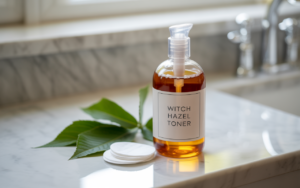
Known for its astringent and anti-inflammatory properties, witch hazel has been a staple in medicine cabinets for generations. But when it comes to the specific challenge of dark spots, does this botanical powerhouse truly deliver? Can a simple extract help fade those unwelcome reminders of past breakouts or sun exposure? This comprehensive guide will dive deep into the science behind witch hazel, evaluate its potential role in managing hyperpigmentation, and provide practical advice on how to integrate it into your routine or when to consider alternative treatments. Let’s uncover the truth about whether witch hazel helps with dark spots.
Understanding Dark Spots: What Are They and Why Do They Appear?
Before we can assess witch hazel’s effectiveness, it’s crucial to understand what dark spots are and what causes them. Dark spots are areas of the skin where there’s an excess production of melanin, the pigment that gives our skin, hair, and eyes their color. This overproduction leads to a darker appearance compared to the surrounding skin.
Types of Hyperpigmentation
- Post-inflammatory Hyperpigmentation (PIH): These are dark spots that appear after an inflammatory skin condition, such as acne, eczema, psoriasis, or an injury. As the skin heals, it produces too much melanin in the affected area, leaving behind a brown or black mark. PIH is one of the most common types of dark spots people experience.
- Sunspots (Solar Lentigines): Also known as age spots or liver spots, these flat, oval areas of increased pigmentation usually appear on sun-exposed skin like the face, hands, and décolletage. They are directly caused by prolonged exposure to ultraviolet (UV) radiation.
- Melasma: This condition presents as patchy areas of brown or grayish-brown discoloration, most commonly on the face (cheeks, forehead, bridge of nose, upper lip, chin). Melasma is often triggered by hormonal fluctuations (e.g., pregnancy, birth control pills) combined with sun exposure.
Common Causes of Dark Spots
The triggers for hyperpigmentation are varied, but some stand out as major culprits:
- Sun Exposure: UV radiation stimulates melanin production, which is the body’s natural defense mechanism against sun damage. Over time, this can lead to sunspots and worsen existing hyperpigmentation.
- Acne and Inflammation: As mentioned with PIH, any trauma or inflammation to the skin can disrupt melanin production, leaving a lasting mark. Picking at pimples is a notorious way to exacerbate this.
- Hormonal Changes: Fluctuations in hormones, particularly estrogen and progesterone, are a primary driver for melasma.
- Certain Medications: Some drugs can increase photosensitivity or directly cause hyperpigmentation as a side effect.
- Genetics: Some individuals are genetically predisposed to developing dark spots.
Witch Hazel: A Natural Astringent with a Long History
Witch hazel, scientifically known as Hamamelis virginiana, is a shrub native to North America. For centuries, Native Americans used it for its medicinal properties, particularly for soothing irritated skin and reducing inflammation. Today, it’s a popular ingredient in toners, cleansers, and other skincare products.
What is Witch Hazel?
The witch hazel extract commonly found in skincare is typically derived from the leaves, bark, and twigs of the plant. It’s usually distilled, often with alcohol, to create a liquid extract. This extract is celebrated for its powerful astringent properties, meaning it helps to tighten and tone the skin.
Key Components and Their Properties
The therapeutic benefits of witch hazel come from its rich composition of bioactive compounds:
- Tannins: These are the star compounds in witch hazel, responsible for its potent astringent and antioxidant effects. Tannins help to constrict blood vessels, reduce swelling, and tighten pores. They also contribute to its anti-inflammatory action.
- Flavonoids: These antioxidants help protect the skin from environmental damage and can also have anti-inflammatory benefits.
- Volatile Oils: While present in smaller amounts, these contribute to the plant’s overall therapeutic profile.
It’s important to note that many commercial witch hazel products contain alcohol (ethanol), which acts as a solvent and preservative. While alcohol can enhance the astringent effect, it can also be drying and irritating for some skin types, especially sensitive skin.
Does Witch Hazel Help With Dark Spots? The Science Explained
Now to the core question: does witch hazel help with dark spots directly? The answer is nuanced, leaning more towards an indirect supportive role rather than a primary treatment.
How Witch Hazel Might Work for Dark Spots (Indirectly)
Witch hazel does not contain ingredients that directly inhibit melanin production, which is what truly fades existing dark spots. Instead, its potential benefits for hyperpigmentation are primarily indirect, by addressing underlying issues that can lead to dark spots:
- Reducing Inflammation: The tannins in witch hazel have significant anti-inflammatory properties. Since many dark spots, particularly PIH, are a direct result of inflammation (e.g., from acne breakouts), reducing inflammation can potentially prevent new dark spots from forming or minimize the severity of existing ones. By calming irritated skin, it helps the skin heal more cleanly.
- Preventing Future Breakouts: By acting as an astringent, witch hazel can help remove excess oil, tighten pores, and cleanse the skin. This can contribute to preventing new acne breakouts, which in turn reduces the likelihood of developing new post-inflammatory hyperpigmentation.
- Enhancing Skin Healing (Minor): Its soothing properties might support the skin’s natural healing process, though this is a secondary effect.
Limitations and What It Doesn’t Do
It’s crucial to manage expectations. Witch hazel is not a direct melanin inhibitor. This means it will not:
- Significantly fade existing, deep-seated dark spots like sunspots or long-standing melasma.
- Block the enzymatic pathways (like tyrosinase inhibition) that produce melanin, which is how most dedicated dark spot treatments work.
- Offer a quick fix for hyperpigmentation.
Distinguishing Between Different Types of Dark Spots and Witch Hazel’s Efficacy
Witch hazel’s limited direct impact means its efficacy varies greatly depending on the type of dark spot:
- Post-inflammatory Hyperpigmentation (PIH): This is where witch hazel has the most potential, albeit indirectly. By reducing inflammation from acne or minor injuries, it might help prevent PIH from becoming severe or forming in the first place. For existing PIH, it might mildly assist in the overall healing process, but dedicated melanin inhibitors will be far more effective for fading.
- Sunspots & Melasma: Witch hazel is generally ineffective for these types of dark spots. They require treatments that directly target melanin production or remove pigmented cells (e.g., hydroquinone, retinoids, laser treatments).
In summary, while witch hazel can be a helpful addition to a skincare routine for its soothing and clarifying properties, it should not be considered a primary treatment for fading existing dark spots.
Pros and Cons of Using Witch Hazel for Hyperpigmentation
As with any skincare ingredient, there are advantages and disadvantages to consider when thinking about using witch hazel, especially for something as specific as dark spots.
Potential Benefits:
- Reduces Inflammation: This is arguably its strongest benefit related to dark spots. By calming inflammation, it can help prevent the formation of new PIH marks and potentially soothe existing ones.
- Astringent Properties: Witch hazel can help cleanse pores, remove excess oil, and temporarily tighten the skin, which can contribute to an overall clearer complexion and reduce the likelihood of acne, a precursor to PIH.
- Cost-Effective and Widely Available: Witch hazel products are generally affordable and easy to find in most drugstores and supermarkets.
- Natural Alternative: For those seeking more natural ingredients, witch hazel offers a botanical option for general skin toning and soothing.
Potential Drawbacks:
- Drying and Irritating (Especially Alcohol-Based): Many traditional witch hazel formulations contain a high percentage of alcohol. Alcohol can strip the skin’s natural oils, leading to dryness, irritation, redness, and a compromised skin barrier. Ironically, irritation can sometimes worsen hyperpigmentation.
- Not a Primary Treatment for Dark Spots: As discussed, it lacks direct melanin-inhibiting properties, making it less effective for fading established dark spots compared to targeted ingredients.
- Can Worsen Sensitivity: Overuse or use of alcohol-heavy versions can make sensitive skin even more reactive.
- Limited Direct Efficacy on Melanin: It won’t directly break down or inhibit the production of melanin in the same way ingredients like hydroquinone or vitamin C do.
How to Incorporate Witch Hazel into Your Skincare Routine for Dark Spots (If You Choose To)
If you decide to use witch hazel, primarily for its anti-inflammatory and cleansing benefits that might indirectly support dark spot management, here’s how to do it wisely.
Choosing the Right Product
This is paramount. Always opt for alcohol-free witch hazel. Products distilled without alcohol retain the beneficial tannins while minimizing the drying and irritating effects. Look for labels that explicitly state “alcohol-free” or “non-alcoholic.”
Application Tips:
- Patch Test: Before applying to your entire face, test a small amount on an inconspicuous area of skin (e.g., behind the ear or on the jawline) for 24-48 hours to check for any adverse reactions.
- Use as a Toner After Cleansing: Apply witch hazel to clean, dry skin using a cotton pad. Gently swipe it across your face, avoiding the eye area. This helps to remove any residual impurities and prep your skin for subsequent products.
- Follow with Moisturizer: Witch hazel, even alcohol-free versions, can still be mildly drying. Always follow up with a good hydrating moisturizer to replenish skin moisture and maintain barrier health.
- Consistency is Key, But Don’t Overdo It: Start with once a day, preferably in the evening. If your skin tolerates it well, you might increase to twice a day. However, discontinue if you notice any dryness or irritation.
- Always Use SPF: This cannot be stressed enough. Sun protection is the single most important step in preventing and managing dark spots. Without daily broad-spectrum SPF 30 or higher, any efforts to treat hyperpigmentation will be futile.
Combining with Other Ingredients
Witch hazel can be part of a routine that includes more direct dark spot treatments, but caution is advised:
- Niacinamide: A great pairing, as niacinamide also helps reduce inflammation, strengthens the skin barrier, and can indirectly help with hyperpigmentation.
- Vitamin C: Apply vitamin C serum before witch hazel or at a different time of day. Vitamin C is a potent antioxidant and melanin inhibitor.
- AHAs/BHAs (e.g., Glycolic Acid, Salicylic Acid): Use these on alternate days or at different times to avoid over-exfoliation and irritation, especially if you have sensitive skin. Both are effective for cell turnover and improving hyperpigmentation.
- Retinoids: If using retinoids (retinol, tretinoin), be very careful with witch hazel. Retinoids can be sensitizing, and adding witch hazel might increase irritation. Use them on separate days or consult a dermatologist.
The key is to listen to your skin and introduce new products slowly.
When to Seek Professional Help and Alternative Treatments for Dark Spots
For significant or persistent dark spots, relying solely on witch hazel will likely lead to disappointment. A multi-faceted approach, often involving more potent ingredients or professional treatments, is usually necessary.
Effective Ingredients for Hyperpigmentation:
- Hydroquinone: Considered the gold standard for fading dark spots, it works by inhibiting tyrosinase, the enzyme responsible for melanin production. Available by prescription or in lower concentrations over-the-counter.
- Retinoids (Retinol, Tretinoin): Speed up cell turnover, helping to shed pigmented cells, and also inhibit melanin production.
- Vitamin C (L-Ascorbic Acid): A powerful antioxidant that brightens skin, inhibits tyrosinase, and protects against sun damage.
- Niacinamide (Vitamin B3): Reduces inflammation and prevents the transfer of melanin to skin cells.
- Alpha Arbutin/Kojic Acid/Azelaic Acid: Other tyrosinase inhibitors that effectively lighten dark spots.
- AHAs (Alpha Hydroxy Acids) and BHAs (Beta Hydroxy Acids): Exfoliate the skin, helping to shed pigmented cells and improve overall skin tone.
Professional Treatments:
For stubborn dark spots, a dermatologist can offer in-office solutions:
- Chemical Peels: Use a chemical solution to exfoliate the top layers of skin, revealing brighter skin underneath.
- Laser Therapy: Various lasers (e.g., IPL, Q-switched, picosecond) target melanin specifically to break down pigment.
- Microneedling: Creates micro-injuries to stimulate collagen production and improve skin texture, which can also help with dark spots.
- Prescription Topicals: Stronger versions of ingredients like hydroquinone or retinoids.
Importance of Sun Protection:
Regardless of what treatments you use, daily, consistent sun protection is non-negotiable. UV radiation is the primary trigger for most dark spots and will undermine any efforts to fade them. Use a broad-spectrum sunscreen with an SPF of 30 or higher every single day, rain or shine, and reapply frequently. Seek shade and wear protective clothing when possible.
Recommended Products
While witch hazel isn’t a direct dark spot treatment, it can be a supportive part of a routine focused on calming inflammation and maintaining skin health. Here are some highly-rated, alcohol-free witch hazel options, along with a gentle moisturizer and essential sunscreen to complement your regimen:
Thayers Alcohol-Free Witch Hazel Toner
A cult favorite known for its gentle, alcohol-free formula, soothing aloe vera, and rose petal or cucumber extracts. Perfect for toning without stripping the skin.
Humphrey’s Witch Hazel Facial Toner
Another excellent alcohol-free option, Humphreys offers pure, distilled witch hazel that cleanses and tones without harshness, preparing skin for serums and moisturizers.
CeraVe Daily Moisturizing Lotion
A dermatologist-recommended, non-comedogenic moisturizer with ceramides and hyaluronic acid to hydrate and restore the skin barrier, essential after using a toner.
EltaMD UV Clear Broad-Spectrum SPF 46
A beloved, lightweight, oil-free sunscreen perfect for acne-prone and sensitive skin. Crucial for preventing new dark spots and worsening existing ones.
Frequently Asked Questions About Witch Hazel and Dark Spots
Q: How long does it take for witch hazel to work on dark spots?
A: Since witch hazel primarily works indirectly by reducing inflammation and preventing new breakouts, you won’t see immediate “fading” of existing dark spots. Any subtle improvements, mainly in preventing new post-inflammatory hyperpigmentation, might take several weeks to months of consistent, gentle use. For fading established dark spots, more targeted ingredients are needed.
Q: Can witch hazel make dark spots worse?
A: Yes, potentially. If you use an alcohol-based witch hazel product or overuse any witch hazel formulation, it can lead to excessive dryness, irritation, and a compromised skin barrier. Irritation itself can trigger new hyperpigmentation (post-inflammatory hyperpigmentation), making your dark spots worse or creating new ones. Always opt for alcohol-free versions and use sparingly if your skin is sensitive.
Q: Is alcohol-free witch hazel better for dark spots?
A: Absolutely. Alcohol-free witch hazel is significantly better because it delivers the beneficial anti-inflammatory and astringent properties without the drying and irritating effects of alcohol. A healthier, less irritated skin barrier is better equipped to heal and prevent new dark spots, and it’s less likely to trigger inflammation that leads to PIH.
Q: Can I use witch hazel every day for hyperpigmentation?
A: If your skin tolerates it well and you’re using an alcohol-free product, you can typically use it once or twice daily as a toner. However, pay close attention to your skin. If you notice any signs of dryness, redness, or irritation, reduce frequency or discontinue use. It’s often best to start slowly and see how your skin reacts.
Q: What’s the best way to combine witch hazel with other dark spot treatments?
A: Use witch hazel as a first step after cleansing (toner). Then, apply your targeted dark spot treatments like Vitamin C, Niacinamide, or a retinoid. If using strong actives like AHAs/BHAs or prescription retinoids, consider using witch hazel on alternate days or at different times (e.g., witch hazel in the morning, actives at night) to avoid potential irritation. Always follow with a good moisturizer and sunscreen.
Q: Is witch hazel effective for all types of dark spots?
A: No, witch hazel is generally not effective for all types of dark spots. Its potential benefit is most relevant for preventing and mildly soothing post-inflammatory hyperpigmentation (PIH) caused by acne or inflammation. It has very little to no direct effect on sunspots (solar lentigines) or melasma, which require treatments that directly inhibit melanin production or target existing pigment.
Conclusion
The question Does witch hazel help with dark spots has a complex answer. While witch hazel is a fantastic natural astringent and anti-inflammatory agent, its role in directly fading existing dark spots is minimal. It does not possess the melanin-inhibiting properties found in more targeted treatments like hydroquinone, retinoids, or vitamin C. However, its ability to reduce inflammation and help prevent future breakouts can indirectly support a clearer complexion, making it a valuable preventative tool for post-inflammatory hyperpigmentation.
If you choose to incorporate witch hazel into your routine, always opt for alcohol-free formulations to protect your skin barrier from dryness and irritation. Use it as a gentle toner, and always pair it with a hydrating moisturizer and, most importantly, a broad-spectrum sunscreen. For significant or stubborn dark spots, managing expectations is key. Consider integrating proven ingredients like retinoids, vitamin C, or niacinamide, and don’t hesitate to consult a dermatologist for personalized advice and professional treatments. A holistic approach, combining prevention, targeted treatment, and consistent sun protection, remains the most effective strategy for achieving and maintaining an even, radiant skin tone.
“`