
As a goldfish owner, spotting unexpected changes in your aquatic friend can be a source of worry. Among the most common concerns are the appearance of goldfish dark spots. These mysterious markings can range from faint specks to prominent black patches, and their sudden presence often sends owners searching for answers. Are they a sign of illness, a natural color change, or something else entirely?
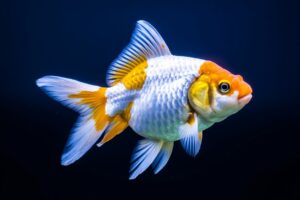
Understanding what causes dark spots on goldfish is crucial for ensuring their well-being. While some instances are completely benign, others can signal underlying health issues that require prompt attention. This comprehensive guide will delve into the various reasons your goldfish might develop these spots, from environmental factors and injuries to infections and natural pigmentation shifts. We’ll equip you with the knowledge to diagnose the problem, implement effective solutions, and maintain a thriving, vibrant environment for your cherished pet. Let’s uncover the secrets behind those intriguing dark spots and keep your goldfish swimming happily!
Understanding Goldfish Dark Spots: What Do They Mean?
When you notice goldfish dark spots, your first instinct might be to panic. However, it’s important to remember that these spots aren’t always a cause for alarm. They can be indicators of several different conditions, ranging from harmless cosmetic changes to serious health concerns. Let’s explore the most common reasons behind their appearance.
Natural Pigmentation Changes
One of the most frequent and often overlooked reasons for goldfish turning black or developing dark spots is simply natural color change. Goldfish are known for their ability to change color throughout their lives due to various factors:
- Age and Genetics: As goldfish age, their pigmentation can shift. Many goldfish, especially those with metallic scales, can develop dark spots or even turn completely black as they mature. This is particularly common in varieties like Shubunkins and Sarasa Comets, which naturally have variegated patterns.
- Light Exposure: Goldfish produce melanin, a pigment, in response to light. Changes in lighting conditions or exposure to natural sunlight (in outdoor ponds) can sometimes trigger darkening of certain areas.
- Breed-Specific Traits: Some goldfish breeds are more prone to color changes than others. For example, Fantails and Orandas might develop black patches as part of their natural color evolution.
If your goldfish is otherwise active, eating well, and has clear fins, natural pigmentation changes are likely the cause of the black spots on goldfish.
Ammonia Burns and Water Quality Issues
Perhaps the most serious and common culprit behind goldfish dark spots is poor water quality, specifically high levels of ammonia. Ammonia is highly toxic to fish and can cause chemical burns on their skin and gills, which often manifest as dark, sometimes black, patches.
Signs of Ammonia Burns:
- Dark Patches: Often appear irregularly on the body or fins.
- Lethargy: Fish become sluggish and less active.
- Gasping at Surface: Struggling to breathe due to gill damage.
- Clamped Fins: Fins held close to the body.
- Red Streaks: In fins or on the body.
Other poor water parameters like high nitrites or nitrates, or incorrect pH levels, can also stress the fish and make them more susceptible to discoloration and disease, contributing to the appearance of dark spots on goldfish.
Injury or Trauma
Physical injuries can also lead to the development of goldfish dark spots. Much like a bruise on human skin, an injury to a goldfish can cause tissue damage that appears as a darkened area. This can occur from:
- Bumping into Decor: Sharp or rough tank decorations.
- Aggression from Tank Mates: Nipping or fin tearing.
- Netting Injuries: Rough handling during tank maintenance or transfers.
These spots are essentially areas where the scales or skin have been damaged, and the darkening is often part of the healing process, or a bruise.
Parasitic or Fungal Infections
While less common for direct “dark spots,” some infections can cause discoloration that might appear as dark patches:
- Ich (White Spot Disease) Secondary Infections: While Ich itself causes white spots, if left untreated, the lesions can become infected by bacteria or fungi, leading to dark, ulcerated areas.
- Columnaris (Cottonmouth Disease): This bacterial infection can cause fuzzy white or grey patches that, in severe cases or on certain fish, might appear dark or discolored.
- Fungal Infections: Typically appear as white, cotton-like growths, but sometimes they can be discolored or have dark edges if secondary bacterial issues are present.
It’s important to differentiate these from simple dark spots by looking for other symptoms like fuzzy growths, abnormal swimming, or labored breathing.
Bacterial Infections (Fin Rot, Ulcers)
Bacterial infections are a serious cause of goldfish dark spots. Conditions like fin rot, if severe, can cause the edges of fins to appear black and ragged as the tissue decays. Ulcers, which are open sores on the body, can also have dark edges or centers due to tissue necrosis or secondary infections.
- Fin Rot: Fins appear frayed, discolored (often black or red), and progressively shorten.
- Ulcers: Open wounds on the body, sometimes with dark, inflamed edges.
These conditions are usually accompanied by other signs of distress and require immediate treatment.
Environmental Stress
Stress can suppress a goldfish’s immune system, making it more vulnerable to disease and impacting its overall appearance. Factors like rapid temperature fluctuations, sudden changes in tank environment, bullying from other fish, or an inadequate diet can all contribute to stress, which in turn might manifest as dullness or even unusual dark patches on the fish.
Diagnosing the Cause of Dark Spots on Your Goldfish
Pinpointing the exact reason for goldfish dark spots requires careful observation and systematic investigation. Here’s a step-by-step approach to help you diagnose the issue:
1. Observe Behavior and Other Symptoms
Before jumping to conclusions, take a few days to observe your goldfish closely. Ask yourself:
- Is the fish still active and swimming normally, or is it lethargic, hiding, or struggling to swim?
- Is it eating its food with enthusiasm, or refusing to eat?
- Are its fins clamped, or are they spread out naturally?
- Is it gasping at the surface, or rubbing against objects in the tank?
- Are there any other visible signs like white spots, fuzzy growths, torn fins, or swelling?
If the dark spots are the only symptom and your goldfish is behaving normally, it’s more likely a natural color change.
2. Test Water Parameters Religiously
This is arguably the most crucial step. Poor water quality is a silent killer and a primary cause of many goldfish ailments, including goldfish dark spots. You will need a reliable freshwater aquarium test kit.
Key parameters to test:
- Ammonia: Should always be 0 ppm. Even small amounts are toxic.
- Nitrite: Should always be 0 ppm. Also highly toxic.
- Nitrate: Should be below 20 ppm (ideally below 10 ppm for goldfish). High nitrates indicate the need for more frequent water changes.
- pH: Goldfish prefer a pH between 7.0 and 8.0. Sudden fluctuations are stressful.
- Temperature: Ensure it’s stable and within the appropriate range for your goldfish (typically 65-75°F or 18-24°C).
If ammonia or nitrite levels are elevated, you’ve likely found the cause of the black spots on your goldfish.
3. Inspect the Goldfish Closely
A closer look can reveal important details. If possible, gently net the fish into a clear container (like a clean bucket or bowl) with tank water for a few minutes. This allows you to inspect it without the distortion of the tank glass.
- Check the edges of the dark spots: Are they raised, fuzzy, or ulcerated?
- Examine the fins: Are they torn, ragged, or discolored at the edges?
- Look for any signs of external parasites (e.g., tiny white spots for Ich, visible worms).
- Is there any swelling or bloating?
4. Review Tank Setup and Tank Mates
Consider the environment your goldfish lives in:
- Tank Size: Is the tank large enough for your goldfish? Overcrowding leads to poor water quality and stress.
- Decorations: Are there any sharp objects that could injure your fish?
- Tank Mates: Are there any aggressive fish that could be nipping at your goldfish, causing injuries?
- Filtration: Is your filter adequate and properly maintained?
Treatment and Prevention Strategies for Goldfish Dark Spots
Once you’ve identified the likely cause of the goldfish dark spots, you can take appropriate action. Remember, prevention is always better than cure.
1. Improve Water Quality Immediately
If water parameters are off, especially ammonia or nitrite, this is your top priority.
- Partial Water Changes: Perform a 25-50% water change immediately. Use a good water conditioner that detoxifies chlorine, chloramines, and heavy metals. If ammonia/nitrite is very high, you might need to do daily smaller water changes (e.g., 25%) until levels normalize.
- Filter Maintenance: Clean your filter media (rinse in old tank water, never tap water) to remove sludge, but avoid replacing all media at once, as this can crash your beneficial bacteria.
- Beneficial Bacteria: Consider adding a bacterial supplement to help establish or boost your tank’s nitrogen cycle.
- Reduce Feeding: Temporarily reduce or stop feeding to minimize waste production until water quality improves.
2. Adjust Diet
A balanced and high-quality diet is crucial for a strong immune system and vibrant color. Poor nutrition can lead to dullness and susceptibility to disease.
- High-Quality Pellets/Flakes: Choose reputable brands specifically formulated for goldfish.
- Variety: Supplement with live or frozen foods (like bloodworms, brine shrimp) and fresh vegetables (blanched peas, spinach).
- Avoid Overfeeding: Feed small amounts that your goldfish can consume in 2-3 minutes, 1-2 times a day. Overfeeding leads to excess waste and poor water quality.
3. Address Injuries
If physical trauma is the cause, remove the source of injury.
- Remove Sharp Decor: Replace any rough or sharp decorations with smooth alternatives.
- Separate Aggressive Fish: If a tank mate is causing injury, move the aggressive fish to another tank or rehome it.
- Aquarium Salt Baths: A mild aquarium salt bath (1 teaspoon per gallon for short periods in a separate container, or 1 tablespoon per 5-10 gallons in the main tank for general health) can act as an antiseptic and help with healing. Always dissolve salt thoroughly before adding.
4. Treating Infections
If you suspect a bacterial, fungal, or parasitic infection, specific treatments may be necessary. It’s best to confirm a diagnosis before using medications, as incorrect use can be harmful.
- Quarantine Tank: If possible, move the affected goldfish to a separate quarantine tank for treatment to avoid medicating the main tank and stressing other fish.
- Medication: Follow product instructions carefully. For bacterial infections, broad-spectrum antibiotics might be needed. For fungal, anti-fungal treatments. For parasites, specific anti-parasitic medications.
- Water Changes: Continue regular water changes even during treatment to maintain optimal water quality.
5. Reducing Stress
A stable, comfortable environment is key to a healthy goldfish.
- Appropriate Tank Size: Ensure your goldfish has ample space. A good rule of thumb is 20 gallons for the first goldfish and 10 gallons for each additional goldfish (for common varieties).
- Stable Parameters: Avoid sudden changes in temperature, pH, or water chemistry.
- Hiding Spots: Provide plants (live or silk) and decor that offer safe hiding places.
- Appropriate Tank Mates: Only keep goldfish with other peaceful goldfish of similar size.
When to Call a Vet (or Fish Expert)
While many issues can be resolved at home, there are times when professional help is warranted. You should consider contacting an aquatic veterinarian or an experienced fish expert if:
- Symptoms persist or worsen despite your best efforts.
- Your goldfish shows rapid decline or multiple severe symptoms.
- Multiple fish in the tank are affected, suggesting a highly contagious disease.
- You are unsure of the diagnosis or appropriate treatment.
- The dark spots are accompanied by open sores, severe fin rot, or unusual growths.
Early intervention by a specialist can make a significant difference in the outcome for your beloved pet.
Recommended Products
To help you maintain optimal water quality and address potential issues that can lead to goldfish dark spots, here are some essential products every goldfish owner should consider:
API Freshwater Master Test Kit
An essential tool for monitoring ammonia, nitrite, nitrate, and pH levels, crucial for preventing water quality issues.
Seachem Prime Water Conditioner
A highly concentrated conditioner that detoxifies chlorine, chloramine, and ammonia, vital for safe water changes.
Hikari Sinking Goldfish Pellets
High-quality sinking pellets designed for goldfish, promoting good digestion and reducing swim bladder issues.
API Aquarium Salt
A natural remedy that can aid in healing injuries, reduce stress, and help fight off certain parasites and bacteria.
Aquarium Quarantine Tank
A smaller, separate tank is invaluable for treating sick fish without medicating the main aquarium or stressing other inhabitants.
Frequently Asked Questions About Goldfish Dark Spots
Q1: Are goldfish dark spots always a sign of illness?
Not always. While dark spots can indicate health issues like ammonia burns or infections, they are also a very common sign of natural color change, especially in younger or variegated goldfish breeds. If your goldfish is otherwise active, eating well, and water parameters are good, it’s likely a benign pigmentation shift.
Q2: Can goldfish change color and develop dark spots naturally?
Yes, absolutely. Goldfish are known for their ability to change color throughout their lives. Factors like age, genetics, diet, and light exposure can all influence their pigmentation. Many goldfish develop dark patches or even turn completely black as they mature, which is a normal and healthy process.
Q3: What water parameters should I check if my goldfish has dark spots?
The most critical water parameters to check are ammonia, nitrite, and nitrate levels, along with pH. Ammonia and nitrite should always be 0 ppm, as even small amounts are highly toxic and can cause dark spots (ammonia burns). Nitrates should be below 20 ppm. Also, ensure your pH is stable and within the ideal range of 7.0-8.0 for goldfish.
Q4: How do I treat ammonia burns on my goldfish?
Treating ammonia burns primarily involves immediate and significant water changes (25-50% initially, followed by daily smaller changes) to reduce ammonia levels. Use a quality water conditioner that detoxifies ammonia. Temporarily reduce feeding. Ensure your filter is functioning well and consider adding beneficial bacteria supplements to help re-establish the nitrogen cycle. Aquarium salt can also aid healing.
Q5: Can diet affect goldfish color and prevent dark spots?
Yes, diet plays a significant role. A high-quality, varied diet rich in essential nutrients can enhance your goldfish’s natural colors and strengthen its immune system, making it more resilient to conditions that might cause dark spots. Poor nutrition, conversely, can lead to dull coloration and increased susceptibility to health issues.
Q6: When should I be seriously concerned about dark spots?
You should be seriously concerned if the dark spots are accompanied by other alarming symptoms such as lethargy, gasping at the surface, clamped fins, refusal to eat, visible fin rot, fuzzy growths, or open sores. If water parameters are poor (especially high ammonia/nitrite) or if the spots appear rapidly and spread, immediate action is needed.
Conclusion
Observing goldfish dark spots can be a source of anxiety for any pet owner, but as we’ve explored, these markings have a spectrum of meanings. From benign natural color shifts due to age or genetics to more serious indicators of poor water quality, injury, or infection, understanding the root cause is the first step toward effective action. The key takeaways are clear: diligent observation, consistent water parameter testing, and proactive tank maintenance are your best tools for ensuring your goldfish’s health.
Remember, a healthy goldfish is an active, vibrant goldfish with a hearty appetite. If you notice dark spots along with behavioral changes or other physical symptoms, don’t delay in investigating water quality and considering potential treatments. By providing a clean, stable environment, a nutritious diet, and prompt attention to any signs of distress, you can help your goldfish thrive and enjoy a long, colorful life. Your vigilance as an owner is the greatest gift you can give your aquatic companion, helping them navigate any changes, dark spots or otherwise, with resilience and health.
“`