
Our feet work tirelessly, bearing the brunt of our daily activities. It’s no wonder they sometimes develop issues, and one common concern that often sparks worry is the appearance of hard dark spots on bottom of feet. These spots can range from harmless, everyday occurrences to indicators of underlying conditions that warrant attention. Whether it’s a small, persistent mark or a rapidly changing patch, understanding what’s causing these discolorations is key to proper foot health.
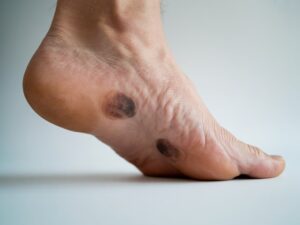
Many people mistake these spots for simple dirt or bruises, only to find they’re more persistent. The bottom of your feet, being a high-pressure zone, is susceptible to various skin changes. This comprehensive guide will delve into the most common causes of dark spots on feet, explain when to be concerned, and provide practical advice for prevention and care. By the end, you’ll have a clearer picture of what these spots might mean and how to best address them, ensuring your feet remain healthy and comfortable.
Understanding Hard Dark Spots On Bottom Of Feet
When you discover a hard dark spot on the bottom of your foot, your first reaction might be alarm. These spots can vary in size, shape, and color, and their texture can range from slightly rough to significantly hardened. They often appear on weight-bearing areas like the heel, ball of the foot, or along the edges, where pressure and friction are most intense. It’s crucial to differentiate these from simple dirt or temporary stains, as true dark spots on feet involve changes within the skin itself.
The “hard” aspect typically refers to thickened skin, often a callus or corn, which can then become discolored. This discoloration can be due to various factors, including blood trapped beneath the thickened skin, increased melanin production, or the presence of foreign bodies or growths. Understanding the specific characteristics of your spot – its color (black, brown, purple), hardness, tenderness, and whether it’s growing or changing – can provide important clues about its origin.
Common Causes of Hard Dark Spots on Your Feet
There’s a spectrum of reasons why hard dark spots on bottom of feet might appear. While some are benign and easily treatable, others require medical evaluation. Here’s a breakdown of the most common culprits:
Post-Inflammatory Hyperpigmentation (PIH) from Calluses/Corns
One of the most frequent causes of a dark spot on the sole of your foot is hyperpigmentation that occurs after chronic irritation or inflammation. When your skin is repeatedly subjected to pressure or friction (often from ill-fitting shoes or an abnormal gait), it thickens to form a callus or corn. Over time, this constant trauma can trigger melanocytes (melanin-producing cells) to create excess pigment, leading to a dark discoloration on the foot sole. The spot feels hard because it is a thickened layer of skin, and the dark color is a secondary reaction. This is often seen in areas of high pressure, like under the metatarsal heads or on the heel.
Plantar Warts (Verruca Plantaris)
Plantar warts, caused by the human papillomavirus (HPV), are another common source of hard spots on soles that can appear dark. Warts on the bottom of the foot grow inward due to the pressure of walking, making them feel hard and sometimes painful. They often have tiny black or dark brown dots within them, which are actually clotted blood vessels (sometimes called “seeds”). These dots contribute to the overall dark appearance. Plantar warts can be tender when squeezed from side to side, a key differentiator from a simple callus.
Hematoma (Bruise)
Just like any other part of your body, the bottom of your foot can bruise. An impact, stepping on a sharp object, or even prolonged pressure can rupture tiny blood vessels under the skin, leading to blood pooling. If this occurs under a callus or an area of thickened skin, it can create a black spot under the foot that feels hard. The color will typically change over time (from red to purple, then brown, and eventually fading) as the body reabsorbs the blood.
Melanocytic Nevi (Moles) or Freckles
Some people naturally have moles or freckles on the soles of their feet. These are benign clusters of pigment-producing cells. While most moles are harmless, it’s important to monitor any existing mole or new dark spot on the bottom of your foot for changes in size, shape, color, or texture, as they can sometimes evolve into melanoma, a serious form of skin cancer.
Foreign Body Granuloma
If a foreign object like a splinter, thorn, or even a piece of glass gets embedded in the skin of your foot, your body can react by forming a protective layer around it. This can create a hard lump. If the object itself is dark, or if there’s bleeding or inflammation around it, the resulting lesion can appear as a hard dark spot on the bottom of your foot.
Malignant Melanoma (Rare but Serious)
While rare, it’s crucial to mention that any new, changing, or atypical dark spot on the sole of your foot should be evaluated by a healthcare professional to rule out malignant melanoma. Acral lentiginous melanoma (ALM) is a type of melanoma that often appears on the palms, soles, and under the nails. It typically presents as a flat, dark brown or black patch with irregular borders that may grow over time. Early detection is vital for successful treatment.
When to Seek Professional Medical Advice
While many hard dark spots on bottom of feet are benign, certain signs warrant immediate attention from a doctor or podiatrist. Don’t hesitate to seek professional help if you notice any of the following:
- Changes in Appearance: If a dark spot changes in size, shape, color, or elevation. This is particularly important for existing moles.
- Irregular Borders or Asymmetry: Spots with uneven edges or those where one half doesn’t match the other.
- Bleeding, Itching, or Pain: Any spot that bleeds, is persistently itchy, or causes discomfort without obvious trauma.
- New Spots: The sudden appearance of a new dark spot, especially if it’s growing rapidly.
- Uncertainty: If you’re simply unsure what the spot is, it’s always best to get it checked out by an expert.
- Underlying Health Conditions: If you have diabetes, poor circulation, or a compromised immune system, even minor foot issues can become serious.
A podiatrist or dermatologist can accurately diagnose the cause of your hardened dark skin on feet and recommend the appropriate course of action, which might include observation, topical treatments, or minor procedures.
Home Care and Prevention Strategies
Maintaining good foot hygiene and making smart lifestyle choices can significantly reduce your risk of developing hard dark spots on bottom of feet and improve overall foot health.
Proper Footwear
This is paramount. Ill-fitting shoes are a leading cause of calluses, corns, and the subsequent hyperpigmentation. Choose shoes that:
- Are the correct size and width, with ample toe room.
- Have good arch support and cushioning.
- Are made of breathable materials.
- Avoid high heels or shoes with pointed toes for prolonged periods.
Regular Exfoliation & Moisturizing
To prevent calluses from building up and becoming discolored:
- Gently exfoliate with a pumice stone or foot file after soaking your feet. Do this regularly, but don’t overdo it, as excessive scrubbing can cause irritation.
- Apply a rich foot cream or moisturizer daily, especially one containing ingredients like urea or salicylic acid, which help soften and shed thickened skin.
Good Foot Hygiene
- Wash your feet daily with soap and water.
- Dry your feet thoroughly, especially between the toes, to prevent fungal infections.
- Change socks daily, opting for moisture-wicking materials.
Custom Orthotics or Inserts
If you have gait abnormalities or specific pressure points, custom orthotics can help redistribute pressure evenly across the bottom of your feet, preventing the formation of calluses and the resulting dark patches on foot sole.
Regular Self-Examination
Make it a habit to check your feet regularly, including the soles, between the toes, and your toenails. Look for any new spots, changes in existing marks, cuts, blisters, or areas of tenderness. Early detection of any issue is key to effective treatment.
Recommended Products
Pumice Stone for Feet
An essential tool for gently exfoliating and smoothing away hardened skin and calluses, helping to prevent dark spot formation.
Foot Cream with Urea
Deeply moisturizes and helps break down thick, rough skin. Urea is excellent for softening calluses and preventing dryness that can lead to irritation and pigmentation.
Salicylic Acid Foot Treatment
Topical treatments containing salicylic acid can help exfoliate stubborn calluses and treat certain types of warts, aiding in the reduction of dark spots.
Comfortable Walking Shoes with Support
Investing in well-fitting, supportive footwear is crucial for preventing pressure points and the formation of hard dark spots on your feet.
Frequently Asked Questions About Hard Dark Spots On Bottom Of Feet
Q1: Can hard dark spots on feet be cancerous?
A: While most hard dark spots on bottom of feet are benign, it is possible for them to be cancerous, particularly a type called acral lentiginous melanoma (ALM). This is why any new, changing, or suspicious dark spot should always be evaluated by a healthcare professional, especially if it has irregular borders, varies in color, or is growing.
Q2: How do I get rid of hard dark spots from calluses?
A: To get rid of dark spots caused by calluses, you first need to address the callus itself. This involves regularly soaking your feet in warm water, then gently exfoliating with a pumice stone or foot file. Applying a rich foot cream containing urea or salicylic acid daily can help soften the thickened skin and promote shedding. Wearing proper footwear to reduce pressure and friction is also crucial for prevention.
Q3: Are plantar warts always dark?
A: Plantar warts are not always dark, but they often appear as flesh-colored, grainy growths on the sole of the foot. What makes them appear dark are the tiny black or dark brown dots (clotted blood vessels) within them, which are characteristic of warts. If these “seeds” are prominent, the wart can certainly appear as a black spot under the foot.
Q4: What’s the difference between a dark callus and a mole on the bottom of the foot?
A: A dark callus is an area of thickened skin that has developed hyperpigmentation due to chronic pressure or friction. It usually feels uniformly hard and may have a slightly yellowish or brownish tint. A mole (melanocytic nevus), on the other hand, is a cluster of pigment cells. Moles are typically flatter or slightly raised, can be any shade of brown or black, and are usually present from birth or develop during childhood/adolescence. The key difference is the underlying cause: skin thickening due to trauma versus a collection of pigment cells. If you’re unsure, professional examination is recommended.
Q5: When should I worry about a hard dark spot on my foot?
A: You should worry and seek medical attention if a hard dark spot on bottom of feet is new, rapidly changing in size or color, has irregular borders, is asymmetrical, bleeds, itches, or causes pain. Any uncertainty about the nature of the spot warrants a visit to a podiatrist or dermatologist.
Q6: Can home remedies remove hard dark spots?
A: For hard dark spots caused by calluses or mild hyperpigmentation, consistent home care like exfoliation with a pumice stone and moisturizing with urea or salicylic acid creams can be very effective. However, for warts, persistent bruises, or any suspicious spots (moles, potential melanoma), home remedies are insufficient and professional medical treatment is necessary.
Conclusion
Discovering hard dark spots on bottom of feet can be unsettling, but as we’ve explored, many causes are benign and manageable with proper care. From common calluses and plantar warts to less frequent but more serious conditions like melanoma, understanding the potential origins of these spots is the first step toward effective treatment and prevention. The constant pressure and friction our feet endure make them susceptible to various changes, and paying close attention to these signals is vital for maintaining overall foot health.
Remember, your feet are complex structures that deserve consistent attention and care. Prioritizing well-fitting footwear, practicing regular foot hygiene, and performing routine self-examinations can go a long way in preventing many issues. If you ever find yourself uncertain about a dark spot on the sole of your foot, or if it exhibits any concerning changes, do not hesitate to consult a podiatrist or dermatologist. Early diagnosis and intervention can make all the difference, ensuring your feet remain healthy and ready to carry you through life’s journey.
“`