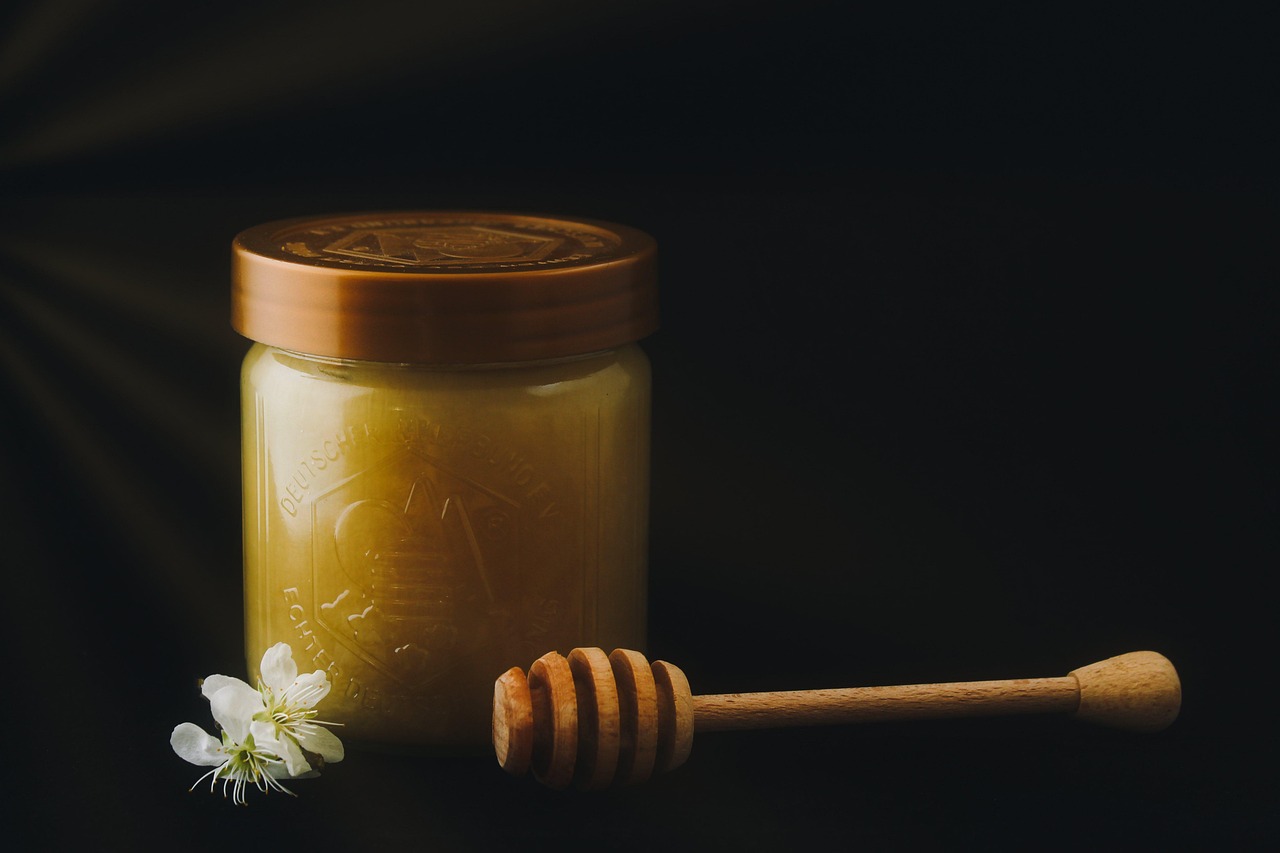
Are you battling stubborn dark spots, hyperpigmentation, or an uneven skin tone? You’re not alone. Many individuals seek effective, natural solutions to achieve a clearer, more radiant complexion. While the market is flooded with synthetic treatments, sometimes the best remedies are found right in nature’s pantry. Enter honey for dark spots a golden elixir celebrated for centuries not just as a sweetener, but as a powerful skin healer. This comprehensive guide will delve into the science and practical applications of using this ancient ingredient to address those unwanted blemishes.

From understanding what causes dark spots to exploring honey’s unique properties and how to incorporate it into your skincare routine, we’ll cover everything you need to know. We’ll discuss different types of honey, effective DIY mask recipes, and crucial tips for maximizing your results while maintaining skin health. If you’re looking for a gentle yet potent approach to lighten and brighten your skin, keep reading to uncover the sweet secrets of honey for dark spots.
Understanding Dark Spots: What Are They and Why Do They Appear?
Dark spots, scientifically known as hyperpigmentation, are a common skin concern characterized by patches of skin becoming darker than the surrounding areas. This darkening occurs when there’s an overproduction of melanin, the pigment that gives skin, hair, and eyes their color. While generally harmless, they can be a source of cosmetic concern for many.
Types of Hyperpigmentation
- Post-inflammatory Hyperpigmentation (PIH): Often a result of skin inflammation or injury, such as acne, eczema, or even minor cuts. When the skin heals, it sometimes leaves a dark mark.
- Sun Spots (Solar Lentigines): Also known as age spots, these appear on skin frequently exposed to the sun, like the face, hands, and arms. They are a direct result of prolonged UV exposure.
- Melasma: Characterized by larger patches of darkened skin, often symmetrical, appearing on the face. Melasma is typically triggered by hormonal changes (e.g., pregnancy, birth control) combined with sun exposure.
Common Causes of Dark Spots
Several factors can contribute to the development of dark spots:
- Sun Exposure: The primary culprit. UV radiation stimulates melanin production as a protective mechanism.
- Acne and Skin Injuries: Inflammation from breakouts or other skin trauma can leave behind PIH.
- Hormonal Changes: Pregnancy, certain medications, and birth control pills can trigger melasma.
- Medications: Some drugs can cause hyperpigmentation as a side effect.
The Golden Elixir: Why Honey for Dark Spots?
For centuries, honey has been revered not just as a food but as a natural medicine and beauty aid. Its unique composition makes it an excellent candidate for addressing various skin concerns, including hyperpigmentation. But how exactly does honey for dark spots work its magic?
Honey’s Potent Properties
Honey is packed with beneficial compounds that contribute to its skin-healing prowess:
- Anti-inflammatory: Helps calm irritated skin and reduce redness, crucial for preventing and fading PIH.
- Antioxidant: Rich in flavonoids and phenolic acids, honey fights free radicals, protecting skin cells from damage.
- Antibacterial: Its natural acidity and hydrogen peroxide content help prevent acne and promote a clearer complexion.
- Humectant: Draws moisture from the air into the skin, keeping it hydrated and supple for better healing.
- Mild Exfoliant: Natural enzymes and mild alpha hydroxy acids (AHAs) provide gentle exfoliation, shedding dead skin cells to reveal brighter skin.
How Honey Works on Hyperpigmentation
When applied topically, honey for dark spots can contribute to their fading through several mechanisms:
- Reducing Inflammation: Calms inflammation to mitigate PIH and prevent new spots.
- Promoting Cell Regeneration: Gentle exfoliation encourages turnover of skin cells, replacing pigmented cells.
- Antioxidant Protection: Helps protect skin from further sun damage, preventing existing spots from worsening.
- Moisture and Healing: Supports a healthy, hydrated skin barrier, fundamental for fading discoloration.
- Mild Brightening Effect: The combination of its properties leads to a gradual brightening and more even skin tone.
Choosing the Right Honey for Skin Care
Not all honey is created equal, especially when it comes to topical applications for your skin. For the best results when using honey for dark spots, quality matters significantly.
Raw, Unfiltered Honey is Key
Opt for raw, unfiltered honey. This type of honey has not been heated or processed, retaining all its natural enzymes, antioxidants, and beneficial compounds. Some excellent choices include:
- Manuka Honey: Renowned for its exceptional antibacterial and healing properties. Look for a UMF (Unique Manuka Factor) rating of 10+ or higher.
- Local Raw Honey: Often minimally processed, retaining its natural benefits.
- Wildflower Honey: Contains a rich blend of pollens and nectar, contributing to its diverse nutrient profile.
What to Avoid
Steer clear of supermarket “honey” that has been pasteurized, filtered, or mixed with corn syrup. These processes strip away many beneficial components, making them less effective for skincare.
Practical Applications: How to Use Honey for Dark Spots
Integrating honey for dark spots into your skincare routine is surprisingly simple. Here are several effective ways to utilize this natural ingredient:
1. Direct Spot Treatment
This is the most straightforward method for targeting specific dark spots.
- Cleanse your face thoroughly.
- Apply a small dab of raw honey directly onto each dark spot.
- Leave it on for 15-30 minutes, or even overnight if comfortable.
- Rinse off with lukewarm water.
- Repeat daily for best results.
2. Honey Face Masks
For a more comprehensive treatment, honey can be combined with other natural ingredients to create potent masks.
- Honey and Lemon Mask (Use with Caution):
- Mix 1 tablespoon of raw honey with 1 teaspoon of fresh lemon juice.
- Apply to your face, focusing on dark spots. Leave on for 10-15 minutes, then rinse.
- Caution: Lemon juice is highly acidic and can increase photosensitivity. Use this mask only in the evening and apply sunscreen diligently the next day. Avoid if you have sensitive skin.
- Honey and Yogurt Mask:
- Combine 1 tablespoon of raw honey with 1 tablespoon of plain, unsweetened yogurt (lactic acid aids exfoliation).
- Apply evenly to your face. Leave on for 20 minutes, then rinse.
- Honey and Turmeric Mask:
- Mix 1 tablespoon of raw honey with ½ teaspoon of turmeric powder (known for brightening).
- Apply to skin, leave for 15-20 minutes, then rinse thoroughly (turmeric can stain).
3. Honey as a Gentle Cleanser
You can also use honey as a mild, hydrating cleanser.
- Dampen your face with lukewarm water.
- Take a small amount of honey (about a pea-sized drop) and gently massage it onto your skin in circular motions.
- Rinse thoroughly with water.
Patch Testing and Consistency
Always perform a patch test on a small, inconspicuous area of skin before applying any new ingredient to your entire face. Consistency is paramount when using natural remedies; expect to use honey for dark spots regularly for several weeks or months to see noticeable improvement.
Expected Results and Realistic Expectations
While honey for dark spots offers a gentle and natural approach, it’s essential to set realistic expectations. Honey is not a magic bullet that will erase dark spots overnight, especially older or deeper pigmentation.
Patience is a Virtue
Natural remedies work gradually. You might notice subtle improvements in skin tone and texture after a few weeks, with more significant fading appearing over several months of consistent use. Improvement varies depending on the individual, the type of dark spot, and its severity.
Complementary Practices
To enhance the efficacy of honey and protect your skin, integrate these practices:
- Sun Protection: Non-negotiable. Daily use of a broad-spectrum sunscreen with SPF 30 or higher is crucial to prevent existing dark spots from worsening and new ones from forming.
- Gentle Skincare: Avoid harsh exfoliants or aggressive treatments that can irritate the skin.
- Healthy Lifestyle: A balanced diet, adequate hydration, and sufficient sleep contribute to overall skin health.
When to Consult a Dermatologist
If your dark spots are persistent, worsening, or if you suspect an underlying medical condition, consult a dermatologist. They can offer professional diagnoses and suggest more intensive treatments if necessary.
Recommended Products
Manuka Honey UMF 15+
A high-quality Manuka honey with a UMF rating of 15+ is ideal for topical application due to its potent antibacterial and healing properties, making it an excellent choice for honey for dark spots.
Neutrogena Hydro Boost Water Gel Sunscreen SPF 50
Protecting your skin from the sun is paramount