
Are you bothered by those stubborn dark spots that seem to have set up permanent residence around your mouth? You’re not alone. Dark spots, medically known as perioral hyperpigmentation, can be a source of frustration, impacting your confidence and the overall evenness of your skin tone. Whether they’re a result of sun exposure, post-inflammatory hyperpigmentation from acne, or hormonal shifts, finding effective ways to diminish their appearance is a common goal for many.
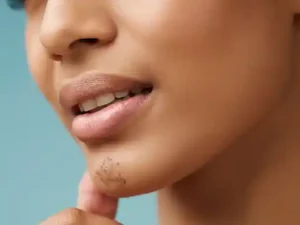
In this comprehensive guide, we’ll dive deep into understanding why these dark spots appear and, more importantly, explore practical, science-backed methods on how to get rid of dark spots around mouth. From gentle at-home remedies to powerful over-the-counter solutions and advanced professional treatments, we’ll equip you with the knowledge to achieve a clearer, more radiant complexion. Get ready to discover your path to smoother, more even-toned skin around your smile!
Understanding Dark Spots Around the Mouth: Causes and Types
Before we can effectively tackle the issue, it’s crucial to understand what causes these unwelcome discolorations. Dark spots around the mouth are a form of hyperpigmentation, meaning an overproduction of melanin, the pigment that gives skin its color. Several factors can trigger this:
Common Causes of Perioral Hyperpigmentation
- Post-Inflammatory Hyperpigmentation (PIH): This is one of the most common causes. PIH occurs after an inflammatory skin condition, such as acne breakouts, eczema, cold sores, or even aggressive exfoliation, leaves behind a darkened mark as the skin heals.
- Sun Exposure: Ultraviolet (UV) radiation from the sun stimulates melanin production as a protective mechanism. Consistent sun exposure can lead to sunspots or lentigines, which often appear darker around areas frequently exposed, like the mouth.
- Melasma: Often referred to as the “mask of pregnancy,” melasma is characterized by patchy, dark brown or grayish-brown spots. It’s primarily triggered by hormonal changes (pregnancy, birth control pills, hormone therapy) combined with sun exposure. The area around the mouth, upper lip, and chin are common sites for melasma.
- Friction and Irritation: Repetitive rubbing, picking, or even frequent shaving can cause irritation, leading to PIH over time.
- Medications: Certain medications can cause photosensitivity or trigger hyperpigmentation as a side effect.
- Dryness and Dehydration: Severely dry or chapped skin around the mouth can sometimes appear darker, or the barrier disruption can make it more susceptible to inflammation and subsequent PIH.
- Allergic Reactions: Contact dermatitis from certain lip products, toothpastes, or foods can cause inflammation, resulting in dark spots once the reaction subsides.
Identifying the underlying cause is the first step in determining the most effective strategy for how to get rid of dark spots around mouth.
Effective At-Home Remedies to Fade Dark Spots
For those looking for gentle, natural approaches, several at-home remedies can help lighten dark spots around the mouth, especially if they are mild or recent. Consistency is key with these methods.
Natural Ingredients to Consider
- Lemon Juice: Known for its natural bleaching properties due to citric acid.
- How to use: Dilute fresh lemon juice with an equal part of water. Apply with a cotton ball to the affected area, leave for 10-15 minutes, then rinse. Use sparingly as it can be drying and increase sun sensitivity.
- Pros: Readily available, cost-effective.
- Cons: Can cause irritation, dryness, and photosensitivity. Not recommended for sensitive skin.
- Aloe Vera: Contains aloin, a natural depigmenting compound.
- How to use: Apply fresh aloe vera gel directly to the dark spots daily. Leave it on for 30 minutes, then rinse.
- Pros: Soothing, hydrating, generally well-tolerated.
- Cons: Results may be slow and subtle.
- Potato Slices: Catecholase, an enzyme found in potatoes, may help lighten skin.
- How to use: Slice a raw potato and place it over the dark spots for 10-15 minutes, then rinse. Repeat daily.
- Pros: Gentle, inexpensive.
- Cons: Scientific evidence is limited, results vary.
- Turmeric Mask: Curcumin in turmeric has anti-inflammatory and antioxidant properties that can help reduce hyperpigmentation.
- How to use: Mix a pinch of turmeric powder with milk or honey to form a paste. Apply to the dark spots, leave for 15-20 minutes, then rinse thoroughly. Be careful, as turmeric can temporarily stain skin or clothes.
- Pros: Anti-inflammatory, antioxidant benefits.
- Cons: Can stain skin temporarily, requires careful rinsing.
While these remedies can offer some benefits, remember to patch test any new ingredient on a small area of skin first to check for adverse reactions. Always follow up with a good moisturizer and broad-spectrum sunscreen, especially when using ingredients that can increase sun sensitivity.
Over-the-Counter (OTC) Treatments for Dark Spots Around Mouth
For more noticeable or persistent dark spots, over-the-counter products formulated with specific skin-lightening ingredients can be highly effective. Look for serums, creams, and spot treatments designed to target hyperpigmentation.
Key Ingredients to Look For:
- Vitamin C (Ascorbic Acid): A powerful antioxidant that inhibits melanin production, brightens skin, and protects against sun damage. Look for serums with 10-20% Vitamin C.
- Niacinamide (Vitamin B3): Reduces the transfer of pigment to skin cells, improves skin barrier function, and calms inflammation. It’s well-tolerated by most skin types.
- Alpha Arbutin: A natural derivative of hydroquinone, it safely inhibits tyrosinase (an enzyme responsible for melanin production) without the irritation sometimes associated with hydroquinone.
- Kojic Acid: Derived from fungi, it also inhibits tyrosinase activity to lighten existing dark spots and prevent new ones.
- Azelaic Acid: Possesses anti-inflammatory and skin-lightening properties, particularly effective for PIH and melasma.
- Retinoids (Retinol, Retinaldehyde): OTC retinoids increase cell turnover, helping to shed pigmented cells and reveal fresh, unpigmented skin. Start slowly to avoid irritation.
- AHAs (Alpha Hydroxy Acids) like Glycolic Acid or Lactic Acid: These exfoliants gently remove the top layer of dead skin cells, helping to fade superficial dark spots and improve skin texture.
When incorporating OTC products, start with one new product at a time to monitor your skin’s reaction. Apply these treatments consistently, often once daily, and always pair them with diligent sunscreen use. It can take several weeks to a few months to see significant improvement, so patience is crucial when learning how to get rid of dark spots around mouth.
Professional Treatments for Stubborn Hyperpigmentation
If at-home remedies and OTC products aren’t delivering the desired results, a dermatologist can offer more potent professional treatments to effectively address dark spots around the mouth.
Advanced Solutions Offered by Dermatologists:
- Prescription Hydroquinone: Considered the gold standard for hyperpigmentation, hydroquinone works by decreasing the production of melanin. It’s available in higher concentrations by prescription and is often used for a limited period due to potential side effects.
- Prescription Retinoids (Tretinoin): Stronger than OTC retinoids, tretinoin significantly boosts cell turnover, accelerating the fading of dark spots.
- Chemical Peels: A dermatologist can apply a chemical solution (e.g., salicylic acid, glycolic acid, trichloroacetic acid – TCA) to exfoliate the top layers of skin, promoting the growth of new, evenly pigmented skin. Multiple sessions are usually required.
- Microdermabrasion: This procedure uses a device to gently abrade the top layer of skin, helping to remove superficial dark spots and improve skin texture. It’s less aggressive than chemical peels.
- Laser Therapy: Various lasers, such as Q-switched lasers, PicoSure, or Fraxel, can target and break down melanin pigments in the skin. Laser treatments are highly effective but require careful consideration, especially for darker skin tones, to avoid post-inflammatory hyperpigmentation.
- Microneedling: This treatment involves creating tiny punctures in the skin to stimulate collagen production and improve the absorption of topical treatments. When combined with skin-lightening serums, it can be effective for hyperpigmentation.
A consultation with a board-certified dermatologist is essential to determine the most appropriate treatment plan for your specific type of hyperpigmentation, skin type, and overall skin health. They can guide you on the best approach to remove dark spots around mouth safely and effectively.
Preventing Future Dark Spots Around the Mouth
Once you’ve made progress in fading existing dark spots, prevention becomes paramount to maintain your clear complexion. Protecting your skin from triggers is key.
Key Prevention Strategies:
- Diligent Sun Protection: This is the single most important step.
- Apply a broad-spectrum sunscreen with an SPF of 30 or higher every single day, even on cloudy days and indoors near windows.
- Reapply sunscreen every two hours, or more often if sweating or swimming.
- Wear wide-brimmed hats and seek shade during peak sun hours (10 AM to 4 PM).
- Gentle Skincare Routine: Avoid harsh scrubbing, irritating ingredients, or picking at pimples or scabs, as this can lead to PIH.
- Moisturize Regularly: Keeping the skin around your mouth hydrated helps maintain a healthy skin barrier, making it less prone to irritation and inflammation.
- Identify and Avoid Triggers: If you notice certain products, foods, or habits exacerbate your dark spots, try to eliminate or minimize exposure to them.
- Address Underlying Conditions: If acne, eczema, or other inflammatory skin conditions are a recurring issue, seek treatment to control them and prevent subsequent PIH.
By adopting these preventive measures, you can significantly reduce the likelihood of new dark spots forming and maintain the results you’ve achieved in fading existing ones.
Recommended Products
EltaMD UV Clear Broad-Spectrum SPF 46
A dermatologist-recommended, mineral-based sunscreen perfect for sensitive and acne-prone skin, essential for preventing and managing dark spots.
Paula’s Choice 10% Niacinamide Booster
A potent serum with Niacinamide to visibly improve skin tone, minimize pores, and reduce the appearance of dark spots and discoloration.
CeraVe Vitamin C Serum with Hyaluronic Acid
Features 10% pure Vitamin C to brighten skin, even tone, and provide antioxidant benefits, while ceramides help restore the skin barrier.
The Ordinary Alpha Arbutin 2% + HA
A concentrated serum with purified Alpha Arbutin and Hyaluronic Acid to target hyperpigmentation and dark spots, promoting a more even skin tone.
Frequently Asked Questions About Dark Spots Around the Mouth
Q1: How long does it take to get rid of dark spots around the mouth?
The time it takes to fade dark spots varies greatly depending on their cause, depth, and the treatment method used. Mild surface spots might show improvement in 4-8 weeks with consistent OTC treatments and sun protection. Deeper or more stubborn spots, like melasma, can take several months to a year, or may require professional intervention for significant results. Patience and consistency are crucial.
Q2: Can diet affect dark spots around the mouth?
While diet isn’t a direct cause of dark spots, a healthy diet rich in antioxidants (from fruits, vegetables) and omega-3 fatty acids can support overall skin health and its ability to heal and protect itself. Some research suggests that a diet high in anti-inflammatory foods may help reduce general inflammation in the body, which could indirectly benefit skin prone to PIH. However, specific foods aren’t typically prescribed to directly “get rid of” dark spots.
Q3: Is sun exposure the main cause of dark spots around the mouth?
Sun exposure is a significant contributing factor and often the primary trigger for many types of dark spots, especially sunspots and aggravating melasma. UV radiation stimulates melanin production, leading to darkening. Even if the initial cause was something else (like acne), sun exposure can darken the post-inflammatory hyperpigmentation, making it more persistent and visible. Consistent sun protection is vital for both treatment and prevention.
Q4: Are home remedies effective for all types of dark spots?
Home remedies are generally most effective for mild, superficial, or newly formed dark spots. Their efficacy for deeper, older, or more severe hyperpigmentation like melasma is often limited. While they can provide some subtle brightening over time, they typically don’t offer the potent, targeted action of professional treatments or specialized OTC ingredients. Always manage expectations when relying solely on natural remedies.
Q5: When should I see a dermatologist for dark spots around my mouth?
You should consider seeing a dermatologist if your dark spots are:
- Not responding to OTC treatments after several months.
- Rapidly changing in size, shape, or color.
- Associated with other concerning symptoms.
- Causing significant distress or impacting your quality of life.
A dermatologist can accurately diagnose the type of hyperpigmentation and recommend the most effective and safest treatment plan, including prescription medications or in-office procedures.
Conclusion
Dark spots around the mouth, while a common concern, are absolutely treatable. Understanding their root causes – be it sun exposure, post-inflammatory hyperpigmentation, or hormonal influences – is the first step towards effective management. From embracing gentle yet consistent at-home remedies to leveraging the power of targeted over-the-counter ingredients like Vitamin C and Niacinamide, there’s a spectrum of solutions available.
For more stubborn or persistent discoloration, don’t hesitate to consult a dermatologist who can offer advanced professional treatments such as chemical peels, laser therapy, or prescription-strength retinoids. Remember, the journey to a clearer complexion is a marathon, not a sprint. Patience, consistency, and a steadfast commitment to daily sun protection are your most powerful allies in your quest on how to get rid of dark spots around mouth. With the right approach and a little dedication, you can reveal the radiant, even-toned skin you desire around your beautiful smile.