Are you tired of looking in the mirror and seeing stubborn dark spots, sun damage, or age spots staring back at you? These unwelcome visitors, often a result of sun exposure, hormonal changes, or post-inflammatory hyperpigmentation, can significantly impact your skin’s clarity and your confidence. While countless creams and serums promise miraculous results, many fall short. This is where professional treatments like Intense Pulsed Light (IPL) come into play, offering a powerful solution for those seeking a noticeable difference.
What Are Dark Spots and Why Do They Appear?
Dark spots, scientifically known as hyperpigmentation, are a common skin concern characterized by patches of skin becoming darker than the surrounding areas. This darkening occurs when there’s an overproduction of melanin, the pigment responsible for skin, hair, and eye color. Understanding their origins is the first step toward effective treatment.
Common Types of Dark Spots:
- Sun Spots (Lentigines): Often called age spots or liver spots, these flat, brown or black spots typically appear on sun-exposed areas like the face, hands, and décolletage. They are a direct result of prolonged UV exposure.
- Melasma: This type of hyperpigmentation presents as symmetrical patches of brown or grayish-brown discoloration, most commonly on the face. Hormonal fluctuations (pregnancy, birth control) often trigger melasma, exacerbated by sun exposure.
- Post-Inflammatory Hyperpigmentation (PIH): These dark spots appear after an inflammatory skin condition, such as acne, eczema, or an injury. The skin produces excess melanin during the healing process, leaving a dark mark.
Regardless of the type, dark spots can be persistent and challenging to fade with topical products alone, making advanced treatments like IPL an attractive option for many.
Understanding IPL: How It Works for Pigmentation
Intense Pulsed Light (IPL) is a popular non-invasive cosmetic procedure that uses broad-spectrum light to target various skin concerns, including dark spots, sun damage, redness, and uneven texture. Unlike lasers, which use a single, focused wavelength of light, IPL delivers multiple wavelengths, allowing it to treat a larger area and address several issues simultaneously.
The Science Behind IPL for Dark Spots:
When it comes to dark spots, the magic of IPL lies in its ability to target melanin. The pulsed light is absorbed by the pigment (melanin) in the dark spots. This absorption converts light energy into heat, which then damages the melanin-containing cells. The damaged pigment then rises to the surface of the skin, where it eventually flakes off, revealing clearer, more even-toned skin underneath.
- Targeted Treatment: IPL devices are equipped with filters that allow practitioners to customize the wavelength of light, ensuring that the treatment specifically targets the melanin in dark spots while minimizing damage to surrounding skin.
- Non-Ablative: IPL is a non-ablative treatment, meaning it doesn’t remove the top layer of skin. This contributes to minimal downtime compared to more aggressive treatments.
- Collagen Stimulation: Beyond addressing pigmentation, IPL also stimulates collagen production, which can improve skin texture, reduce fine lines, and give the skin a more youthful appearance.
It’s crucial to understand that IPL is not a laser. While both use light to treat skin, their mechanisms and light spectrums differ. IPL is generally gentler and can cover larger areas more quickly, making it an excellent choice for widespread sun damage and dark spots.
The IPL Treatment Process: What to Expect
Embarking on an IPL treatment for dark spots involves a few key stages, from initial consultation to post-treatment care. Knowing what to expect can help you prepare and feel more comfortable throughout the process.
1. Initial Consultation:
Your journey begins with a thorough consultation with a qualified dermatologist or aesthetician. During this appointment, they will:
- Assess your skin type and tone (Fitzpatrick scale).
- Identify the type and severity of your dark spots.
- Discuss your medical history and any medications you’re taking.
- Explain the IPL procedure, expected results, and potential risks.
- Determine if you are a suitable candidate for IPL.
2. Pre-Treatment Preparation:
To ensure optimal results and minimize risks, you’ll typically be advised to:
- Avoid sun exposure: Stay out of the sun and avoid tanning beds for at least 2-4 weeks prior to your session. Sunburned or tanned skin can increase the risk of side effects.
- Discontinue certain products: Stop using retinoids, alpha hydroxy acids (AHAs), and other photosensitizing agents a week before treatment.
- Avoid medications: Inform your practitioner about any medications, especially those that increase sun sensitivity.
3. During the Treatment:
On the day of your appointment:
- Your skin will be thoroughly cleansed, and a cooling gel will be applied to the treatment area to protect the skin and enhance light penetration.
- You’ll be given protective eyewear to shield your eyes from the bright flashes of light.
- The practitioner will then apply the IPL device to your skin, delivering pulses of light. You might feel a sensation similar to a rubber band snapping against your skin, or a quick, warm prickle. Most people tolerate this well, but topical numbing cream can be applied if needed.
- A typical session can last anywhere from 15 to 45 minutes, depending on the size of the area being treated.
4. Post-Treatment Care:
Immediate aftercare is crucial for effective healing and results:
- Cooling: Ice packs or cool compresses can help reduce any redness or swelling.
- Gentle skincare: Use mild cleansers and moisturizers. Avoid harsh exfoliants or active ingredients for several days.
- Sun protection: This is paramount. Apply a broad-spectrum sunscreen with an SPF of 30 or higher religiously, and wear protective clothing and hats.
- Avoid heat: Steer clear of hot baths, saunas, and strenuous exercise for 24-48 hours.
IPL For Dark Spots: Before and After Transformations
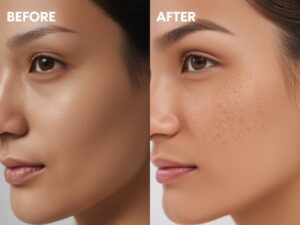
The most compelling aspect of IPL for dark spots is witnessing the dramatic before and after changes in skin tone and clarity. While results vary from person to person, there’s a general progression you can expect.
Immediately After Treatment:
- Your dark spots will likely appear darker and more prominent. This is a positive sign! The melanin has absorbed the light energy and is now rising to the surface.
- There might be some mild redness and swelling, similar to a sunburn, which usually subsides within a few hours to a day.
Over the Next 1-2 Weeks:
- The darkened spots will begin to resemble tiny coffee grounds or pepper flakes.
- These tiny crusts will naturally flake off over the next 7-14 days (sometimes longer on the body), revealing lighter skin underneath. It’s crucial not to pick or scratch them, as this can lead to scarring.
- You’ll start to notice a significant improvement in the evenness of your skin tone and a reduction in the visibility of your dark spots.
Long-Term Results and Multiple Sessions:
While some improvement can be seen after just one session, most individuals require a series of 3-5 IPL treatments for dark spots, spaced about 3-4 weeks apart, to achieve optimal results. Each session progressively breaks down more pigment, leading to a cumulative effect. The “after” picture truly comes into focus once the full course of treatment is completed.
Many patients report not only a significant reduction in dark spots but also an overall brighter, more youthful complexion due to the collagen-stimulating effects of IPL. The key to maintaining these results is diligent sun protection and a consistent skincare routine.
Pros and Cons of IPL for Dark Spots
Like any cosmetic procedure, IPL comes with its own set of advantages and disadvantages. Weighing these factors can help you make an informed decision.
Pros of IPL for Dark Spots:
- Highly Effective: IPL is very effective at reducing sun spots, age spots, and freckles. Many patients see significant improvement after a series of treatments.
- Minimal Downtime: Compared to more aggressive laser treatments or chemical peels, IPL typically involves very little downtime. Most people can resume normal activities immediately.
- Non-Invasive: It’s a non-surgical procedure, making it a less intimidating option for those new to cosmetic treatments.
- Treats Multiple Concerns: Besides dark spots, IPL can also improve redness (rosacea), broken capillaries, and overall skin texture, offering a comprehensive rejuvenation.
- Quick Sessions: Treatments are relatively fast, often completed within 30-45 minutes.
Cons of IPL for Dark Spots:
- Not Suitable for All Skin Tones: IPL works best on lighter skin tones (Fitzpatrick types I-III) with dark spots. Individuals with darker skin tones (Fitzpatrick types IV-VI) have a higher risk of hyperpigmentation or hypopigmentation due to the IPL targeting melanin.
- Multiple Sessions Required: Optimal results usually require a series of 3-5 treatments, adding to the overall cost and time commitment.
- Temporary Darkening: Dark spots will temporarily darken before fading, which can be concerning for some patients if they are not properly informed.
- Potential Side Effects: While rare, side effects can include temporary redness, swelling, blistering, bruising, or changes in pigmentation.
- Cost: IPL treatments can be an investment, and they are typically not covered by insurance.
- Sun Sensitivity: Post-treatment skin is highly sensitive to the sun, requiring diligent sun protection to prevent new dark spots and protect the treated area.
Who Is a Good Candidate for IPL?
Determining if you’re a suitable candidate for IPL treatment for dark spots is crucial for both safety and effectiveness. A thorough consultation with a qualified professional is always the best approach, but here are general guidelines:
- Skin Type: IPL is most effective and safest for individuals with lighter skin tones (Fitzpatrick Types I-III). This includes skin that rarely or sometimes burns and tans lightly to moderately. People with darker skin tones (Fitzpatrick Types IV-VI) have a higher concentration of melanin, which increases the risk of adverse effects like hyperpigmentation or hypopigmentation.
- Type of Dark Spots: IPL excels at treating sun spots, age spots, freckles, and general sun damage. It can also improve the appearance of mild melasma, though melasma often requires a multi-faceted approach. Post-inflammatory hyperpigmentation (PIH) can also respond well.
- Overall Health: Candidates should be in good general health, without active skin infections, open wounds, or a history of keloid scarring in the treatment area.
- Realistic Expectations: Understanding that IPL requires multiple sessions and that results are progressive, not instantaneous, is important.
Contraindications (Who Should Avoid IPL):
- Pregnant or breastfeeding women.
- Individuals currently taking photosensitizing medications (e.g., certain antibiotics, retinoids).
- People with active cold sores or skin infections in the treatment area.
- Those with a history of skin cancer or suspicious lesions.
- Individuals with a recent tan or sunburn.
Maximizing Your IPL Results and Maintaining Clear Skin
Achieving impressive IPL before and after dark spots results is just the beginning. The longevity of your clear, even-toned skin largely depends on your post-treatment care and lifestyle habits.
1. Diligent Sun Protection:
This cannot be stressed enough. Sun exposure is the primary cause of dark spots, and it can easily reverse the benefits of your IPL treatments. Make broad-spectrum sunscreen with SPF 30+ a non-negotiable part of your daily routine, even on cloudy days. Reapply every two hours when outdoors. Wear wide-brimmed hats and seek shade whenever possible.
2. Consistent Skincare Routine:
Maintain a gentle yet effective skincare regimen. Incorporate ingredients that help maintain even skin tone and protect against future damage:
- Antioxidants: Vitamin C serums can brighten the skin and provide additional protection against environmental damage.
- Gentle Exfoliants: Once your skin has fully healed from IPL, mild exfoliants (like AHAs or BHAs, used sparingly) can help shed dead skin cells and prevent pigment buildup. Consult your practitioner before reintroducing these.
- Hydration: Keep your skin well-hydrated with a good moisturizer to support its barrier function.
3. Follow-Up Treatments:
While IPL significantly reduces existing dark spots, it doesn’t prevent new ones from forming if you continue to expose your skin to triggers like sun. Depending on your skin’s response and your goals, maintenance IPL sessions may be recommended annually or bi-annually to keep your complexion clear.
4. Healthy Lifestyle:
A balanced diet rich in antioxidants, adequate hydration, and managing stress can also contribute to overall skin health and radiance, complementing your IPL results.
Recommended Products
EltaMD UV Clear Broad-Spectrum SPF 46
A highly recommended, lightweight, mineral-based sunscreen perfect for post-IPL and daily use, especially for sensitive or acne-prone skin.
SkinCeuticals CE Ferulic Serum
A potent antioxidant serum with Vitamin C, E, and Ferulic Acid to protect against environmental damage and brighten skin, ideal for morning application under sunscreen.
CeraVe Hydrating Facial Cleanser
A gentle, non-foaming cleanser that effectively cleanses without stripping the skin, excellent for use before and after IPL treatments.
La Roche-Posay Cicaplast Baume B5
A soothing, multi-purpose balm that helps to repair and protect sensitive, irritated skin, perfect for post-procedure recovery.
Frequently Asked Questions About IPL for Dark Spots
Q1: Is IPL painful?
A: Most people describe the sensation during IPL as a mild stinging or the snap of a rubber band against the skin. Discomfort is generally minimal and temporary. A topical numbing cream can be applied beforehand to enhance comfort, and cooling gels are used during the procedure.
Q2: How many IPL sessions do I need for dark spots?
A: The number of sessions varies depending on the severity of your dark spots and your skin’s response. Typically, 3 to 5 treatments, spaced 3-4 weeks apart, are recommended for optimal results. Your practitioner will create a personalized treatment plan during your consultation.
Q3: How long do IPL results last?
A: IPL results for dark spots can be long-lasting, especially with diligent sun protection. However, new dark spots can develop over time due to continued sun exposure or other factors. Many individuals opt for maintenance treatments every 6-12 months to preserve their clear complexion.
Q4: Can IPL make dark spots worse?
A: Immediately after an IPL treatment, dark spots will temporarily appear darker, almost like coffee grounds. This is a normal and expected part of the process, indicating the treatment is working. These spots will then flake off. In rare cases, if the treatment is performed incorrectly or on an unsuitable skin type, IPL can cause hyperpigmentation (darkening) or hypopigmentation (lightening). This underscores the importance of choosing a qualified and experienced practitioner.
Q5: What is the downtime after IPL?
A: IPL typically has minimal downtime. You might experience some redness and mild swelling, similar to a sunburn, for a few hours to a day. The darkened spots will begin to flake off over 7-14 days. You can usually return to your normal activities immediately, but it’s essential to avoid direct sun exposure and strenuous exercise for 24-48 hours.
Q6: Is IPL safe for all skin types?
A: IPL is safest and most effective for lighter skin tones (Fitzpatrick Types I-III). Individuals with darker skin tones (Fitzpatrick Types IV-VI) have a higher risk of adverse effects like post-inflammatory hyperpigmentation or hypopigmentation, as the IPL device targets melanin, which is more abundant in darker skin. Always consult a professional to determine if IPL is suitable for your specific skin type.
Conclusion
The journey to clearer, more radiant skin can be challenging, but treatments like IPL for dark spots offer a proven and effective solution for many. By understanding the science behind Intense Pulsed Light, knowing what to expect during the before and after stages, and committing to proper post-treatment care, you can achieve remarkable transformations.
From sun spots and age spots to general unevenness, IPL has helped countless individuals regain confidence in their complexion. Remember, the key to success lies in a thorough consultation with a qualified professional who can assess your skin, manage your expectations, and guide you through the process. With diligent sun protection and a consistent skincare routine, your “after” results can be long-lasting, allowing you to enjoy a brighter, more even-toned appearance for years to come. Don’t let dark spots dim your glow – explore the potential of IPL and step into a world of clearer skin.
“`