
In the bustling world of hair care, where new ingredients and formulas emerge constantly, one question frequently surfaces among health-conscious consumers and those with specific hair needs Is Divi Shampoo Sulfate Free This isn’t just a simple yes or no query; it delves into the core philosophy of hair health, ingredient transparency, and the benefits of a gentler approach to cleansing. If you’ve been curious about Divi’s formulation and whether it aligns with your preference for sulfate-free products, you’ve come to the right place.
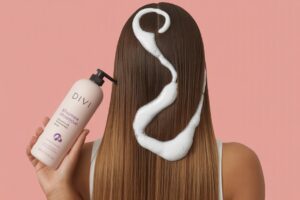
The movement towards sulfate-free hair care has gained significant momentum, driven by a desire for products that are less harsh on the scalp and hair, especially for those with color-treated hair, sensitive skin, or dry, brittle strands. Sulfates, while effective cleansing agents, can sometimes strip natural oils, leading to irritation or fading hair color. Understanding whether your chosen shampoo, like Divi, eschews these ingredients is crucial for making informed decisions about your hair care regimen. This comprehensive guide will explore the significance of sulfate-free formulas, directly answer the question about Divi Shampoo, and provide insights into why this matters for the health and vitality of your hair.
Understanding Sulfates in Shampoo
Before diving into Divi’s specific formulation, let’s first understand what sulfates are and why they became a staple in many traditional shampoos. Sulfates are a type of surfactant, which means they are cleansing agents responsible for creating that rich, foamy lather we often associate with a “clean” feeling. The most common sulfates found in hair products include Sodium Lauryl Sulfate (SLS) and Sodium Laureth Sulfate (SLES).
Their primary function is to effectively remove dirt, oil, and product buildup from the hair and scalp. They are highly efficient and cost-effective, which is why they have been widely used in personal care products for decades. However, their strong cleansing action can sometimes be a double-edged sword.
The Potential Downside of Sulfates
- Stripping Natural Oils: Sulfates can be so effective at cleansing that they strip away not only impurities but also the natural oils (sebum) that protect and moisturize your hair and scalp. This can lead to dryness, irritation, and even an overproduction of oil as your scalp tries to compensate.
- Color Fading: For those with color-treated hair, sulfates can accelerate the fading process by opening the hair cuticle and washing out the color pigments.
- Scalp Irritation: Sensitive scalps can react to sulfates with dryness, itchiness, redness, or flakiness.
- Frizz and Damage: Stripping natural oils can leave hair feeling dry, brittle, and more prone to frizz and breakage, especially for those with naturally curly or textured hair.
Why Go Sulfate-Free? The Benefits Explored
The shift towards sulfate-free hair care isn’t just a trend; it’s a response to a deeper understanding of hair and scalp health. Opting for a sulfate-free shampoo offers a range of benefits that can significantly improve the look and feel of your hair.
Key Advantages of Sulfate-Free Formulas:
- Preserves Natural Oils: Sulfate-free shampoos cleanse gently, allowing your scalp to maintain its natural moisture balance. This can lead to healthier, more hydrated hair and a less irritated scalp.
- Extends Hair Color Life: By not stripping the hair’s cuticle as aggressively, sulfate-free formulas help to lock in hair color, keeping your vibrant shade looking fresh for longer.
- Reduces Scalp Irritation: For individuals with sensitive skin, eczema, psoriasis, or a generally reactive scalp, removing harsh sulfates can alleviate dryness, itchiness, and discomfort.
- Kinder to Curly and Textured Hair: Curly and textured hair types tend to be drier by nature. Sulfate-free shampoos help retain moisture, reduce frizz, and enhance curl definition without causing excessive dryness.
- Minimizes Breakage and Frizz: Hydrated hair is stronger hair. By preventing the stripping of natural oils, sulfate-free products can lead to less breakage and a smoother, less frizzy appearance.
Embracing a sulfate-free regimen is about treating your hair with the kindness it deserves, promoting long-term health rather than just temporary cleanliness.
Is Divi Shampoo Sulfate Free? The Definitive Answer
Now, let’s address the burning question directly: Is Divi Shampoo Sulfate Free? Yes, Divi Shampoo is indeed formulated to be sulfate-free. Divi prides itself on creating clean, science-backed formulas designed to support scalp health and hair vitality without relying on harsh chemicals. This commitment extends to excluding sulfates from their shampoo formulation.
Divi’s focus is on nurturing the scalp environment, which is the foundation for healthy hair growth. By choosing a sulfate-free approach, Divi aims to provide a gentle yet effective cleanse that doesn’t strip the scalp or hair of essential moisture. This makes Divi Shampoo a suitable choice for a wide range of hair types, particularly those with sensitive scalps, color-treated hair, or dry strands that require a more delicate touch.
Divi’s Approach to Hair Care
Divi’s philosophy often centers around using ingredients that are beneficial for scalp health. Their sulfate-free shampoo is designed to:
- Gently Cleanse: Effectively remove impurities and product buildup without harsh stripping.
- Support Scalp Environment: Maintain the scalp’s natural balance, which is crucial for healthy hair.
- Be Kind to Hair: Reduce the risk of dryness, breakage, and color fading associated with harsher detergents.
For consumers actively seeking products free from sulfates, Divi Shampoo aligns perfectly with this preference, offering a thoughtful alternative to traditional cleansing agents.
How to Identify Sulfate-Free Shampoos
Even with a direct answer for Divi, it’s always wise to know how to identify sulfate-free shampoos yourself when exploring new products. Ingredient lists can be complex, but knowing what to look for (and what to avoid) empowers you to make informed decisions.
Key Indicators on the Label:
- “Sulfate-Free” Claim: The most straightforward indicator is often a prominent label on the front of the bottle stating “Sulfate-Free,” “No Sulfates,” or “Free of Sulfates.” Many brands, including Divi, will highlight this feature.
- Check the Ingredient List: This is the most reliable method. Scan the ingredients for common sulfates like:
- Sodium Lauryl Sulfate (SLS)
- Sodium Laureth Sulfate (SLES)
- Ammonium Lauryl Sulfate (ALS)
- Ammonium Laureth Sulfate (ALES)
If these are absent, it’s a good sign.
- Look for Mild Cleansing Agents: Instead of sulfates, sulfate-free shampoos often use gentler surfactants. Common alternatives include:
- Coco-Glucoside
- Decyl Glucoside
- Lauryl Glucoside
- Cocamidopropyl Betaine
- Sodium Cocoyl Isethionate
- Sodium Lauroyl Methyl Isethionate
These ingredients still provide cleansing and some lather but are generally considered milder.
- Brand Philosophy: Brands that emphasize “clean beauty,” “natural ingredients,” or “sensitive scalp” formulas are more likely to be sulfate-free.
Always make it a habit to quickly scan the ingredient list, especially if you have specific sensitivities or hair concerns.
Transitioning to Sulfate-Free Hair Care
Switching from a traditional sulfate-based shampoo to a sulfate-free option, like Divi Shampoo, can sometimes involve a brief adjustment period. Your hair and scalp might need time to adapt to a gentler cleansing routine.
What to Expect and Tips for a Smooth Transition:
- Less Lather: The most noticeable difference is often less foam. Don’t mistake this for less effective cleaning. Sulfate-free shampoos still cleanse thoroughly, just without the excessive suds. You might need to use a bit more product or wash twice if you have a lot of buildup.
- Initial Adjustment Period: Some people report their hair feeling a bit different initially – perhaps slightly heavier or oilier – as their scalp rebalances. This usually resolves within a few weeks as your scalp adjusts to producing less oil to compensate for stripping.
- Thorough Rinsing: Ensure you rinse your hair thoroughly to remove all product, as buildup can make hair feel heavy.
- Focus on the Scalp: When shampooing, concentrate the product and massage it into your scalp, where most of the oil and buildup accumulates. The suds (even minimal ones) will naturally cleanse the rest of your hair as you rinse.
- Pair with a Good Conditioner: Always follow with a nourishing, sulfate-free conditioner to replenish moisture and detangle.
Patience is key during this transition. Once your hair and scalp adjust, you’ll likely notice the long-term benefits of a healthier, more balanced hair care routine.
Beyond Sulfates: Other Ingredients to Consider
While asking “Is Divi Shampoo Sulfate Free?” is an excellent starting point, a holistic approach to hair care often involves considering other ingredients as well. Many brands that opt for sulfate-free formulas also tend to avoid other potentially problematic components.
Common Ingredients to Watch For:
- Parabens: These are preservatives often used to prevent the growth of bacteria and mold. While approved for use, some consumers prefer to avoid them due to concerns about their potential to disrupt hormones.
- Phthalates: Often found in fragrances, phthalates are another group of chemicals some people choose to avoid due to health concerns. Look for “fragrance-free” or “phthalate-free” labels if this is a concern.
- Silicones: While not inherently “bad,” some silicones can build up on the hair over time, making it feel heavy or greasy, especially for fine hair. Water-soluble silicones are generally easier to rinse out.
- Synthetic Fragrances/Dyes: These can be irritants for very sensitive scalps. Opting for products with natural fragrances (from essential oils) or no fragrance at all can be beneficial.
Brands like Divi often align with a “clean beauty” ethos, meaning they are typically formulated without many of these additional ingredients, further contributing to their gentle profile.
Recommended Products
If you’re exploring the world of sulfate-free hair care or looking for complementary products to your Divi regimen, here are a few highly-regarded sulfate-free options that cater to various hair needs. These can be excellent additions to your routine or alternatives if you’re still finding your perfect match.
OGX Nourishing Coconut Milk Shampoo
A popular and affordable option for gentle cleansing and hydration, perfect for dry hair.
Pureology Hydrate Shampoo
Known for its ultra-hydrating formula and color protection, a favorite for color-treated and dry hair.
Briogeo Don’t Despair, Repair! Super Moisture Shampoo
A high-performance choice for repairing damaged, dry, or brittle hair with a clean, sulfate-free formula.
Aveeno Scalp Soothe Oat Milk Blend Shampoo
Ideal for sensitive or itchy scalps, this soothing formula combines oat milk with a sulfate-free cleanse.
Frequently Asked Questions About Sulfate-Free Hair Care
Here are answers to some common questions related to sulfate-free shampoos and Divi’s specific formulation:
Q1: What are the main benefits of using Divi sulfate-free shampoo?
A: The primary benefits of using Divi sulfate-free shampoo include a gentler cleansing experience that helps preserve your hair’s natural oils, reduces the risk of scalp irritation, extends the vibrancy of color-treated hair, and minimizes dryness and frizz. Its formulation is designed to support a healthy scalp environment, which is crucial for overall hair health and growth.
Q2: Can sulfate-free shampoo help with hair loss or scalp issues?
A: While sulfate-free shampoo itself isn’t a direct treatment for hair loss, it can significantly help with scalp issues that contribute to hair loss. By reducing irritation, dryness, and inflammation, a sulfate-free formula like Divi’s creates a healthier scalp environment. A healthy scalp is essential for robust hair growth and can alleviate issues like flakiness, itchiness, and sensitivity, which can sometimes exacerbate hair thinning.
Q3: How often should I use sulfate-free shampoo?
A: The frequency of using sulfate-free shampoo, including Divi, depends on your individual hair type, activity level, and scalp needs. Generally, you can use it as often as you would any other shampoo. Many people find that because sulfate-free formulas are less stripping, they can go longer between washes. Listen to your hair and scalp – if it feels oily, wash it; if it feels dry, consider washing less frequently or using a dry shampoo on alternate days.
Q4: Is Divi shampoo suitable for all hair types?
A: Yes, Divi shampoo is generally suitable for all hair types, especially those seeking a gentle cleansing solution. Its sulfate-free formulation is particularly beneficial for sensitive scalps, color-treated hair, dry or damaged hair, and curly or textured hair which tends to be prone to dryness. Its focus on scalp health makes it a versatile choice for anyone looking to improve their hair and scalp condition.
Q5: Are there any downsides to using sulfate-free shampoo?
A: The main “downside” some users experience is the initial adjustment period. Sulfate-free shampoos produce less lather, which can feel unfamiliar if you’re used to copious suds. Also, some might find their hair feels slightly different (e.g., heavier or oilier) during the first few weeks as the scalp rebalances. However, these are typically temporary adjustments, and the long-term benefits of healthier hair and scalp usually outweigh these initial minor inconveniences.
Conclusion: Embracing Gentle Care with Divi Sulfate-Free Shampoo
In conclusion, the answer to “Is Divi Shampoo Sulfate Free?” is a resounding yes. Divi has consciously formulated its shampoo without sulfates, aligning with a growing demand for gentler, more scalp-friendly hair care solutions. This commitment reflects a broader understanding of how harsh detergents can impact hair health, especially for those with sensitive scalps, color-treated locks, or hair prone to dryness and damage.
By choosing a sulfate-free product like Divi Shampoo, you’re not just opting for a different kind of cleanse; you’re investing in the long-term vitality of your hair and the health of your scalp. You’re helping to preserve natural moisture, extend hair color, reduce irritation, and promote a balanced environment for optimal hair growth. While the transition might require a slight adjustment, the benefits of embracing a sulfate-free regimen are clear and substantial.
Ultimately, making informed choices about your hair care products empowers you to achieve the healthy, vibrant hair you desire. Divi Shampoo offers a compelling option for those seeking a gentle yet effective approach to cleansing, proving that powerful results don’t have to come at the expense of your hair’s natural well-being.