
This comprehensive guide will delve deep into everything you need to know about using laser on face for dark spots. We’ll explore how these powerful treatments work, the different types of lasers available, who makes an ideal candidate, and what you can realistically expect before, during, and after your sessions. We’ll also weigh the pros and cons, discuss potential side effects, and provide practical advice for maintaining your radiant results. Prepare to unlock the secrets to a clearer, more luminous complexion as we navigate the world of laser dark spot removal.
Understanding Facial Dark Spots: The Root of the Problem
Before diving into solutions, it’s crucial to understand what causes dark spots. Medically known as hyperpigmentation, these areas of darkened skin occur when there’s an overproduction of melanin, the pigment responsible for skin, hair, and eye color. Several factors can trigger this excess melanin production:
- Sun Exposure: The most common culprit. UV radiation stimulates melanocytes (melanin-producing cells) to create more pigment as a defense mechanism, leading to sun spots, age spots, or liver spots.
- Inflammation: Skin injuries, acne breakouts, eczema, or even aggressive exfoliation can leave behind dark patches known as post-inflammatory hyperpigmentation (PIH).
- Hormonal Changes: Melasma is a type of hyperpigmentation characterized by brown or grayish-brown patches, often on the face. It’s frequently associated with hormonal fluctuations, such as those during pregnancy (often called the “mask of pregnancy”) or from oral contraceptives.
- Genetics: Some individuals are genetically predisposed to developing dark spots.
- Medications: Certain drugs can cause photosensitivity or hyperpigmentation as a side effect.
While often harmless, dark spots can be cosmetically bothersome. Many traditional treatments, such as topical creams, can take months to show subtle results, if any, which is why many individuals turn to more advanced and efficient methods like laser on face for dark spots.
How Laser Treatment Works for Dark Spots
The principle behind laser treatment for dark spots is precise and targeted. Lasers emit concentrated beams of light at specific wavelengths. When this light penetrates the skin, it’s absorbed by the melanin in the dark spots. This absorption converts light energy into heat, effectively breaking down the excess pigment into smaller particles. These fragmented pigment particles are then naturally cleared away by the body’s immune system over time, leading to a lightening or complete disappearance of the dark spot.
There are various types of lasers and light-based therapies used for pigment correction, each with unique characteristics:
Types of Lasers & Light Therapies for Pigmentation
Understanding the different technologies is key to choosing the right laser on face for dark spots:
- Q-Switched Lasers (Nd:YAG, Ruby, Alexandrite): These are gold standard for many dark spots. They deliver very short, high-energy pulses of light that are highly absorbed by melanin. This causes a photoacoustic effect, shattering pigment particles without significantly heating the surrounding tissue, making them effective for sun spots, age spots, and some tattoos.
- Picosecond Lasers: Even faster than Q-switched lasers, picosecond lasers deliver energy in picosecond pulses (trillionths of a second). This ultra-fast delivery creates an even more efficient photoacoustic effect, shattering pigment into even tinier particles. They are excellent for stubborn dark spots, melasma, and can require fewer sessions.
- Intense Pulsed Light (IPL): While not strictly a laser (it uses broad-spectrum light), IPL is often grouped with laser treatments for pigmentation. It emits multiple wavelengths of light that target melanin and hemoglobin. IPL is very effective for sun spots, freckles, and general redness, offering overall skin rejuvenation.
- Fractional Lasers (Ablative & Non-Ablative):
- Non-Ablative Fractional Lasers (e.g., Fraxel Restore): These create microscopic thermal zones in the skin, stimulating collagen production and encouraging the body to shed pigmented cells without damaging the surface. They are gentler, with less downtime, and can improve texture along with pigmentation.
- Ablative Fractional Lasers (e.g., CO2, Erbium): These remove tiny columns of skin, creating micro-wounds that trigger significant skin resurfacing. While highly effective for severe sun damage, deep wrinkles, and some pigmentation, they involve more downtime and a higher risk profile for certain skin types, especially concerning hyperpigmentation. They are generally not the first choice specifically for dark spots but can improve overall skin texture and tone significantly.
The choice of laser depends on the type, depth, and color of the dark spot, as well as your skin type and tone. A thorough consultation with a board-certified dermatologist is essential to determine the most appropriate treatment plan for your specific needs when considering laser on face for dark spots.
Is Laser Treatment Right for Your Dark Spots?
Deciding on laser on face for dark spots requires careful consideration. While highly effective, it’s not a one-size-fits-all solution.
Ideal Candidates and Skin Type Considerations
Generally, individuals with lighter skin tones (Fitzpatrick skin types I-III) are excellent candidates for most laser treatments targeting dark spots. This is because their skin has less background melanin, reducing the risk of unintended pigment changes. For those with medium to darker skin tones (Fitzpatrick types IV-VI), the risk of post-inflammatory hyperpigmentation (PIH) or hypopigmentation (lightening of the skin) is higher. However, advancements in laser technology, particularly with picosecond and certain Q-switched lasers, have made laser dark spot removal safer and more effective for a broader range of skin types, provided the practitioner has extensive experience.
A crucial factor is the type of dark spot:
- Sun Spots, Age Spots, Freckles: Lasers like Q-switched, Picosecond, and IPL are typically very effective.
- Post-Inflammatory Hyperpigmentation (PIH): Lasers can be effective, but careful assessment is needed as some PIH can be triggered or worsened by aggressive treatments. Gentler lasers or a combination approach with topicals might be recommended.
- Melasma: This is arguably the most challenging type of dark spot to treat with lasers due to its complex hormonal component and tendency to recur. Picosecond lasers are often preferred due to their gentler nature and effectiveness. However, melasma treatment usually involves a multi-pronged approach combining lasers with topical medications and strict sun protection.
The Importance of a Professional Consultation
Before any treatment, a consultation with a qualified dermatologist or medical aesthetician is non-negotiable. During this appointment, the specialist will:
- Evaluate your skin type and tone (Fitzpatrick scale).
- Accurately diagnose the type of dark spots you have.
- Discuss your medical history, including any medications, skin conditions, or history of keloids.
- Explain the recommended laser technology, the expected number of sessions, potential risks, benefits, and downtime.
- Set realistic expectations for the outcome of laser on face for dark spots.
The Laser Treatment Process: What to Expect
Knowing what happens before, during, and after your treatment for laser on face for dark spots can help alleviate anxiety and prepare you for the journey to clearer skin.
Before Your Session
- Avoid Sun Exposure: Stay out of the sun and avoid tanning for at least 2-4 weeks prior to your appointment. Sunburned or tanned skin can increase the risk of side effects.
- Discontinue Certain Products: You may be advised to stop using retinoids, alpha hydroxy acids (AHAs), or other exfoliating agents a week or two before treatment.
- Avoid Blood Thinners: If medically safe, avoid aspirin, ibuprofen, and other blood-thinning medications for a few days to reduce bruising.
- Antiviral Medication: If you have a history of cold sores, your doctor might prescribe antiviral medication to prevent an outbreak.
During Your Session
- Cleansing: Your skin will be thoroughly cleansed to remove any makeup, oils, or debris.
- Numbing Cream: A topical numbing cream may be applied to enhance comfort, especially for more intensive lasers.
- Eye Protection: You’ll be given protective eyewear to shield your eyes from the laser light.
- The Treatment: The practitioner will move the laser handpiece over the targeted areas. You might feel a sensation similar to a rubber band snap or a quick prickling, depending on the laser and your pain tolerance. The duration varies but is typically 15-30 minutes for a full face.
After Your Session: Post-Care and Recovery
Immediate post-treatment reactions to laser on face for dark spots include:
- Redness and Swelling: Common and usually subsides within a few hours to a few days.
- Darkening of Spots: Treated dark spots will typically appear darker, almost like coffee grounds, within a few hours or days. This is a good sign, indicating the melanin has absorbed the laser energy.
- Crusting/Scabbing: Small, fine crusts or scabs may form over the treated spots. It’s crucial not to pick or scratch these, as they will naturally flake off within 5-14 days.
Post-Care Instructions are Vital:
- Gentle Cleansing: Use a mild, fragrance-free cleanser.
- Moisturize: Keep the treated area well-hydrated with a gentle, non-irritating moisturizer.
- Sun Protection: This is paramount! Apply a broad-spectrum SPF 30+ sunscreen daily, even indoors, and reapply frequently. Wear wide-brimmed hats. Sun exposure after laser treatment can lead to new hyperpigmentation.
- Avoid Harsh Products: Steer clear of retinoids, AHAs, and physical exfoliants until your skin has fully healed.
- Follow-Up: Attend any scheduled follow-up appointments to monitor your progress.
Results from laser dark spot removal are gradual. The dark spots will lighten and fade over the weeks following treatment as your body clears the shattered pigment. Multiple sessions, typically 2-4, spaced 4-6 weeks apart, are often required for optimal results.
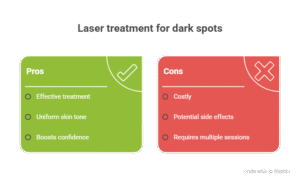
Pros and Cons of Laser On Face For Dark Spots
Weighing the advantages and disadvantages is important when considering any cosmetic procedure.
Pros:
- Highly Effective: Lasers can significantly reduce or eliminate stubborn dark spots that topical treatments can’t touch.
- Precise Targeting: Laser technology allows for very precise treatment, minimizing damage to surrounding healthy skin.
- Faster Results: Compared to creams, visible improvement is often seen much quicker, sometimes after just one or two sessions.
- Improved Skin Texture: Many lasers also stimulate collagen production, leading to overall smoother, more refined skin texture and tone.
- Versatile: Can treat various types of hyperpigmentation and be combined with other treatments.
Cons:
- Cost: Laser treatments can be expensive, and they are typically not covered by insurance. Multiple sessions further increase the overall cost.
- Downtime: Depending on the laser type and intensity, there can be redness, swelling, and temporary darkening/crusting, requiring social downtime.
- Potential Side Effects: Risks include temporary redness, swelling, blistering, bruising, infection, and, more seriously, post-inflammatory hyperpigmentation (especially in darker skin types or with improper settings), hypopigmentation, or scarring.
- Multiple Sessions Required: Most individuals need a series of treatments to achieve desired results.
- Not Permanent: While existing spots are removed, new ones can form with continued sun exposure or hormonal changes, necessitating ongoing maintenance and strict sun protection.
- Pain/Discomfort: While numbing creams are used, some discomfort during the procedure is common.
Maintaining Your Results and Alternative Treatments
Achieving clear skin with laser on face for dark spots is a fantastic step, but maintaining those results requires ongoing effort.
Key for Long-Term Maintenance:
- Strict Sun Protection: This cannot be stressed enough. Daily use of broad-spectrum SPF 30+ sunscreen, reapplying every two hours when outdoors, wearing hats, and seeking shade are crucial to prevent new spots and protect treated skin.
- Consistent Skincare Routine: Incorporate ingredients known to inhibit melanin production, such as Vitamin C, niacinamide, and gentle retinoids (once skin is fully healed and with professional guidance).
- Regular Follow-Ups: Periodic maintenance treatments, whether laser or other modalities, may be recommended by your dermatologist.
Alternatives to Laser Treatment for Dark Spots:
For those not ready for or not suitable for laser on face for dark spots, several other options exist:
- Topical Agents: Hydroquinone (prescription-strength), retinoids, Vitamin C, azelaic acid, kojic acid, and alpha arbutin can help lighten dark spots over time.
- Chemical Peels: Medical-grade chemical peels use acids to exfoliate the top layers of skin, shedding pigmented cells and encouraging new, healthier skin growth.
- Microdermabrasion/Dermaplaning: These physical exfoliation methods can help to gently remove superficial dark spots and improve skin texture.
Often, a combination of treatments, including professional procedures and a diligent home skincare regimen, yields the best and most sustainable results for combating hyperpigmentation.
Recommended Products
EltaMD UV Clear Broad-Spectrum SPF 46
A dermatologist-recommended, oil-free mineral sunscreen that’s gentle on sensitive skin and helps calm blemishes, perfect for post-laser protection.
Vanicream Daily Facial Moisturizer
A non-comedogenic, fragrance-free, and oil-free moisturizer ideal for keeping post-laser skin hydrated and comfortable without irritation.
La Roche-Posay Toleriane Hydrating Gentle Cleanser
A mild, soap-free cleanser that effectively removes impurities without stripping the skin’s natural moisture barrier, essential for delicate post-treatment skin.
SkinCeuticals C E Ferulic Serum
A powerful antioxidant serum (to be introduced *after* healing, consult your doctor) that helps protect against environmental damage and can improve the appearance of fine lines and uneven skin tone.
Frequently Asked Questions About Laser On Face For Dark Spots
Q1: Is laser treatment for dark spots painful?
A: The sensation varies depending on the type of laser, the treatment area, and individual pain tolerance. Most people describe it as a quick, hot snapping or rubber band flicking against the skin. Topical numbing creams are often applied before the procedure to minimize discomfort, making the treatment very tolerable for most patients.
Q2: How many laser sessions are typically needed to remove dark spots?
A: The number of sessions required for laser dark spot removal depends on several factors, including the type, depth, and size of the dark spots, as well as the laser technology used and your skin’s response. On average, most individuals need 2 to 4 sessions, spaced 4-6 weeks apart, to achieve optimal results. Some stubborn spots or conditions like melasma might require more.
Q3: What is the downtime after laser on face for dark spots?
A: Downtime varies significantly with the type of laser. For non-ablative lasers (like Q-switched, Picosecond, or IPL), downtime is usually minimal, ranging from a few hours of redness and swelling to a few days of mild darkening and flaking of the treated spots. Ablative fractional lasers, on the other hand, can involve more significant downtime, with redness, swelling, and crusting lasting up to a week or more.
Q4: How much does laser on face for dark spots cost?
A: The cost of laser on face for dark spots can vary widely based on the geographical location, the practitioner’s experience, the type of laser used, the size of the treatment area, and the number of sessions required. A single session can range from $200 to $800 or more. Since multiple sessions are typically needed, the total cost can be substantial. It’s best to get a detailed quote during your consultation.
Q5: Are the results of laser dark spot removal permanent?
A: Laser treatment effectively removes existing dark spots by targeting and breaking down the excess melanin. However, the results are not always permanent in the sense that new dark spots can form if the underlying causes (primarily sun exposure, hormonal changes, or inflammation) are not managed. Strict sun protection and a consistent skincare routine are crucial for maintaining your results and preventing new pigmentation.
Q6: Can laser treatment make dark spots worse?
A: While rare, especially with an experienced practitioner, laser treatment can potentially worsen dark spots, particularly in individuals with darker skin tones or if improper settings are used. This can manifest as post-inflammatory hyperpigmentation (PIH), where the skin produces more melanin in response to the laser’s heat or injury. This is why a thorough consultation and choosing a board-certified dermatologist are critical.
Conclusion: Embrace a Brighter, More Even Complexion
The journey to clearer, more even-toned skin can be a challenging one, but for many, laser on face for dark spots offers a powerful and effective solution. From stubborn sun spots to the complexities of melasma, modern laser technology provides precise targeting and impressive results that often surpass what topical treatments alone can achieve. We’ve explored the science behind these treatments, the various laser types, the treatment process, and the vital importance of post-care and sun protection.
While the prospect of investing in laser dark spot removal might seem daunting, the potential for a significant boost in confidence and a more radiant complexion is a compelling motivator. Remember that success hinges on choosing a qualified and experienced professional who can accurately diagnose your specific type of hyperpigmentation and recommend the most appropriate laser for your skin type. With the right approach and diligent aftercare, you can effectively diminish those unwelcome dark spots and reveal the bright, clear skin you’ve been longing for. Don’t let dark spots hold you back; explore the possibilities of laser treatment and take the first step towards a more luminous you.