
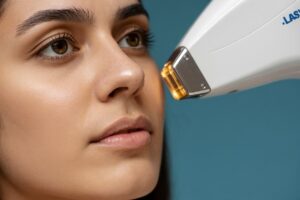
In the quest for flawless skin, understanding the options available is crucial. Laser therapy offers a targeted approach to diminish and often eliminate stubborn pigmentation, restoring an even tone and radiant glow. But what exactly does it involve? How effective is it? And is it the right solution for you? This comprehensive guide will delve deep into the world of laser treatment for dark spots on the face, exploring its mechanisms, benefits, potential risks, and what you can expect on your journey to clearer skin. Get ready to uncover the secrets to a more uniform and confident complexion.
Understanding Dark Spots and How Lasers Target Them
Before diving into the specifics of laser therapy, it’s essential to understand what dark spots, or hyperpigmentation, truly are. Dark spots occur when melanin, the pigment responsible for skin color, is overproduced in certain areas. Common causes include:
- Sun Exposure: The primary culprit, leading to sun spots, age spots, and freckles.
- Inflammation: Post-inflammatory hyperpigmentation (PIH) can result from acne, eczema, or injuries.
- Hormonal Changes: Melasma, often triggered by pregnancy or birth control, creates patchy areas of discoloration.
- Medications: Certain drugs can cause hyperpigmentation as a side effect.
Laser Therapy For Dark Spots On Face works by utilizing concentrated beams of light to target the excess melanin in these pigmented areas. This process, known as selective photothermolysis, allows the laser to precisely heat and break down the melanin particles without significantly damaging the surrounding healthy skin. Once shattered, these tiny melanin fragments are naturally cleared away by the body’s immune system, leading to a lightening or complete disappearance of the dark spot.
Types of Lasers Used for Pigmentation Removal
The world of laser technology is diverse, with different types of lasers optimized for various skin concerns and pigment depths. When considering facial dark spot removal, your dermatologist might recommend one of the following:
Q-Switched Lasers (Nd:YAG, Ruby, Alexandrite)
These lasers deliver very short, high-energy pulses of light. They are highly effective for targeting discrete dark spots, sun spots, freckles, and even tattoos. The rapid energy burst shatters melanin with minimal heat diffusion, making them a popular choice for deeper pigmentation.
Picosecond Lasers
An evolution of Q-switched technology, picosecond lasers deliver even shorter pulses (in picoseconds, trillionths of a second). This ultra-fast delivery creates a photoacoustic effect that shatters pigment into even tinier particles, which can be cleared more efficiently. They are often preferred for stubborn pigmentation and can be safer for a wider range of skin types due to less thermal energy.
Fractional Lasers (Ablative and Non-Ablative)
Fractional lasers create microscopic channels in the skin, stimulating collagen production and encouraging the skin to shed pigmented cells. They treat a fraction of the skin at a time, leaving surrounding tissue intact for faster healing.
- Ablative Fractional Lasers (e.g., CO2, Erbium): Remove the outer layers of skin, offering dramatic results for severe pigmentation, wrinkles, and texture issues, but with more downtime.
- Non-Ablative Fractional Lasers (e.g., Fraxel Restore): Heat the underlying skin tissue without removing the surface, resulting in less downtime but often requiring more sessions for pigmentation improvement.
Intense Pulsed Light (IPL) – A Related Treatment
While often grouped with lasers, IPL is technically not a laser. It uses a broad spectrum of light with multiple wavelengths to target various chromophores (like melanin and hemoglobin). IPL is excellent for treating sun spots, freckles, and general redness (rosacea), offering a gentler approach with minimal downtime. It’s a fantastic option for overall skin tone improvement and often considered for milder pigmentation issues.
The Benefits and Risks of Laser Therapy for Dark Spots
Deciding on pigmentation laser removal involves weighing the potential benefits against the possible risks. It’s a powerful tool, but not without its considerations.
Key Benefits of Laser Therapy
- Precision: Lasers can specifically target pigmented areas, leaving surrounding skin unharmed.
- Effectiveness: Capable of significantly reducing or eliminating even stubborn dark spots that creams can’t touch.
- Speed: Many sessions are relatively quick, often lasting only 15-30 minutes.
- Improved Skin Tone and Texture: Beyond just removing spots, some lasers can also stimulate collagen, leading to overall skin rejuvenation.
- Long-lasting Results: Once cleared, these spots are unlikely to return if proper sun protection is maintained.
Potential Risks and Side Effects
While generally safe when performed by a qualified professional, remove dark spots with laser treatments do carry some risks:
- Redness and Swelling: Common immediately after treatment, typically subsiding within a few hours to a few days.
- Temporary Darkening: Treated spots may appear darker initially before flaking off. This is a normal part of the healing process.
- Crusting or Scabbing: Small scabs may form over treated areas, which should be allowed to heal naturally.
- Blistering: Rare, but can occur, especially with more aggressive treatments or sensitive skin.
- Hypopigmentation (Lightening) or Hyperpigmentation (Darkening): More common in darker skin types or if settings are too aggressive. This can be temporary or, in rare cases, permanent.
- Scarring: Extremely rare with modern lasers and proper technique.
- Infection: A risk if proper aftercare instructions are not followed.
It is crucial to discuss these risks thoroughly with your practitioner, especially if you have a darker skin tone or a history of keloid scarring.
The Laser Therapy Process: What to Expect
Embarking on laser treatment for hyperpigmentation involves several stages, from initial consultation to aftercare.
1. The Initial Consultation
This is the most critical step. A board-certified dermatologist or licensed medical aesthetician will:
- Assess Your Skin: Determine your skin type (Fitzpatrick scale), the type of dark spots, their depth, and overall skin health.
- Discuss Your Medical History: Review any medications you’re taking, previous skin treatments, and any conditions that might contraindicate laser therapy (e.g., pregnancy, certain autoimmune diseases, history of cold sores).
- Explain the Procedure: Detail the specific laser recommended, what to expect during and after treatment, and potential risks.
- Manage Expectations: Discuss the number of sessions likely needed and the probable outcome.
2. Preparation Before Your Session
Your provider will give specific instructions, which often include:
- Avoid Sun Exposure: Stay out of direct sun and use broad-spectrum SPF for at least 2-4 weeks prior. Tanned skin increases the risk of complications.
- Discontinue Certain Products: Stop using retinoids, AHAs, BHAs, and other exfoliating agents 1-2 weeks before treatment.
- Avoid Self-Tanners: Ensure no residual self-tanner is on the skin.
- Hydrate: Keep your skin well-hydrated.
3. During the Laser Treatment
On the day of your appointment:
- Cleansing: Your face will be thoroughly cleansed.
- Numbing Cream (Optional): A topical anesthetic may be applied to minimize discomfort, especially for more intense treatments.
- Eye Protection: You and your practitioner will wear protective eyewear.
- The Laser Application: The laser handpiece will be moved over the targeted areas. You might feel a sensation often described as a rubber band snap or a quick prickling sensation. Many devices also incorporate cooling systems to enhance comfort.
- Duration: A typical session for facial dark spots can range from 15 to 45 minutes, depending on the size and number of areas being treated.
4. Aftercare and Recovery
Proper aftercare is vital for optimal results and to minimize side effects:
- Sun Protection: This is paramount. Use a broad-spectrum sunscreen with SPF 30+ daily and reapply often. Wear hats and seek shade.
- Gentle Skincare: Cleanse with a mild, non-irritating cleanser and apply a soothing, fragrance-free moisturizer.
- Avoid Irritants: Steer clear of harsh exfoliants, retinoids, and strong active ingredients for at least 1-2 weeks, or as advised by your practitioner.
- Cold Compresses: Apply cool compresses to reduce swelling and discomfort.
- No Picking: Allow any scabs or darkened spots to flake off naturally. Picking can lead to scarring or infection.
- Follow-up Appointments: Adhere to your practitioner’s schedule for follow-up sessions, typically spaced 3-4 weeks apart.
How Much Does Laser Therapy For Dark Spots On Face Cost?
The cost of laser therapy for dark spots on face can vary significantly based on several factors, including:
- Type of Laser Used: More advanced or specialized lasers might cost more per session.
- Size and Number of Areas Treated: Treating a few small spots will be less expensive than a full-face treatment.
- Geographic Location: Prices can differ between urban and rural areas, and across different states.
- Practitioner’s Experience: Highly experienced, board-certified dermatologists may charge more.
- Number of Sessions Required: Most people need multiple sessions (typically 2-5) to achieve optimal results, which adds to the overall cost.
In the USA, a single session of laser treatment for dark spots on the face can range from $200 to $800 or more. IPL treatments might be on the lower end, while fractional ablative lasers could be on the higher end per session. Since most cosmetic procedures are not covered by insurance, it’s important to factor this into your budget.
Choosing the Right Provider for Laser Therapy
The success and safety of your laser therapy for dark spots on face largely depend on the expertise of your provider. Here’s what to look for:
- Board-Certified Dermatologist: This is the gold standard. They have extensive training in skin anatomy, conditions, and laser physics.
- Experience with Pigmentation: Ensure they have specific experience treating dark spots and hyperpigmentation, especially on your skin type.
- Advanced Technology: A reputable clinic will invest in a range of modern, well-maintained laser devices.
- Before-and-After Photos: Ask to see their portfolio of previous patients with similar concerns.
- Transparent Consultation: A good provider will conduct a thorough consultation, explain all aspects of the treatment, and honestly discuss risks and expected outcomes.
- Reviews and Reputation: Check online reviews and ask for recommendations.
Recommended Products for Post-Laser Skincare
After your laser treatment, your skin will be more sensitive and vulnerable. Using gentle, hydrating, and protective skincare products is crucial for optimal healing and maintaining your results. Here are some natural suggestions to support your skin’s recovery:
CeraVe Hydrating Facial Cleanser
A gentle, non-foaming cleanser that effectively removes impurities without stripping the skin’s natural moisture barrier, ideal for post-laser sensitivity.
La Roche-Posay Toleriane Double Repair Face Moisturizer
This moisturizer helps restore the skin’s barrier after treatment, providing hydration and soothing discomfort with ingredients like niacinamide and ceramides.
EltaMD UV Clear Broad-Spectrum SPF 46
A cult-favorite sunscreen recommended by dermatologists, offering broad-spectrum protection with zinc oxide and niacinamide, perfect for sensitive and post-procedure skin.
Frequently Asked Questions About Laser Therapy For Dark Spots On Face
Is laser therapy for dark spots painful?
The sensation during laser therapy for dark spots on face is often described as a quick rubber band snap or a warm pinprick. While not entirely painless, it’s generally well-tolerated. Many clinics use topical numbing creams, and some laser devices incorporate built-in cooling systems to enhance comfort during the procedure.
How many laser sessions are needed to remove dark spots?
The number of sessions required varies depending on the type and depth of the dark spots, the laser used, and your individual skin’s response. Most people require 2 to 5 sessions, spaced 3-4 weeks apart, to achieve optimal results. Your dermatologist will provide a personalized treatment plan during your consultation.
What is the downtime after laser treatment for dark spots?
Downtime varies significantly with the type of laser. For gentler treatments like IPL or some Q-switched lasers, downtime might be minimal (a few hours of redness). For more aggressive fractional lasers, you could experience redness, swelling, and peeling for 3-7 days. Treated dark spots will often darken before flaking off within 1-2 weeks. Your provider will give you a clear expectation based on your specific treatment.
Is laser therapy safe for all skin types?
Modern laser technology has made treatments safer for a wider range of skin types, but caution is still advised. Individuals with darker skin tones (Fitzpatrick IV-VI) have a higher risk of post-inflammatory hyperpigmentation or hypopigmentation if the wrong laser or settings are used. It is absolutely crucial to choose an experienced, board-certified dermatologist who has expertise in treating diverse skin tones.
Can dark spots come back after laser removal?
Once successfully treated, the specific melanin particles removed by the laser are gone permanently. However, new dark spots can form if your skin is re-exposed to the triggers, primarily unprotected sun exposure. Consistent use of broad-spectrum sunscreen and protective measures (hats, shade) is essential to maintain your results and prevent new pigmentation from developing.
How long does it take to see results from laser dark spot removal?
You might notice some initial darkening of the spots within a few days, followed by gradual lightening as the treated pigment sheds. Visible improvement can often be seen within 1-2 weeks after your first session, with continued improvement after subsequent treatments. Full results are typically apparent a few weeks after your final session.
Conclusion: A Brighter Future with Laser Therapy For Dark Spots On Face
Dealing with dark spots on your face can be a journey of frustration, but Laser Therapy For Dark Spots On Face offers a powerful and effective pathway to a clearer, more even complexion. From sun spots and age spots to stubborn melasma and post-inflammatory hyperpigmentation, advanced laser technologies provide targeted solutions that creams and serums simply cannot match. By precisely breaking down excess melanin, these treatments help to reveal the radiant skin underneath, boosting confidence and enhancing your natural beauty.
While the prospect of laser treatment may seem daunting, understanding the process, its benefits, and potential considerations is the first step. Remember, the key to a successful outcome lies in choosing a qualified and experienced professional who can tailor a treatment plan specifically for your skin type and concerns. With proper preparation, diligent aftercare, and a commitment to sun protection, you can achieve remarkable and lasting results. Embrace the possibility of clearer skin and consult a dermatologist today to see if laser therapy is the right choice for your journey to a more luminous you.
“`