
Dark spots on the face can be a source of frustration for many, affecting self-confidence and leading to an uneven skin tone. Whether they’re stubborn sun spots, lingering acne marks, or patchy melasma, these pigmentations often feel impossible to erase with standard skincare. This is where advanced solutions like laser treatment step in, offering a powerful way to achieve a clearer, more radiant complexion. However, a common question immediately arises for anyone considering this popular cosmetic procedure: what is the Laser Treatment For Dark Spots On Face Price?
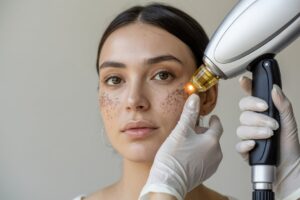
Understanding the cost associated with laser treatment for dark spots on the face is crucial for planning and making an informed decision. It’s not a one-size-fits-all figure, as various factors significantly influence the final price. This comprehensive guide will delve deep into everything you need to know about the Laser Treatment For Dark Spots On Face Price, exploring the different types of dark spots, how laser technology works, the factors that determine cost, average price ranges in the USA, and what to expect during and after your treatment. By the end, you’ll have a clear picture of the investment required for achieving the smooth, spot-free skin you desire.
Understanding Dark Spots: What Causes Them?
Before diving into the specifics of laser treatment, it’s helpful to understand the different types of dark spots (hyperpigmentation) that commonly appear on the face. Knowing the cause can sometimes influence the most effective treatment approach.
Melasma
Often referred to as the “mask of pregnancy,” melasma appears as symmetrical, patchy areas of brown or grayish-brown discoloration, typically on the cheeks, forehead, chin, and upper lip. It’s primarily triggered by hormonal changes (pregnancy, birth control pills) combined with sun exposure.
Sun Spots (Age Spots/Solar Lentigines)
These are flat, typically brown or black spots that develop on sun-exposed areas of the skin, including the face. Caused by years of cumulative sun exposure, they are common in individuals over 40 but can appear earlier. They are a direct result of damage to skin cells that produce melanin.
Post-Inflammatory Hyperpigmentation (PIH)
PIH occurs after an injury or inflammation to the skin, such as acne, eczema, or even a scratch. As the skin heals, it can produce excess melanin, leaving behind a flat spot that can range in color from pink to red, brown, or black. This is particularly common after acne breakouts.
Freckles (Ephelides)
Small, flat, light brown spots that often appear in clusters on sun-exposed skin. Freckles are genetically determined and tend to darken with sun exposure and fade in its absence. While generally harmless, some individuals prefer to lighten them for a more even complexion.
How Does Laser Treatment for Dark Spots Work?
Laser treatment uses concentrated beams of light to target and break down the excess melanin that forms dark spots. The light energy is absorbed by the pigment, heating it up and shattering it into tiny particles that the body’s immune system then naturally clears away. This process leaves the surrounding skin untouched.
Popular Laser Types for Pigmentation
Several types of lasers are effective for treating dark spots, each with slightly different mechanisms and suitability for various skin types and pigmentations.
- Q-Switched Lasers (e.g., Nd:YAG, Ruby, Alexandrite): These lasers deliver very short, high-energy pulses of light that are excellent at shattering pigment into tiny fragments. They are highly effective for sun spots, freckles, and some types of melasma.
- Picosecond Lasers (e.g., PicoSure, PicoWay): Even faster than Q-switched lasers, picosecond lasers deliver energy in picosecond pulses (trillionths of a second). This ultra-fast delivery creates a photoacoustic effect, shattering pigment with less heat, making them often safer for darker skin tones and more effective for stubborn pigment like melasma.
- IPL (Intense Pulsed Light): While technically not a laser (it uses a broad spectrum of light), IPL is frequently used to treat superficial dark spots, sun damage, and redness. It’s often a good entry-level treatment for overall skin rejuvenation and evening out tone.
- Fractional Lasers (e.g., Fraxel): These lasers create microscopic treatment zones in the skin, stimulating collagen production and encouraging the skin to shed pigmented cells. They are effective for deeper pigmentation, melasma, and also improve skin texture and fine lines.
What Determines the Laser Treatment For Dark Spots On Face Price?
The cost of laser treatment for dark spots on the face is influenced by a multitude of factors. Understanding these can help you anticipate the overall investment.
Type of Laser Technology Used
Different lasers come with varying price tags due to their technology, effectiveness, and precision. Advanced picosecond lasers or fractional lasers, for instance, often command a higher price per session than IPL or older Q-switched technologies due to their superior results and potentially fewer required sessions.
Number of Sessions Required
Rarely is a single session enough to completely eliminate dark spots. Most patients require a series of treatments, typically 3 to 6 sessions, spaced several weeks apart. The total Laser Treatment For Dark Spots On Face Price will be the cost per session multiplied by the number of sessions needed. This is a significant factor in the overall expense.
Size and Severity of Dark Spots
Treating a few small sun spots on the cheek will be less expensive than addressing widespread melasma across the entire face. The size of the treatment area and the depth/darkness of the pigmentation directly impact the time and energy required for each session, thus influencing the price.
Clinic’s Location and Reputation
Prices for cosmetic procedures can vary significantly by geographical location. Clinics in major metropolitan areas or affluent neighborhoods in the USA typically charge more than those in smaller towns. The reputation and prestige of the clinic, as well as the amenities offered, can also affect pricing.
Practitioner’s Expertise
Highly experienced and board-certified dermatologists or plastic surgeons who specialize in laser treatments may charge more for their services. Their expertise ensures safer, more effective results and minimizes the risk of complications, making the additional cost often worthwhile.
Included Consultations and Aftercare
Some clinics include the initial consultation fee in the overall treatment package, while others charge separately. Similarly, post-treatment care products or follow-up appointments might be bundled or offered à la carte. Always clarify what is included in the quoted Laser Treatment For Dark Spots On Face Price.
The Average Laser Treatment For Dark Spots On Face Price in the USA
While exact figures vary widely, here’s a general idea of what you might expect for the Laser Treatment For Dark Spots On Face Price per session in the United States:
- IPL (Intense Pulsed Light): $200 – $600 per session. Often requires 3-5 sessions.
- Q-Switched Lasers: $300 – $700 per session. Typically needs 3-6 sessions.
- Picosecond Lasers (PicoSure, PicoWay): $500 – $1000+ per session. May require fewer sessions (2-4) for comparable results to Q-switched.
- Fractional Lasers (e.g., Fraxel): $700 – $1500+ per session. Usually 1-3 sessions for significant improvement, but can be more.
Total estimated cost for a full course of treatment can range from $800 to $4,000 or more, depending on the laser used, the number of sessions, and individual factors. Remember, these are averages, and your personalized quote will come after a thorough consultation.
Is Laser Treatment for Dark Spots Worth the Investment? (Pros & Cons)
Considering the significant Laser Treatment For Dark Spots On Face Price, it’s natural to weigh the benefits against the drawbacks.
Benefits (Pros)
- Highly Effective: Lasers can significantly reduce or even eliminate many types of dark spots that resist topical treatments.
- Precision: Lasers can target pigment very precisely, minimizing damage to surrounding healthy skin.
- Relatively Quick: Sessions are typically short, ranging from 15 to 45 minutes.
- Minimal Downtime (for non-ablative): Many non-ablative lasers allow for a quick return to daily activities, with only temporary redness or swelling.
- Improved Skin Texture: Some lasers, especially fractional ones, can also improve overall skin texture, tone, and stimulate collagen production.
Considerations (Cons)
- Cost: As discussed, the Laser Treatment For Dark Spots On Face Price can be substantial, and it’s generally not covered by insurance.
- Multiple Sessions: Achieving optimal results almost always requires a series of treatments.
- Potential Side Effects: Temporary redness, swelling, bruising, and a temporary darkening of the spots before they fade are common. Rarer but possible side effects include blistering, infection, scarring, or post-inflammatory hyperpigmentation (especially in darker skin types if not performed correctly).
- Sun Sensitivity: Treated skin will be more sensitive to the sun, requiring diligent sun protection to prevent new spots and protect results.
- Not Suitable for All Skin Types: Individuals with darker skin tones need very careful assessment and specific laser types to minimize the risk of hyperpigmentation or hypopigmentation.
Preparing for Your Laser Treatment Session
Proper preparation is key to ensuring the safety and effectiveness of your laser treatment.
Initial Consultation
This is the most critical step. A qualified dermatologist or aesthetic practitioner will examine your skin, identify the type of dark spots, discuss your medical history, and determine if you are a suitable candidate for laser treatment. They will explain the specific laser recommended, the expected number of sessions, potential risks, and provide a personalized Laser Treatment For Dark Spots On Face Price quote.
Pre-Treatment Care
- Avoid Sun Exposure: Stay out of direct sunlight and use broad-spectrum sunscreen diligently for at least 2-4 weeks before treatment. Tanned skin can increase the risk of complications.
- Discontinue Certain Products: You may be advised to stop using retinoids, alpha hydroxy acids (AHAs), beta hydroxy acids (BHAs), or other exfoliating agents for a week or two prior to your session.
- Avoid Blood Thinners: If medically safe, avoid aspirin, ibuprofen, and other blood-thinning medications for a few days before treatment to minimize bruising.
- Inform Your Practitioner: Disclose any medications, supplements, or medical conditions, especially a history of cold sores, as antiviral medication may be prescribed.
Aftercare and Maintaining Your Results
Post-treatment care is vital for proper healing and preserving the results of your investment in the Laser Treatment For Dark Spots On Face Price.
Sun Protection is Key
This cannot be stressed enough. After laser treatment, your skin will be more vulnerable to sun damage. Use a broad-spectrum sunscreen with an SPF of 30 or higher daily, wear wide-brimmed hats, and seek shade, especially during peak sun hours. This prevents new spots and protects the treated areas.
Gentle Skincare Routine
For several days to weeks post-treatment, use a mild cleanser and a gentle, hydrating moisturizer. Avoid harsh exfoliants, retinoids, or other active ingredients unless specifically advised by your practitioner. Allow any temporary crusting or flaking to resolve naturally.
Follow-Up Sessions
Adhere to your practitioner’s recommended schedule for follow-up appointments. These sessions are crucial for achieving optimal results and addressing any concerns.
Recommended Aftercare Products
While laser treatment is a professional procedure, proper at-home care with high-quality, gentle products is essential for optimal healing and maintaining your results. These suggestions focus on protecting and soothing your skin post-treatment.
EltaMD UV Clear Broad-Spectrum SPF 46
A highly recommended, lightweight, mineral-based sunscreen perfect for post-laser sensitive skin, helping to prevent further pigmentation.
CeraVe Hydrating Facial Cleanser
A gentle, non-foaming cleanser that effectively cleanses without stripping the skin’s natural moisture barrier, ideal for delicate post-laser skin.
Vanicream Moisturizing Cream
A rich, non-irritating, fragrance-free cream that provides intense hydration, crucial for healing and soothing treated skin.
Alternative and Complementary Treatments
While laser treatment is powerful, it’s not the only option, and sometimes a combination approach yields the best results. These can also be more budget-friendly alternatives to consider before exploring the full Laser Treatment For Dark Spots On Face Price.
Topical Creams
- Hydroquinone: A strong skin-lightening agent, available by prescription.
- Retinoids (Tretinoin, Retinol): Promote cell turnover, helping to shed pigmented cells.
- Vitamin C, Niacinamide, Kojic Acid, Azelaic Acid: Over-the-counter ingredients that can help inhibit melanin production and brighten skin.
Chemical Peels
Professional chemical peels use acids to exfoliate the top layers of skin, removing pigmented cells and encouraging new, even-toned skin to surface. They can be very effective for superficial dark spots.
Microdermabrasion
A less invasive exfoliating procedure that uses tiny crystals or a diamond-tipped wand to gently abrade the surface of the skin, helping to lighten superficial dark spots over time.
Frequently Asked Questions About Laser Treatment For Dark Spots On Face Price
Q1: Is laser treatment permanent for dark spots?
For many types of dark spots, such as sun spots and freckles, the results of laser treatment can be permanent. However, for conditions like melasma, which are influenced by hormones and sun exposure, while laser treatment can significantly reduce pigmentation, recurrence is possible. Vigilant sun protection and maintenance treatments are crucial to prevent new spots from forming.
Q2: How many laser sessions do I need?
The number of sessions varies greatly depending on the type and depth of the dark spots, the laser used, and individual skin response. Most patients require anywhere from 2 to 6 sessions, spaced 3-4 weeks apart, to achieve optimal results. Your practitioner will provide a personalized estimate during your consultation, which directly impacts the overall Laser Treatment For Dark Spots On Face Price.
Q3: Does laser treatment for dark spots hurt?
Most patients describe the sensation as a quick snap or flick, similar to a rubber band snapping against the skin. Discomfort is generally mild and tolerable. Many clinics use topical numbing cream before the procedure, and some lasers have built-in cooling systems to enhance comfort. Pain tolerance is subjective, but it’s usually not described as severely painful.
Q4: What’s the downtime after laser treatment?
Downtime depends on the type of laser used. Non-ablative lasers (like Q-switched, Pico, IPL) typically have minimal downtime, with most people experiencing redness, mild swelling, and temporary darkening of the treated spots for a few days to a week. Ablative and more aggressive fractional lasers can have longer downtimes, with more pronounced redness, swelling, and peeling lasting 1-2 weeks.
Q5: Can laser treatment make dark spots worse?
If performed incorrectly or on an unsuitable skin type, especially darker tones, laser treatment can potentially worsen hyperpigmentation (post-inflammatory hyperpigmentation) or lead to hypopigmentation (lightening of the skin). This risk is significantly minimized by choosing a highly qualified and experienced practitioner who understands skin types and laser parameters.
Conclusion: Making an Informed Investment in Clearer Skin
Embarking on the journey to treat dark spots on your face with laser technology can be a highly effective path to achieving a more uniform and radiant complexion. While the Laser Treatment For Dark Spots On Face Price represents a significant investment, the potential for transformative results often makes it a worthwhile consideration for many. We’ve explored the common causes of dark spots, the science behind various laser types, and the key factors that influence the overall cost, from the technology chosen to the number of sessions required.
Remember that the average prices provided are just estimates; your personal quote will depend on an individualized assessment. The most crucial step is to seek a consultation with a board-certified dermatologist or a highly experienced aesthetic practitioner. They can accurately diagnose your skin condition, recommend the most appropriate laser, discuss potential risks, and provide a transparent breakdown of the Laser Treatment For Dark Spots On Face Price tailored to your specific needs. With proper preparation, a skilled practitioner, and diligent aftercare, you can confidently invest in clearer, healthier-looking skin and enjoy the boost in confidence that comes with it.