Dark spots, scientifically known as hyperpigmentation, are a common skin concern that can affect anyone, regardless of skin type or age. These unwelcome patches, ranging from light brown to black, often appear on the face, hands, and décolletage, making our skin look uneven and older than it is. While various creams and home remedies promise solutions, many find themselves searching for a more definitive and efficient approach to achieving clear, radiant skin.
Enter laser treatment to remove dark spots – a revolutionary solution that has transformed the landscape of dermatological aesthetics. This advanced medical procedure offers a targeted and highly effective way to diminish and often eliminate stubborn pigmentation, restoring confidence and an even skin tone. If you’ve been battling sun spots, age spots, melasma, or post-inflammatory hyperpigmentation, understanding the power of laser technology could be your next step towards a clearer complexion.
In this comprehensive guide, we’ll delve deep into everything you need to know about laser treatment for dark spots. We’ll explore how these treatments work, the different types of lasers available, their benefits, potential risks, what to expect during recovery, and essential aftercare tips. Get ready to uncover the science and practical advice behind achieving visibly brighter and more uniform skin.
Understanding Dark Spots and Hyperpigmentation
Before we explore the solutions, it’s crucial to understand what causes dark spots. These pigmented areas result from an overproduction of melanin, the natural pigment that gives skin its color. When melanin is produced in excess, it clumps together, forming the visible spots we call hyperpigmentation.
What Causes Dark Spots?
Several factors can trigger this melanin overproduction:
- Sun Exposure: The most common cause. UV radiation stimulates melanocytes (melanin-producing cells) to produce more pigment as a protective mechanism, leading to sun spots, age spots, and freckles.
- Inflammation: Skin injuries, acne, eczema, or even aggressive exfoliation can leave behind dark spots once the inflammation subsides. This is known as post-inflammatory hyperpigmentation (PIH).
- Hormonal Changes: Fluctuations in hormones, often seen during pregnancy or due to certain medications (like birth control pills), can lead to melasma, characterized by larger, blotchy patches.
- Medications: Some drugs can increase photosensitivity or directly cause pigmentation changes.
While topical creams can help lighten spots over time, their efficacy is often limited, especially for deeper or more stubborn pigmentation. This is where laser treatment to remove dark spots shines as a powerful alternative.
How Laser Treatment Works to Remove Dark Spots
The core principle behind laser dark spot removal is selective photothermolysis – using specific wavelengths of light to target and destroy melanin without harming surrounding skin tissue. The laser emits concentrated light energy that is absorbed by the melanin in the dark spots. This energy converts into heat, shattering the pigment into tiny particles that the body’s immune system then naturally clears away.
Common Types of Lasers for Dark Spot Removal
Different types of lasers are employed for various kinds of dark spots and skin tones. A qualified dermatologist will determine the best option for you:
- Q-Switched Lasers (e.g., Q-switched Nd:YAG, Ruby): These deliver very short, high-energy pulses of light. They are highly effective for targeting discrete dark spots like sun spots, age spots, and some types of birthmarks and tattoos. They excel at breaking down pigment particles.
- Picosecond Lasers (e.g., PicoSure, PicoWay): Even faster than Q-switched lasers, picosecond lasers deliver energy in picosecond pulses (trillionths of a second). This ultra-fast delivery creates a photoacoustic effect that shatters pigment into even smaller particles, often requiring fewer sessions and being gentler on the skin, making them suitable for a wider range of skin types, including darker tones, and effective for stubborn melasma.
- Intense Pulsed Light (IPL): While technically not a laser (it uses broad-spectrum light), IPL is often grouped with laser treatments for pigmentation. It’s effective for widespread sun damage, freckles, and general uneven skin tone. IPL works by emitting multiple wavelengths of light that are absorbed by melanin and hemoglobin (redness).
- Fractional Lasers (e.g., Fraxel, CO2 Fractional): These lasers create microscopic treatment zones in the skin, stimulating collagen production and encouraging the skin to shed pigmented cells. They are excellent for improving overall skin texture, tone, and can address deeper pigmentation issues, including some forms of melasma, by resurfacing the skin.
What to Expect During a Session
A typical laser treatment to remove dark spots session involves several steps:
- Consultation: A thorough skin analysis by a board-certified dermatologist is crucial. They will assess your skin type, the nature of your dark spots, and your medical history to determine the most suitable laser and treatment plan.
- Preparation: The area to be treated will be cleansed, and protective eyewear will be provided. A topical numbing cream may be applied to minimize discomfort, though many find the sensation tolerable without it.
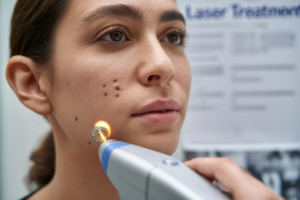
- Procedure: The practitioner will guide the laser handpiece over the dark spots. You might feel a sensation often described as a rubber band snapping against the skin, or a quick, hot prickle. The duration depends on the size and number of spots being treated, usually ranging from a few minutes to half an hour.
- Post-Treatment: After the session, a soothing cream or cool compress may be applied. You will receive detailed aftercare instructions.
Benefits and Advantages of Laser Treatment for Dark Spots
Choosing laser treatment to remove dark spots offers several compelling advantages over traditional methods:
- Highly Effective: Lasers can significantly reduce or completely eliminate even stubborn dark spots that creams might not touch.
- Targeted Precision: The laser specifically targets melanin, leaving surrounding healthy skin largely unaffected.
- Improved Skin Tone and Texture: Beyond just removing spots, many laser treatments also stimulate collagen production, leading to overall smoother, brighter, and more youthful-looking skin.
- Relatively Quick Procedure: Most sessions are short, making it easy to fit into a busy schedule.
- Long-Lasting Results: With proper sun protection, the results of dark spot laser removal can be very durable.
Potential Risks and Considerations
While generally safe and effective, it’s important to be aware of potential side effects and considerations associated with laser treatment to remove dark spots:
- Temporary Side Effects: Immediately after treatment, you might experience redness, swelling, and a sensation similar to a mild sunburn. Dark spots may temporarily appear darker (like coffee grounds or peppered spots) before flaking off within 1-2 weeks.
- Post-Inflammatory Hyperpigmentation (PIH): This is a risk, especially for individuals with darker skin tones, where the skin can react to the laser by producing more pigment, leading to new dark spots. A skilled practitioner will use appropriate laser settings and pre/post-care to minimize this risk.
- Hypopigmentation: In rare cases, the laser can remove too much pigment, leading to lighter or white spots on the skin. This is why choosing an experienced professional is vital.
- Scarring: Extremely rare with modern lasers when performed correctly, but a potential risk with aggressive treatments or improper technique.
- Cost: The cost of laser treatment for dark spots can vary significantly based on the type of laser, the size of the treatment area, the number of sessions required, and the practitioner’s location and expertise. It’s generally considered an investment.
Preparing for Your Laser Treatment
Proper preparation is key to maximizing results and minimizing risks for your pigmentation laser removal.
Pre-Treatment Steps:
- Avoid Sun Exposure: Stay out of direct sunlight and use broad-spectrum sunscreen religiously for at least 2-4 weeks before your appointment. Tanned skin can absorb more laser energy, increasing the risk of side effects.
- Discontinue Certain Products: Your doctor may advise you to stop using retinoids, alpha hydroxy acids (AHAs), beta hydroxy acids (BHAs), and other exfoliating agents a week or two prior to treatment.
- Inform Your Doctor: Disclose all medications you are taking, any skin conditions, or history of cold sores, as these may require pre-treatment medication.
- Stay Hydrated: Drink plenty of water to keep your skin healthy.
Choosing the Right Practitioner
This is arguably the most critical step. Always seek a board-certified dermatologist or a plastic surgeon with extensive experience in laser treatments. They possess the knowledge to correctly diagnose your skin condition, select the appropriate laser, and use the safest and most effective settings for your skin type and concerns.
Aftercare and Recovery from Laser Dark Spot Removal
Post-treatment care is just as important as the procedure itself for optimal healing and results.
Immediate Post-Treatment Care:
- Cool Compresses: Apply cool compresses to reduce swelling and discomfort.
- Gentle Cleansing: Cleanse the treated area with a mild, non-irritating cleanser.
- Moisturize: Keep the skin well-moisturized with a gentle, fragrance-free cream to aid healing.
- Avoid Picking: Do not pick at any scabs or crusts that form; let them fall off naturally to prevent scarring.
Long-Term Skin Protection:
Sun protection is paramount to maintain your results and prevent new dark spots. Use a broad-spectrum sunscreen with SPF 30 or higher daily, even on cloudy days, and reapply every two hours when outdoors. Wear wide-brimmed hats and seek shade.
Expected Recovery Timeline:
Recovery varies depending on the laser used and individual healing, but generally:
- Days 1-3: Redness, swelling, and the treated spots may appear darker.
- Days 3-7: Dark spots begin to scab or flake off.
- Weeks 1-2: Most visible signs of recovery subside, revealing clearer skin underneath. Full results may take several weeks as your body continues to clear the pigment.
- Multiple Sessions: Most individuals require 2-5 sessions, spaced several weeks apart, to achieve optimal results, especially for stubborn or widespread pigmentation.
Recommended Products for Post-Laser Care
After undergoing laser treatment to remove dark spots, nurturing your skin with gentle, effective products is crucial for optimal healing and maintaining your results. Here are some categories of products that can be highly beneficial:
CeraVe Hydrating Facial Cleanser
A gentle, non-foaming cleanser that effectively removes impurities without stripping the skin’s natural moisture barrier, ideal for post-laser sensitive skin.
Vanicream Moisturizing Lotion
A dermatologist-recommended, fragrance-free, and non-comedogenic moisturizer perfect for soothing and hydrating sensitive, recovering skin after laser treatment.
EltaMD UV Clear Facial Sunscreen SPF 46
A broad-spectrum mineral sunscreen that’s lightweight, non-comedogenic, and specifically formulated for sensitive or acne-prone skin, essential for protecting treated areas from sun exposure.
Frequently Asked Questions About Laser Treatment for Dark Spots
Is laser treatment to remove dark spots painful?
Most patients describe the sensation during laser dark spot removal as tolerable discomfort, often compared to a rubber band snapping or quick pinpricks. The level of discomfort depends on the individual’s pain tolerance, the area being treated, and the type of laser used. Many clinics offer topical numbing creams to minimize any pain, making the experience more comfortable.
How many sessions are needed for dark spot laser removal?
The number of sessions required for effective dark spot laser removal varies greatly. Factors like the depth, size, and type of dark spot, your skin type, and the laser technology used all play a role. Typically, most individuals require between 2 to 5 sessions, spaced 3-4 weeks apart, to achieve optimal results. Your dermatologist will provide a personalized treatment plan during your consultation.
What is the cost of laser treatment for dark spots?
The cost of laser treatment for dark spots can range from a few hundred to several thousand dollars, depending on various factors. These include the size of the treatment area, the number of spots, the type of laser used, the number of sessions needed, and the geographical location and expertise of the clinic. It’s best to get a detailed quote during your initial consultation.
Can laser treatment remove all dark spots?
While laser treatment to remove dark spots is highly effective, it’s not always guaranteed to remove every single dark spot completely, especially if they are very deep or complex (like some forms of melasma). However, it can significantly lighten and reduce the appearance of most dark spots, leading to a much more even and clearer complexion. Realistic expectations are key, and your dermatologist will discuss what results you can expect.
Is laser treatment safe for all skin types?
Modern laser technologies have made laser treatment to remove dark spots much safer for a wider range of skin types, including darker complexions. However, individuals with darker skin tones have a higher risk of post-inflammatory hyperpigmentation (PIH). It is absolutely crucial to choose an experienced, board-certified dermatologist who is knowledgeable about treating diverse skin types and can select the most appropriate laser and settings to minimize risks.
Conclusion: Embracing a Brighter Future with Laser Treatment
Dark spots can be a persistent and frustrating skin concern, impacting not just our appearance but also our self-confidence. Fortunately, advancements in dermatology offer powerful solutions, with laser treatment to remove dark spots standing out as one of the most effective and efficient methods available today. By precisely targeting excess melanin, these innovative procedures can significantly diminish hyperpigmentation, revealing clearer, more uniform, and radiant skin.
Embarking on a journey with laser treatment for dark spots is a significant decision that requires careful consideration. It’s not just about the procedure itself, but also about choosing the right expert, understanding the process, and committing to diligent aftercare. A thorough consultation with a board-certified dermatologist is your first and most important step. They can assess your unique skin concerns, determine the most suitable laser technology, and guide you through every stage, ensuring the safest and most effective path to achieving your desired results.
With the right approach, patience, and a commitment to sun protection, laser treatment to remove dark spots can truly transform your complexion, helping you reclaim confidence and enjoy the beauty of clear, even-toned skin. Invest in your skin’s health and radiance – the results can be truly remarkable.