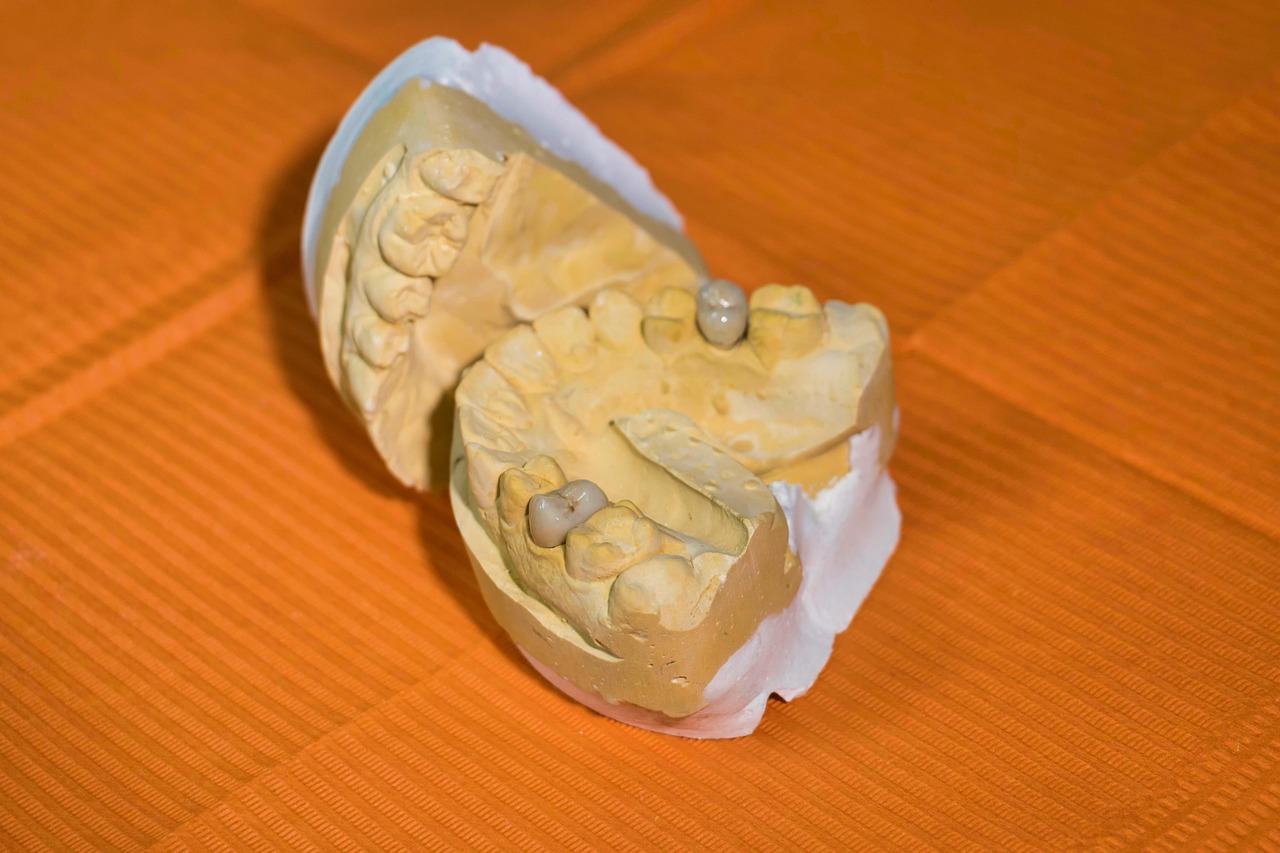
Discovering a dark spot on your molar can be alarming, often leading to immediate fears of a cavity. However, it’s a common misconception that every dark spot signifies tooth decay. Many individuals experience molar dark spots on teeth that aren’t cavities, and these non-carious discolorations have various benign causes. Understanding these distinctions is crucial for your peace of mind and proactive oral health management.

This guide will thoroughly explore the reasons behind these perplexing dark spots, helping you differentiate between harmless staining and potential issues. We’ll cover common culprits, provide tips for prevention, and explain when it’s essential to consult your dentist. Get ready to demystify those dark spots and empower yourself with knowledge about your dental well-being.
Understanding Molar Dark Spots That Aren’t Cavities
The immediate thought of a cavity upon seeing a dark spot on a molar is natural, given that decay often appears as discoloration. Molars, with their complex surfaces, are prone to both decay and staining. Yet, a dark spot doesn’t automatically mean a filling is needed. Numerous factors can lead to dark spots on molars that aren’t cavities, ranging from simple surface stains to anatomical features.
Cavity vs. Non-Cavity Dark Spot: Key Distinctions
Dentists use specific indicators to differentiate a cavity from a harmless dark spot:
- Texture: Cavities often feel soft or sticky when probed, indicating demineralization. Non-cavity spots typically feel hard and smooth.
- Progression: Cavities tend to enlarge and deepen over time. Non-cavity spots, especially stains, usually remain stable.
- Symptoms: Cavities can cause sensitivity or pain. Most non-cavity dark spots are asymptomatic.
- X-rays: Dental X-rays reveal decay not visible externally. Stains do not appear on X-rays.
While these distinctions are helpful, a definitive diagnosis always requires a dental professional.
Common Causes of Non-Cavity Dark Spots on Molars
Here are the most frequent reasons for molar dark spots on teeth that aren’t cavities:
Extrinsic Stains (Surface Stains)
These are the most common type, occurring on the tooth enamel’s outer surface due to external factors:
- Food and Drink: Coffee, tea, red wine, dark berries, and colas can deposit pigments on teeth, especially in molar grooves.
- Tobacco Use: Smoking or chewing tobacco is a primary cause of stubborn brown to black discoloration.
- Chromogenic Bacteria: Certain oral bacteria produce pigments that adhere to tooth surfaces, forming dark brown or black stains, more common in children.
- Poor Oral Hygiene: Inadequate brushing allows plaque and tartar to accumulate, absorbing stains and appearing dark.
Stained Grooves and Fissures
Molars have natural deep grooves and pits (fissures) on their chewing surfaces. These areas easily trap food particles and pigments, leading to dark lines or spots that resemble cavities. This “fissure staining” is a very common form of molar dark spots on teeth that aren’t cavities, even with good hygiene.
Dental Amalgam (Silver Fillings) Leaching
Old silver (amalgam) fillings can cause a grayish or bluish-black discoloration on the surrounding tooth structure. This occurs as metallic ions leach into the dentin. It’s usually a cosmetic issue, not new decay.
Enamel Hypoplasia or Hypomineralization
These developmental defects result in weaker or thinner enamel. Such areas can appear rough, pitted, or discolored (white, yellow, or brown initially). Over time, these compromised areas absorb stains more readily, leading to dark spots on molars that have been present since tooth eruption.
Tartar and Plaque Buildup
If plaque isn’t removed, it hardens into tartar (calculus). Tartar is porous and absorbs stains, appearing dark brown or black, especially near the gum line or in molar crevices. This buildup is a key contributor to dark spots on teeth and can lead to gum disease.
When to Worry: Differentiating Harmless Spots from Potential Issues
While many molar dark spots on teeth that aren’t cavities are benign, recognizing warning signs is crucial. Always seek professional assessment for any concerns.
Signs It Might Be a Cavity
Be vigilant if a dark spot is accompanied by any of these:
- Sensitivity: Discomfort from hot, cold, or sugary foods.
- Pain: A persistent toothache or sharp pain when biting.
- Rough Texture: The spot feels rough, sticky, or catches floss.
- Visible Hole: A noticeable opening or depression in the tooth.
- Progressive Change: The spot is growing larger or deepening in color.
- Bad Breath/Taste: Persistent bad breath or an unpleasant taste.
If these symptoms appear, schedule an immediate dental appointment.
The Role of Your Dentist
Your dentist is essential for accurate diagnosis. They use:
- Visual Examination: Thorough inspection with dental tools and lighting.
- Dental Probe: Checks tooth surface texture and hardness.
- X-rays: Detects decay between teeth or under fillings not visible externally.
- Transillumination: Bright light can reveal decay shadows.
Never attempt to self-diagnose complex issues. A professional opinion ensures proper treatment.
Prevention and Management of Molar Dark Spots
Preventing and managing molar dark spots on teeth that aren’t cavities primarily involves consistent oral hygiene and mindful lifestyle choices.
Optimized Oral Hygiene Practices
This is foundational for preventing stains and cavities:
- Brush Twice Daily: Use a soft-bristled brush and fluoride toothpaste. Focus on molar chewing surfaces. Electric toothbrushes are highly effective.
- Floss Daily: Remove food and plaque from between teeth and the gumline.
- Antimicrobial Mouthwash: Reduces bacteria contributing to plaque and stains.
- Tongue Cleaning: Removes bacteria for overall oral freshness.
Dietary Considerations
What you consume significantly affects tooth staining:
- Limit Staining Items: Reduce intake of coffee, tea, red wine, dark sodas, and pigmented fruits. Rinse your mouth with water or use a straw afterward.
- Stay Hydrated: Water washes away food particles and acids.
- Crunchy Produce: Apples, carrots, and celery can naturally scrub teeth.
Professional Dental Cleanings
Regular hygienist visits are vital. They remove stubborn plaque, tartar, and extrinsic stains that regular brushing misses, brightening your teeth.
Dental Sealants
For deep molar fissures, sealants are protective coatings applied to chewing surfaces. They prevent food and bacteria from trapping, reducing cavity and deep staining risk.
Consider Whitening Treatments (For Cosmetic Stains)
If dark spots are purely extrinsic stains and concern aesthetics, discuss professional whitening with your dentist. They can lighten tooth shade safely and effectively.
Regular Dental Check-ups
Routine check-ups (every six months) are non-negotiable. Your dentist can detect problems early, monitor existing spots, and offer personalized advice. Early detection prevents minor issues from escalating.
Recommended Products
Enhancing your oral hygiene routine with the right products can significantly help prevent and manage molar dark spots on teeth that aren’t cavities. Consider these helpful suggestions:
Electric Toothbrush for Plaque Removal
Offers superior plaque removal and helps reduce surface stains more effectively than manual brushing.
Stain-Removing Toothpaste
Formulated with gentle polishing agents to lift superficial stains, contributing to a brighter smile.
Water Flosser
Effectively cleans between teeth and below the gumline, dislodging food and plaque that cause stains.
Fluoride Mouthwash
Strengthens enamel and helps reduce bacteria that contribute to plaque and staining, offering extra protection.
Frequently Asked Questions About Molar Dark Spots
Q1: Can dark spots on molars that aren’t cavities ever turn into cavities?
<p