
Are you battling stubborn dark spots, hyperpigmentation, or an uneven skin tone? You’re not alone. Many people seek effective, natural solutions to achieve a clearer, more radiant complexion. While the market is flooded with chemical peels and high-tech serums, sometimes the best remedies come from nature itself. Enter papaya for dark spots a tropical fruit renowned not just for its delicious taste, but also for its remarkable skin-transforming properties.
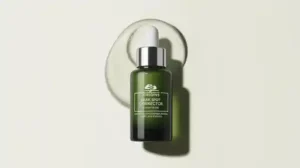
This comprehensive guide will delve into the science behind why papaya is a powerhouse for skin brightening, how to effectively incorporate it into your skincare routine through DIY masks and commercial products, and what to expect on your journey to a more even skin tone. Get ready to discover the magic of this humble fruit and unleash your skin’s natural glow, addressing those frustrating dark spots head-on.
The Science Behind Papaya’s Skin-Brightening Power
Papaya isn’t just a folk remedy; its effectiveness against dark spots is backed by science. This vibrant fruit is packed with enzymes, vitamins, and antioxidants that work synergistically to rejuvenate the skin and fade discoloration. Understanding these components helps us appreciate why papaya for dark spots is such a potent solution.
Key Enzymes: Papain and Chymopapain
At the heart of papaya’s skin-lightening abilities are its proteolytic enzymes: papain and chymopapain. These enzymes act as natural exfoliants. They break down inactive proteins and dissolve dead skin cells, which often accumulate on the surface and contribute to a dull complexion and visible dark spots. By gently sloughing off these dead cells, papain reveals fresher, brighter skin underneath and encourages cell turnover. This process is crucial for fading hyperpigmentation caused by sun damage, acne scars, or hormonal changes.
Alpha Hydroxy Acids (AHAs) and Vitamin C
Beyond its enzymes, papaya also contains naturally occurring Alpha Hydroxy Acids (AHAs). AHAs are a popular ingredient in chemical exfoliants, known for their ability to promote cell renewal and improve skin texture. They help to loosen the bonds between dead skin cells, making them easier to remove and further enhancing the skin’s natural exfoliation process. This gentle yet effective exfoliation helps to diminish the appearance of dark spots over time.
Furthermore, papaya is an excellent source of Vitamin C, a powerful antioxidant and a well-known skin brightener. Vitamin C helps to inhibit melanin production, the pigment responsible for dark spots, thereby preventing new spots from forming and lightening existing ones. It also protects the skin from free radical damage caused by UV exposure and pollution, which can exacerbate hyperpigmentation.
Antioxidant Properties
In addition to Vitamin C, papaya is rich in other antioxidants like beta-carotene and lycopene. These compounds combat oxidative stress, which can lead to premature aging and increased hyperpigmentation. By neutralizing free radicals, papaya helps maintain skin health, resilience, and an even tone, making it a holistic choice for addressing and preventing dark spots.
How to Use Papaya For Dark Spots: DIY Remedies
Harnessing the power of papaya for dark spots doesn’t require expensive products. Many effective remedies can be made right in your kitchen. Always remember to use ripe, fresh papaya for the best results.
1. Simple Papaya Pulp Mask
This is the most straightforward way to use papaya.
- Ingredients: A small piece of ripe papaya.
- Preparation: Mash a small cube of ripe papaya into a smooth pulp.
- Application: Apply the pulp directly to your clean face, focusing on areas with dark spots. Leave it on for 15-20 minutes.
- Rinse: Rinse thoroughly with lukewarm water.
- Frequency: Use 2-3 times a week.
2. Papaya and Honey Mask
Honey adds moisturizing and antibacterial properties, making this mask great for both dark spots and overall skin health.
- Ingredients: 2 tablespoons mashed ripe papaya, 1 tablespoon raw honey.
- Preparation: Mix the mashed papaya and honey until well combined.
- Application: Apply the mixture to your clean face and neck. Let it sit for 20 minutes.
- Rinse: Wash off with cool water.
- Frequency: 2 times a week.
3. Papaya and Lemon Juice Spot Treatment (Use with Caution!)
Lemon juice is known for its bleaching properties, but it can be very potent and increase photosensitivity. Use this method sparingly and always perform a patch test first.
- Ingredients: 1 tablespoon mashed ripe papaya, a few drops of fresh lemon juice.
- Preparation: Combine papaya pulp with a few drops of lemon juice.
- Application: Using a cotton swab, dab the mixture ONLY on your dark spots. Avoid applying to your entire face. Leave on for no more than 10 minutes.
- Rinse: Rinse thoroughly with cool water.
- Frequency: Once a week, and only at night.
- Important: Always apply sunscreen diligently the next day, as lemon juice makes your skin more sensitive to the sun.
4. Papaya and Yogurt Mask
Yogurt contains lactic acid (another AHA) which complements papaya’s exfoliating action, while its probiotics soothe the skin.
- Ingredients: 2 tablespoons mashed ripe papaya, 1 tablespoon plain yogurt.
- Preparation: Mix ingredients to form a smooth paste.
- Application: Apply evenly to your face and leave on for 15-20 minutes.
- Rinse: Rinse off with lukewarm water.
- Frequency: 2-3 times a week for effective fading of dark spots.
5. Papaya Enzyme Peel (DIY Version)
For a slightly more intensive treatment, combining papaya with pineapple can create a powerful enzyme peel.
- Ingredients: 1 tablespoon mashed ripe papaya, 1 tablespoon mashed fresh pineapple.
- Preparation: Blend or mash equal parts of papaya and pineapple until smooth.
- Application: Apply to clean skin for 10-15 minutes. You might feel a slight tingling sensation; if it becomes uncomfortable, rinse immediately.
- Rinse: Rinse off completely with cool water.
- Frequency: Once a week, due to its potent exfoliating action.
Integrating Papaya into Your Skincare Routine
To maximize the benefits of papaya for dark spots, it’s important to use it correctly and consistently.
Choosing the Right Papaya
For skincare, always opt for ripe papaya. Unripe (green) papaya contains a higher concentration of papain, which can be too harsh and irritating for the skin. Ripe papaya is softer, sweeter, and has a more balanced enzyme content suitable for topical application.
Patch Testing is Crucial
Before applying any papaya mask or treatment to your entire face, always perform a patch test. Apply a small amount of the mixture to an inconspicuous area of your skin (like behind your ear or on your inner arm) and wait 24 hours to check for any redness, irritation, or allergic reactions. This is especially important if you have sensitive skin or are prone to allergies.
Frequency and Duration of Use
Consistency is key when using papaya for dark spots. While results won’t appear overnight, regular use (2-3 times a week for most masks) over several weeks or months can yield noticeable improvements. Be patient and give your skin time to respond to the natural ingredients.
Sun Protection: An Absolute Must
Exfoliating ingredients like papain and AHAs can make your skin more sensitive to the sun. This means that after using papaya treatments, your skin is more vulnerable to UV damage, which can ironically worsen dark spots. Therefore, consistently applying a broad-spectrum sunscreen with an SPF of 30 or higher every morning, rain or shine, is non-negotiable. Reapply every two hours when outdoors.
Pros and Cons of Using Papaya For Dark Spots
Like any natural remedy, using papaya for dark spots comes with its own set of advantages and potential drawbacks.
The Bright Side: Benefits of Papaya
- Natural Exfoliation: Papain gently removes dead skin cells, revealing brighter skin.
- Fades Dark Spots: Enzymes and Vitamin C work together to lighten hyperpigmentation and even out skin tone.
- Antioxidant Protection: Helps protect skin from environmental damage and premature aging.
- Improves Skin Texture: Regular exfoliation leads to smoother, softer skin.
- Hydrating: Papaya contains water and can help keep skin moisturized.
- Cost-Effective: DIY remedies are generally more affordable than commercial products.
- Gentle Alternative: Often milder than synthetic chemical exfoliants, though patch testing is still vital.
Potential Drawbacks and Considerations
- Allergic Reactions: Some individuals may be allergic to papaya, leading to redness, itching, or swelling. Patch testing is crucial.
- Photosensitivity: The exfoliating action can make skin more susceptible to sun damage, necessitating strict sun protection.
- Inconsistent Potency: The enzyme content can vary between fruits, leading to inconsistent results compared to standardized commercial products.
- Messy Application: DIY masks can be messy to prepare and apply.
- Slower Results: Natural remedies often take longer to show significant results compared to professional treatments or potent synthetic ingredients.
- Risk of Irritation: Overuse, especially with unripe papaya or in combination with strong ingredients like lemon, can lead to irritation.
Beyond DIY: Commercial Papaya Skincare Products
If DIY isn’t your style or you’re looking for a more convenient option, the beauty market offers numerous products harnessing the benefits of papaya for dark spots. These products often combine papaya extract with other beneficial ingredients to enhance effectiveness and stability.
- Papaya Enzyme Cleansers: These gentle cleansers use papain to provide mild exfoliation, making them a great daily option for maintaining clear pores and a brighter complexion.
- Papaya Face Masks: Commercial masks often feature concentrated papaya extract, sometimes blended with clay, hyaluronic acid, or other fruit extracts, for a more intensive treatment.
- Papaya Serums and Creams: Serums and creams formulated with papaya extract aim to deliver the active ingredients deeper into the skin to target dark spots and promote overall radiance. Look for products that also contain Vitamin C, niacinamide, or other brightening agents for enhanced results.
- Papaya Enzyme Peels: These are typically stronger formulations designed to provide a more significant exfoliating effect, often used weekly or bi-weekly.
When choosing commercial products, look for formulations that clearly state “papaya enzyme” or “papaya extract” high on the ingredient list. Opt for brands with good reputations and consider products that are free from harsh chemicals, parabens, and artificial fragrances, especially if you have sensitive skin.
Recommended Products
Papaya Enzyme Face Mask
A rejuvenating mask that uses papaya enzymes to gently exfoliate and brighten skin, targeting dark spots and dullness.
Papaya Dark Spot Serum
Concentrated serum formulated with papaya extract and other brightening ingredients to diminish hyperpigmentation and promote an even skin tone.
Papaya Facial Cleanser
A daily cleanser infused with papaya enzymes to gently purify, exfoliate, and leave your skin feeling fresh and visibly brighter.
Frequently Asked Questions About Papaya For Dark Spots
Q1: How long does it take for papaya to remove dark spots?
A: The time it takes for papaya for dark spots to show results varies greatly depending on the severity of the spots, individual skin type, and consistency of use. Generally, noticeable improvements can be seen after 4-8 weeks of consistent use (2-3 times per week). Deeper or older dark spots may require several months. Patience and diligent application, along with strict sun protection, are key.
Q2: Can I use papaya on sensitive skin?
A: While papaya is generally considered gentle, individuals with sensitive skin should exercise caution. Always perform a patch test before applying papaya to your entire face to check for any irritation or allergic reaction. If you experience redness, itching, or burning, rinse immediately and discontinue use. Opt for ripe papaya, which has a lower enzyme concentration than unripe papaya, and consider diluting masks with soothing ingredients like aloe vera or plain yogurt.
Q3: Is raw papaya or ripe papaya better for dark spots?
A: For topical application on skin, ripe papaya is generally recommended over raw (unripe) papaya. Unripe papaya contains a much higher concentration of papain, which can be too potent and potentially irritating for many skin types, leading to excessive exfoliation or redness. Ripe papaya still contains beneficial enzymes and vitamins but in a milder concentration, making it safer and more effective for gradually fading dark spots without causing undue irritation.
Q4: Can papaya cause skin irritation?
A: Yes, papaya can cause skin irritation, especially in individuals with sensitive skin, if used too frequently, or if unripe papaya is applied. Symptoms of irritation can include redness, stinging, itching, or a burning sensation. Always perform a patch test, and if you experience significant discomfort, remove the product immediately and rinse your skin thoroughly. Combining papaya with harsh ingredients like undiluted lemon juice can also increase the risk of irritation.
Q5: What other benefits does papaya offer for skin?
A: Beyond tackling dark spots, papaya offers a multitude of skin benefits. Its exfoliating properties contribute to smoother skin texture, reduced pore visibility, and a healthy glow. The antioxidants in papaya fight free radical damage, potentially slowing signs of aging like fine lines. Its hydrating properties can help moisturize the skin, and its anti-inflammatory compounds may help soothe minor skin irritations.
Q6: Can I use papaya daily for dark spots?
A: For most skin types, especially when starting out, using papaya treatments daily might be too much, leading to over-exfoliation and irritation. It’s generally recommended to use papaya masks or treatments 2-3 times a week. This frequency allows your skin to benefit from the exfoliation and brightening without becoming overly sensitive or stripped. Listen to your skin and adjust the frequency as needed.
Conclusion
Embracing papaya for dark spots offers a natural, effective, and often affordable path to achieving a more even and radiant complexion. Packed with powerful enzymes like papain, skin-brightening Vitamin C, and protective antioxidants, this tropical fruit is a true skincare hero. From simple DIY masks to advanced commercial formulations, the versatility of papaya allows you to tailor its benefits to your specific needs and preferences.
Remember that consistency, patience, and diligent sun protection are paramount to seeing significant results. While papaya works wonders in fading hyperpigmentation and improving overall skin texture, safeguarding your skin from further sun damage is non-negotiable. So, go ahead and explore the remarkable potential of papaya your skin might just thank you with a brighter, clearer, and more luminous glow. Give this natural wonder a try and unlock the vibrant skin you deserve!