
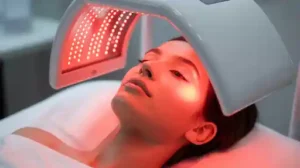
This article will dive deep into how red light therapy works, its specific benefits for diminishing dark spots, what to expect from treatments, and how to incorporate it into your skincare routine. Prepare to uncover the science behind this illuminating therapy and learn how it might just be the key to unlocking your brightest, most even-toned skin yet.
Understanding Dark Spots and Hyperpigmentation
Before we explore the solution, let’s understand the problem. Dark spots, medically known as hyperpigmentation, occur when certain areas of the skin produce excess melanin, the pigment responsible for skin color. This overproduction can be triggered by various factors:
- Sun Exposure: The most common cause, leading to sun spots, age spots, or liver spots. UV radiation stimulates melanocytes (melanin-producing cells) to create more pigment as a protective mechanism.
- Post-Inflammatory Hyperpigmentation (PIH): This results from skin injury or inflammation, such as acne breakouts, eczema, cuts, or burns. As the skin heals, it can leave behind a dark mark.
- Melasma: Often referred to as “the mask of pregnancy,” melasma is characterized by brown or gray-brown patches, usually on the face. It’s often linked to hormonal changes (pregnancy, birth control pills) combined with sun exposure.
- Medications: Certain drugs can cause hyperpigmentation as a side effect.
These spots can range from light brown to black and can affect anyone, regardless of skin type, though they may be more persistent in individuals with darker complexions.
What is Red Light Therapy and How Does It Work?
Red light therapy (RLT), also known as photobiomodulation (PBM) or low-level laser therapy (LLLT), involves exposing the skin to low-level red and near-infrared (NIR) light wavelengths. Unlike UV light, which damages skin, RLT is therapeutic and non-invasive. The specific wavelengths (typically 630-670 nm for red light and 810-880 nm for NIR light) penetrate the skin to different depths, stimulating cellular processes.
At the core of RLT’s mechanism is its interaction with the mitochondria, often called the “powerhouses” of our cells. When red and near-infrared light hits the mitochondria, it stimulates the production of adenosine triphosphate (ATP), the primary energy currency of cells. This boost in cellular energy leads to a cascade of beneficial effects:
- Increased Collagen and Elastin Production: Crucial for skin firmness and elasticity, helping to plump the skin and reduce the appearance of fine lines.
- Enhanced Blood Circulation: Improves the delivery of oxygen and nutrients to skin cells, aiding in repair and regeneration.
- Reduced Inflammation: Calms irritated skin, which is particularly beneficial for PIH and overall skin health.
- Cellular Repair and Regeneration: Speeds up the healing process and helps damaged cells recover.
It’s these interconnected benefits that make red light therapy for dark spots a promising treatment option.
The Science Behind Red Light Therapy For Dark Spots
While RLT is widely known for its anti-aging benefits, its role in addressing hyperpigmentation is equally compelling. Here’s how red light therapy for dark spots specifically targets discoloration:
1. Suppressing Melanin Production
Research suggests that red and near-infrared light can help regulate melanocyte activity. By potentially inhibiting the enzyme tyrosinase, which is essential for melanin synthesis, RLT can help reduce the overproduction of pigment. This means new dark spots might be less likely to form, and existing ones could become lighter over time.
2. Reducing Inflammation
Inflammation is a major culprit in the formation of post-inflammatory hyperpigmentation. By calming inflammatory responses in the skin, RLT can prevent the initial trigger for melanin overproduction after an injury or breakout. For existing PIH, reducing inflammation aids in the healing process, allowing the skin to normalize its pigment production.
3. Enhancing Cellular Turnover
A faster cellular turnover rate means that old, pigmented skin cells are shed more quickly, making way for new, unpigmented cells. Red light therapy stimulates this renewal process, helping to fade dark spots gradually from the surface.
4. Improving Skin Tone and Texture
Beyond directly targeting pigment, RLT’s ability to boost collagen, improve circulation, and promote overall cellular health contributes to a more even and radiant skin tone. As the skin becomes healthier and more vibrant, the contrast of dark spots becomes less noticeable, leading to a more uniform complexion.
Types of Red Light Therapy Devices
When considering red light therapy for dark spots, you have two main options:
1. Professional Treatments
These are administered in clinics, spas, or dermatologists’ offices using high-powered medical-grade devices. Professional sessions often use larger panels or targeted lasers that deliver precise wavelengths and intensities. They can be more effective for severe or stubborn hyperpigmentation due to their greater power and expert application. However, they come with a higher cost per session.
2. At-Home Devices
The market for at-home red light therapy devices has exploded, offering convenience and affordability. These include:
- Handheld Wands: Compact and portable, ideal for targeting small areas or specific dark spots.
- Facial Masks: Designed to cover the entire face, providing comprehensive treatment for widespread discoloration.
- LED Panels: Larger devices that can treat wider areas of the face or body, offering more intensity than handhelds.
While at-home devices are less powerful than professional ones, consistent use can still yield significant results for improving skin tone and reducing the appearance of dark spots. Look for devices that specify wavelengths in the red (630-670nm) and near-infrared (810-880nm) spectrum.
How to Incorporate Red Light Therapy into Your Skincare Routine
For optimal results when using red light therapy for dark spots, consistency is key. Here’s a general guide:
- Cleanse Your Skin: Always start with clean, dry skin. Remove all makeup, sunscreen, and oils to ensure the light can penetrate effectively.
- Follow Device Instructions: Each device will have specific recommendations for treatment duration and frequency. Typically, sessions range from 10-20 minutes, 3-5 times a week.
- Be Consistent: Don’t expect overnight miracles. The fading of dark spots is a gradual process that requires patience and regular use over several weeks to months.
- Protect Your Eyes: While red light is generally safe, it’s wise to wear protective eyewear (often provided with devices) during treatment, especially when using higher-powered devices.
- Post-Treatment Skincare: After your RLT session, apply your regular skincare products, focusing on ingredients that complement hyperpigmentation treatment, such as vitamin C, niacinamide, alpha arbutin, or gentle retinoids. Always finish with a broad-spectrum SPF 30+ sunscreen during the day.
Pros and Cons of Red Light Therapy For Dark Spots
Like any treatment, RLT has its advantages and disadvantages:
Pros:
- Non-Invasive and Painless: Unlike lasers or chemical peels, RLT is gentle and causes no discomfort or downtime.
- Safe for Most Skin Types: Generally well-tolerated across various skin tones, with a low risk of adverse effects.
- Addresses Multiple Concerns: In addition to dark spots, RLT improves overall skin health, reduces wrinkles, and calms inflammation.
- At-Home Convenience: Many effective devices allow for consistent treatment without clinic visits.
- No UV Exposure: Uses therapeutic light wavelengths, distinct from harmful UV rays.
Cons:
- Requires Consistency and Patience: Results are not immediate and demand regular, long-term use.
- Initial Investment: Quality at-home devices can be an upfront cost. Professional treatments are also an ongoing expense.
- Variable Efficacy: Results can vary depending on the individual, the type and severity of dark spots, and the device’s quality and power.
- Not a Standalone Treatment: For severe hyperpigmentation, RLT may be more effective when combined with other targeted skincare ingredients or professional treatments.
Recommended Products
If you’re considering integrating red light therapy for dark spots into your regimen, here are some types of devices often used by individuals at home. Remember to research specific models and read reviews to find what best suits your needs and budget.
Red Light Therapy Facial Mask
Ideal for comprehensive facial treatment, these masks ensure even exposure across the entire face, targeting widespread hyperpigmentation and improving overall skin tone.
Handheld Red Light Therapy Wand
Perfect for targeted treatment of specific dark spots or smaller areas. These portable devices allow for precise application and are great for travel.
Compact Red Light Therapy Panel
Offers a larger treatment area than wands, suitable for the face, neck, or décolletage. These panels often provide a higher intensity for more effective results.
FAQ About Red Light Therapy For Dark Spots
1. Is red light therapy effective for all types of dark spots?
While red light therapy for dark spots can be beneficial for various forms of hyperpigmentation, it tends to show the most promising results for post-inflammatory hyperpigmentation (PIH) and sun spots. For melasma, which has deeper hormonal triggers, RLT can be a helpful adjunctive therapy but may not be a standalone cure. Consistency is crucial for any type of dark spot.
2. How long does it take to see results from red light therapy?
Results are not immediate and vary from person to person. Most users report noticeable improvements in skin tone and a reduction in the appearance of dark spots after 4-8 weeks of consistent use, typically 3-5 times a week. Significant fading may take several months. Patience and adherence to your device’s instructions are essential.
3. Can I use red light therapy every day for dark spots?
Many at-home red light therapy devices are designed for daily use or every other day, especially for stubborn issues like dark spots. However, it’s vital to follow the specific recommendations provided by your device’s manufacturer. Overuse of higher-intensity professional devices without guidance is not recommended, but typical at-home devices are generally safe for frequent use.
4. Are there any side effects of using red light therapy for dark spots?
Red light therapy is generally considered safe and well-tolerated with very few reported side effects. Some individuals with extremely sensitive skin might experience mild, temporary redness or warmth after a session, but this usually subsides quickly. It does not emit UV rays, so there’s no risk of sun damage. Always protect your eyes as a precaution.
5. Can red light therapy make dark spots worse?
There is no scientific evidence to suggest that red light therapy makes dark spots worse. In fact, its anti-inflammatory and melanin-regulating properties are designed to do the opposite. If you notice your dark spots worsening, it’s more likely due to continued sun exposure without adequate protection or an underlying condition that RLT isn’t designed to treat. Always consult a dermatologist if you have concerns.
6. Can I combine red light therapy with other skincare ingredients for dark spots?
Yes, combining red light therapy for dark spots with other targeted skincare ingredients can enhance results. Ingredients like Vitamin C (an antioxidant and brightener), Niacinamide (reduces inflammation and hyperpigmentation), Alpha Arbutin (tyrosinase inhibitor), and gentle retinoids (promote cell turnover) can work synergistically with RLT. Apply these after your RLT session for best absorption. Always use broad-spectrum sunscreen daily.
Conclusion
Red light therapy for dark spots offers a promising, non-invasive avenue for those seeking to diminish hyperpigmentation and achieve a more uniform, radiant complexion. By leveraging the power of specific light wavelengths to stimulate cellular repair, reduce inflammation, and potentially regulate melanin production, RLT addresses dark spots from multiple angles.
While it requires consistency and patience, the benefits extend beyond just fading dark spots, contributing to overall skin rejuvenation and health. Whether you opt for professional treatments or invest in a quality at-home device, incorporating red light therapy into your routine could be a transformative step towards brighter, clearer skin. Remember to couple your RLT efforts with diligent sun protection and a comprehensive skincare regimen for the best possible outcomes. Embrace the glow and say goodbye to stubborn dark spots!