Understanding Dark Spots (Hyperpigmentation)
Before diving into laser solutions, it’s essential to understand what dark spots are and why they appear. Dark spots, medically known as hyperpigmentation, are common skin concerns where certain areas of the skin become darker than the surrounding skin.
What Causes Dark Spots on the Face?
The primary culprit behind dark spots is an overproduction of melanin, the pigment responsible for skin color. Several factors can trigger this excess production:
- Sun Exposure: This is the most common cause. UV radiation stimulates melanocytes (melanin-producing cells) to produce more pigment as a protective mechanism, leading to sunspots, age spots, or liver spots.
- Post-Inflammatory Hyperpigmentation (PIH): This occurs after skin inflammation or injury, such as acne breakouts, eczema, psoriasis, or even minor cuts and scrapes. The skin produces excess melanin during the healing process.
- Hormonal Changes: Melasma, often called the “mask of pregnancy,” is caused by hormonal fluctuations, particularly during pregnancy, with birth control pills, or hormone replacement therapy. Sun exposure can worsen melasma.
- Medications: Certain drugs, like some antibiotics, anti-malarials, and tricyclic antidepressants, can cause hyperpigmentation as a side effect.
- Genetics: Some individuals are genetically predisposed to developing dark spots.
Why Are Dark Spots So Stubborn?
Dark spots can be challenging to treat because the excess melanin often resides in deeper layers of the skin, beyond the reach of superficial topical treatments. While exfoliating acids and brightening serums can help with surface-level pigmentation, they may not fully address deeper, more established spots. This is where advanced treatments like laser technology become invaluable for those looking to effectively remove dark spot on face.
The Power of Laser Technology to Remove Dark Spot On Face
Laser treatments offer a targeted and effective way to tackle stubborn dark spots. By using concentrated light energy, lasers can specifically target the melanin in the dark spots without damaging the surrounding healthy skin.
How Laser Treatment Works
At its core, laser treatment for dark spots relies on a process called selective photothermolysis. This means the laser emits specific wavelengths of light that are absorbed by the melanin pigment in the dark spot. When the melanin absorbs this light energy, it heats up rapidly and shatters into tiny particles. These smaller pigment particles are then naturally cleared away by the body’s immune system over time, leading to a fading of the dark spot.
The key is the “selective” aspect – the laser is calibrated to target melanin while leaving surrounding skin cells largely untouched, minimizing damage and recovery time.
Types of Lasers for Dark Spot Removal
Several types of lasers and light-based therapies are used to remove dark spot on face, each with its own advantages and ideal applications:
- Q-Switched Lasers (e.g., Nd:YAG, Ruby):
- Mechanism: These lasers deliver very short, high-energy pulses of light. The rapid energy causes the pigment to shatter quickly and efficiently.
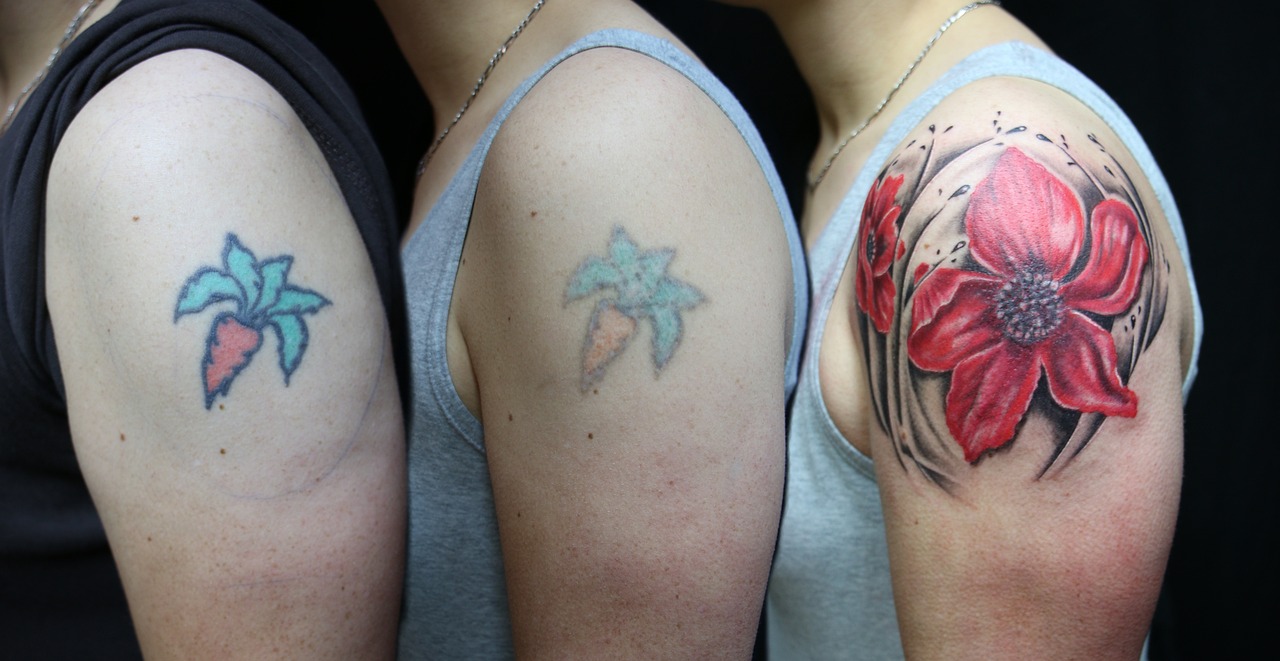
- Best For: Deeper, more stubborn dark spots like sunspots, age spots, and some types of birthmarks. They are also highly effective for tattoo removal.
- Considerations: Generally require multiple sessions, and there might be some temporary crusting or darkening of the spot before it fades.
- PicoSure/PicoWay Lasers (Picosecond Lasers):
- Mechanism: Even faster than Q-switched lasers, picosecond lasers deliver energy in trillionths of a second. This ultra-fast pulse creates a photoacoustic effect, shattering pigment into even smaller particles with less heat, reducing the risk of thermal damage.
- Best For: A wide range of dark spots, including sunspots, melasma, and post-inflammatory hyperpigmentation. Also excellent for tattoo removal.
- Considerations: Often lead to quicker clearance and fewer sessions, with potentially less downtime than traditional Q-switched lasers.
- Fractional Lasers (e.g., Fraxel, CO2):
- Mechanism: These lasers create microscopic treatment zones in the skin, leaving surrounding tissue intact. This stimulates the body’s natural healing process, producing new, healthy skin cells and collagen. They can be ablative (removing outer skin layers) or non-ablative (heating underlying tissue without removing surface skin).
- Best For: Dark spots accompanied by textural issues, fine lines, or overall skin dullness. They are effective for sun damage, melasma, and improving overall skin tone and texture.
- Considerations: Ablative fractional lasers have more downtime but offer more dramatic results. Non-ablative versions have less downtime but require more sessions.
- IPL (Intense Pulsed Light):
- Mechanism: While technically not a laser (it uses broad-spectrum light), IPL is often grouped with laser treatments for dark spots. It emits multiple wavelengths of light that are absorbed by melanin and hemoglobin (in blood vessels), heating and destroying them.
- Best For: Superficial dark spots, sun damage, freckles, and general redness or uneven skin tone.
- Considerations: Generally gentler than true lasers, with minimal downtime. May require more sessions for significant results and is best for lighter skin types.
Benefits of Laser Treatment for Dark Spots
Choosing to remove dark spot on face laser offers numerous advantages over traditional methods:
- Precision and Targeting: Lasers can precisely target only the pigmented cells, leaving surrounding healthy tissue unharmed.
- High Effectiveness: Laser treatments often achieve significant reduction or complete removal of dark spots, even those that are resistant to other treatments.
- Faster Results: Compared to topical creams that can take months, laser treatments often show noticeable improvement after just a few sessions.
- Improved Skin Texture and Tone: Many laser treatments stimulate collagen production, leading to overall skin rejuvenation, reduced pore size, and a smoother complexion in addition to dark spot removal.
- Minimally Invasive: Most laser procedures are non-surgical, involving minimal downtime compared to more invasive cosmetic surgeries.
- Long-Lasting Results: With proper sun protection and skincare, the results of laser dark spot removal can be long-lasting.
What to Expect: The Laser Treatment Journey
Embarking on a journey to remove dark spot on face laser involves several key stages, from initial consultation to post-treatment care.
Before Your Appointment
The first and most crucial step is a consultation with a qualified dermatologist or aesthetic practitioner. During this appointment:
- Your skin will be thoroughly assessed, including your skin type (Fitzpatrick scale), the type of dark spots, and your medical history.
- The practitioner will discuss your expectations, explain the most suitable laser options, and outline the potential results, risks, and costs.
- A patch test may be performed on an inconspicuous area to see how your skin reacts to the laser.
- You will be advised to avoid sun exposure, tanning beds, and self-tanning products for several weeks prior to treatment.
- Certain skincare ingredients (like retinoids, AHAs/BHAs) might need to be paused a week or two before your session.
During the Procedure
On the day of your treatment:
- Your skin will be thoroughly cleansed, and a topical numbing cream may be applied to minimize discomfort.
- You’ll be given protective eyewear to shield your eyes from the laser light.
- The practitioner will then glide the laser handpiece over the targeted areas. You might feel sensations like rubber band snaps, warmth, or a mild stinging, depending on the laser and your pain tolerance.
- Treatment duration varies but is typically quick, ranging from a few minutes to an hour for larger areas.
After the Treatment: Recovery and Aftercare
Immediately after the laser treatment to remove dark spot on face, you can expect some common side effects:
- Redness and Swelling: The treated area will likely be red and slightly swollen, similar to a sunburn. This usually subsides within a few hours to a few days.
- Darkening of Spots: The dark spots will typically appear darker, almost like coffee grounds, or develop a thin crust/scab. This is a normal part of the healing process as the shattered pigment rises to the surface. Do not pick at these scabs!
- Healing Time: Depending on the laser and intensity, the scabs will naturally flake off within 5-14 days, revealing clearer skin underneath.
Crucial aftercare includes:
- Strict Sun Protection: This is paramount. Use a broad-spectrum sunscreen with SPF 30+ daily and reapply regularly. Wear hats and seek shade. Sun exposure can reverse results and cause new pigmentation.
- Gentle Skincare: Use mild, fragrance-free cleansers and moisturizers. Avoid harsh exfoliants, retinoids, or active ingredients until your skin has fully healed.
- Avoid Heat: For a few days, avoid hot showers, saunas, and intense exercise that can increase blood flow to the face.
- Follow Post-Care Instructions: Your practitioner will provide specific instructions for cleansing, moisturizing, and any prescribed topical creams.
Number of Sessions and Results
Most individuals require multiple laser sessions to achieve optimal results when trying to remove dark spot on face laser. The exact number depends on the type, depth, and size of the dark spots, as well as the laser used and your skin’s response. Typically, 2-5 sessions are recommended, spaced 3-4 weeks apart. Results are gradual; you’ll notice the spots fading over weeks as your body clears the pigment.
Potential Risks and Side Effects
While laser treatments are generally safe and effective when performed by a qualified professional, it’s important to be aware of potential risks and side effects:
- Temporary Redness, Swelling, and Itching: These are very common and usually resolve within a few days.
- Crusting or Scabbing: As the treated dark spots heal, they often form small scabs that will naturally fall off.
- Temporary Hyperpigmentation (PIH): In some cases, especially with darker skin types or inadequate sun protection, the treated area may temporarily darken before lightening. This is usually treatable.
- Hypopigmentation: Less common, but sometimes the treated area can become lighter than the surrounding skin.
- Blistering or Burns: Rare, but possible if the laser settings are too high or if the skin is not properly cooled.
- Infection: Extremely rare with proper aftercare, but possible if the skin barrier is compromised.
- Scarring: Very rare, typically associated with improper use of ablative lasers or if scabs are picked.
Always discuss these risks with your practitioner and ensure they have experience treating your specific skin type and concern.
Is Laser Treatment Right for You? Factors to Consider
Deciding to remove dark spot on face laser is a personal choice. Consider these factors:
- Skin Type: Lasers are generally safer and more effective on lighter skin tones (Fitzpatrick Types I-III). Darker skin types (IV-VI) have a higher risk of post-inflammatory hyperpigmentation (PIH) or hypopigmentation, so specialized lasers and experienced practitioners are crucial.
- Type of Dark Spot: Some spots (like sunspots) respond better than others (like deep melasma, which can be challenging).
- Budget: Laser treatments can be an investment. Factor in the cost per session and the total number of sessions required.
- Patience for Recovery: While downtime is often minimal, you’ll need patience for the healing process and for the spots to fully fade.
- Commitment to Aftercare: Strict sun protection and diligent skincare are non-negotiable for successful, long-lasting results and to prevent recurrence.
- Finding a Qualified Practitioner: This is arguably the most important factor. Always choose a board-certified dermatologist, plastic surgeon, or licensed aesthetician with extensive experience in laser treatments for hyperpigmentation.
Recommended Products for Post-Laser Care & Sun Protection
After undergoing laser treatment to remove dark spot on face, proper aftercare is crucial for optimal healing and maintaining your results. These products are gentle, effective, and widely recommended for sensitive or recovering skin, and vital for sun protection to prevent new spots.
CeraVe Hydrating Facial Cleanser
A gentle, non-foaming cleanser that effectively removes impurities without stripping the skin’s natural moisture barrier. Ideal for post-laser sensitive skin.
Vanicream Moisturizing Lotion
A gentle, fragrance-free moisturizer perfect for sensitive skin, helping to soothe and hydrate the treated area without irritation.
EltaMD UV Clear Facial Sunscreen Broad-Spectrum SPF 46
A beloved dermatologist-recommended, oil-free sunscreen that provides broad-spectrum protection. Gentle enough for post-procedure skin and helps prevent recurrence of dark spots.
Frequently Asked Questions (FAQ) About Laser Dark Spot Removal
Here are answers to some common questions about using laser treatments to remove dark spots on the face.
Q1: Is laser treatment to remove dark spot on face painful?
The sensation during laser treatment varies depending on the individual’s pain tolerance, the specific laser used, and the area being treated. Most people describe it as a snapping or tingling sensation, similar to a rubber band flicking against the skin. Topical numbing cream is often applied before the procedure to minimize discomfort, making the experience quite tolerable for most patients.
Q2: How many sessions are typically needed to remove dark spot on face laser?
The number of sessions required varies significantly based on the type, depth, and size of the dark spots, as well as the individual’s skin type and the specific laser technology employed. Generally, patients need anywhere from 2 to 5 sessions, spaced several weeks apart, to achieve optimal results. Your practitioner will provide a personalized treatment plan during your consultation.
Q3: How long does it take to see results after laser treatment?
Results are not immediate. After a laser session, the treated dark spots will typically darken and may form a light crust or scab. This is a normal part of the healing process as the shattered pigment rises to the surface. These darkened spots will then gradually flake off over 1-2 weeks, revealing lighter skin underneath. Full results from a single session can be observed after 3-4 weeks, with continued improvement as subsequent sessions are completed.
Q4: Can dark spots come back after laser removal?
While laser treatment effectively removes existing dark spots, it does not prevent new ones from forming. The most common cause of dark spot recurrence is continued sun exposure without adequate protection. Therefore, strict daily use of broad-spectrum sunscreen, protective clothing, and avoiding peak sun hours are crucial for maintaining your results and preventing new hyperpigmentation.
Q5: Is laser treatment safe for all skin types?
Laser treatments for dark spots are generally safe, but suitability varies by skin type. Lighter skin tones (Fitzpatrick Types I-III) typically respond very well with minimal risks. Darker skin tones (Fitzpatrick Types IV-VI) have a higher concentration of melanin, which can make them more prone to side effects like post-inflammatory hyperpigmentation (PIH) or hypopigmentation if the wrong laser or settings are used. It’s crucial to choose an experienced practitioner who is knowledgeable in treating diverse skin tones and uses appropriate laser technology.
Q6: What’s the cost to remove dark spot on face laser?
The cost to remove dark spot on face laser can vary widely depending on several factors, including the type of laser used, the size of the treatment area, the number of sessions required, the geographical location of the clinic, and the practitioner’s expertise. In the USA, a single laser session can range from $200 to $800 or more. A full treatment course could cost several hundred to a few thousand dollars. It’s best to get a detailed quote during your consultation.
Conclusion: Embrace a Clearer, More Confident You
Dark spots can be a persistent source of frustration, but advancements in aesthetic medicine offer highly effective solutions. Laser treatment to remove dark spot on face stands out as a powerful, precise, and often definitive method for achieving a clearer, more even-toned complexion. By understanding the different types of lasers, the treatment process, and the importance of diligent aftercare, you can make an informed decision and embark on a journey towards radiant skin.
Remember, the key to successful laser dark spot removal lies in a thorough consultation with a qualified and experienced practitioner. They can assess your specific skin concerns, recommend the most appropriate laser technology, and guide you through every step of the process. While the path to flawless skin may require patience and commitment to sun protection, the confidence that comes with a visibly improved complexion is truly invaluable. Take the first step today towards unveiling the radiant skin you deserve!