
Dark spots, scientifically known as hyperpigmentation, are a common skin concern that can affect anyone, regardless of age or skin type. These stubborn marks, which often appear as a result of sun exposure, acne, inflammation, or hormonal changes, can leave your complexion looking uneven and dull. In a world brimming with countless skincare solutions, many are turning to natural remedies, seeking gentle yet effective alternatives.
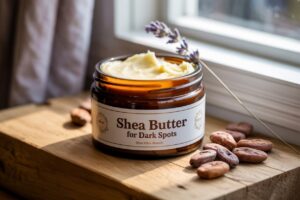
Among the treasures of nature, shea butter for dark spots has emerged as a topic of growing interest. Revered for its deeply moisturizing and healing properties, this rich, creamy extract from the African shea tree might hold the key to a more radiant, uniform skin tone. But can this age-old ingredient truly tackle hyperpigmentation? This comprehensive guide will delve into the science behind shea butter, explore how it can assist in diminishing dark spots, and provide practical advice on incorporating it into your daily skincare regimen for optimal results. Get ready to uncover the natural potential of shea butter for a brighter, healthier complexion.
Understanding Dark Spots and Hyperpigmentation
Before we explore the role of shea butter for dark spots, it’s essential to understand what dark spots are and why they appear. Dark spots are a form of hyperpigmentation, a common skin condition where certain areas of the skin become darker than the surrounding skin. This darkening occurs when there’s an overproduction of melanin, the pigment responsible for skin, hair, and eye color.
Common Causes of Hyperpigmentation:
- Sun Exposure: The most frequent cause. UV light triggers melanin production as a protective mechanism, leading to sunspots or age spots.
- Post-Inflammatory Hyperpigmentation (PIH): This occurs after skin inflammation or injury, such as acne breakouts, eczema, cuts, or burns. As the skin heals, it can leave behind dark marks.
- Melasma: Often linked to hormonal changes (e.g., pregnancy, birth control pills), appearing as larger patches of discoloration, usually on the face.
- Medications: Certain drugs can cause hyperpigmentation as a side effect.
While dark spots are harmless, they can be a source of cosmetic concern, prompting many to seek solutions for a clearer, more even complexion. This is where natural remedies like shea butter for dark spots come into play, offering a gentle approach to skin brightening.
The Miraculous Properties of Shea Butter
Shea butter is a fat extracted from the nuts of the African shea tree (Vitellaria paradoxa). For centuries, it has been a staple in African cultures for its culinary, medicinal, and cosmetic uses. Its rich, emollient texture and impressive nutrient profile make it a powerhouse ingredient for skin health.
Key Components and Benefits:
- Vitamins A, E, and F: These fat-soluble vitamins are crucial for skin health. Vitamin A aids in cell turnover, Vitamin E is a powerful antioxidant, and Vitamin F (linoleic acid) helps maintain skin barrier function.
- Fatty Acids: Shea butter is rich in oleic acid, stearic acid, linoleic acid, and palmitic acid. These fatty acids provide deep hydration, reinforce the skin’s natural barrier, and help seal in moisture.
- Antioxidants: Beyond Vitamin E, shea butter contains other potent antioxidants that combat free radical damage, which can contribute to premature aging and hyperpigmentation.
- Anti-inflammatory Compounds: Triterpenes and cinnamic acid esters give shea butter its notable anti-inflammatory properties, making it soothing for irritated skin.
These combined properties make shea butter an excellent ingredient for overall skin health, creating an optimal environment for the skin to heal and renew itself. This holistic approach is key when considering shea butter for dark spots.
How Shea Butter For Dark Spots Works
While shea butter isn’t a direct “bleaching” agent like some conventional dark spot treatments, its mechanism for reducing the appearance of dark spots is multifaceted and works primarily through supporting overall skin health and preventing future pigmentation.
Indirect Benefits for Dark Spots:
- Reducing Inflammation and Preventing PIH:
- Shea butter’s strong anti-inflammatory compounds can significantly reduce skin irritation and redness. This is crucial for preventing Post-Inflammatory Hyperpigmentation (PIH), which often arises after acne, eczema, or other inflammatory skin conditions. By calming inflammation, shea butter minimizes the trigger for excess melanin production.
- Boosting Cell Regeneration and Repair:
- The presence of Vitamins A and E in shea butter aids in skin cell turnover and repair. Vitamin A (retinoid precursor) can encourage the growth of new, healthy skin cells, gradually replacing older, pigmented cells. Vitamin E supports this process by protecting new cells from damage, leading to a fresher, more even complexion over time.
- Deep Hydration and Improved Skin Barrier:
- Well-hydrated skin functions better and appears healthier. Shea butter deeply moisturizes, strengthening the skin’s lipid barrier. A strong barrier protects the skin from environmental aggressors and prevents moisture loss, both of which can exacerbate hyperpigmentation. Hydrated skin can also make existing dark spots appear less prominent.
- Antioxidant Protection:
- Antioxidants in shea butter help to neutralize free radicals caused by UV radiation and pollution. Free radical damage can stimulate melanin production and worsen dark spots. By providing a protective shield, shea butter helps prevent new pigmentation from forming and supports the healing of existing damage.
It’s important to set realistic expectations: shea butter for dark spots works gradually and supports the skin’s natural healing process. It won’t erase spots overnight but can contribute significantly to a more uniform and radiant complexion with consistent use.
Applying Shea Butter for Best Results
To harness the full potential of shea butter for dark spots, proper application and consistency are key. Here’s a simple guide to incorporating it into your routine:
Step-by-Step Application:
- Cleanse Your Skin: Start with a clean face. Use a gentle cleanser to remove any dirt, oil, or makeup.
- Warm a Small Amount: Scoop a pea-sized amount of pure, unrefined shea butter. Rub it between your palms to melt it slightly. This makes it easier to spread and absorb.
- Gentle Massage: Apply the warmed shea butter directly to your dark spots or all over your face, massaging it gently into the skin. Focus on areas of concern.
- Allow Absorption: Give your skin a few minutes to absorb the shea butter. It might feel a bit rich initially, but it should absorb well, leaving your skin feeling soft and moisturized.
- Repeat Daily: For best results, apply shea butter once or twice daily, ideally in the morning and before bed. Consistency is paramount when addressing hyperpigmentation.
Important Considerations:
- Patch Test: Before widespread use, always perform a patch test on a small, inconspicuous area of your skin to ensure you don’t have an allergic reaction.
- Sun Protection is Non-Negotiable: While shea butter for dark spots can offer some antioxidant protection, it is NOT a substitute for sunscreen. Sun exposure is the primary cause of dark spots, and continued exposure will counteract any benefits. Always follow up with a broad-spectrum SPF 30+ sunscreen during the day.
- Combining with Other Brighteners: Shea butter can complement other dark spot treatments. Ingredients like Vitamin C, Niacinamide, or Alpha Hydroxy Acids (AHAs) can be used in conjunction with shea butter. Apply lighter serums first, then follow with shea butter as your moisturizer. Consult a dermatologist if you’re using prescription treatments.
Pros and Cons of Using Shea Butter for Dark Spots
Like any skincare ingredient, shea butter for dark spots comes with its own set of advantages and disadvantages. Understanding these can help you make an informed decision.
Pros:
- Natural and Gentle: Shea butter is a natural product, generally well-tolerated by most skin types, including sensitive skin.
- Deeply Moisturizing: Its rich fatty acid profile provides intense hydration, improving skin texture and suppleness.
- Anti-Inflammatory: Helps reduce redness and irritation, which can prevent new dark spots from forming (PIH).
- Antioxidant Rich: Protects skin from environmental damage and free radicals that can worsen hyperpigmentation.
- Supports Skin Barrier: Strengthens the skin’s natural protective barrier, leading to healthier, more resilient skin.
- Affordable and Multi-Purpose: Compared to many specialized dark spot treatments, shea butter is relatively inexpensive and can be used for various skin and hair concerns.
Cons:
- Slow Results: Shea butter works indirectly and gradually. Significant improvement in dark spots can take weeks to months of consistent use. It’s not a quick fix.
- Not a Direct Depigmenting Agent: It doesn’t contain ingredients that directly inhibit melanin production in the same way as hydroquinone or kojic acid. Its benefits are more about prevention and supportive healing.
- Potential for Clogged Pores (for some): While generally considered non-comedogenic (meaning it’s unlikely to clog pores), its rich texture might be too heavy for very oily or extremely acne-prone skin types, potentially leading to breakouts in some individuals.
- Consistency is Key: Requires diligent, long-term application to see noticeable effects.
- Not a Substitute for Medical Treatment: For severe or stubborn hyperpigmentation, dermatological treatments or prescription-strength products may be more effective.
Ultimately, shea butter for dark spots is a valuable supportive ingredient for achieving a healthier, more even-toned complexion, especially when used consistently and in conjunction with sun protection.
Choosing the Right Shea Butter
The effectiveness of shea butter for dark spots largely depends on the quality of the product you choose. Not all shea butter is created equal.
Key Factors to Consider:
- Unrefined (Raw) Shea Butter: This is the gold standard. Unrefined shea butter is extracted without harsh chemicals and retains its natural vitamins, minerals, and healing properties. It typically has a nutty, smoky aroma and an off-white to yellowish color. Look for “Grade A” unrefined shea butter.
- Refined Shea Butter: This type undergoes processing (filtering, deodorizing, bleaching) which can strip away many of its beneficial compounds, including some of the vitamins and antioxidants crucial for addressing dark spots. While it has a smoother texture and no scent, it’s less potent.
- Purity: Opt for 100% pure shea butter with no added fragrances, dyes, or harsh chemicals. These additives can irritate the skin and negate the benefits.
- Source and Ethical Sourcing: Whenever possible, choose shea butter that is ethically sourced and fair trade. This supports the communities that produce it and often indicates a higher quality product.
Investing in high-quality, unrefined shea butter will ensure you’re getting the most potent and beneficial form of this natural ingredient for your skin concerns, including shea butter for dark spots.
Recommended Products
100% Pure Unrefined Shea Butter
Ideal for those seeking the purest form of shea butter. This raw, unrefined option retains all its natural vitamins and fatty acids, maximizing its potential for moisturizing and supporting skin repair against dark spots. Look for Grade A quality.
Shea Butter Dark Spot Corrector Cream
For a more targeted approach, consider products that combine shea butter with other proven skin-brightening ingredients like Vitamin C, Niacinamide, or Kojic Acid. These formulations aim to deliver the nourishing benefits of shea butter alongside ingredients that directly address hyperpigmentation.
Frequently Asked Questions About Shea Butter For Dark Spots
Q1: How long does it take to see results using shea butter for dark spots?
A: Patience is crucial. As shea butter for dark spots works indirectly by promoting skin health and reducing inflammation, results are gradual. Most users report noticing subtle improvements in skin texture and overall radiance within 4-8 weeks, with more significant reduction in dark spots taking 2-3 months or even longer with consistent daily use. Factors like the severity of the spots and individual skin type can influence the timeline.
Q2: Can shea butter make dark spots worse?
A: Generally, no. Shea butter is unlikely to make dark spots worse. Its properties are aimed at soothing, healing, and protecting the skin. However, if you have very oily or acne-prone skin and shea butter feels too heavy, it could potentially contribute to clogged pores, which might lead to new breakouts and subsequently, new post-inflammatory hyperpigmentation. Always do a patch test, and if you experience any adverse reactions, discontinue use. Remember, skipping sunscreen will definitely make dark spots worse, regardless of shea butter use.
Q3: Is shea butter suitable for all skin types, especially oily or acne-prone skin?
A: Shea butter is generally well-tolerated and considered non-comedogenic (unlikely to clog pores) for most skin types due to its balanced fatty acid profile. However, for individuals with extremely oily or highly acne-prone skin, its rich texture might feel heavy. Start with a very small amount and observe how your skin reacts. If it feels too occlusive, you might prefer using it as a spot treatment on specific dark areas rather than an all-over moisturizer, or opt for a lighter formulation containing shea butter.
Q4: Can I use shea butter with other dark spot treatments?
A: Yes, absolutely! Shea butter can be a wonderful complementary product to other dark spot treatments. It can provide much-needed hydration and soothing benefits, potentially reducing irritation caused by more potent active ingredients like retinoids, AHAs, or Vitamin C. Always apply your lighter, active serums first, allow them to absorb, and then follow with shea butter as your moisturizer. If you’re using prescription treatments, it’s best to consult your dermatologist before combining products.
Q5: What’s the difference between refined and unrefined shea butter for dark spots?
A: The key difference lies in their processing and nutrient content. Unrefined (raw) shea butter undergoes minimal processing, retaining all its natural vitamins (A, E, F), antioxidants, and anti-inflammatory compounds. This makes it the most potent and beneficial choice for addressing dark spots and promoting overall skin health. Refined shea butter has been processed (filtered, bleached, deodorized), which removes many impurities but also strips away a significant portion of its beneficial nutrients, making it less effective for therapeutic purposes like dark spot reduction.
Conclusion
Embarking on a journey to diminish dark spots and achieve a more radiant complexion can often lead us to explore the powerful remedies nature provides. Shea butter for dark spots stands out as a remarkable natural ingredient, not as a direct eraser of pigmentation, but as a profound supporter of skin health. Its rich composition of vitamins, fatty acids, and antioxidants works synergistically to reduce inflammation, promote cell regeneration, fortify the skin barrier, and protect against environmental damage – all factors that contribute to a brighter, more even skin tone over time.
While the path to fading dark spots with shea butter requires patience and consistency, the benefits extend beyond just pigmentation. You’ll likely experience deeply nourished, softer, and more resilient skin. Remember the golden rule: always choose high-quality, unrefined shea butter and integrate it into a comprehensive skincare routine that includes diligent sun protection. By embracing this natural wonder, you can empower your skin to heal and reveal its inherent luminosity, making shea butter for dark spots a valuable addition to your quest for a beautifully balanced complexion.