
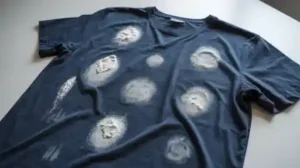
But what causes these frustrating blemishes, and more importantly, how can you prevent them from appearing in the first place? And for those already-spotted items, is there a way to restore their pristine condition? You’re not alone in this battle against laundry residue. This comprehensive guide will delve into the root causes of those perplexing spots on dark clothes after washing, offering practical, actionable advice to help you achieve perfectly clean, spot-free dark laundry every time. Get ready to transform your laundry routine and keep your darks looking their best!
The Frustration of Spots On Dark Clothes After Washing
Dark clothing, while stylish and versatile, presents a unique challenge in the laundry room. Unlike lighter garments where residue might blend in or be less noticeable, any foreign particle or undissolved substance stands out starkly against deep hues. This makes spots on dark clothes after washing particularly egregious and frustrating.
The types of spots can vary: you might see chalky white streaks, powdery residue, greasy-looking splotches, or even discolored patches. These aren’t just minor annoyances; they can undermine the crisp, clean appearance of your clothes, making them look unkempt even fresh out of the wash. Understanding why dark clothes are so susceptible is the first step toward banishing these blemishes for good.
Common Culprits: Why Are There Spots On Your Dark Clothes?
Unraveling the mystery of white spots on dark clothes after washing involves identifying several potential culprits. Often, it’s a combination of factors rather than a single issue.
Detergent Residue: The Most Common Offender
This is arguably the top reason for those unsightly streaks and patches. Detergent, whether liquid or powder, needs to dissolve completely and rinse away thoroughly. When it doesn’t, it clings to fabric fibers, especially dark ones.
- Too Much Detergent: Overdosing is a common mistake. More detergent doesn’t necessarily mean cleaner clothes; it often means more residue. Modern HE (High-Efficiency) machines use less water, requiring significantly less detergent than traditional machines.
- Powder Detergent Issues: Powder detergents can struggle to dissolve fully, especially in cold water or if added directly on top of clothes. The granules can stick to fabric and leave a powdery, chalky residue.
- Liquid Detergent Clumping: While less common than powder issues, concentrated liquid detergents can sometimes clump on fabrics if not properly dispersed in water, leading to gooey or waxy spots.
- Hard Water Interaction: Minerals in hard water (calcium, magnesium) can react with detergent, preventing it from dissolving and rinsing effectively, leading to soap scum and residue.
Fabric Softener Misuse
Fabric softener is designed to make clothes soft and reduce static, but it can be a major source of laundry spots on dark clothing if not used correctly.
- Direct Application: Pouring undiluted fabric softener directly onto clothes can cause blue or greasy-looking spots that are difficult to remove.
- Overuse: Using too much fabric softener, like detergent, can lead to residue buildup on fabrics.
- Dispenser Issues: A clogged or dirty fabric softener dispenser can prevent it from being properly diluted and dispensed at the right time in the wash cycle, causing it to glob onto clothes.
Undissolved Laundry Additives
Other laundry boosters like oxygenated bleach (e.g., OxiClean), stain removers, or borax can also contribute to spots on dark clothes after washing if they don’t dissolve completely or are not mixed thoroughly before coming into contact with garments.
Washing Machine Issues
Your washing machine itself can be an unwitting accomplice in the creation of laundry spots.
- Overloading the Machine: Stuffing too many clothes into the washer prevents adequate water circulation and rinsing, trapping detergent and residue within the fabric folds.
- Insufficient Water Level: If your machine’s water level is too low for the load size, there won’t be enough water to properly dissolve detergent or rinse clothes thoroughly.
- Dirty Machine: Soap scum, mildew, and mineral deposits can accumulate inside your washing machine’s drum, dispensers, and hoses. These can then transfer onto your clothes during a wash cycle, creating new spots or exacerbating existing residue problems.
- Cold Water Washing: While excellent for energy saving and delicate fabrics, washing in cold water can hinder the dissolution of certain detergents, particularly powders, leading to residue.
Hard Water Challenges
As mentioned, hard water is a significant factor. The high mineral content reduces the effectiveness of detergents and rinses, leaving behind mineral deposits that look like white spots on dark clothes. Over time, hard water can also cause clothes to feel stiff and look dull.
Lint and Debris
Sometimes, the “spots” aren’t chemical residue at all but simply lint, pet hair, or other fibers that have transferred from other garments in the wash. This is especially noticeable on dark clothes.
Practical Solutions: How to Prevent Spots On Dark Clothes After Washing
Now that we understand the causes, let’s tackle the solutions. Preventing spots on dark clothes after washing involves adopting smarter laundry habits and optimizing your washing routine.
Detergent Savvy: Measure and Choose Wisely
This is your first line of defense against detergent spots on dark clothes.
- Measure Precisely: Always use the recommended amount of detergent, or even slightly less, especially for HE machines and smaller loads. Many people overestimate.
- Choose Liquid Over Powder: For dark clothing, liquid detergents tend to dissolve more readily in all water temperatures, significantly reducing the risk of powdery residue. If you must use powder, dissolve it in a cup of warm water before adding it to the washer.
- Opt for HE Detergent in HE Machines: These detergents are low-sudsing and formulated to work with less water, preventing oversudsing and residue.
- Add Detergent Correctly: For top-loaders, add detergent to the water before adding clothes. For front-loaders, use the designated dispenser.
Fabric Softener Best Practices
To avoid greasy fabric softener spots on dark clothes:
- Dilute and Dispense: Always dilute liquid fabric softener with an equal part of water before adding it to your machine’s dispenser. Never pour it directly onto clothes.
- Consider Alternatives: A cup of white distilled vinegar added to the fabric softener dispenser can soften clothes and remove detergent residue without leaving any scent or spots. It’s a fantastic natural alternative for darks.
Loading and Water Levels: The Key to Proper Rinsing
How you load your machine profoundly impacts the wash quality.
- Don’t Overload: Give your clothes room to tumble freely. This allows detergent to dissolve, water to circulate, and clothes to rinse thoroughly.
- Wash Darks Separately: Avoid washing darks with lint-producing items like towels or fleece blankets. Turn dark clothes inside out to protect the outer surface and minimize friction that can create pilling and lint.
- Select Appropriate Water Level: If your machine allows manual water level selection, choose a setting that adequately covers your clothes and allows for good agitation.
Machine Maintenance: A Clean Machine for Clean Clothes
A dirty machine can undo all your other efforts.
- Regular Cleaning Cycles: Run a “clean washer” cycle (if your machine has one) monthly, or run an empty hot water cycle with a cup of white vinegar or a specialized washing machine cleaner.
- Clean Dispensers: Regularly clean out your detergent and fabric softener dispensers to prevent buildup that can clog them and dispense product incorrectly.
- Check Lint Trap/Filter: For some machines, a clogged lint filter can contribute to residue.
Water Temperature Considerations
While cold water is good for darks to prevent fading, consider this for detergent dissolution:
- Warm Water for Better Dissolution: If your dark garments can tolerate it without fading, a warm water wash can help detergents dissolve more effectively, especially powders.
- Cold Water Detergents: If you prefer cold water, ensure you are using a liquid detergent specifically formulated to work well in colder temperatures.
Addressing Hard Water
If you suspect hard water is the cause of your white spots on dark clothes:
- Add a Water Softener: Products like Borax or Calgon can be added to your wash cycle to neutralize hard water minerals, allowing detergent to work more efficiently and preventing mineral deposits.
- Install a Whole-House Softener: For a long-term solution, consider a water softener system for your home.
Removing Existing Spots On Dark Clothes After Washing
So, you’ve got existing spots on dark clothes after washing. Don’t despair! Here’s how to tackle them:
- Rewash Immediately (No Detergent): Often, if the spots are fresh detergent residue, simply rewashing the item on a rinse-only cycle or a full cycle with no detergent can remove them. Add a cup of white vinegar to the rinse cycle for extra effectiveness.
- Brush Off Dry Residue: For powdery white spots (likely undissolved powder detergent), let the garment dry completely. Then, use a soft brush, a clean dry cloth, or even a lint roller to gently brush or blot the residue away.
- Spot Treat with Vinegar or Rubbing Alcohol: For stubborn, greasy-looking spots (often fabric softener), try dabbing the area with a cloth dampened with undiluted white vinegar or rubbing alcohol. Gently rub the spot, then rinse and rewash the garment.
- Use a Damp Cloth: For wet spots, sometimes a clean, damp microfiber cloth can gently wipe away the residue before drying.
- Commercial Stain Removers: As a last resort, for truly stubborn or mysterious spots, a pre-treatment stain remover designed for laundry can be applied. Always patch test on an inconspicuous area first.
Recommended Products
Tide Free & Gentle Liquid Laundry Detergent (HE)
A highly-rated, fragrance-free, and dye-free liquid detergent perfect for dark clothes, especially in HE machines, minimizing residue and irritation.
Affresh Washing Machine Cleaner Tabs
Keep your washing machine pristine with these easy-to-use tablets, preventing the buildup of odor-causing residue that can transfer to your clothes.
Borax Laundry Booster & Water Softener
An excellent additive for those with hard water, Borax helps soften water, allowing detergents to work more effectively and preventing mineral spots on dark laundry.
Frequently Asked Questions About Spots On Dark Clothes After Washing
Q1: Can I use powder detergent on dark clothes without getting spots?
A: While possible, it’s riskier than using liquid detergent. If you opt for powder, ensure it dissolves completely. Add the powder to the wash water before adding clothes, or even better, dissolve it in a cup of warm water first. Using warm water for the wash cycle (if safe for the fabric) also helps. However, for consistent spot-free results on darks, liquid detergent is generally recommended.
Q2: Why do I get white streaks on my dark clothes, and how are they different from other spots?
A: White streaks are typically caused by undissolved powder detergent or highly concentrated liquid detergent that didn’t disperse properly. They can also be a sign of fabric softener residue if it wasn’t diluted or rinsed away. Unlike small, isolated spots, streaks often indicate a broader issue with detergent dissolution or insufficient rinsing due to overloading or low water levels.
Q3: Is hard water really a problem for dark laundry, and what can I do about it?
A: Yes, hard water is a significant problem. The minerals (calcium, magnesium) in hard water react with detergents, making them less effective and leading to soap scum and mineral deposits on clothes, which appear as white or chalky spots, especially on dark fabrics. To combat this, use a laundry water softener like Borax or a specialized product in each wash, or consider a whole-house water softening system.
Q4: How can I remove existing white spots from dark clothes if they’ve already dried?
A: For dry, powdery white spots (detergent residue), try gently brushing them off with a soft brush or a clean, dry cloth. A lint roller can also be effective. For more stubborn or greasy spots (likely fabric softener), dampen a clean cloth with white distilled vinegar or rubbing alcohol and gently blot the area. After treatment, rewash the garment with no detergent, or a minimal amount, to rinse thoroughly.
Q5: What’s the best water temperature for washing dark clothes without spots?
A: Cold water is generally recommended for dark clothes to prevent fading. However, cold water can sometimes hinder detergent dissolution, especially with powder detergents. If you experience spots, try a warm water wash (if the fabric allows) or ensure you’re using a liquid detergent specifically formulated for cold water use. Always measure detergent precisely, as overuse is a bigger culprit than temperature.
Q6: How often should I clean my washing machine to prevent spots?
A: It’s recommended to clean your washing machine at least once a month, or more frequently if you do a lot of laundry, use cold water often, or live in a hard water area. Regular cleaning prevents the buildup of detergent residue, fabric softener, mold, and mildew within the machine, which can otherwise transfer onto your clothes and cause spots or odors.
Conclusion
Dealing with spots on dark clothes after washing can be a persistent and annoying problem, but it’s one that’s entirely solvable with a bit of knowledge and a few adjustments to your laundry routine. We’ve uncovered the main culprits, from detergent and fabric softener misuse to hard water and an overloaded, dirty washing machine. The good news is that each of these issues has a straightforward solution.
By adopting practices such as precise detergent measurement, choosing liquid detergents for darks, avoiding machine overload, and performing regular washer maintenance, you can significantly reduce or eliminate those unwelcome blemishes. Remember, prevention is key, but if spots do appear, a quick rewash or targeted spot treatment can often save the day. With these tips in hand, you’re well-equipped to keep your darks looking vibrant, clean, and spot-free, ensuring your favorite garments remain in pristine condition wash after wash. Happy laundering!
“`