
Are you battling stubborn dark spots, hyperpigmentation, or uneven skin tone? You’re not alone. Many individuals seek effective solutions to achieve a clearer, more luminous complexion. Among the myriad of skincare ingredients, one stands out for its scientifically-backed efficacy: Tretinoin. This powerful retinoid has garnered significant attention for its remarkable ability to fade discolorations, making it a go-to for dermatologists and skincare enthusiasts alike.
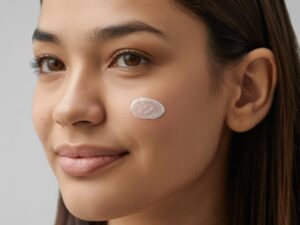
The journey to clearer skin can be long and often frustrating, filled with promises that fall short. However, when it comes to addressing issues like sun spots, melasma, and post-inflammatory hyperpigmentation, Tretinoin offers a compelling case. In this comprehensive guide, we’ll delve deep into how Tretinoin works, what you can realistically expect from your Tretinoin dark spots before and after journey, and provide practical advice to help you maximize its benefits while minimizing potential side effects. Get ready to understand the science, set proper expectations, and unlock the potential for a truly transformative skincare experience.
Understanding Dark Spots: The Battle Against Hyperpigmentation
Before we dive into Tretinoin’s magic, it’s crucial to understand what dark spots are and why they appear. Dark spots, medically known as hyperpigmentation, occur when there’s an overproduction of melanin, the pigment that gives skin its color. This excess melanin can deposit in various layers of the skin, leading to distinct patches that are darker than the surrounding skin.
Common Types of Dark Spots:
- Sun Spots (Lentigines): Often called age spots or liver spots, these are caused by prolonged sun exposure and typically appear on areas frequently exposed to the sun, like the face, hands, and chest.
- Melasma: Characterized by larger, blotchy patches of hyperpigmentation, usually on the face. Melasma is often triggered by hormonal changes (e.g., pregnancy, birth control pills) combined with sun exposure.
- Post-Inflammatory Hyperpigmentation (PIH): These are dark spots that appear after an inflammatory skin condition, such as acne, eczema, or a wound. The skin’s healing process can sometimes leave behind a dark mark.
Regardless of the type, these dark spots can be persistent and challenging to fade, making powerful treatments like Tretinoin highly sought after.
The Science Behind Tretinoin: How It Fades Dark Spots
Tretinoin is a prescription-strength topical retinoid, a derivative of Vitamin A. It’s renowned for its multifaceted approach to skin health, particularly its ability to tackle hyperpigmentation. But how does it achieve those impressive Tretinoin dark spots before and after results?
Tretinoin works on a cellular level in several key ways:
- Accelerated Cell Turnover: Tretinoin significantly speeds up the rate at which skin cells shed and new ones are produced. This rapid exfoliation helps to bring pigmented cells to the surface faster, allowing them to slough off and be replaced by fresh, unpigmented cells.
- Dispersion of Melanin Granules: It helps to break up clusters of melanin (the pigment responsible for dark spots) within the skin cells, leading to a more even distribution of pigment and a reduced appearance of dark patches.
- Increased Collagen Production: While not directly related to dark spots, Tretinoin’s ability to boost collagen production improves overall skin texture and firmness, making the skin appear healthier and more vibrant, which can further diminish the visibility of discolorations.
- Enhanced Penetration of Other Products: By thinning the outermost layer of the skin, Tretinoin can also allow other beneficial ingredients (like antioxidants or additional brightening agents) to penetrate more effectively.
This combined action makes Tretinoin an exceptionally powerful tool for fading various forms of hyperpigmentation and improving overall skin tone and texture.
Tretinoin Dark Spots Before And After: What to Expect on Your Journey
The allure of seeing dramatic Tretinoin dark spots before and after photos is strong, but it’s crucial to approach this treatment with realistic expectations and a good dose of patience. Tretinoin is not an overnight miracle; it’s a marathon, not a sprint.
The Typical Timeline for Results:
- Initial Phase (Weeks 1-4): The Adjustment Period
- What to Expect: During this stage, your skin is adjusting. You might experience common side effects like redness, dryness, peeling, flaking, and sensitivity. This is often referred to as the “retinization” period.
- Dark Spots: You may not see significant fading yet. In some cases, dark spots might even appear slightly more prominent as old, pigmented cells are brought to the surface before shedding. This is a normal part of the process.
- Mid-Phase (Months 2-4): Seeing the Shift
- What to Expect: Side effects typically start to subside as your skin builds tolerance. You’ll notice improved skin texture, reduced breakouts (if applicable), and a general radiance.
- Dark Spots: This is when you’ll likely start to see the first visible improvements in your dark spots. They may appear lighter, smaller, and less defined. Consistency is key during this period.
- Long-Term (Months 4+): Sustained Radiance
- What to Expect: With continued, consistent use, your skin will adapt well to Tretinoin. The benefits become more pronounced, and side effects are minimal or non-existent.
- Dark Spots: Significant fading of dark spots, melasma, and PIH becomes evident. Your skin tone will appear much more even, bright, and clear. Many users achieve their desired Tretinoin dark spots before and after transformation around the 6-12 month mark, with ongoing maintenance to prevent recurrence.
Remember that individual results vary based on skin type, the severity and type of hyperpigmentation, and adherence to the treatment plan. Documenting your progress with photos can be incredibly motivating!
Navigating the Tretinoin Journey: Practical Advice for Success
To achieve the best Tretinoin dark spots before and after results and minimize discomfort, follow these essential tips:
1. Start Slow and Low
Begin with the lowest prescribed concentration of Tretinoin (e.g., 0.025%) and apply it only 2-3 times a week. Gradually increase frequency as your skin builds tolerance, eventually aiming for every other night or nightly application if tolerated. A pea-sized amount is sufficient for the entire face.
2. The “Sandwich” Method
If you experience significant irritation, try applying a layer of gentle moisturizer before Tretinoin, then Tretinoin, and then another layer of moisturizer. This can buffer the retinoid’s intensity while still allowing it to work.
3. Non-Negotiable Sun Protection
Tretinoin makes your skin significantly more sensitive to the sun. Daily, year-round application of a broad-spectrum sunscreen with an SPF of 30 or higher is absolutely critical. Reapply every two hours when outdoors. Sun exposure can undo all your progress and even worsen dark spots.
4. Moisturize, Moisturize, Moisturize
Combat dryness and irritation by using a rich, fragrance-free, non-comedogenic moisturizer both morning and night. Ingredients like hyaluronic acid, ceramides, and glycerin are excellent for supporting the skin barrier.
5. Be Patient and Consistent
As highlighted in the timeline, results take time. Stick with your routine, even if you don’t see immediate changes or experience initial irritation. Consistency is the most important factor for success.
6. Simplify Your Skincare Routine
While using Tretinoin, avoid other potentially irritating ingredients like harsh exfoliants (AHAs, BHAs), strong Vitamin C serums, or benzoyl peroxide, especially when first starting. Introduce them back slowly, or use them on alternate nights once your skin has fully adjusted.
7. Consult a Dermatologist
Since Tretinoin is a prescription medication, a dermatologist’s guidance is essential. They can prescribe the correct strength, monitor your progress, and help manage any side effects, ensuring your Tretinoin dark spots before and after journey is safe and effective.
Pros and Cons of Using Tretinoin for Dark Spots
Like any powerful treatment, Tretinoin comes with its advantages and disadvantages.
Pros:
- Highly Effective: Widely considered one of the most effective topical treatments for various forms of hyperpigmentation.
- Anti-Aging Benefits: Beyond dark spots, Tretinoin is excellent for reducing fine lines, wrinkles, and improving overall skin texture.
- Scientifically Proven: Extensive research supports its efficacy for both anti-aging and pigmentation concerns.
- Improves Skin Tone & Texture: Leads to a more even, smoother, and radiant complexion.
Cons:
- Requires Prescription: Not available over-the-counter, necessitating a dermatologist visit.
- Initial Side Effects: Can cause redness, dryness, peeling, flaking, and sensitivity, especially during the retinization phase.
- Sun Sensitivity: Makes skin more vulnerable to sun damage, requiring diligent sunscreen use.
- Long Process: Significant results take months, requiring patience and consistency.
- Not for Everyone: Not recommended for pregnant or breastfeeding individuals, or those with extremely sensitive skin conditions.
Recommended Products to Support Your Tretinoin Journey
While Tretinoin is the star, supporting your skin with gentle, hydrating, and protective products is crucial for comfortable and effective results. Here are some highly recommended staples:
Vanicream Moisturizing Cream
A thick, non-greasy, and incredibly gentle moisturizer perfect for sensitive, Tretinoin-treated skin. It’s free of common irritants like dyes, fragrance, parabens, and formaldehyde.
EltaMD UV Clear Facial Sunscreen Broad-Spectrum SPF 46
A dermatologist-favorite, oil-free sunscreen that provides broad-spectrum protection. It’s formulated with niacinamide, which can help calm irritation and is suitable for acne-prone and sensitive skin.
CeraVe Hydrating Facial Cleanser
A non-foaming, gentle cleanser that effectively removes dirt and makeup without stripping the skin’s natural moisture barrier. Ideal for sensitive and dry skin, especially when using Tretinoin.
Frequently Asked Questions About Tretinoin Dark Spots Before And After
How long does Tretinoin take to fade dark spots?
While some initial improvements in skin texture might be seen within weeks, significant fading of dark spots typically takes 3 to 6 months of consistent use. More stubborn hyperpigmentation, like melasma, might require 6-12 months or even longer for optimal results.
Can Tretinoin make dark spots worse initially?
It’s possible. During the initial “retinization” phase, as Tretinoin speeds up cell turnover, older pigmented cells are brought to the surface before shedding. This can temporarily make dark spots appear more prominent. This is a normal part of the process and usually resolves as new, unpigmented skin emerges.
Do I need a prescription for Tretinoin?
Yes, Tretinoin is a prescription-strength retinoid in the USA. You will need to consult with a dermatologist or healthcare provider to obtain a prescription. They will assess your skin, discuss your concerns, and determine the appropriate concentration for you.
Can I use Tretinoin every day?
Initially, it’s recommended to start with Tretinoin 2-3 times a week to allow your skin to adjust. As your skin builds tolerance and side effects subside, you can gradually increase the frequency to every other night or even every night, if tolerated. Always listen to your skin and consult your dermatologist.
What should I avoid when using Tretinoin?
While using Tretinoin, you should generally avoid other harsh exfoliants (AHAs, BHAs, physical scrubs), strong astringents, and certain active ingredients like benzoyl peroxide, especially during the initial adjustment phase. Always use a broad-spectrum sunscreen daily and avoid excessive sun exposure. Also, if pregnant or breastfeeding, Tretinoin is generally contraindicated.
Is Tretinoin effective for all types of dark spots?
Tretinoin is highly effective for many types of hyperpigmentation, including sun spots, post-inflammatory hyperpigmentation (PIH) from acne, and melasma. However, its efficacy can vary depending on the depth of the pigment. Deeper pigmentation might require a longer treatment duration or combination therapies for optimal results.
Conclusion: Your Path to a Brighter, Even Complexion with Tretinoin
Embarking on a journey with Tretinoin for dark spots is a commitment, but the potential rewards are truly transformative. We’ve explored the science behind its efficacy, detailed what to expect in your Tretinoin dark spots before and after experience, and armed you with practical advice to navigate this powerful treatment successfully. From understanding the initial adjustment phase to celebrating long-term improvements, patience, consistency, and diligent sun protection are your unwavering allies.
Remember that every individual’s skin is unique, and while Tretinoin offers remarkable potential, a personalized approach is key. Always consult with a qualified dermatologist to discuss your specific concerns, get a prescription, and receive tailored guidance. With the right strategy and a bit of perseverance, you can unveil a clearer, more radiant complexion, leaving those stubborn dark spots as a thing of the past. Embrace the process, trust the science, and get ready to see your own incredible Tretinoin dark spots before and after transformation!