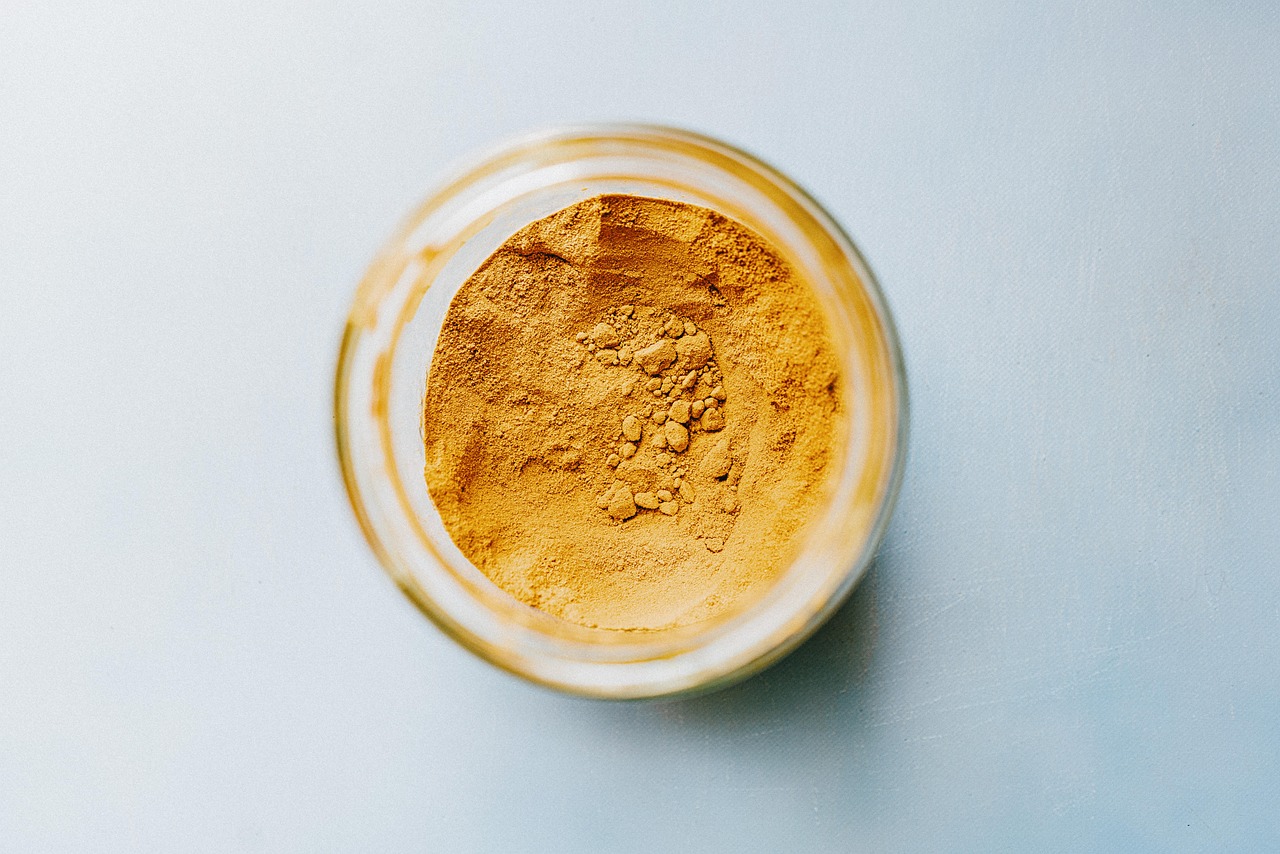

The quest for flawless skin often leads us down paths of expensive creams and complex procedures, but sometimes, the answer lies in nature’s bounty. This comprehensive guide will dive deep into the world of turmeric dark spot treatment, exploring the science behind its effectiveness, practical ways to incorporate it into your skincare routine, and crucial tips for safe and optimal results. Prepare to unlock the secrets of this powerful spice and discover how it might be the natural solution you’ve been searching for to diminish those unwelcome dark spots and reveal your skin’s natural luminosity.
Understanding Dark Spots and Hyperpigmentation
Before we delve into the wonders of turmeric, it’s essential to understand what dark spots are and why they appear. Dark spots, medically known as post-inflammatory hyperpigmentation (PIH) or melasma, are a common skin concern characterized by patches of skin becoming darker than the surrounding areas.
What Causes Dark Spots?
Several factors can trigger the overproduction of melanin, the pigment responsible for skin color, leading to dark spots:
- Sun Exposure: This is the most common culprit. UV radiation stimulates melanocytes (melanin-producing cells) to create more pigment, resulting in sunspots, age spots, and a generally uneven skin tone.
- Inflammation: Skin injuries, acne breakouts, eczema, or even harsh exfoliation can leave behind dark marks as the skin heals. This is known as post-inflammatory hyperpigmentation.
- Hormonal Changes: Conditions like melasma, often called the “mask of pregnancy,” are triggered by hormonal fluctuations, frequently exacerbated by sun exposure.
- Genetics: Some individuals are genetically predisposed to developing dark spots.
- Medications: Certain drugs can increase skin sensitivity to the sun or cause hyperpigmentation as a side effect.
The Impact of Dark Spots
While physically harmless, dark spots can significantly impact self-esteem and confidence. Many people desire a clear, even complexion, and the persistent presence of hyperpigmentation can be a source of frustration. This is why natural remedies like turmeric for dark spots are so widely sought after.
Turmeric: An Ancient Remedy for Modern Skin Concerns
Turmeric (Curcuma longa) is a rhizomatous herbaceous perennial plant of the ginger family. Its roots are ground into a vibrant yellow-orange powder, famous for its use in cooking, traditional medicine, and, increasingly, in modern skincare.
The Power of Curcumin
The primary active compound in turmeric, responsible for most of its medicinal properties and its distinctive color, is curcumin. Curcumin is a potent antioxidant and anti-inflammatory agent. These properties are key to its effectiveness in addressing skin concerns, including dark spots.
- Antioxidant Power: Curcumin helps neutralize free radicals, which are unstable molecules that damage skin cells and contribute to premature aging and hyperpigmentation caused by environmental stressors like UV radiation.
- Anti-inflammatory Benefits: By reducing inflammation, turmeric can help prevent and soothe post-inflammatory hyperpigmentation, making it excellent for skin recovering from acne or other irritations.
How Turmeric Helps with Dark Spots
When it comes to diminishing dark spots, turmeric works through several mechanisms:
- Melanin Inhibition: Studies suggest that curcumin can inhibit tyrosinase, an enzyme crucial for melanin production. By slowing down this process, turmeric helps to prevent new dark spots from forming and lighten existing ones.
- Skin Brightening: Its natural exfoliating and antioxidant properties help to gently remove dead skin cells and promote the regeneration of healthier, brighter skin cells.
- Even Skin Tone: Regular use can lead to a more balanced and uniform complexion, reducing the overall appearance of discoloration.
How to Effectively Use Turmeric for Dark Spots
Incorporating turmeric dark spot treatments into your routine can be done in various ways, from DIY masks to specialized skincare products.
DIY Turmeric Face Masks
Homemade turmeric masks are a popular and cost-effective way to utilize the spice’s benefits. Always use organic, culinary-grade turmeric powder for best results.
- Turmeric & Honey Mask for Hydration & Brightening:
- Mix 1 teaspoon of turmeric powder with 1 tablespoon of raw honey.
- Apply to clean skin, focusing on dark spots.
- Leave on for 15-20 minutes, then rinse thoroughly with lukewarm water.
- Honey adds moisturizing and antibacterial benefits.
- Turmeric & Yogurt/Milk Mask for Gentle Exfoliation & Lightening:
- Combine 1 teaspoon of turmeric powder with 2 tablespoons of plain yogurt or milk.
- Apply to your face and let it sit for 15-20 minutes.
- Gently massage your skin in circular motions before rinsing to aid exfoliation.
- Lactic acid in yogurt/milk provides mild exfoliation and hydration.
- Turmeric & Aloe Vera for Soothing & Healing:
- Mix 1 teaspoon of turmeric powder with 1-2 tablespoons of fresh aloe vera gel.
- Apply to affected areas and leave on for 20 minutes.
- Aloe vera helps soothe inflammation and promote healing.
Important Note on Lemon Juice: While some recipes suggest adding lemon juice for its perceived bleaching properties, it can be highly photosensitizing and irritating, especially for sensitive skin. It’s generally best to avoid using lemon juice directly on the skin, particularly if you plan to be in the sun.
Turmeric-Infused Skincare Products
For those who prefer ready-made solutions, many skincare brands now offer products formulated with turmeric or curcumin extracts. These can include:
- Serums: Potent formulations designed to target specific concerns like dark spots.
- Creams and Moisturizers: Daily use products that provide sustained benefits.
- Cleansers and Face Washes: Gentle options to incorporate turmeric into your cleansing routine.
When choosing commercial products, look for formulations that list “curcuma longa extract” or “curcumin” high up in the ingredient list. Ensure they are from reputable brands and preferably contain other beneficial ingredients like Vitamin C, niacinamide, or alpha arbutin for enhanced dark spot correction.
Oral Turmeric Supplements
While the focus here is topical application, some believe that taking oral turmeric supplements can also contribute to overall skin health due to its systemic anti-inflammatory and antioxidant effects. However, always consult with a healthcare professional before starting any new supplement regimen, especially if you have underlying health conditions or are taking other medications.
Important Considerations and Potential Side Effects
While turmeric is natural, it’s potent. Using it correctly and being aware of potential issues is crucial for a positive experience.
Patch Testing is Crucial
Before applying any turmeric mixture or product to your entire face, always perform a patch test. Apply a small amount to an inconspicuous area of your skin (e.g., behind your ear or on your inner forearm) and wait 24-48 hours to check for any redness, irritation, itching, or allergic reactions.
Staining Concerns
Turmeric’s vibrant yellow color can temporarily stain your skin, especially if you have fair skin or leave it on for too long. It can also stain clothes, towels, and surfaces. To minimize staining:
- Use a smaller amount of turmeric.
- Don’t leave masks on for longer than recommended.
- Mix turmeric with a base like yogurt or milk, which can help dilute the pigment.
- Use an old towel and wear old clothes during application.
- Rinse thoroughly with lukewarm water, and if a slight yellow tint remains, a cotton pad soaked in milk or a gentle toner can help remove it.
Skin Sensitivity and Irritation
Although rare, some individuals may experience skin irritation, redness, or itching from turmeric. If you have sensitive skin, start with a very diluted mixture and use it less frequently. Discontinue use if irritation persists.
When to Consult a Dermatologist
If your dark spots are persistent, worsening, or accompanied by other concerning symptoms, it’s always best to consult a dermatologist. They can accurately diagnose the cause of your hyperpigmentation and recommend the most appropriate treatment plan, which might include medical-grade solutions alongside natural remedies.
Beyond Turmeric: Holistic Approaches to Dark Spot Reduction
While turmeric dark spot treatments can be highly effective, they work best as part of a comprehensive skincare and lifestyle approach.
Sun Protection is Key
This cannot be stressed enough. Even the most powerful dark spot treatments will be ineffective if you’re not diligently protecting your skin from the sun. Always use a broad-spectrum sunscreen with an SPF of 30 or higher, even on cloudy days, and reapply every two hours, or more often if sweating or swimming. Wear wide-brimmed hats and seek shade during peak sun hours.
A Balanced Skincare Routine
Incorporate other beneficial ingredients into your routine:
- Vitamin C: A powerful antioxidant that brightens skin and inhibits melanin production.
- Niacinamide (Vitamin B3): Helps reduce inflammation and prevents pigment transfer to skin cells.
- Alpha Hydroxy Acids (AHAs) or Beta Hydroxy Acids (BHAs): Gentle exfoliants that help shed pigmented cells.
- Retinoids: Promote cell turnover and can help fade dark spots over time.
Healthy Lifestyle Choices
- Hydration: Drink plenty of water to keep your skin healthy and plump.
- Diet: A diet rich in antioxidants (fruits, vegetables) can support skin health from within.
- Stress Management: High stress levels can exacerbate skin conditions, including acne and inflammation, which can lead to dark spots.
- Adequate Sleep: Allows your skin time to repair and regenerate.
Recommended Products
While DIY turmeric masks are great, for targeted treatment and convenience, many excellent products harness the power of turmeric. Here are some suggestions for products you can explore:
Turmeric Dark Spot Corrector Serum
Look for serums specifically formulated to target hyperpigmentation, often combining turmeric with other active ingredients like Vitamin C or niacinamide for enhanced brightening effects.
Turmeric Face Mask for Dark Spots
Ready-to-use face masks infused with turmeric offer a convenient way to get the benefits of this golden spice for an overall brighter complexion and reduced dark spots.
Turmeric Face Wash/Cleanser
Start your routine right with a turmeric-infused cleanser. These products help cleanse while gently working to even out skin tone and reduce the appearance of discoloration with consistent use.
Frequently Asked Questions About Turmeric for Dark Spots
Q1: How long does it take for turmeric to remove dark spots?
A: The time it takes to see results from turmeric dark spot treatment varies greatly depending on the severity of the dark spots, your skin type, consistency of use, and whether you’re using DIY remedies or commercial products. Generally, it can take anywhere from a few weeks to several months of consistent application (2-3 times a week) to notice significant improvement. Patience and consistency are key.
Q2: Can turmeric make dark spots worse?
A: Turmeric itself is not known to worsen dark spots. However, improper use or an allergic reaction could potentially cause irritation, which might lead to post-inflammatory hyperpigmentation. Always do a patch test first, avoid excessive application, and ensure you’re using pure, high-quality turmeric. Combining it with highly irritating ingredients like undiluted lemon juice can also cause issues.
Q3: Is it safe to use turmeric on my face every day?
A: For most people, using turmeric on the face 2-3 times a week is generally safe and sufficient to see benefits. Daily use might be too intense for some, especially those with sensitive skin, and could increase the risk of temporary staining or mild irritation. Listen to your skin and adjust frequency as needed.
Q4: What’s the best way to apply turmeric for dark spots?
A: For targeted dark spot treatment, creating a paste with turmeric powder and a soothing agent like honey, yogurt, or aloe vera gel is effective. Apply this paste directly to the dark spots or as a full face mask. Alternatively, incorporating a well-formulated commercial serum or cream with turmeric extract can offer a convenient and often more stable solution.
Q5: Will turmeric stain my skin permanently?
A: No, turmeric will not permanently stain your skin. Any yellow tint that appears after using turmeric is temporary and can usually be removed by rinsing thoroughly with water, followed by a gentle cleanser, milk, or a toner. It’s more likely to stain fabrics, so be careful with clothing and towels.
Embrace the Golden Glow: Your Journey to Even-Toned Skin
The journey to clearer, more even-toned skin can feel long and challenging, especially when dealing with persistent dark spots. However, with its rich history and scientifically backed properties, turmeric dark spot treatment offers a promising natural avenue for those seeking to diminish hyperpigmentation and reveal a brighter complexion. From its potent anti-inflammatory and antioxidant curcumin to its melanin-inhibiting capabilities, turmeric truly stands out as a golden gem in natural skincare.
Remember, while turmeric is powerful, consistent and cautious application is key. Whether you opt for a homemade mask or a specialized product, always prioritize patch testing and sun protection. By integrating turmeric into a holistic skincare routine that includes diligent sun protection and a healthy lifestyle, you’re not just treating dark spots; you’re nurturing your skin from within. Embrace the ancient wisdom of turmeric and embark on your path to radiant, beautifully even skin.