
Are you battling stubborn dark spots, hyperpigmentation, or uneven skin tone? You’re not alone. Many individuals seek natural, effective solutions to achieve a clearer, more radiant complexion. If you’ve been looking for a powerful yet gentle remedy, look no further than the humble turmeric.
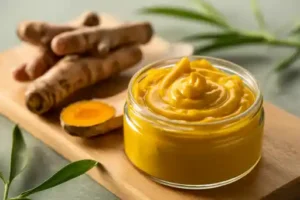
This golden spice, revered for centuries in traditional medicine and beauty rituals, holds incredible potential for skin health. Specifically, a turmeric scrub for dark spots can be a game-changer in your skincare routine. It combines the exfoliating benefits of a scrub with the skin-brightening properties of turmeric, offering a holistic approach to fading discoloration.
In this comprehensive guide, we’ll dive deep into how turmeric works its magic, share easy-to-make DIY recipes, provide practical tips for usage, and discuss important precautions to ensure you get the best results. Get ready to unlock the secret to brighter, more even-toned skin with the power of turmeric!
Understanding Dark Spots and Hyperpigmentation
Before we delve into the wonders of turmeric, it’s helpful to understand what causes dark spots. These common skin concerns are often referred to as hyperpigmentation, a condition where patches of skin become darker than the surrounding areas due to an overproduction of melanin, the pigment that gives skin its color.
What Causes Dark Spots?
- Sun Exposure: The most common culprit. UV radiation triggers melanin production as a protective mechanism, leading to sunspots or age spots.
- Post-Inflammatory Hyperpigmentation (PIH): This occurs after skin inflammation or injury, such as acne breakouts, eczema, or cuts. As the skin heals, it can leave behind a dark mark.
- Hormonal Changes: Conditions like melasma are often linked to hormonal fluctuations, particularly during pregnancy (known as the “mask of pregnancy”) or due to birth control pills.
- Medications: Certain drugs can increase skin sensitivity to the sun or cause hyperpigmentation as a side effect.
How Turmeric Helps Combat Dark Spots
Turmeric’s effectiveness in addressing dark spots lies primarily in its active compound, curcumin. This powerful antioxidant and anti-inflammatory agent has been extensively studied for its medicinal properties, and its benefits for skin are equally impressive.
- Anti-inflammatory: Curcumin helps reduce inflammation, which is crucial for treating PIH, as inflammation often precedes the darkening of skin.
- Antioxidant Power: It neutralizes free radicals caused by sun exposure and pollution, preventing further damage and melanin overproduction.
- Melanin Inhibition: Studies suggest that curcumin can inhibit tyrosinase, an enzyme essential for melanin synthesis. By reducing tyrosinase activity, turmeric can help prevent new dark spots from forming and lighten existing ones.
The Science Behind Turmeric for Skin Brightening
Beyond its traditional use, modern science supports turmeric’s role in achieving a brighter, more uniform complexion. The key is understanding how its components interact with our skin at a cellular level.
Curcumin’s Role: Anti-inflammatory and Antioxidant Power
As mentioned, curcumin is the star compound. Its potent anti-inflammatory properties can calm irritated skin, making it beneficial for conditions that lead to dark spots, like acne or eczema. By reducing inflammation, it minimizes the likelihood of post-inflammatory hyperpigmentation. Furthermore, curcumin is a powerful antioxidant, scavenging free radicals generated by environmental stressors. This protection is vital for preventing oxidative damage that can trigger melanin production and accelerate skin aging.
Inhibiting Melanin Production: A Key Benefit
One of the most significant ways turmeric helps with dark spots is its ability to interfere with melanin synthesis. Research indicates that curcumin can modulate various pathways involved in melanogenesis, including inhibiting the activity of tyrosinase. By reducing this enzyme’s function, turmeric directly contributes to a decrease in melanin production, leading to the fading of existing dark spots and prevention of new ones. This makes a turmeric scrub for dark spots a targeted treatment.
Boosting Skin Health and Radiance
Beyond specific spot treatment, turmeric contributes to overall skin health. Its antiseptic and antibacterial properties can help keep skin clean and clear, reducing breakouts. Its ability to improve circulation can also give the skin a healthy, natural glow, making your complexion appear more vibrant and radiant over time.
Benefits of Using a Turmeric Scrub For Dark Spots
Incorporating a turmeric scrub for dark spots into your routine offers a multitude of advantages for your skin. It’s a natural, cost-effective way to tackle various skin concerns.
- Fades Hyperpigmentation Naturally: The primary benefit is its ability to gradually lighten dark spots, acne scars, and sunspots without harsh chemicals, thanks to curcumin’s melanin-inhibiting properties.
- Exfoliates Dead Skin Cells: The scrubbing action, combined with gentle abrasive ingredients like sugar or oats, helps remove dead skin cells. This reveals fresher, brighter skin underneath and allows skincare products to penetrate more effectively.
- Reduces Inflammation and Acne Scars: Turmeric’s anti-inflammatory nature can soothe irritated skin and reduce the redness associated with acne, helping to prevent and fade post-acne marks.
- Evens Skin Tone and Adds Glow: Regular use can lead to a more uniform skin tone and a natural, healthy glow, making your complexion look more vibrant.
- Antioxidant Protection: It provides a protective layer against environmental damage, helping to maintain youthful, healthy skin.
DIY Turmeric Scrub Recipes For Dark Spots
Creating your own turmeric scrub for dark spots at home is simple and allows you to customize ingredients based on your skin type. Here are a few popular recipes:
1. Basic Turmeric & Honey Scrub for All Skin Types
This is a gentle yet effective scrub, perfect for most skin types due to honey’s moisturizing and antibacterial properties.
- Ingredients:
- 1 teaspoon pure turmeric powder
- 1 tablespoon raw honey
- 1 teaspoon milk or plain yogurt (for extra hydration/lactic acid)
- Directions:
- Mix all ingredients in a small bowl until a smooth paste forms. Adjust consistency by adding a tiny bit more milk/yogurt or turmeric.
- Apply evenly to a clean, damp face, focusing on areas with dark spots.
- Gently massage in circular motions for 1-2 minutes.
- Leave on as a mask for 10-15 minutes.
- Rinse thoroughly with lukewarm water, ensuring no yellow residue remains.
- Benefits: Honey is a natural humectant and antibacterial. Milk/yogurt contains lactic acid for gentle exfoliation.
2. Turmeric & Lemon Brightening Scrub for Oily/Acne-Prone Skin
Lemon juice provides additional brightening, but use with caution as it can increase sun sensitivity.
- Ingredients:
- 1 teaspoon pure turmeric powder
- 1 tablespoon granulated sugar (fine grain) or finely ground oats
- 1 teaspoon fresh lemon juice (start with less if sensitive)
- 1 teaspoon olive oil or almond oil (to balance the lemon)
- Directions:
- Combine turmeric powder, sugar/oats, lemon juice, and oil in a bowl.
- Apply to clean, damp skin, gently scrubbing in circles for 1-2 minutes.
- Leave on for 5-7 minutes (no longer, especially with lemon).
- Rinse off completely with cool water.
- Benefits: Sugar provides physical exfoliation. Lemon juice contains Vitamin C and citric acid for brightening. Important: Always use sunscreen diligently after using lemon on your skin.
3. Turmeric & Coconut Oil Hydrating Scrub for Dry Skin
This scrub offers deep moisturization along with exfoliation and brightening.
- Ingredients:
- 1 teaspoon pure turmeric powder
- 1 tablespoon virgin coconut oil (melted if solid)
- 1 tablespoon fine sea salt or granulated sugar
- Directions:
- Mix turmeric, melted coconut oil, and salt/sugar until well combined.
- Apply to clean, damp skin, massaging gently for 1-2 minutes.
- Leave on for 10 minutes.
- Rinse thoroughly with warm water.
- Benefits: Coconut oil is highly moisturizing and has antimicrobial properties. Salt or sugar provides effective exfoliation.
How to Properly Use Your Turmeric Scrub
To maximize the benefits of your turmeric scrub for dark spots and avoid potential issues, proper application and aftercare are essential.
- Patch Test is Crucial: Always, always perform a patch test first. Apply a small amount of the scrub to an inconspicuous area (like behind your ear or on your inner arm) and wait 24 hours to check for any redness, irritation, or allergic reaction.
- Preparation Steps: Start with a clean face. Wash your face with a gentle cleanser to remove makeup, dirt, and oils. Damp skin helps the scrub spread easily.
- Application Technique:
- Using clean fingertips, apply a small amount of the scrub to your face, avoiding the delicate eye area.
- Gently massage in circular motions for 1-2 minutes. Focus on areas with dark spots but avoid harsh scrubbing, which can irritate the skin.
- Leave the scrub on as a mask for the recommended time (5-15 minutes, depending on the recipe and your skin sensitivity).
- Rinsing and Aftercare:
- Rinse thoroughly with lukewarm water. Be patient, as turmeric can leave a temporary yellow tint. Use a dark washcloth or paper towel to avoid staining your good towels.
- Follow up with a hydrating toner and a good moisturizer to lock in moisture and soothe the skin.
- Always apply a broad-spectrum sunscreen (SPF 30 or higher) if using the scrub during the day or if you plan to go outdoors. Exfoliated skin is more sensitive to the sun.
- Frequency of Use: For most skin types, using a turmeric scrub for dark spots 2-3 times a week is sufficient. Oily skin might tolerate it more often, while sensitive or dry skin may only need it once a week. Listen to your skin!
Potential Downsides and Precautions
While turmeric is a natural wonder, it’s important to be aware of potential downsides and take necessary precautions.
- Staining (Skin and Clothes): Turmeric’s strong pigment is its most notorious characteristic. It can temporarily tint your skin yellow, especially if you have very fair skin or leave it on too long. It will also stain clothes, countertops, and light-colored towels. Use old towels and apply carefully. A cotton pad soaked in milk or a gentle toner can help remove residual yellow tint from the skin.
- Allergic Reactions: Though rare, some individuals can be allergic to turmeric. This is why a patch test is non-negotiable. Symptoms include redness, itching, swelling, or hives.
- Photosensitivity (especially with lemon): Ingredients like lemon juice can make your skin more sensitive to the sun, increasing the risk of sunburn and even worsening dark spots if not protected. Always use SPF diligently after using lemon-based scrubs.
- Choosing Quality Turmeric: Use pure, food-grade turmeric powder. Some culinary turmeric might contain additives or dyes that aren’t suitable for skin. Avoid turmeric labeled specifically for dyeing fabrics.
- Avoid Over-Exfoliation: Excessive scrubbing or too frequent use can strip your skin’s natural barrier, leading to irritation, dryness, and increased sensitivity.
Integrating Turmeric into a Holistic Skincare Routine
A turmeric scrub for dark spots is a powerful tool, but it works best as part of a comprehensive skincare regimen. Holistic care ensures long-term results and overall skin health.
- Daily Cleansing and Toning: Start and end your day with a gentle cleanser suitable for your skin type. Follow with a hydrating toner to balance pH levels.
- Targeted Serums for Dark Spots: Consider incorporating a serum with ingredients like Vitamin C, niacinamide, alpha arbutin, or licorice root extract on days you don’t use the scrub. These can complement turmeric’s brightening effects.
- Moisturizing Regularly: Hydrated skin is healthy skin. Apply a good moisturizer morning and night to maintain your skin barrier and elasticity.
- Sun Protection is Non-Negotiable: This is the single most important step in preventing and treating dark spots. Use a broad-spectrum SPF 30+ every single day, even on cloudy days or indoors near windows. Reapply as needed.
- Diet and Hydration: A balanced diet rich in antioxidants (fruits, vegetables) and adequate water intake supports skin health from within, contributing to a clearer, more radiant complexion.
Recommended Products
While DIY recipes are fantastic, sometimes convenience or a professional formulation is preferred. Here are some products that can complement your journey to fading dark spots:
Exfoliating Turmeric Face & Body Scrub
For those who prefer a ready-to-use option, a pre-formulated turmeric scrub offers convenience. Look for scrubs with natural exfoliants and moisturizing ingredients.
Turmeric Dark Spot Corrector Serum
A targeted serum can deliver a concentrated dose of turmeric and other brightening agents directly to your dark spots, enhancing the effects of your scrub.
Mineral Sunscreen SPF 50
Non-negotiable for preventing new dark spots and protecting treated skin. A broad-spectrum mineral sunscreen is excellent for sensitive skin.
Frequently Asked Questions About Turmeric Scrubs for Dark Spots
How often should I use a turmeric scrub for dark spots?
For most skin types, using a turmeric scrub for dark spots 2-3 times a week is a good starting point. If you have very sensitive skin, once a week might be enough. Pay attention to how your skin reacts; if you experience any irritation, reduce the frequency.
Will turmeric stain my skin permanently?
No, turmeric will not permanently stain your skin. It can leave a temporary yellow tint, especially if you have fair skin or leave the scrub on for too long. This tint usually washes off with gentle cleansing, or you can use a cotton pad soaked in milk or a gentle toner to help remove any residue. Using a dark washcloth during rinsing can prevent staining your towels.
Can I use a turmeric scrub on sensitive skin?
Yes, but with caution. If you have sensitive skin, always perform a patch test first. Opt for recipes that include soothing ingredients like honey, yogurt, or aloe vera, and avoid potentially irritating ingredients like lemon juice. Limit the scrub’s application time and frequency, and ensure your scrubbing motions are very gentle.
How long does it take to see results from a turmeric scrub?
Results can vary greatly depending on the individual, the severity of the dark spots, and consistency of use. Generally, you might start noticing subtle improvements in skin brightness and reduction in dark spots after 4-8 weeks of consistent use. Significant fading may take several months. Patience and consistency are key.
Is store-bought turmeric powder safe for skin?
Yes, as long as it’s pure, food-grade turmeric powder. Avoid turmeric products that are labeled for dyeing purposes, as they may contain additives or chemicals not suitable for skin application. Organic turmeric powder is often a good choice to ensure purity.
Can pregnant women use turmeric scrubs?
While topical turmeric is generally considered safe, it’s always best to consult with your doctor or dermatologist before introducing any new skincare treatments, including natural remedies, during pregnancy. This ensures the safety of both you and your baby.
Conclusion
Embarking on a journey to fade dark spots and achieve radiant skin can be incredibly rewarding, and a turmeric scrub for dark spots offers a natural, time-tested solution. By understanding the science behind this golden spice and incorporating it thoughtfully into your skincare routine, you’re tapping into centuries of wisdom combined with modern insights.
Remember the key takeaways: consistency is paramount, always perform a patch test to ensure compatibility, and be diligent with sun protection. While turmeric works wonders, protecting your skin from UV rays is the most crucial step in preventing future hyperpigmentation.
With patience and the right approach, this powerful ingredient can help you unveil the brighter, more even-toned complexion you desire. Embrace the natural glow that turmeric can bring to your skin, and enjoy the journey to renewed confidence!
“`