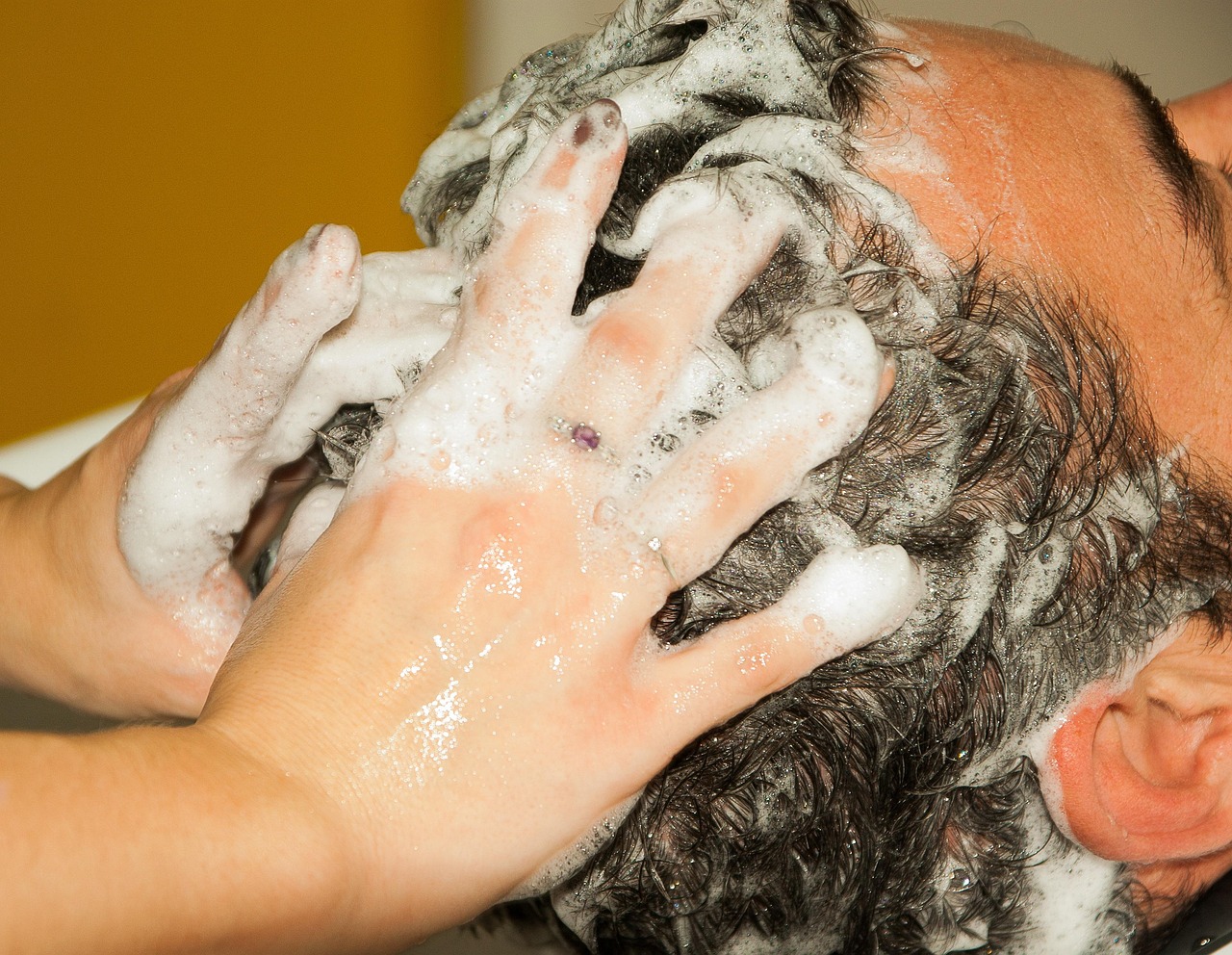
Dry shampoo is a lifesaver on busy days, allowing us to skip a full wash and still sport fresh-looking hair. But what if you’re out of your favorite brand, trying to avoid certain ingredients, or simply looking for a more natural approach. The good news is, you have options. This article dives deep into the world of dry shampoo alternatives, exploring readily available ingredients and techniques that can keep your hair looking its best, even without that aerosol can.
We’ll explore everything from kitchen staples like cornstarch and baking soda to more specialized options like clay powders and blotting papers. We’ll discuss the pros and cons of each alternative, offering practical advice on how to apply them effectively and choose the best option for your hair type and concerns. Get ready to discover a whole new world of hair refreshing possibilities!
Whether you’re looking for a temporary fix or a permanent replacement, this guide will equip you with the knowledge and resources to confidently ditch the dry shampoo and embrace a healthier, more sustainable approach to hair care. Let’s get started!
Why Look for Alternatives to Dry Shampoo?
While dry shampoo is convenient, there are several reasons why you might be searching for alternatives. Some common concerns include:
- Ingredient Sensitivities: Many commercial dry shampoos contain ingredients like alcohol, butane, and fragrances that can irritate the scalp, especially for those with sensitive skin.
- Buildup: Frequent use can lead to product buildup, making hair feel heavy, dull, and difficult to style. This buildup can also clog hair follicles, potentially leading to scalp issues.
- Environmental Concerns: Aerosol dry shampoos contribute to air pollution.
- Cost: Dry shampoo can be expensive, especially if you use it frequently.
- Unpleasant Residue: Some dry shampoos leave a noticeable white or grey cast on the hair, particularly for those with darker hair colors.
Finding alternatives can address these concerns and offer a more personalized and potentially healthier approach to hair care.
Top Dry Shampoo Alternatives: Natural & DIY Options
1. Cornstarch: The Kitchen Staple
Cornstarch is a popular and readily available alternative to dry shampoo. Its fine texture effectively absorbs excess oil from the scalp.
- Pros: Inexpensive, readily available, absorbs oil well.
- Cons: Can leave a white cast, especially on dark hair.
- How to Use: Apply a small amount to the roots, let it sit for a few minutes, and then brush it out thoroughly. A makeup brush can help with precise application.
- Tip: Mix with cocoa powder (for dark hair) or cinnamon (for red hair) to tint the powder and minimize the white cast.
2. Baking Soda: The Deep Cleanser
Baking soda is a powerful absorbent and can help to remove oil and buildup from the scalp. However, use it sparingly as it can be drying.
- Pros: Very effective at absorbing oil, inexpensive.
- Cons: Can be drying, may irritate sensitive scalps.
- How to Use: Use a very small amount (a pinch or two), apply to the roots, and brush out thoroughly. Do not use baking soda more than once a week.
- Tip: Mix with a gentler powder like cornstarch to reduce its drying effect.
3. Arrowroot Powder: A Gentle Choice
Arrowroot powder is a milder alternative to cornstarch and baking soda. It’s less likely to cause irritation and has a finer texture.
- Pros: Gentle, less likely to cause irritation, fine texture.
- Cons: May not be as absorbent as cornstarch or baking soda.
- How to Use: Apply a small amount to the roots and brush out thoroughly.
- Tip: Works well for those with sensitive scalps or fine hair.
4. Rice Flour: The Ultra-Fine Option
Rice flour is another great option, especially for those with dark hair as it tends to blend in better than cornstarch. It’s also very absorbent.
- Pros: Absorbs oil well, less likely to leave a white cast than cornstarch.
- Cons: Can be slightly more expensive than cornstarch.
- How to Use: Apply sparingly to roots and brush or shake out.
- Tip: Look for finely milled rice flour for best results.
5. Clay Powders: For Oily Hair
Clay powders like bentonite clay and kaolin clay are excellent for absorbing excess oil and impurities from the scalp.
- Pros: Very absorbent, helps to detoxify the scalp.
- Cons: Can be drying, may require more thorough rinsing.
- How to Use: Apply a small amount to the roots, let it sit for a few minutes, and then brush out thoroughly. You may need to shampoo lightly to remove any remaining residue.
- Tip: Mix with other powders like arrowroot or cornstarch to create a custom blend.
6. Blotting Papers: A Quick Fix
Blotting papers are a convenient way to absorb excess oil without adding any powder to the hair.
- Pros: Easy to use, no residue, portable.
- Cons: Only absorbs surface oil, doesn’t add volume.
- How to Use: Gently press the blotting paper against the oily areas of the scalp.
- Tip: Keep a pack of blotting papers in your purse for quick touch-ups throughout the day.
7. Cocoa Powder (for Dark Hair): The Tinted Solution
For those with dark hair, cocoa powder can be used alone or mixed with other powders to create a tinted dry shampoo.
- Pros: Masks white residue, adds a pleasant scent.
- Cons: Can be messy, may stain light-colored clothing.
- How to Use: Apply a small amount to the roots and brush out thoroughly.
- Tip: Start with a small amount and add more as needed.
8. Witch Hazel: A Liquid Option
Witch hazel is a natural astringent that can help to remove excess oil from the scalp. It’s best used diluted with water.
- Pros: Can help to reduce oil production, refreshing.
- Cons: Can be drying if used undiluted, may not be suitable for very dry scalps.
- How to Use: Dilute witch hazel with water (1:1 ratio) and apply to the roots using a spray bottle or cotton ball. Allow to dry completely.
- Tip: Add a few drops of essential oil for added fragrance.
Recommended Products
Arrowroot Powder
A gentle and natural alternative to dry shampoo, perfect for sensitive scalps.
Kaolin Clay Powder
Excellent for absorbing excess oil and impurities, leaving your scalp feeling refreshed.
Rice Flour
Finely milled rice flour, a great option for darker hair to absorb oil without leaving a white cast.
Tips for Using Dry Shampoo Alternatives
- Start with a small amount: It’s always better to add more powder than to start with too much.
- Apply to the roots: Focus on the oiliest areas of your scalp.
- Let it sit: Allow the powder to absorb the oil for a few minutes before brushing it out.
- Brush thoroughly: Use a clean brush to remove any excess powder.
- Experiment with different powders: Find the one that works best for your hair type and color.
- Consider your hair color: Tint powders with cocoa powder or cinnamon to minimize the white cast on dark hair.
FAQ: What Can I Use Instead Of Dry Shampoo?
1. Will these alternatives work for all hair types?
Most of these alternatives can work for various hair types, but some may be better suited than others. For example, clay powders are excellent for oily hair, while arrowroot powder is a gentler option for sensitive scalps. Experiment to find what works best for you.
2. How often can I use these alternatives?
It depends on the alternative you’re using and your hair type. Baking soda should be used sparingly (no more than once a week) due to its drying effects. Other powders like cornstarch and arrowroot can be used more frequently, but it’s still important to avoid excessive buildup.
3. Can I make my own dry shampoo blend?
Absolutely! Creating your own blend allows you to customize the ingredients to suit your specific needs and preferences. Try mixing cornstarch, cocoa powder (for color), and a few drops of essential oil for a personalized dry shampoo.
4. Will these alternatives leave a residue?
Some alternatives, like cornstarch and clay powders, can leave a white residue, especially on dark hair. To minimize this, use a small amount, brush thoroughly, and consider tinting the powder with cocoa powder or cinnamon.
5. Are these alternatives environmentally friendly?
Many of these alternatives are more environmentally friendly than commercial dry shampoos, especially aerosol versions. Using natural ingredients like cornstarch, arrowroot powder, and clay powders reduces your reliance on synthetic chemicals and aerosol propellants.
6. How do I store my homemade dry shampoo?
Store your homemade dry shampoo in an airtight container in a cool, dry place. A small jar or shaker bottle works well for easy application.
Conclusion: Embrace the Natural Side of Hair Care
Finding a suitable alternative to dry shampoo opens a world of possibilities for healthier, more sustainable hair care. From readily available kitchen staples like cornstarch to more specialized options like clay powders, there’s a solution for every hair type and concern. Remember to experiment with different options and find what works best for you.
By understanding the benefits and limitations of each alternative, you can confidently ditch the commercial dry shampoo and embrace a more natural and personalized approach. Your scalp will thank you for it! So, go ahead, explore these alternatives and discover the secret to fresh, clean hair without the buildup and harsh chemicals. And remember, less is often more – start with a small amount and adjust as needed. Happy experimenting!
“`