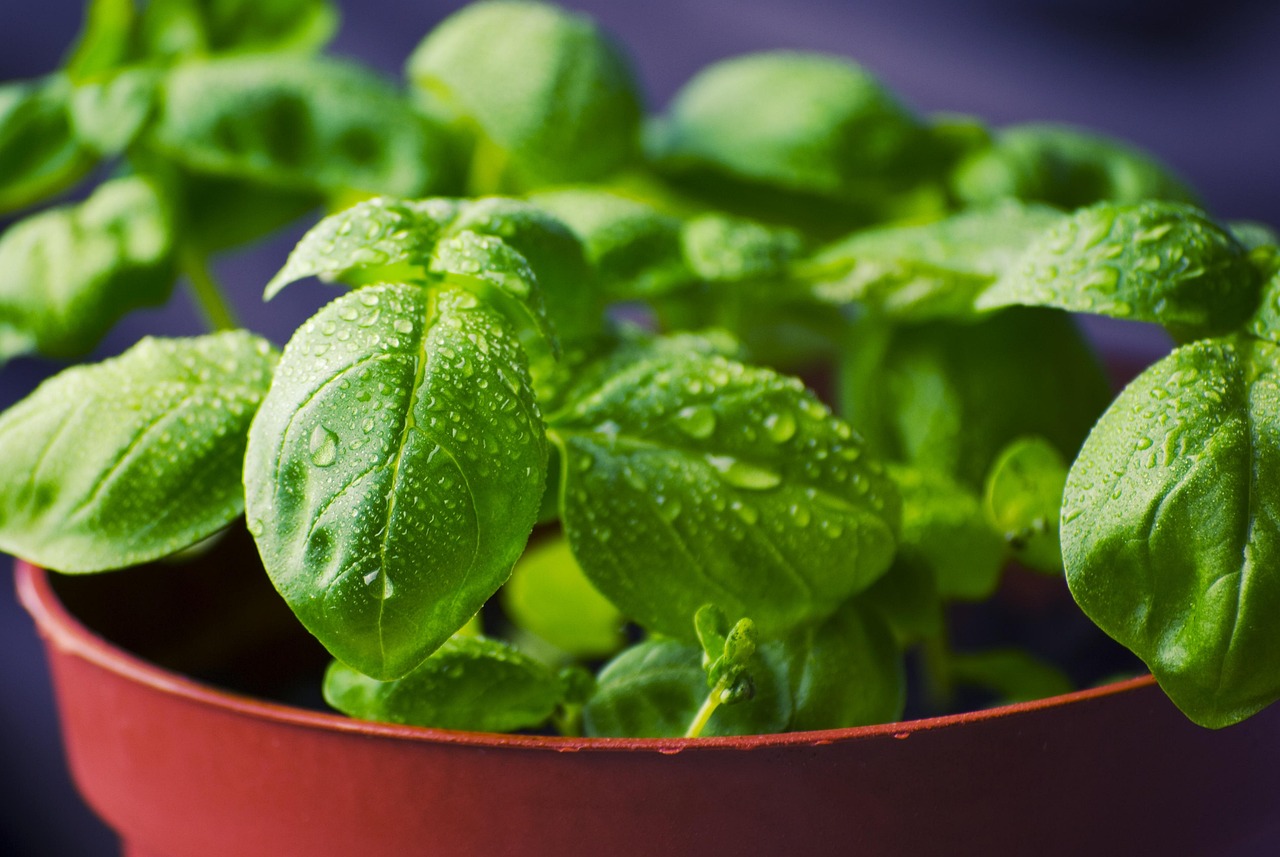
There’s nothing quite like the aromatic promise of fresh basil growing in your garden or on your windowsill. You envision vibrant pesto, fragrant caprese salads, and flavorful pasta sauces. But one day, you notice it: unsightly dark spots blemishing those once-perfect green leaves. It’s a common and frustrating problem for gardeners everywhere. What are these spots? Is the plant sick? Can you still eat the leaves?
Don’t panic! Understanding what causes dark spots on basil leaves is the first step toward fixing the problem and getting your plant back to its healthy, productive state. These spots are a plant’s way of signaling that something is wrong, whether it’s an unwelcome disease, a pest infestation, or an environmental stressor.
In this comprehensive guide, we’ll walk you through the most common reasons for black and brown spots on basil. We’ll help you diagnose the specific issue affecting your plant, provide practical treatment options, and share preventative tips to ensure a future of lush, spot-free harvests. Let’s get to the root of the problem and save your basil!
Common Culprits: Fungal and Bacterial Diseases
More often than not, dark spots on basil are caused by microscopic invaders. Fungal and bacterial diseases thrive in specific conditions, and identifying them correctly is key to effective treatment.
Basil Downy Mildew (Peronospora belbahrii): The Most Common Foe
If you’re seeing spots on your basil, downy mildew is the most likely suspect, especially for sweet basil varieties. This aggressive, oomycete-caused disease can spread quickly and ruin a crop.
- Symptoms: The first sign is often a slight yellowing of the leaves, typically starting from the bottom of the plant and moving up. The key diagnostic feature is a fuzzy, grayish-purple growth on the underside of the leaves. As the disease progresses, the yellow areas turn into dark brown or black spots, and the leaves will wilt and drop.
- Favorable Conditions: Downy mildew loves high humidity, poor air circulation, and cool, damp nights. It often spreads through airborne spores or contaminated seeds.
- Treatment and Control:
- Improve Airflow: Space your basil plants at least 12-18 inches apart. If growing indoors, use a small fan to keep air moving.
- Water Properly: Water the soil at the base of the plant in the morning, avoiding the leaves. Wet foliage is a breeding ground for mildew.
- Remove Infected Leaves: At the first sign, prune off and dispose of any affected leaves (do not compost them).
- Choose Resistant Varieties: Look for downy mildew-resistant basil varieties like ‘Prospera’, ‘Amazel’, or ‘Rutgers Devotion’.
Fungal Leaf Spot (Cercospora or Septoria)
Several other fungi can cause leaf spot diseases on basil. While less aggressive than downy mildew, they still blemish the leaves and can weaken the plant.
- Symptoms: Look for small, distinct, circular dark brown or black spots on the leaves. These spots might have a “bullseye” appearance or a yellow halo around them. Over time, the center of the spot may dry out and fall away, leaving a hole.
- Favorable Conditions: Like other fungal issues, this one thrives in warm, wet conditions. Spores are often spread by splashing water from rain or overhead watering.
- Treatment and Control: The treatment is very similar to managing downy mildew. Focus on good watering practices and air circulation. Organic fungicides containing copper or potassium bicarbonate can be effective if applied early.
Bacterial Leaf Spot (Pseudomonas cichorii)
Bacterial diseases can look similar to fungal ones but have a few key differences. This particular bacterium is common in soil and water.
- Symptoms: Bacterial spots are often angular in shape, as their spread is limited by the leaf veins. They appear as water-soaked, dark brown to black lesions. Under very humid conditions, the spots can merge and cause the entire leaf to collapse into a slimy mess.
- Favorable Conditions: High humidity and water on the leaves are essential for this bacterium to spread.
- Treatment and Control: Prevention is critical, as bacterial infections are harder to treat than fungal ones. Avoid overhead watering at all costs. Sanitize your pruning tools between cuts with rubbing alcohol to prevent spreading the bacteria. Remove and destroy infected plants to protect their neighbors.
Pesky Pests Causing Black Spots on Basil
Sometimes, the cause of dark spots isn’t a disease but rather the damage left behind by tiny insects feeding on your plant.
Aphids and Sooty Mold
Aphids are small, soft-bodied insects that cluster on the undersides of leaves and on new stems. They use their piercing mouthparts to suck sap from the basil plant.
- Symptoms: While the aphids themselves don’t create spots, they excrete a sticky, sugary substance called “honeydew.” This honeydew drips onto the leaves below and becomes a food source for a black fungus called sooty mold. If you see black, soot-like patches that you can almost wipe off, you likely have an aphid problem.
- Treatment and Control: A strong blast of water from a hose can knock aphids off the plant. For more persistent infestations, use an insecticidal soap or neem oil spray, making sure to coat the undersides of the leaves.
Spider Mites
These tiny arachnids are difficult to see with the naked eye but can cause significant damage. They thrive in hot, dry conditions.
- Symptoms: Spider mites create a pattern of tiny yellow or white dots (stippling) on the leaves. As the infestation grows, these damaged areas can merge and turn brown or black as the leaf tissue dies. The tell-tale sign of spider mites is fine, silky webbing on the plant, especially around the leaf joints.
- Treatment and Control: Spider mites hate moisture. Misting your plants can help deter them. Insecticidal soap and neem oil are also effective treatments.
Environmental Stress and Nutrient Issues
Not all spots are caused by living organisms. Sometimes, the plant’s environment is the source of the problem.
Sun Scorch or Cold Damage
- Sun Scorch: If you move a basil plant from indoors to direct, intense sunlight without a gradual “hardening off” period, its leaves can get sunburned. This can appear as white, yellow, or brown/black patches on the parts of the plant most exposed to the sun.
- Cold Damage: Basil is a tropical plant and is extremely sensitive to cold. Temperatures below 50°F (10°C) can stress the plant, and a frost will cause leaves to turn black and mushy almost overnight.
- Solution: Acclimate plants to outdoor conditions gradually over a week. In hot climates, provide some afternoon shade. Protect your basil from frost by covering it or bringing it indoors.
Nutrient Deficiencies
While less likely to cause distinct “spots,” a severe lack of certain nutrients can cause leaf tissue to die and turn dark. For example, a potassium deficiency can cause the edges of the lower leaves to yellow and then turn brown or black. Ensure you are using a well-draining potting mix and consider feeding your basil with a balanced liquid fertilizer every 4-6 weeks during the growing season.
Prevention is the Best Medicine: How to Keep Basil Healthy
The best way to deal with dark spots is to prevent them from appearing in the first place. Follow these best practices for healthy, resilient basil:
- Choose the Right Location: Basil needs at least 6-8 hours of direct sunlight per day to thrive.
- Ensure Good Air Circulation: Don’t crowd your plants. Proper spacing allows leaves to dry quickly, making it harder for fungal diseases to take hold.
- Water Wisely: Water in the morning at the base of the plant. This gives the foliage all day to dry if any water splashes on it. Let the top inch of soil dry out between waterings.
- Select Resistant Varieties: If downy mildew is a persistent problem in your area, start with disease-resistant cultivars.
- Inspect Regularly: Take a moment each day to look over your plants, including the undersides of leaves. Catching problems early makes them much easier to manage.
- Prune for Health: Harvest your basil often! Pruning encourages bushy growth, improves airflow through the plant, and removes older leaves that are more susceptible to disease.
Helpful Tools for Treating Dark Spots on Basil
Having a few key items on hand can help you quickly address issues as they arise. Here are some recommended products for the home gardener.
Neem Oil Concentrate
An excellent organic, multi-purpose tool. It acts as a fungicide for issues like powdery mildew and a pesticide for pests like aphids and spider mites.
Organic Copper Fungicide
A reliable organic treatment for controlling a wide range of fungal and bacterial leaf spot diseases. Best used as a preventative measure or at the first sign of disease.
Insecticidal Soap
A safe and effective way to control soft-bodied insects like aphids, mealybugs, and spider mites without harming beneficial insects.
Garden Pruning Shears
A sharp, clean pair of pruners is essential for removing infected leaves without damaging the plant. Remember to sanitize them between cuts.
Frequently Asked Questions About Dark Spots on Basil
1. Is it safe to eat basil with dark spots?
This is the most common question, and the answer is: it depends. If the spots are small and caused by minor fungal leaf spot or a bit of physical damage, you can simply cut the spotted part off and use the rest of the leaf. However, if the leaf is heavily infected with downy mildew (especially with the fuzzy gray growth underneath) or has slimy bacterial spots, it’s best to discard it. The flavor and texture will be poor, and it’s better to be safe. Never eat leaves that have been sprayed with a fungicide or pesticide unless you have followed the product’s specific instructions on harvest intervals.
2. Can basil recover from downy mildew?
A plant can survive a mild case of downy mildew if you catch it very early and take immediate action (pruning infected leaves, improving airflow, and adjusting watering). However, downy mildew is aggressive. A severe infection is often a losing battle. The best strategy is to focus on prevention and choose resistant varieties if it’s common in your area.
3. Why are my basil stems turning black?
Black stems on basil are usually a sign of a more serious problem. It could be an advanced fungal infection like Fusarium wilt, which starts in the soil and clogs the plant’s vascular system, causing stems to darken, wilt, and die. It can also be caused by root rot from overwatering. In either case, a plant with a blackened stem is unlikely to survive and should be removed to prevent spread.
4. How do I improve air circulation for my potted basil?
For potted basil, ensure the pot isn’t too crowded. If you bought a starter plant from a grocery store, it often contains many seedlings crammed together. Gently separate them into several pots. Prune the plant regularly to open up its structure. If it’s indoors in a humid room like a kitchen, a small, gentle fan can work wonders to keep the air moving around the leaves.
Conclusion: Enjoy Your Healthy, Spot-Free Basil
Discovering dark spots on your basil can be disheartening, but it’s a challenge that can be overcome with a little detective work and care. By understanding the primary causes—fungal diseases like downy mildew, pests like aphids, and environmental factors like improper watering—you are now equipped to diagnose and treat the issue effectively.
Remember that the cornerstone of healthy basil is prevention. Providing your plant with plenty of sunlight, good air circulation, and proper watering techniques will make it far more resilient to diseases and pests. Don’t be afraid to prune away affected leaves and harvest regularly to encourage strong, new growth.
With these tips in your gardener’s toolkit, you can confidently tackle any spots that appear and get back to what matters most: enjoying the delicious, aromatic flavor of your homegrown basil in all your favorite recipes.