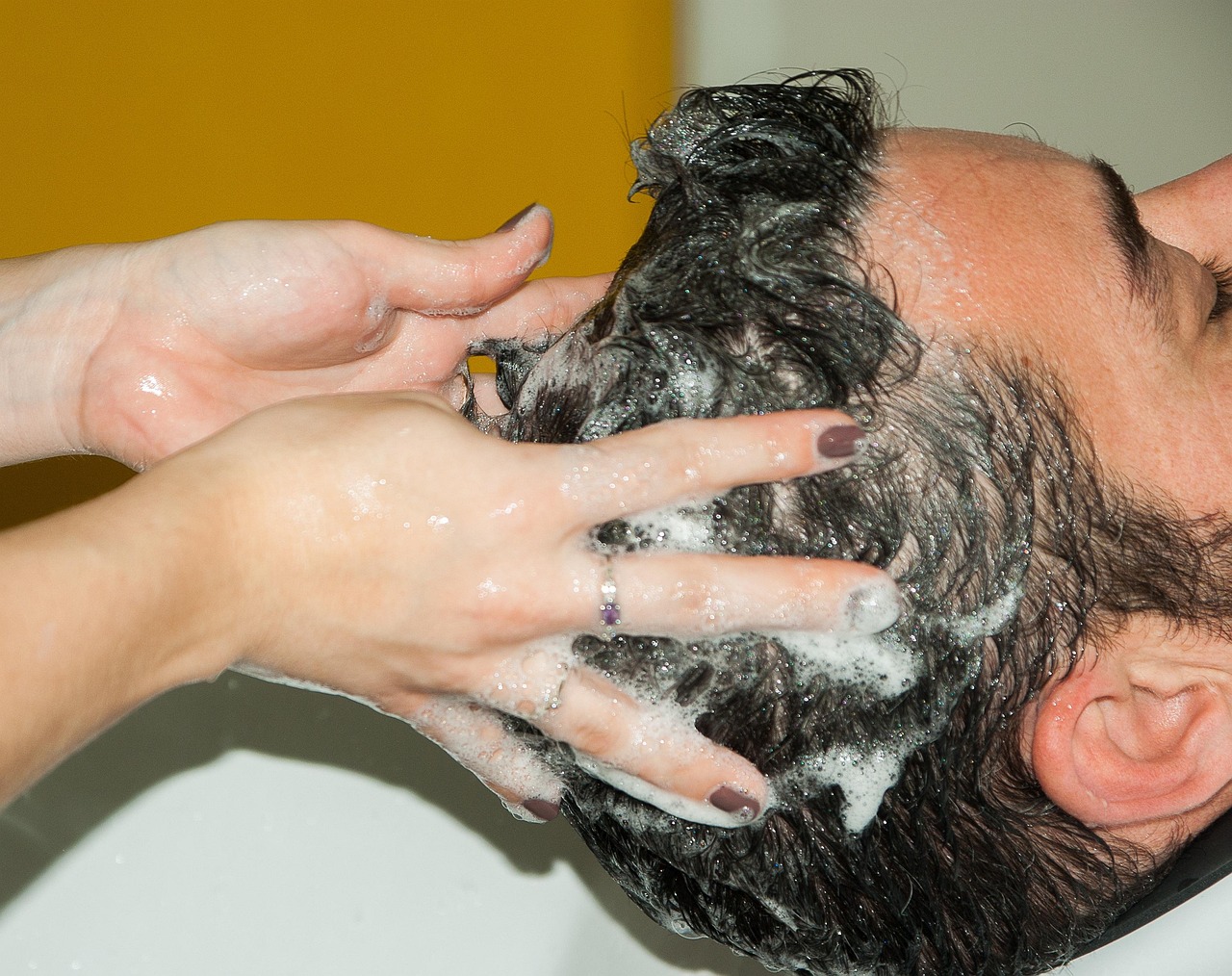
Have you ever wondered what country invented shampoo It’s a question that might cross your mind as you lather up in the shower, but the answer might surprise you. Shampoo, as we know it today, is a relatively modern invention, but its roots trace back much further than the brightly colored bottles lining store shelves. Understanding the origins of shampoo provides a fascinating glimpse into the evolution of personal hygiene and cultural practices. This article will delve into the rich history of shampoo, tracing its origins to a specific nation and exploring how it transformed from a simple concoction to the multi-billion dollar industry it is today. We’ll uncover the key figures and innovations that shaped the shampoo we use daily, and address some frequently asked questions about its development. Prepare to embark on a sudsy journey through time!
The True Origins: What Country Invented Shampoo?
The answer to what country invented shampoo is, without a doubt, India. The word “shampoo” itself is derived from the Hindi word “champo,” which means “to press, knead, or massage.” This term was originally used to describe head massages with oils and herbs, a practice deeply ingrained in Indian culture for centuries.
Ancient Practices in India
Long before the advent of modern shampoo, people in India used a variety of natural ingredients to cleanse and condition their hair. These ingredients varied depending on the region and availability but often included:
- Reetha (Soapnuts): A natural surfactant that creates a lather when mixed with water.
- Shikakai: Another plant-based cleanser known for its gentle properties.
- Amla (Indian Gooseberry): Rich in Vitamin C and antioxidants, used for hair growth and strengthening.
- Hibiscus flowers and leaves: Used for their conditioning and shine-enhancing properties.
- Various aromatic herbs and oils: Such as sandalwood, jasmine, and coconut oil, for fragrance and added benefits.
These natural cleansers were often ground into powders or pastes and mixed with water to create a cleansing solution. The process involved massaging the mixture into the scalp and hair, followed by rinsing with water. This holistic approach not only cleaned the hair but also nourished the scalp and promoted overall hair health.
The Transition to Modern Shampoo
The concept of “shampooing” eventually made its way to Europe during the British colonial era. A Bengali entrepreneur named Sake Dean Mahomed is credited with introducing the practice of “shampooing” to Britain in the early 19th century. He opened a “shampooing bath” in Brighton, England, offering medicated vapor baths and head massages. This marked a significant turning point in the history of shampoo, as it began to transition from a purely Ayurvedic practice to a more commercialized and widely adopted form of hair care.
The Evolution of Shampoo in the USA
While the core concept originated in India, the development of modern, commercially available shampoo largely took place in the United States and Europe. Here’s a breakdown of key milestones:
Early Commercial Shampoos
The earliest versions of commercial shampoo were often made from soap. However, these soap-based shampoos tended to be harsh and left a dull residue on the hair. Some key developments include:
- 1900s: Companies like Canthrox began producing shampoos in powder form. These were generally milder than soap-based options.
- 1930s: The introduction of the first synthetic detergent-based shampoo, Drene, by Procter & Gamble. This was a game-changer, as it offered better cleaning power and left less residue than traditional soap shampoos.
The Rise of Liquid Shampoos
The development of liquid shampoos marked another significant advancement. These were more convenient to use and allowed for a wider range of formulations.
- 1930s-1960s: Various brands emerged, experimenting with different ingredients and formulations.
- Baby Shampoo: Johnson & Johnson introduced baby shampoo, a mild and tear-free formula, setting a new standard for gentle cleansing.
Modern Shampoo Innovations
Today, the shampoo industry is constantly evolving, with innovations focused on addressing specific hair concerns and using more natural and sustainable ingredients.
- Sulfate-Free Shampoos: Developed to be gentler on the hair and scalp, particularly for those with sensitive skin or color-treated hair.
- Shampoos for Specific Hair Types: Formulations tailored to oily, dry, damaged, or curly hair.
- Organic and Natural Shampoos: Emphasizing plant-based ingredients and avoiding harsh chemicals.
- Dry Shampoo: A convenient option for refreshing hair between washes.
Benefits and Drawbacks of Different Shampoo Types
Choosing the right shampoo can significantly impact the health and appearance of your hair. Understanding the pros and cons of different types can help you make an informed decision.
Soap-Based Shampoos
Pros:
- Effective at removing dirt and oil.
Cons:
- Can be harsh and drying.
- May leave a dull residue.
Synthetic Detergent-Based Shampoos
Pros:
- Effective cleaning power.
- Leaves less residue than soap-based shampoos.
- Available in a wide range of formulations.
Cons:
- Some ingredients can be harsh or irritating for sensitive skin.
Sulfate-Free Shampoos
Pros:
- Gentle on the hair and scalp.
- Good for color-treated hair.
- Reduces frizz and dryness.
Cons:
- May not lather as much as traditional shampoos.
- May not be as effective at removing heavy buildup.
Natural and Organic Shampoos
Pros:
- Made with plant-based ingredients.
- Avoids harsh chemicals.
- Often environmentally friendly.
Cons:
- Can be more expensive.
- Effectiveness can vary depending on the formulation.
Recommended Products
WOW Skin Science Apple Cider Vinegar Shampoo
A clarifying shampoo that helps remove buildup and restore shine to hair.
Shea Moisture Coconut & Hibiscus Curl & Shine Shampoo
A moisturizing shampoo designed for curly hair, promoting shine and reducing frizz.
Moroccanoil Hydrating Shampoo
A hydrating shampoo infused with argan oil to nourish and moisturize dry hair.
FAQ About What Country Invented Shampoo
Here are some frequently asked questions about the origins and evolution of shampoo:
1. Is it true that shampoo originated in India?
Yes, the concept of shampooing, as a hair cleansing practice, originated in India. The word “shampoo” comes from the Hindi word “champo,” meaning “to press, knead, or massage,” which refers to head massages with oils and herbs.
2. How did shampoo evolve from ancient practices to modern products?
The practice of using natural ingredients like reetha, shikakai, and amla to cleanse hair in India was adopted by Europeans during the colonial era. This led to the development of commercial shampoos, initially soap-based, and later evolving into synthetic detergent-based formulas. Over time, innovations like liquid shampoos, sulfate-free options, and shampoos tailored for specific hair types emerged.
3. Who is Sake Dean Mahomed and what was his role in the history of shampoo?
Sake Dean Mahomed was a Bengali entrepreneur who introduced the practice of “shampooing” to Britain in the early 19th century. He opened a “shampooing bath” in Brighton, England, offering medicated vapor baths and head massages, contributing to the popularization of shampooing in the Western world.
4. What are the benefits of using natural or organic shampoos?
Natural and organic shampoos often contain plant-based ingredients and avoid harsh chemicals like sulfates and parabens. This can be beneficial for those with sensitive skin or those who prefer environmentally friendly products. They can also be gentler on the hair, reducing dryness and damage.
5. What are some common ingredients used in traditional Indian hair cleansers?
Common ingredients used in traditional Indian hair cleansers include reetha (soapnuts), shikakai, amla (Indian gooseberry), hibiscus flowers and leaves, and various aromatic herbs and oils like sandalwood, jasmine, and coconut oil.
6. Why did early soap-based shampoos leave a residue on hair?
Early soap-based shampoos often left a residue because the soap reacted with minerals in the water, forming a film on the hair. This film made the hair look dull and feel sticky. The development of synthetic detergents in shampoos helped to solve this problem.
Conclusion
So, to definitively answer the question, India is the country that invented shampoo in its original form. However, the evolution of shampoo into the product we know and use today is a global story, with contributions from India, Britain, the United States, and beyond. From ancient herbal remedies to modern-day formulations, shampoo has undergone a remarkable transformation to meet the diverse needs of hair care. As you reach for your favorite shampoo bottle, remember its rich history and the cultural practices that paved the way for this everyday essential. And remember, choosing a shampoo that suits your hair type and concerns is key to maintaining healthy and beautiful hair. Happy washing!