
Dark spots, hyperpigmentation, sun spots, age spots, melasma whatever you call them, these unwelcome visitors on our skin can be a significant source of frustration. They can make our complexion appear uneven, dull, and older than we feel. If you’re constantly asking yourself, What facial is good for dark spots you’re not alone. Many individuals seek professional treatments to lighten these stubborn marks and restore a clear, luminous glow to their skin.
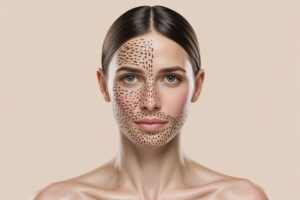
Understanding the causes behind dark spots is the first step toward effective treatment. From sun exposure to hormonal changes and post-inflammatory hyperpigmentation, the origins can vary, and so too should the approach to tackling them. This comprehensive guide will explore the most effective professional facials for dark spots, delving into their mechanisms, benefits, and what you can expect. We’ll help you navigate the options, understand the pros and cons, and ultimately discover the best path to achieving a radiant, even-toned complexion.
Understanding Dark Spots: Causes and Types
Before diving into treatments, it’s essential to understand what dark spots are and why they appear. Dark spots are areas of hyperpigmentation, meaning there’s an overproduction of melanin – the pigment that gives our skin, hair, and eyes their color. This excess melanin deposits in the skin, leading to darkened patches.
Common Causes of Hyperpigmentation:
- Sun Exposure: The most common culprit. UV radiation stimulates melanin production as a protective mechanism, leading to sunspots or age spots.
- Post-Inflammatory Hyperpigmentation (PIH): Occurs after skin inflammation or injury, such as acne breakouts, cuts, burns, or eczema. The skin produces excess melanin during the healing process.
- Melasma: Often referred to as the “mask of pregnancy,” melasma is caused by hormonal fluctuations (pregnancy, birth control pills) combined with sun exposure. It typically appears as symmetrical patches on the face.
- Medications: Certain drugs, like some antibiotics or anti-inflammatory medications, can cause hyperpigmentation as a side effect.
Recognizing the type and cause of your dark spots is crucial for selecting the most effective facial treatment. A professional consultation will help pinpoint the exact nature of your hyperpigmentation.
What Facial Is Good For Dark Spots? Top Treatments Explained
When it comes to addressing hyperpigmentation, several professional facials stand out for their ability to significantly reduce the appearance of dark spots. The key is to choose the right one for your skin type, the severity of your spots, and your tolerance for downtime.
Chemical Peels
Chemical peels are arguably one of the most effective treatments for dark spots. They involve applying a chemical solution to the skin, which exfoliates the top layers, encouraging new, unpigmented skin cells to surface. This process helps to shed pigmented cells and stimulate collagen production.
- Pros: Highly effective for various types of dark spots, from superficial sunspots to deeper melasma. Can improve overall skin texture and tone.
- Cons: Can involve downtime (redness, peeling, sensitivity) depending on the peel’s strength. Requires strict sun protection afterward.
- Types:
- Alpha Hydroxy Acids (AHAs): Glycolic, Lactic, Mandelic acids. Best for superficial dark spots and overall brightening.
- Beta Hydroxy Acids (BHAs): Salicylic acid. Good for acne-prone skin with PIH, as it penetrates oil.
- Trichloroacetic Acid (TCA): Medium-depth peels for more stubborn spots and fine lines.
- Jessner’s Peel: A combination of lactic acid, salicylic acid, and resorcinol, effective for sun damage and PIH.
Microdermabrasion
Microdermabrasion is a non-invasive procedure that uses a specialized applicator to gently sand away the thick outer layer of the skin. This mechanical exfoliation removes dead skin cells and superficial pigmented cells, revealing brighter skin underneath.
- Pros: No downtime, relatively gentle, immediate glow. Can be done frequently.
- Cons: Less effective for deep or stubborn dark spots compared to chemical peels or lasers. Best for superficial pigmentation and overall skin refinement.
- How it works: Either uses tiny crystals sprayed onto the skin or a diamond-tipped wand to abrade the surface, followed by a vacuum to suction away exfoliated cells.
Microneedling
Also known as collagen induction therapy, microneedling involves using a device with fine needles to create microscopic punctures in the skin. These micro-injuries trigger the skin’s natural healing process, stimulating collagen and elastin production. While primarily known for anti-aging, it’s also effective for dark spots, especially PIH and textural issues associated with pigmentation.
- Pros: Improves skin texture, reduces the appearance of dark spots and acne scars, enhances product absorption. Can be combined with PRP (Platelet-Rich Plasma) or brightening serums for enhanced results.
- Cons: Minor downtime (redness, mild swelling) for a few days. Multiple sessions are typically needed.
Laser Therapy (IPL, Fractional Lasers)
For more stubborn or specific types of dark spots, laser therapy can be highly effective. Lasers work by delivering targeted light energy to the pigmented areas, breaking down the melanin without damaging surrounding tissue. The body then naturally clears away the fragmented pigment.
- Pros: Highly effective for sunspots, age spots, and some forms of melasma. Can offer significant improvement in fewer sessions.
- Cons: More expensive, can involve significant downtime (especially with ablative lasers), requires a skilled and experienced practitioner, and may not be suitable for all skin tones (risk of PIH in darker skin).
- Types:
- IPL (Intense Pulsed Light): Not a true laser but uses broad-spectrum light to target pigment and redness. Excellent for sun damage, freckles, and general tone improvement.
- Fractional Non-Ablative Lasers (e.g., Fraxel Restore): Create microscopic columns of thermal injury in the skin, stimulating collagen and shedding pigmented cells with minimal downtime.
- Fractional Ablative Lasers (e.g., CO2, Erbium): Remove thin layers of skin, offering dramatic results for severe dark spots, wrinkles, and scars, but with significant downtime.
HydraFacial
The HydraFacial is a multi-step treatment that cleanses, exfoliates, extracts, and hydrates the skin using patented Vortex-Fusion technology. While not primarily designed solely for dark spots, it can be customized with specific serums containing brightening ingredients (like Vitamin C, alpha-arbutin, or glycolic acid) to help improve overall skin tone and reduce mild pigmentation.
- Pros: Gentle, no downtime, immediately visible results (brighter, smoother skin), highly customizable.
- Cons: Less aggressive for very deep or stubborn dark spots. More focused on overall skin health and mild brightening.
Brightening Facials (Enzyme Facials, Vitamin C Facials)
Traditional brightening facials often incorporate enzymes (like papain or bromelain) or high concentrations of antioxidants like Vitamin C. These facials provide gentle exfoliation and infuse the skin with ingredients known to inhibit melanin production and improve radiance.
- Pros: Relaxing, gentle, no downtime, good for mild pigmentation, maintenance, and overall glow.
- Cons: Not strong enough for significant or deep dark spots. Results are often subtle and require consistency.
Choosing the Right Facial for Your Dark Spots
Deciding on the best facial for your dark spots requires careful consideration of several factors:
- Skin Type and Concerns: Oily, dry, sensitive, or acne-prone skin will react differently to treatments. A professional will assess your skin’s unique needs.
- Severity and Type of Dark Spots: Are they superficial sunspots, deeper melasma, or post-acne marks? The depth and origin of the pigment dictate the most effective treatment.
- Downtime Tolerance: Can you afford a few days of redness and peeling (chemical peels, some lasers) or do you need zero downtime (microdermabrasion, HydraFacial)?
- Budget: Treatments vary significantly in cost. Lasers and a series of advanced peels are generally more expensive than microdermabrasion or basic brightening facials.
- Professional Consultation: This is arguably the most critical step. A licensed aesthetician or dermatologist can accurately diagnose your skin condition and recommend the most suitable course of action, often combining treatments for optimal results.
Preparing for Your Dark Spot Facial and Aftercare
Proper preparation and diligent aftercare are crucial for maximizing the results of any facial for dark spots and minimizing potential side effects.
Before Your Facial:
- Avoid Sun Exposure: Stay out of direct sun for at least 1-2 weeks before your appointment, especially for more aggressive treatments.
- Stop Active Ingredients: Discontinue retinoids, AHAs, BHAs, and other strong exfoliants 5-7 days prior, as advised by your practitioner.
- Hydrate: Drink plenty of water and keep your skin moisturized.
- Inform Your Practitioner: Disclose any medications, allergies, recent sun exposure, or skin conditions.
Aftercare is Key:
- Sun Protection is NON-NEGOTIABLE: This is the most important step. Use a broad-spectrum sunscreen with at least SPF 30 every single day, reapplying every two hours, even indoors. Sun exposure after a dark spot facial can reverse results or even worsen hyperpigmentation.
- Gentle Skincare: Use a mild cleanser and a rich, soothing moisturizer. Avoid harsh scrubs, active ingredients, or fragranced products for several days post-treatment.
- Avoid Picking/Peeling: Let any flaking or scabbing resolve naturally to prevent scarring or new dark spots.
- Stay Hydrated: Continue to drink plenty of water to support skin healing.
- Follow Specific Instructions: Your practitioner will provide detailed post-care instructions tailored to your specific facial. Adhere to them diligently.
Recommended Products
To complement your professional facials and maintain results at home, incorporating certain skincare products can be incredibly beneficial. Always consult your dermatologist or aesthetician before introducing new products, especially after a facial.
EltaMD UV Clear Broad-Spectrum SPF 46
A dermatologist-recommended, oil-free sunscreen that provides broad-spectrum protection and is gentle enough for sensitive and acne-prone skin. Essential for preventing new dark spots and protecting treated skin.
SkinCeuticals C E Ferulic
A powerful antioxidant serum containing Vitamin C, Vitamin E, and Ferulic Acid. It helps to neutralize free radicals, brightens skin tone, and improves the appearance of fine lines. Great for daily protection and boosting radiance.
The Ordinary Niacinamide 10% + Zinc 1%
Niacinamide (Vitamin B3) is known for its ability to reduce the appearance of skin blemishes and congestion. It also helps to inhibit melanin transfer, thereby reducing dark spots and improving skin barrier function.
Paula’s Choice 2% BHA Liquid Exfoliant
A gentle leave-on exfoliant with salicylic acid that clears pores, smooths skin, and helps to reduce the appearance of post-inflammatory hyperpigmentation (PIH) and blackheads. Good for maintaining clear skin.
FAQ Section: Your Questions About Dark Spot Facials Answered
How many facial sessions are needed to see results for dark spots?
The number of sessions required varies significantly depending on the type and severity of your dark spots, the specific facial treatment chosen, and your skin’s response. For milder superficial spots, 3-4 sessions might show noticeable improvement. For deeper melasma or stubborn PIH, 6-8 sessions or more, possibly combined with different treatments, might be necessary. Your practitioner will create a personalized treatment plan during your consultation, outlining the expected timeline for results.
Are facials for dark spots painful?
Most facials for dark spots are well-tolerated, but the sensation can range from mild discomfort to moderate stinging, depending on the intensity of the treatment. Microdermabrasion and HydraFacial are generally comfortable. Chemical peels can cause a tingling or stinging sensation, especially during application. Microneedling might involve some discomfort, but topical numbing cream is typically applied beforehand. Laser treatments can feel like rubber band snaps, and pain management is often provided. Always communicate any discomfort to your aesthetician or dermatologist.
Can dark spots return after a facial?
Unfortunately, yes, dark spots can return, especially if the underlying causes are not addressed. Sun exposure is the primary trigger for many dark spots, so diligent daily sun protection (SPF 30+, broad-spectrum) is absolutely critical for maintaining results. Hormonal factors (melasma) can also lead to recurrence. Regular maintenance treatments and a consistent at-home skincare routine with brightening ingredients are vital to prevent new spots from forming and keep existing ones at bay.
What ingredients should I look for in at-home products to complement my facials?
To support your professional facials and prevent new dark spots, look for products containing ingredients known to inhibit melanin production and promote skin cell turnover. Key ingredients include Vitamin C (an antioxidant and brightening agent), Niacinamide (Vitamin B3, helps reduce melanin transfer), Alpha Arbutin or Kojic Acid (tyrosinase inhibitors), Retinoids (Vitamin A derivatives, speed up cell turnover), and gentle AHAs/BHAs (for exfoliation). Always introduce new active ingredients slowly and use them consistently.
Is there a facial that isn’t good for dark spots?
While most professional facials aim to improve skin health, some might not be the most effective for *specifically* targeting dark spots, or could even exacerbate them if not performed correctly. For instance, overly aggressive manual extractions or harsh scrubbing could lead to post-inflammatory hyperpigmentation, especially on darker skin tones. Facials that are purely hydrating or relaxing without active exfoliating or brightening agents may not offer significant improvement for established dark spots. It’s crucial to seek out facials specifically designed with pigment-reducing ingredients and techniques.
Conclusion
Navigating the world of skincare treatments for hyperpigmentation can feel overwhelming, but understanding what facial is good for dark spots is your first step towards achieving the radiant, even-toned complexion you desire. From the exfoliating power of chemical peels and microdermabrasion to the collagen-boosting benefits of microneedling and the targeted precision of laser therapy, there’s a professional solution for almost every type and severity of dark spot.
Remember, the journey to clearer skin is a marathon, not a sprint. It requires patience, consistency, and, most importantly, a partnership with a qualified skincare professional. They can accurately assess your skin, recommend the most effective facial treatments, and guide you through the crucial steps of pre- and post-care. By combining professional expertise with a diligent at-home routine and unwavering sun protection, you can effectively diminish dark spots and unveil a brighter, more confident you.
“`