This comprehensive guide will dive deep into everything you need to know. We’ll explore its definition, uncover the powerful ingredients that make it effective, identify who benefits most from its use, and provide practical advice on how to choose and use the best hydrating shampoo for your unique hair needs. Get ready to transform your hair from parched to perfectly plump and shiny!
What Exactly Is Hydrating Shampoo?
At its core, a hydrating shampoo is a hair cleanser specifically formulated to replenish and retain moisture in your hair and scalp. Unlike clarifying or volumizing shampoos that might focus on deep cleansing or lifting the hair, hydrating shampoos prioritize infusing strands with essential hydration while gently removing impurities. Think of it as a drink of water for thirsty hair.
The primary goal of a hydrating shampoo is to cleanse without stripping your hair of its natural oils, which are crucial for maintaining moisture and elasticity. Instead, these shampoos are packed with ingredients designed to attract, bind, and seal moisture into the hair shaft. This gentle yet effective approach helps prevent the dryness and damage often associated with harsher cleansers, laying the foundation for softer, more manageable hair right from the start of your wash cycle.
Hydrating vs. Other Shampoos
- Clarifying Shampoos: These are designed for deep cleansing, removing product buildup, excess oil, and impurities. They can be very stripping and are not suitable for regular use, especially on dry hair.
- Volumizing Shampoos: Often formulated with lighter ingredients that don’t weigh hair down, aiming to create lift and body. They may not provide sufficient moisture for very dry hair.
- Regular/Balanced Shampoos: Aim for a balance of cleansing and conditioning. While many are fine, they might lack the concentrated moisturizing agents found in dedicated hydrating formulas.
Choosing a moisture-rich shampoo means opting for a product that actively works to improve your hair’s health and appearance by focusing on its hydration levels, making it a crucial step for anyone struggling with dryness.
The Science Behind Hydration: Key Ingredients to Look For
The effectiveness of any hydrating hair cleanser lies in its carefully selected ingredients. When you’re trying to figure out what is hydrating shampoo truly made of, keep an eye out for these powerhouse components:
Humectants: Moisture Magnets
Humectants are ingredients that attract and draw moisture from the air into your hair. They act like tiny sponges, helping your hair retain water.
- Glycerin: A common and highly effective humectant that pulls moisture from the atmosphere.
- Hyaluronic Acid: Not just for skincare! This ingredient can hold up to 1000 times its weight in water, providing intense hydration to hair strands.
- Panthenol (Vitamin B5): Penetrates the hair shaft to add moisture, improve elasticity, and provide a protective barrier.
Emollients & Conditioning Agents: Softness and Shine
Emollients work by creating a protective barrier on the hair surface, smoothing the cuticles, and locking in moisture. This results in softer, shinier, and more manageable hair.
- Natural Oils:
- Argan Oil: Rich in antioxidants, Vitamin E, and essential fatty acids, it deeply moisturizes and adds shine.
- Jojoba Oil: Mimics the natural sebum of the scalp, providing balanced moisture without greasiness.
- Coconut Oil: Known for its ability to penetrate the hair shaft, reducing protein loss and adding moisture.
- Shea Butter: A highly emollient fat that provides intense hydration and helps seal the cuticle.
- Fatty Alcohols (e.g., Cetearyl Alcohol, Stearyl Alcohol): Unlike drying alcohols, these are “good” alcohols derived from natural sources, acting as emollients and emulsifiers to soften and condition hair.
- Silicones (e.g., Dimethicone, Cyclopentasiloxane): While sometimes controversial, certain silicones can form a protective, smooth layer on the hair, reducing frizz and sealing in moisture without being overly heavy. Look for water-soluble ones if you’re concerned about buildup.
Proteins: Strength and Repair
Often found in hydrating formulas, proteins help strengthen the hair shaft, repair damage, and reduce breakage.
- Hydrolyzed Keratin: Helps rebuild the hair’s natural protein structure, improving strength and elasticity.
- Silk Protein: Adds shine, elasticity, and helps hair retain moisture.
- Wheat Protein: Penetrates the cortex to strengthen and protect hair from within.
Other Beneficial Extracts
Many hydrating shampoos also include botanical extracts that offer additional benefits.
- Aloe Vera: Soothes the scalp, adds moisture, and has anti-inflammatory properties.
- Green Tea Extract: Rich in antioxidants, it helps protect hair from environmental damage.
- Algae Extracts: Provide minerals and vitamins, contributing to hair health and hydration.
Who Needs Hydrating Shampoo Most? (And Why)
While almost anyone can benefit from an occasional dose of moisture, certain hair types and conditions particularly thrive with the consistent use of a shampoo for dry hair.
Dry, Brittle Hair
This is the most obvious candidate. Hair that feels rough, looks dull, and breaks easily is screaming for moisture. Causes can range from environmental factors (sun, wind, dry air) to heat styling, chemical treatments (coloring, perms, relaxers), and even genetics. A hydrating shampoo directly addresses this lack of moisture, helping to restore suppleness and reduce breakage.
Frizzy Hair
Frizz is often a sign that your hair is thirsty. When the hair’s outer cuticle layer is raised in search of moisture, it absorbs humidity from the air, causing it to swell and appear frizzy. Hydrating shampoos help to smooth down the cuticle by infusing the hair with internal moisture, reducing its need to absorb external humidity and thus taming frizz.
Color-Treated Hair
Chemical processes involved in coloring can strip the hair of its natural oils and moisture, leaving it porous and susceptible to damage and color fade. Hydrating shampoo for color-treated hair is often formulated to be gentle, sulfate-free, and rich in emollients to help maintain moisture, seal the cuticle, and preserve your vibrant color for longer.
Curly and Wavy Hair
Curly and coily hair textures are naturally drier than straight hair. The spiral shape of these strands makes it harder for natural scalp oils to travel down the hair shaft, leading to increased dryness. Hydrating shampoos are essential for these hair types to provide much-needed moisture, enhance curl definition, and reduce frizz.
Damaged Hair
Whether from excessive heat, chemical processing, or mechanical damage, compromised hair often has a weakened outer layer and internal structure. While hydrating shampoo isn’t a miracle cure for severe damage, it provides crucial moisture that supports the repair process, making hair more resilient, flexible, and less prone to further breakage.
Benefits Beyond Basic Cleansing
The advantages of incorporating a moisturizing shampoo into your routine extend far beyond simply cleaning your hair:
- Improved Moisture Retention: The most significant benefit is its ability to help your hair hold onto hydration, preventing it from becoming dry and brittle throughout the day.
- Increased Shine and Softness: Well-hydrated hair has a smoother cuticle, which reflects light better, resulting in a healthy, glossy shine and a noticeably softer feel.
- Reduced Frizz and Flyaways: By infusing hair with moisture, hydrating shampoos help to smooth the hair shaft, significantly reducing frizz and those annoying flyaways.
- Enhanced Elasticity and Strength: Hydrated hair is more elastic, meaning it can stretch without breaking. This leads to less breakage and stronger strands over time.
- Healthier Scalp Environment: Many hydrating formulas also nourish the scalp, preventing dryness, flakiness, and irritation, which are vital for healthy hair growth.
- Better Manageability: Hair that is properly hydrated is easier to comb, style, and generally work with, making your daily hair routine much smoother.
How to Choose the Best Hydrating Shampoo for Your Hair Type
With an array of options available, selecting the ideal hydrating shampoo can seem daunting. Here’s a guide to help you make an informed choice:
Identify Your Hair’s Needs
- Level of Dryness: Is your hair slightly dry, or severely parched and brittle? This will influence the intensity of hydration you need.
- Scalp Condition: Do you have a dry, itchy scalp, or is it prone to oiliness? Some hydrating shampoos are also designed to balance scalp moisture.
- Hair Texture: Fine hair can be easily weighed down, so look for lighter hydrating formulas. Thick, coarse, or curly hair can handle richer, more intensive products.
- Specific Concerns: Are you also dealing with color fade, damage, or frizz? Look for formulas that address these issues alongside hydration.
Read the Ingredient List Carefully
As discussed, prioritize shampoos containing humectants (glycerin, hyaluronic acid, panthenol) and emollients (natural oils like argan, jojoba, coconut, shea butter, or fatty alcohols). The higher these are on the list, the more concentrated they are in the formula.
Avoid Harsh Sulfates
Many traditional shampoos contain harsh sulfates like Sodium Lauryl Sulfate (SLS) and Sodium Laureth Sulfate (SLES). While effective cleansers, these can strip hair of its natural oils, counteracting the benefits of a hydrating formula. Look for “sulfate-free” labels, especially if you have dry, color-treated, or curly hair.
Consider Your Hair Texture
- Fine Hair: Opt for lightweight hydrating shampoos. Ingredients like hyaluronic acid or aloe vera can provide moisture without heavy oils that might flatten fine strands.
- Thick/Coarse Hair: Can typically handle richer, creamier formulas with ingredients like shea butter and heavier oils for intense hydration.
- Curly/Coily Hair: Often benefits from very rich, sulfate-free formulas packed with oils and butters to combat natural dryness and enhance curl definition.
Pair with a Hydrating Conditioner
For optimal results, always pair your hydrating shampoo with a complementary hydrating conditioner from the same line or one specifically designed to boost moisture. The shampoo opens the cuticle and cleanses, while the conditioner seals in moisture and further smooths the hair.
How to Properly Use Hydrating Shampoo for Maximum Results
Using a hydrating shampoo correctly is just as important as choosing the right one. Follow these steps for the best outcome:
- Wet Hair Thoroughly: Before applying shampoo, ensure your hair is completely saturated with warm water. This helps the shampoo distribute evenly and lather effectively.
- Apply a Small Amount: You don’t need a lot. Dispense a dime to quarter-sized amount into your palm, depending on your hair length and thickness.
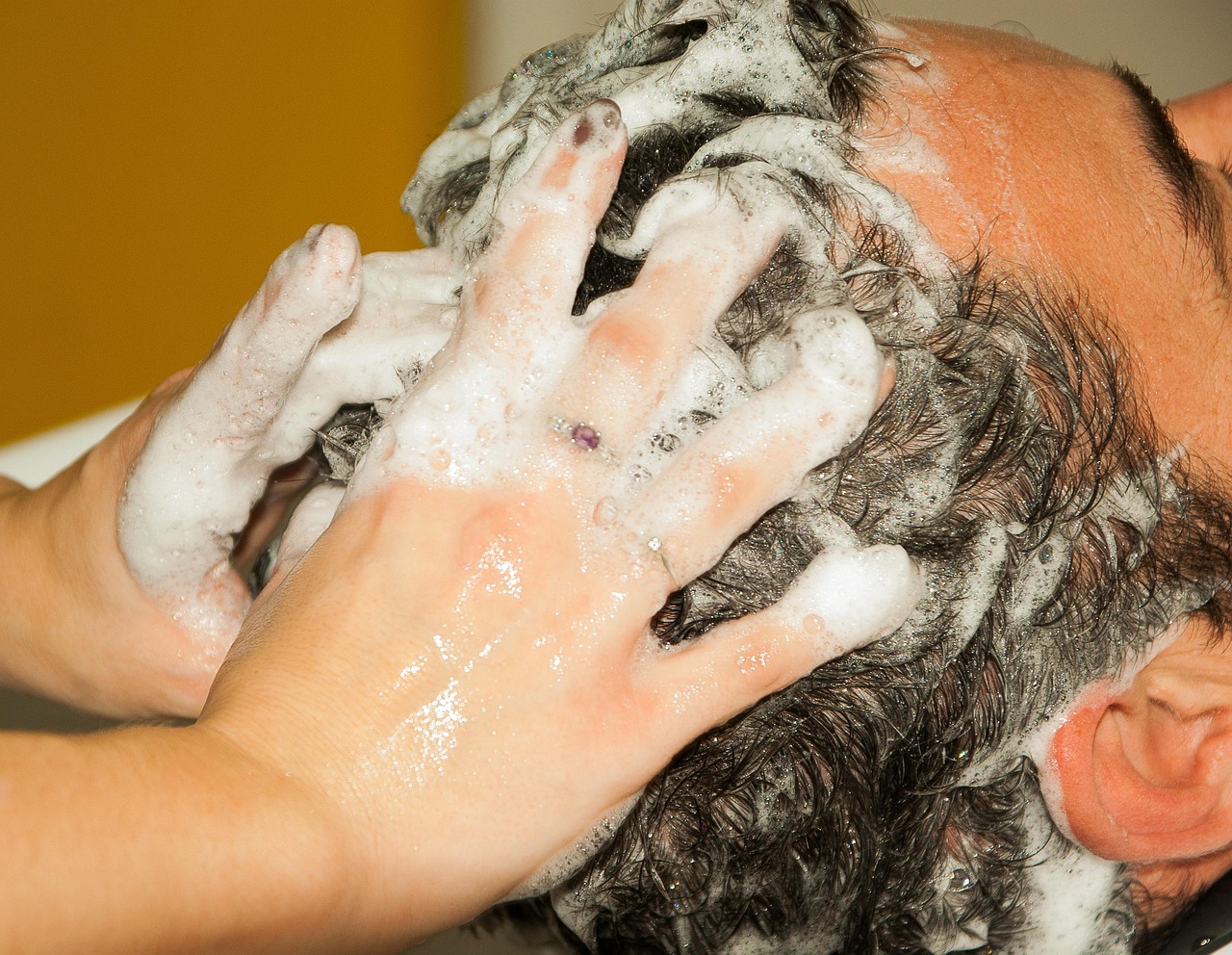
- Lather Gently, Focus on Scalp: Rub the shampoo between your palms, then apply it to your scalp. Gently massage with your fingertips to create a lather, focusing on cleansing the scalp where oil and product buildup accumulate. Let the suds run down the length of your hair to cleanse the strands without excessive scrubbing.
- Rinse Thoroughly: Rinse your hair with lukewarm water until all traces of shampoo are gone. Ensure no residue is left, as this can weigh hair down.
- Follow with Conditioner: Always follow with a hydrating conditioner, applying it primarily from the mid-lengths to the ends of your hair. Leave it on for the recommended time before rinsing.
- Frequency of Use: For very dry hair, you might use hydrating shampoo every wash. If your hair is less dry or prone to oiliness at the scalp, you might alternate with a different type of shampoo or use it less frequently.
Recommended Products
Olaplex No. 4 Bond Maintenance Shampoo
A highly popular bond-repairing and hydrating shampoo that works wonders for damaged and dry hair, restoring strength and moisture.
Pureology Hydrate Shampoo
Known for its ultra-hydrating, sulfate-free formula, this shampoo is excellent for color-treated hair, providing intense moisture and color protection.
Moroccanoil Hydrating Shampoo
Infused with antioxidant-rich argan oil and red algae, this gentle, moisture-balancing formula is ideal for all hair types needing extra hydration.
Briogeo Don’t Despair, Repair! Super Moisture Shampoo
A clean, sulfate-free formula with algae extract, panthenol, and biotin to deeply hydrate and strengthen dry, damaged hair.
Frequently Asked Questions About Hydrating Shampoo
Q1: Can hydrating shampoo make my hair greasy?
A: When used correctly and chosen for your hair type, a good hydrating shampoo should not make your hair greasy. If your hair feels greasy, you might be using too much product, not rinsing thoroughly enough, or using a formula too rich for your hair type (e.g., a heavy formula on fine hair). Ensure you focus the shampoo on the scalp and rinse until the water runs clear.
Q2: Is hydrating shampoo good for oily hair?
A: Generally, individuals with very oily hair might find a hydrating shampoo too rich for daily use. However, sometimes an oily scalp can be a response to excessive dryness (your scalp overproduces oil to compensate). If your hair is oily at the roots but dry at the ends, you might consider using a hydrating shampoo on the ends and a balancing shampoo on the scalp, or alternating washes.
Q3: How often should I use hydrating shampoo?
A: The frequency depends on your hair’s needs. If you have severely dry, curly, or damaged hair, you might use it every time you wash. For slightly dry or normal hair, alternating with another shampoo (like a volumizing or clarifying one) or using it a few times a week might be sufficient. Listen to your hair!
Q4: What’s the difference between hydrating and moisturizing shampoo?
A: The terms “hydrating” and “moisturizing” are often used interchangeably in the hair care industry, and for most purposes, they mean the same thing: adding and retaining water in the hair. If there’s a subtle distinction, “hydrating” might emphasize attracting water to the hair (humectants), while “moisturizing” might lean towards sealing that water in and softening the hair (emollients). However, most effective products do both.
Q5: Can men use hydrating shampoo?
A: Absolutely! Hair hydration is not gender-specific. If a man has dry, frizzy, or damaged hair, or simply wants healthier-looking locks, a hydrating shampoo is just as beneficial for him as it is for anyone else. Look for formulas without overly floral or traditionally feminine scents if that’s a concern.
Q6: Is hydrating shampoo safe for color-treated hair?
A: Yes, in fact, many hydrating shampoos are specifically formulated to be color-safe. Color treatments can be very drying, so using a hydrating shampoo (especially a sulfate-free one) helps to replenish lost moisture, keep the hair cuticle smooth, and preserve your hair color from fading. Always check for “color-safe” on the label if you have dyed hair.
Conclusion: Embrace Hydration for Your Healthiest Hair Yet
Understanding what is hydrating shampoo and how it works is the first step toward transforming your hair from dry and brittle to soft, shiny, and manageable. This specialized cleanser isn’t just another product on the shelf; it’s a foundational element for anyone seeking to combat dryness, frizz, and damage at the very beginning of their hair care routine.
By prioritizing ingredients like humectants and emollients, hydrating shampoos gently cleanse while infusing your strands with vital moisture, laying the groundwork for improved elasticity, reduced breakage, and a vibrant, healthy appearance. Whether you have naturally curly hair, regularly heat style, or simply live in a dry climate, integrating a high-quality hydrating shampoo can make a profound difference.
Don’t let dry hair dictate your style or confidence. Take the time to identify your hair’s specific needs, choose a product rich in beneficial ingredients, and commit to a consistent routine. Your hair deserves that extra drink of water, and with the right hydrating shampoo, you’re well on your way to achieving the lush, healthy locks you’ve always dreamed of. Give your hair the hydration it craves, and watch it flourish!
“`